
 한국어
 English
 日本語
 中文(简体)
 Viewing now
Tinidazole 500 mg (Tinidazole)
Tinidazole 500mg
Tablet · Prescription medication
Sinil Pharmaceutical Co., Ltd.
MFDS item code 197800390 · Notified 1978.09.09 · Insurance code 653802650
Treatment of protozoal infections (such as trichomoniasis), nonspecific vaginitis, and anaerobic bacterial infections
This medication is used for infectious diseases such as trichomoniasis, anaerobic bacterial infections, amoebiasis, giardiasis, and nonspecific vaginitis.
1. Trichomoniasis and giardiasis Adults: Administer 2g of tinidazole orally as a single dose, or 150mg per dose 3 times daily for 5 days, or 150mg per dose twice daily for 7 days. 2. Anaerobic bacterial infections Adults are usually given 2g of this medicine as a single dose on the first day, followed by 1g once daily from the next day, or 500mg per dose twice daily, orally. Prevention of postoperative infections: Administer 2g orally as a single dose 12 hours before surgery. Acute ulcerative gingivitis: Administer 2g orally as a single dose. 3. Amebiasis Adults: Administer 2g of this medicine orally once daily for 2~3 days. 4. Nonspecific vaginitis Adults are usually given 2g of this medicine orally once daily for 1~2 days. Adjust the dose appropriately according to age and symptoms. Take with food.
Children with trichomoniasis or giardiasis: Administer 50~75mg per kg of body weight as a single dose. Children with amebiasis: Administer 50~60mg per kg of body weight once daily for 3 days.
This medication should not be used in patients with hypersensitivity to imidazole derivatives. Patients with blood disorders or a history of these disorders should also not take this medication. Patients with organic neurological diseases should avoid this medication. Pregnant or nursing women should not take this medication. This medication contains lactose monohydrate, so individuals with genetic issues like galactose intolerance, Lapp lactase deficiency, or glucose-galactose malabsorption should not take it. Patients with severe liver disease should be cautious as this medication may metabolize slowly, leading to increased blood concentrations. Patients with candidiasis may experience worsening symptoms while taking this medication and should use it cautiously with antifungals. This medication contains Yellow No. 4 (Tartrazine), so patients allergic to this ingredient should exercise caution. Gastrointestinal symptoms may occur, including nausea, vomiting, anorexia, diarrhea, metallic taste, and a white coating in the mouth. Cutaneous reactions may arise, including erythema, urticaria, pruritus, and edema. Blood-related issues may cause joint swelling or temporary leukopenia. In women, candidiasis may develop during the use of this medication. Symptoms such as headaches, dizziness, fatigue, dry mouth, and darkened urine may occasionally occur. Taking this medication with alcohol may cause unpleasant reactions such as nausea, vomiting, headache, and dizziness, so alcohol consumption should be avoided during and for three days after treatment. If dizziness or motor control issues arise while taking this medication, it should be discontinued immediately. This medication can enhance the effects of anticoagulants like warfarin, requiring dosage adjustments during and up to 8 days after treatment. It may also raise lithium blood levels, necessitating caution. Using this with phenytoin intravenous preparations can alter phenytoin levels in the body. It may increase blood levels of cyclosporine or tacrolimus. It can delay the excretion of the chemotherapy agent 5-FU, exacerbating side effects. Concurrent use with cholestyramine may reduce the absorption of this medication. It may interfere with the action of oxytetracycline. Animal studies have shown harmful effects on fetuses at high doses, so it should not be taken during the first three months of pregnancy. After mid-pregnancy, it should only be used when the benefits outweigh the risks. This medication is transmitted through breast milk, so breastfeeding should be discontinued during treatment. Safety for children over 3 years of age has not been established. In the case of overdose, there is no specific antidote, so emergency treatment and symptom-based management are necessary.
nausea, vomiting, anorexia, diarrhea, metallic taste, coating of the tongue, redness, urticaria, pruritus, angioedema, joint swelling, transient leukopenia, candidiasis, headache, heaviness in the head, fatigue, thirst, discoloration of urine (dark urine color)
Not everyone experiences these, and they can vary from person to person.
This medication may be sensitive to air or moisture, so it should be stored in a tightly sealed container. It is advisable to maintain storage temperatures between 1 to 30 degrees Celsius.
Yellow oval film-coated tablets
30 tablets/bottle, 500 tablets/bottle
Even with the same ingredient, strength, dosage form and how it is taken can differ.
Viewing nowTinidazole 500mg
Tablet · Prescription medication
Sinil Pharmaceutical Co., Ltd.
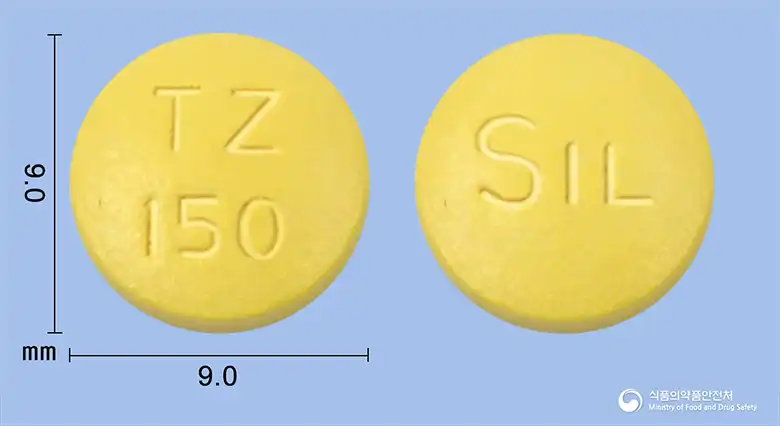
Tinidazole 150mg
Tablet · Prescription medication
Sinil Pharmaceutical Co., Ltd.
Tinidazole 300mg
Tablet · Prescription medication
Youngpoong Pharmaceutical Co., Ltd.
Tinidazole
Prescription medication
HanKong Chorus Co., Ltd.
Tinidazole
Prescription medication
Austin Pharmaceutical Co., Ltd.
Even with the same ingredient, the dose and directions can differ by strength and dosage form. Talk to a doctor or pharmacist before switching from a medication you are already taking.
No questions yet.
For anything that needs medical judgment, consult a doctor or pharmacist.
This drug information is based on data provided by the Korea Ministry of Food and Drug Safety.
Consult a doctor or pharmacist for accurate dosage, administration, and usage instructions.