한국어
 English
 日本語
 中文(简体)
 Viewing now
Yuhan Pyrazinamide Tablet 500 mg (Pyrazinamide)
Pyrazinamide 500mg
Tablet · Prescription medication
Yuhan Corporation
MFDS item code 197800132 · Notified 1978.01.28 · Insurance code 642102010
Treatment of tuberculosis (pulmonary tuberculosis, etc.)
This medication is used for the treatment of pulmonary tuberculosis caused by tuberculosis bacteria and various other forms of tuberculosis. Tuberculosis is a serious infectious disease primarily affecting the lungs, and this medication can help suppress the progression of the disease and improve symptoms. Therefore, it is effective for those diagnosed with tuberculosis.
Adults: Administer 1.5~2.0 g of pyrazinamide per day (maximum 3 g per day) orally in 1~3 divided doses. In principle, administer concomitantly with other antituberculosis drugs. Adjust the dose appropriately according to age and symptoms.
This medication should not be used in certain patients. For example, individuals allergic to this drug or its components, those with poor liver or kidney function, people with hyperuricemia, patients with porphyria, and women who are pregnant, possibly pregnant, or nursing should not take this medication. Additionally, it should be administered cautiously to certain patients. Individuals with a family history of gout attacks or high uric acid levels, those suspected to have liver or kidney function problems, elderly patients, diabetic patients, and individuals with allergies to specific medications should exercise caution when using this medication. During treatment with this medication, various side effects may occur, such as abnormal liver function, muscle pain, gout attacks, blood abnormalities, skin rashes, digestive disorders, and kidney issues, so symptoms should be promptly discussed with a healthcare professional. To prevent the occurrence of drug-resistant bacteria, it is important to conduct susceptibility testing and to take this medication for the minimum required duration. Since liver function abnormalities may occur, regular monitoring is necessary, and if any issues arise, usage should be promptly discontinued. If symptoms worsen or new symptoms appear during treatment, it may be a paradoxical drug reaction, so healthcare professional's judgment should be sought. This medication can exacerbate liver dysfunction when taken with other antituberculous agents or drugs affecting the liver, necessitating frequent liver function tests. Moreover, it may weaken the effects of drugs like allopurinol and colchicine and increase uric acid levels, so caution is advised when used in combination. It is advisable for pregnant or nursing women to avoid this medication, and if it must be taken, nursing should be discontinued. Safety in pediatric patients is not well established, so caution should be exercised when used in children. Elderly patients may experience more side effects due to declining physical function, so careful monitoring is essential while using this medication. In the case of an overdose, liver toxicity or hyperuricemia may occur, and since no specific antidote is available, immediate medical attention should be sought for appropriate treatment, such as gastric lavage.
Not everyone experiences these, and they can vary from person to person.
This medication should be stored in a tightly closed container to prevent exposure to air or moisture, and it is recommended to keep it at room temperature, neither too hot nor too cold.
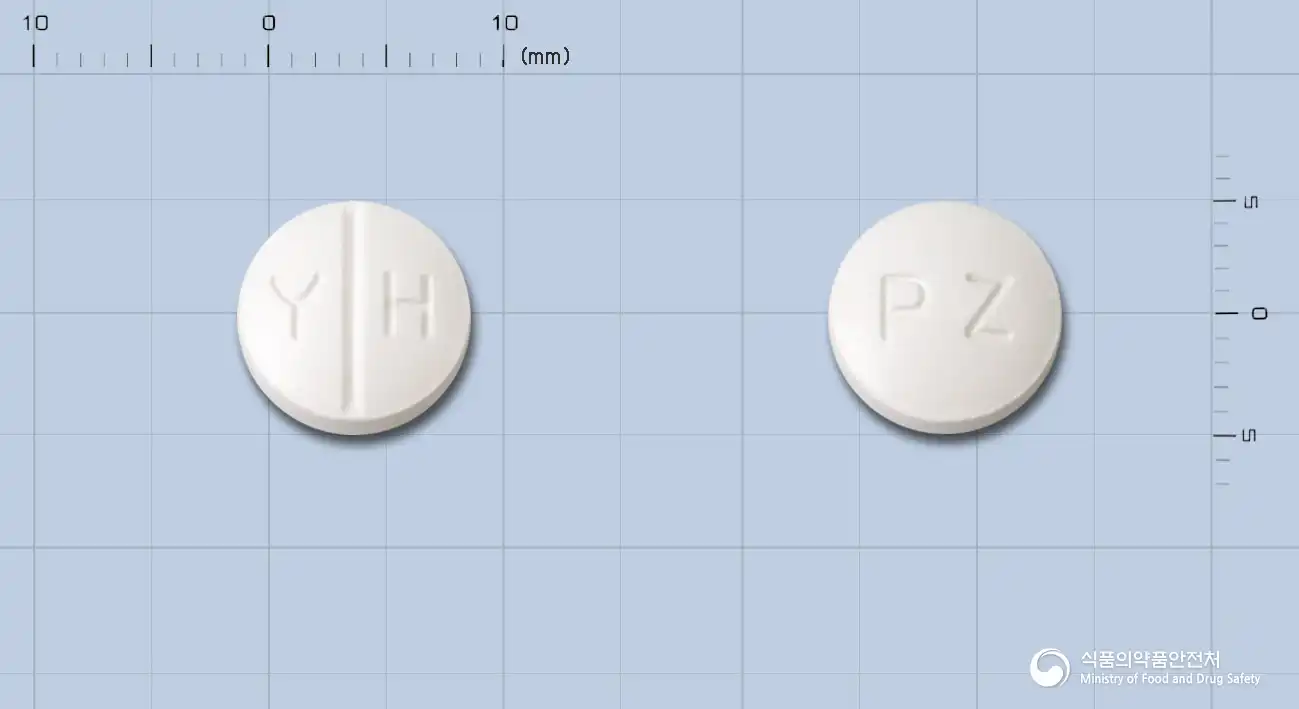
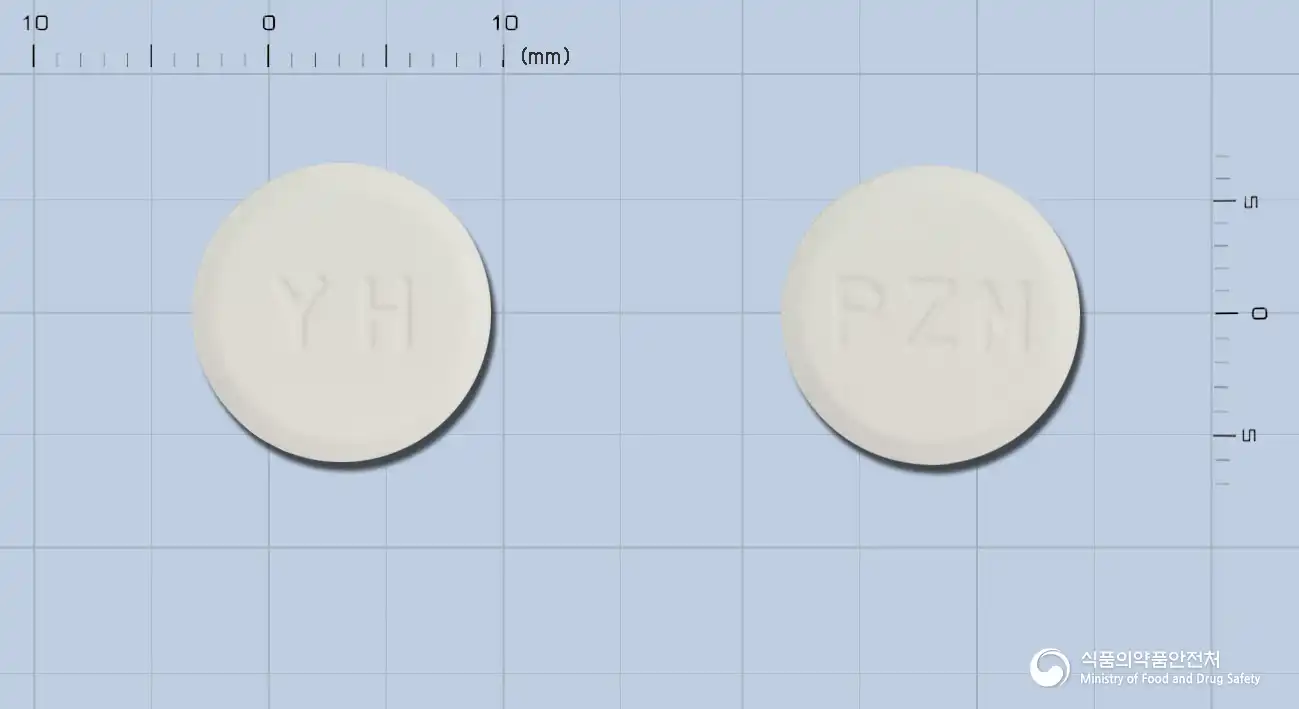
It is a white, round tablet.
100 tablets/bottle
Even with the same ingredient, strength, dosage form and how it is taken can differ.
Even with the same ingredient, the dose and directions can differ by strength and dosage form. Talk to a doctor or pharmacist before switching from a medication you are already taking.
No questions yet.
For anything that needs medical judgment, consult a doctor or pharmacist.
This drug information is based on data provided by the Korea Ministry of Food and Drug Safety.
Consult a doctor or pharmacist for accurate dosage, administration, and usage instructions.