한국어
 English
 日本語
 中文(简体)
 Viewing now
Yuhan Pyrazinamide Tablet 250 mg (Pyrazinamide)
Pyrazinamide 250mg
Tablet · Prescription medication
Yuhan Corporation
MFDS item code 197800131 · Notified 1978.01.28 · Insurance code 642102000
Treatment of tuberculosis (pulmonary tuberculosis, etc.)
This medication is effective against tuberculosis bacteria and is used to treat pulmonary tuberculosis and other forms of tuberculosis.
Adults: Administer 1.5~2.0 g of pyrazinamide per day (maximum 3 g per day) orally in 1~3 divided doses. In principle, administer concomitantly with other antituberculosis drugs. Adjust the dose appropriately according to age and symptoms.
It is important not to use this medication in certain patients. For example, individuals allergic to this medication or its components, those with liver or kidney function issues, patients with hyperuricemia, porphyria patients, and pregnant or nursing women should not take this medication. Additionally, individuals with a history of gout attacks or elevated uric acid levels, patients suspected of having liver or kidney function problems, the elderly, diabetics, and those allergic to certain medications should use this medication cautiously. When taking this medication, liver-related problems such as abnormal liver function, hepatitis, or jaundice may occur, so regular monitoring of liver status is necessary. Also, symptoms such as gout attacks, myalgia, blood abnormalities, hypersensitivity reactions like fever or rash, dyspepsia, nephritis may occasionally appear, and immediate consultation with a doctor is required if any symptoms occur. Long-term or unnecessary use of this medication may lead to drug resistance, so it is advisable to perform susceptibility testing and take it for the minimum necessary duration. If symptoms worsen or new symptoms appear during treatment, it may be a paradoxical drug reaction which requires medical diagnosis and management. When taken with other anti-tuberculosis agents or medications that may burden the liver, frequent liver function tests are required, and this medication can reduce the efficacy of certain drugs or affect their blood concentrations, so caution is advised when used in combination. Pregnant women or those who might become pregnant, as well as nursing women, are recommended to avoid this medication, and if it is absolutely necessary, breastfeeding should be discontinued. Safety for pediatric use has not yet been established, so it should be used cautiously in children, and elderly patients should be closely monitored due to potentially weakened body functions. In case of overdose, hepatotoxicity and hyperuricemia may occur, and since there is no specific antidote, gastric lavage and supportive treatment may be necessary. Depending on the symptoms, additional medication may be needed, so immediate medical assistance should be sought.
Not everyone experiences these, and they can vary from person to person.
This medication should be stored in a tightly sealed container to prevent exposure to air or moisture, and it does not require special refrigeration; it can be stored at room temperature.
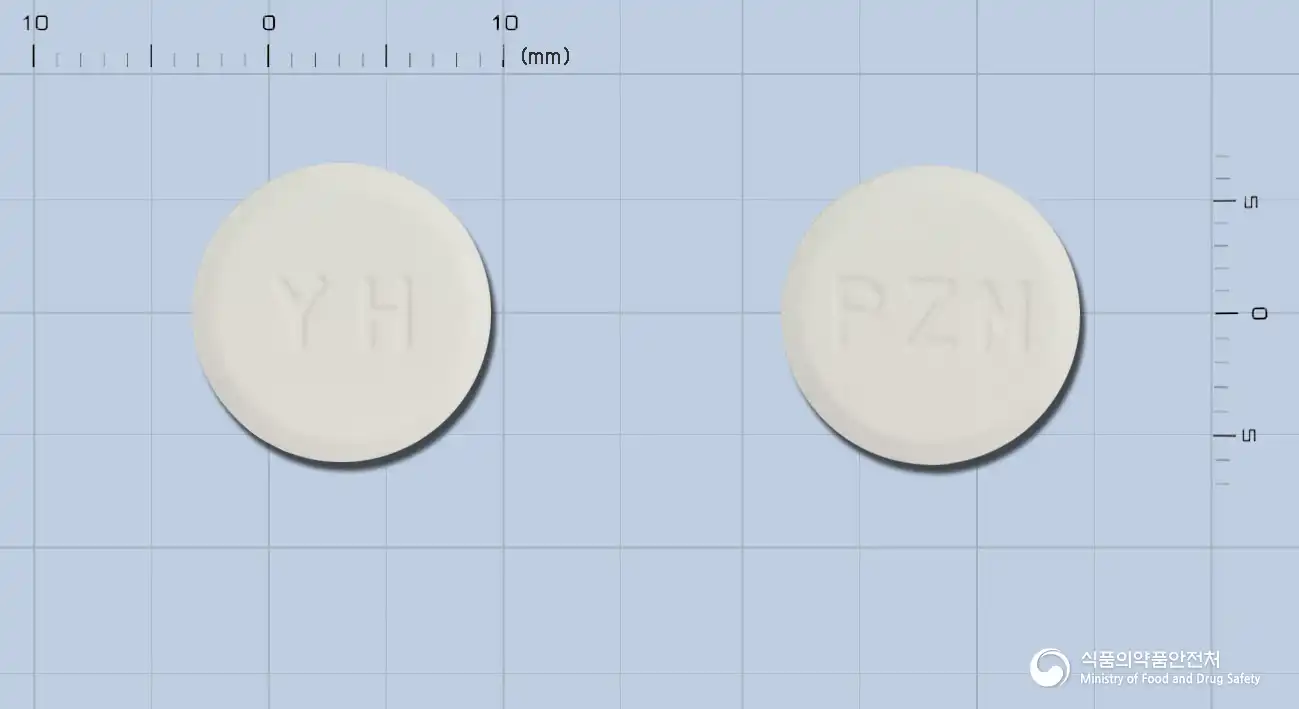
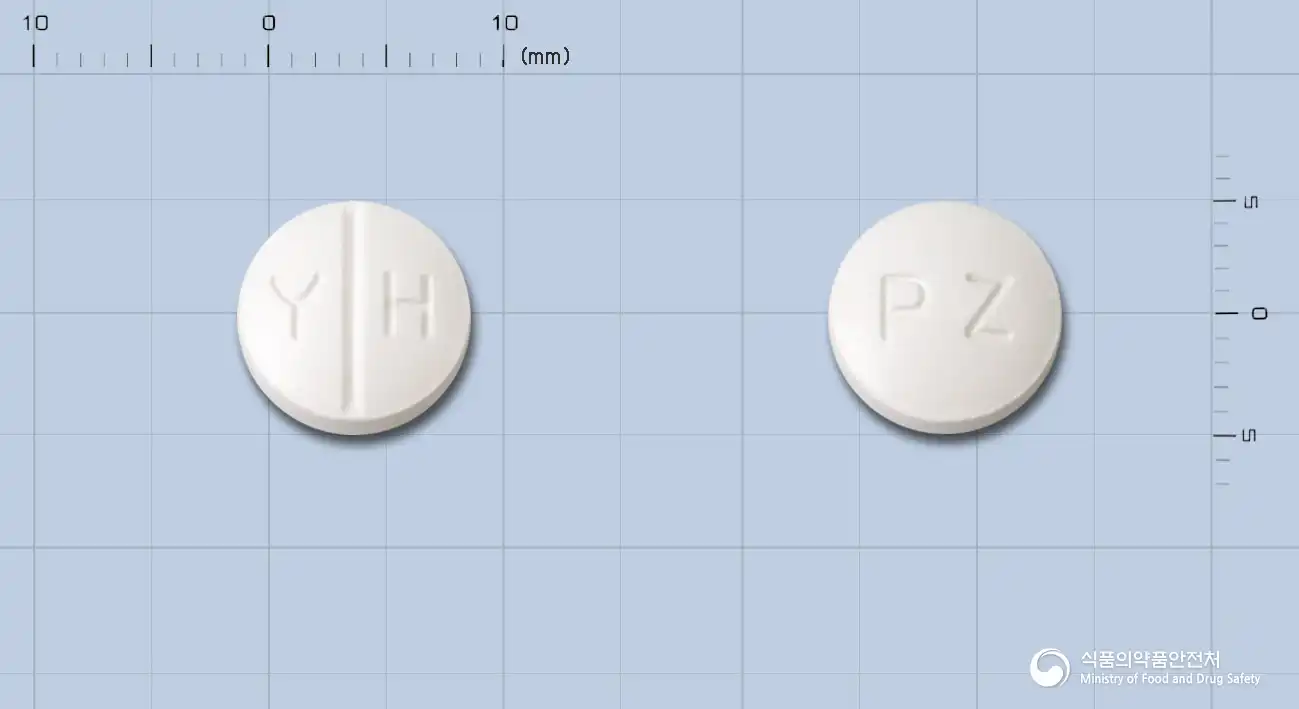
It is a white round tablet.
30 tablets/bottle, 500 tablets/bottle
Even with the same ingredient, strength, dosage form and how it is taken can differ.
Even with the same ingredient, the dose and directions can differ by strength and dosage form. Talk to a doctor or pharmacist before switching from a medication you are already taking.
No questions yet.
For anything that needs medical judgment, consult a doctor or pharmacist.
This drug information is based on data provided by the Korea Ministry of Food and Drug Safety.
Consult a doctor or pharmacist for accurate dosage, administration, and usage instructions.