
 한국어
한국어 English
 日本語
日本語 中文(简体)
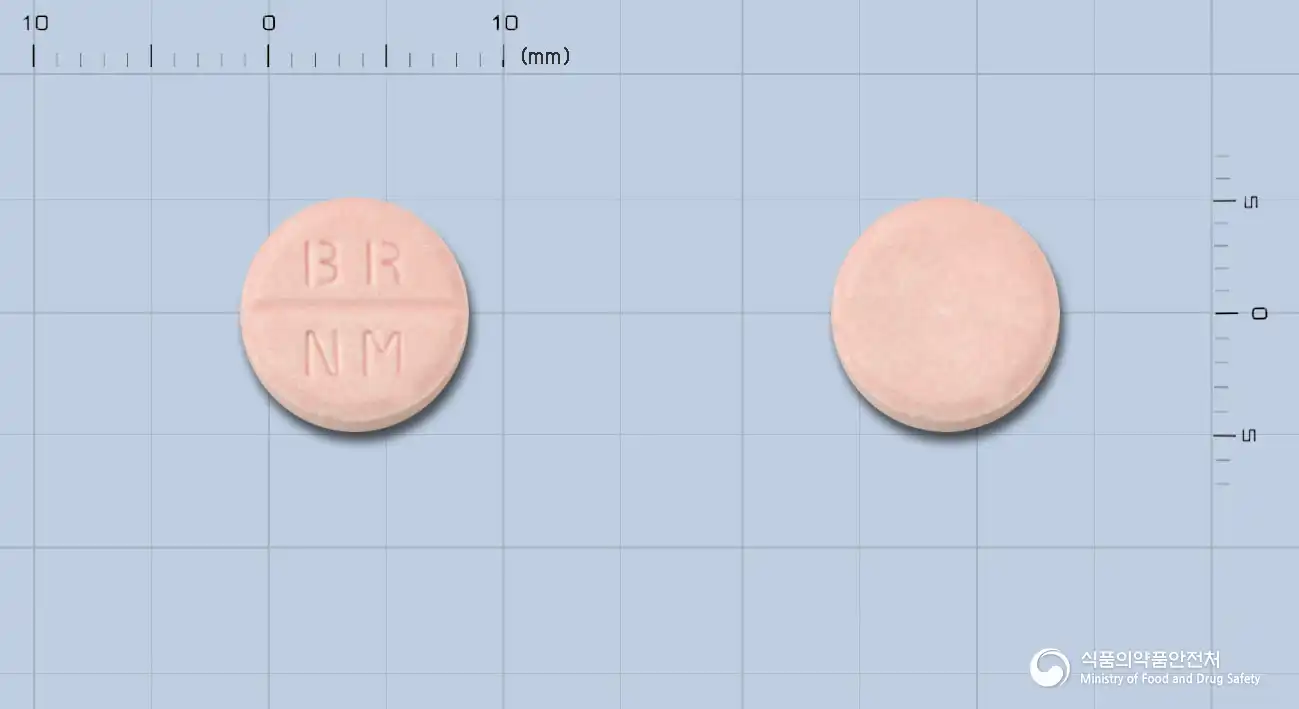 Viewing nowCombination
NeoMedicop Tablets
Dihydrocodeine Tartrate 5mg · Chlorpheniramine Maleate 1.5mg +2 more
Tablet · Prescription medication · Combination
Boryung Pharmaceutical Co., Ltd.
MFDS item code 197700537 · Approved 1977.11.03 · Insurance code 641900090
Relief of cough and phlegm
Cough and phlegm are symptoms commonly associated with respiratory diseases, and this medication is used to alleviate these symptoms.
Take 2 tablets, 3 times a day after meals.
In children aged 12 to under 15 years, take 1 tablet, 3 times a day after meals.
This medication should be avoided in patients under 18 years old who are obese, have obstructive sleep apnea syndrome, or have severe lung diseases due to a high risk of severe respiratory depression. Patients who have hypersensitivity to this medication or its components, or have a medical history of such reactions should not use it. Patients taking MAO inhibitors, including antidepressants, antipsychotics, mood stabilizers, and anti-Parkinson's medications, should also avoid this medication if they have taken it within the last two weeks. Nursing mothers should not take this medication, and patients with glaucoma should be cautious due to potential increased intraocular pressure. Patients with lower urinary tract obstruction diseases such as benign prostatic hyperplasia, children under 12 years old, and patients with congenital lactose intolerance should not use this medication. Individuals with allergic predispositions or previous allergic reactions to medications, liver diseases, kidney diseases, thyroid diseases, diabetes, the weak, or those with high fever should use this medication cautiously. Patients with cardiovascular diseases or hypertension, elderly patients, and women who are pregnant or might become pregnant should also use this medication with care. Particular caution is needed if cough persists for a long time or if there are respiratory conditions such as asthma or chronic bronchitis. Patients with peptic ulcers or epilepsy should also use this medication cautiously, and since drowsiness may occur during the use of this medication, driving or operating machinery should be avoided. Overdosing or prolonged use should be avoided, and it is recommended not to use this medication in combination with other cough suppressants, cold medications, antihistamines, or sedatives. Taking this medication with alcohol or central nervous system depressants may intensify drowsiness. For pregnant women, the safety has not been established, and it should only be used cautiously if the therapeutic benefits outweigh the risks. It is advisable for nursing mothers not to take it. In children, overdose can lead to hallucinations, agitation, seizures, and severe respiratory depression; thus, they should be particularly monitored, and it should not be used in children under 12 years old. Elderly patients should be closely observed while taking this medication due to decreased physiological function. In cases of overdose, symptoms such as central nervous system abnormalities, seizures, respiratory difficulties, and cardiovascular issues may occur, necessitating immediate emergency treatment. This medication should be stored out of reach of children, away from direct sunlight, in a cool, dry place. Do not transfer to another container, as interactions with certain medications may alter the properties of the drug.
Shock symptoms (cyanosis, respiratory distress, chest discomfort, hypotension), urticaria, respiratory distress, jaundice, seizures
Not everyone experiences these, and they can vary from person to person.
This medication should be stored in a tightly sealed container to prevent exposure to air or moisture. It is also advisable to keep it at normal room temperature, avoiding extremely hot or cold conditions.
Light pink round tablets
500 tablets/bottle, 1000 tablets/bottle
Even with the same ingredient, strength, dosage form and how it is taken can differ.
Viewing nowCombinationDihydrocodeine Tartrate 5mg · Chlorpheniramine Maleate 1.5mg +2 more
Tablet · Prescription medication · Combination
Boryung Pharmaceutical Co., Ltd.
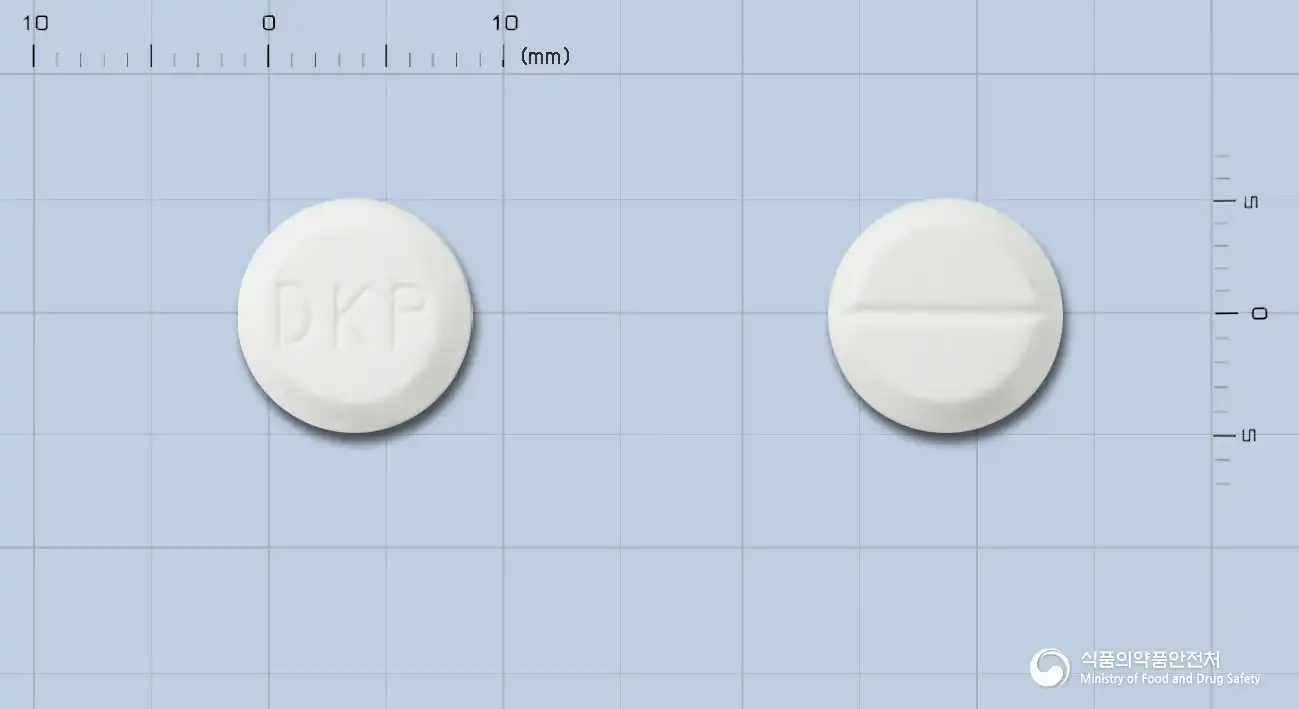 Combination
Dihydrocodeine Tartrate 5mg · Chlorpheniramine Maleate 1.5mg +2 more
Tablet · Prescription medication · Combination
Dongkwang Pharmaceutical Co., Ltd.
Dihydrocodeine Tartrate 5mg · Chlorpheniramine Maleate 1.5mg +2 more
Tablet · Prescription medication · Combination
Shinil Pharmaceutical Co., Ltd.
Dihydrocodeine Tartrate · Chlorpheniramine Maleate +2 more
Prescription medication · Combination
Daewoo Pharmaceutical Co., Ltd.
Even with the same ingredient, the dose and directions can differ by strength and dosage form. Talk to a doctor or pharmacist before switching from a medication you are already taking.
No questions yet.
For anything that needs medical judgment, consult a doctor or pharmacist.
This drug information is based on data provided by the Korea Ministry of Food and Drug Safety.
Consult a doctor or pharmacist for accurate dosage, administration, and usage instructions.