
 한국어
 English
 日本語
 中文(简体)
Summary
- Main use
- Treatment of type 2 diabetes mellitus not controlled by diet and exercise
- Who takes it
- Adults
- Adult dose
- Administer 30 minutes before a meal to maximally suppress postprandial hyperglycemia. 1. Initial dose The recommended initial dose is 5mg of glipizide before breakfast or lunch. For elderly patients, start with 2.5mg. 2. Dose adjustment Based on the blood glucose response, increase or decrease the dose by 2.5~5mg per day at intervals of at least several days until optimal glycemic control is achieved. If once-daily administration does not provide satisfactory results, divided dosing may improve efficacy. The maximum dose per administration should not exceed 15mg. If the total daily dose is 15mg or more, divided doses before meals with an adequate calorie content are generally recommended. 3. Maintenance dose Generally, 2.5~30mg per day provides adequate glycemic control in patients. If the total daily dose is 15mg or more, divided doses are generally recommended; if it is 30mg or more, it is safer to divide the dose between morning and evening, with a long interval between doses. In elderly, malnourished, or debilitated patients, determine the initial and maintenance doses carefully to prevent hypoglycemia. Do not exceed the maximum daily dose of 40mg. 4. Switching from another oral antidiabetic agent The dose varies according to the patient's symptoms and response to previous therapy, but generally 5mg of this product can replace one tablet of another oral antidiabetic agent. No transition period is required when switching from another sulfonylurea hypoglycemic agent to this product. When switching from a long-acting sulfonylurea (chlorpropamide) to this product, monitor carefully for 1~2 weeks to prevent hypoglycemia due to overlapping drug effects. 5. Patients receiving insulin If the daily insulin dose is 20 units or less, insulin may be discontinued and this product administered at the usual dose. If the daily insulin dose exceeds 20 units, reduce insulin by 50% and administer this product at the usual dose. Adjust the dose over several days. Patients requiring 40 units or more of insulin per day should use this product as directed by a physician, based on the patient's clinical response.
Ingredients
- Manufacturer
- (Yuhan Corporation)
Efficacy & effects
Treatment of type 2 diabetes mellitus not controlled by diet and exercise
- Type 2 diabetes
View approved original textHide original text
This medication is used in patients with type 2 diabetes when blood sugar control is inadequate with diet and exercise alone. It effectively lowers blood sugar levels, aiding in diabetes management and contributing to the prevention of complications. Maintaining a healthy lifestyle along with regular use can help with blood sugar control.
How to take
Adult dose
Administer 30 minutes before a meal to maximally suppress postprandial hyperglycemia. 1. Initial dose The recommended initial dose is 5mg of glipizide before breakfast or lunch. For elderly patients, start with 2.5mg. 2. Dose adjustment Based on the blood glucose response, increase or decrease the dose by 2.5~5mg per day at intervals of at least several days until optimal glycemic control is achieved. If once-daily administration does not provide satisfactory results, divided dosing may improve efficacy. The maximum dose per administration should not exceed 15mg. If the total daily dose is 15mg or more, divided doses before meals with an adequate calorie content are generally recommended. 3. Maintenance dose Generally, 2.5~30mg per day provides adequate glycemic control in patients. If the total daily dose is 15mg or more, divided doses are generally recommended; if it is 30mg or more, it is safer to divide the dose between morning and evening, with a long interval between doses. In elderly, malnourished, or debilitated patients, determine the initial and maintenance doses carefully to prevent hypoglycemia. Do not exceed the maximum daily dose of 40mg. 4. Switching from another oral antidiabetic agent The dose varies according to the patient's symptoms and response to previous therapy, but generally 5mg of this product can replace one tablet of another oral antidiabetic agent. No transition period is required when switching from another sulfonylurea hypoglycemic agent to this product. When switching from a long-acting sulfonylurea (chlorpropamide) to this product, monitor carefully for 1~2 weeks to prevent hypoglycemia due to overlapping drug effects. 5. Patients receiving insulin If the daily insulin dose is 20 units or less, insulin may be discontinued and this product administered at the usual dose. If the daily insulin dose exceeds 20 units, reduce insulin by 50% and administer this product at the usual dose. Adjust the dose over several days. Patients requiring 40 units or more of insulin per day should use this product as directed by a physician, based on the patient's clinical response.
Precautions
This medication carries a risk of severe delayed hypoglycemia, so the prescribed dosage and administration must be followed precisely. It should not be used in patients with severe ketoacidosis, diabetic coma, type 1 diabetes, or those with problems related to liver, kidney, or thyroid function. Additionally, patients with severe infections, trauma, pre- and post-surgical patients, individuals allergic to any component of this medication, pregnant or breastfeeding women, and patients taking specific antifungal medications should not be treated with this drug. Patients with compromised liver or kidney function, poor nutritional status or irregular eating habits, those engaging in strenuous exercise, excessive alcohol consumption, and the elderly are at risk of hypoglycemia and should use caution when taking this medication. Possible side effects include hypoglycemia, gastrointestinal discomfort (nausea, diarrhea, constipation, abdominal pain, etc.), skin rashes or allergic reactions, hematological abnormalities, endocrine disorders, and liver function abnormalities. When starting this medication, it should be considered after sufficient implementation of diet and exercise therapy when blood sugar control is insufficient, and regular blood and urine tests should be conducted to monitor the efficacy and safety of the medication. This medication may worsen cardiovascular problems, so special care should be taken for those working with machinery or at heights regarding hypoglycemic symptoms. Moreover, when taken with specific other medications, the effects of this medication may be increased or decreased; therefore, it is crucial to inform the prescriber of any other medications being taken. It is safer not to use this medication during pregnancy or breastfeeding, and safety in children has not been established. Older adults may have diminished bodily functions, so starting with a lower dose and conducting regular monitoring is necessary. In case of overdose, symptoms of hypoglycemia may occur, so if conscious, consume food containing sugar; if unconscious, immediate medical attention is required for a glucose injection. Frequent monitoring is required for at least 24 to 48 hours as recurrent hypoglycemic symptoms may occur.
Side effects
Hypoglycemia, nausea, diarrhea, constipation, stomach pain, erythema, measles-like papular rash, urticaria, itching, eczema, delayed skin porphyria, photosensitivity, leukopenia, agranulocytosis, thrombocytopenia, hemolytic anemia, aplastic anemia, pancytopenia, hyponatremia, syndrome of inappropriate antidiuretic hormone secretion, hepatic porphyria, disulfiram-like symptoms, cholestatic jaundice, increased AST, increased LDH, increased ALP, increased BUN, increased creatinine, dizziness, drowsiness, headache
Not everyone experiences these, and they can vary from person to person.
Storage
This medication must be stored in a tightly closed container to protect it from air and moisture. Therefore, ensure to close the container when using the medication to maintain its freshness and effectiveness.
Appearance and packaging
Appearance
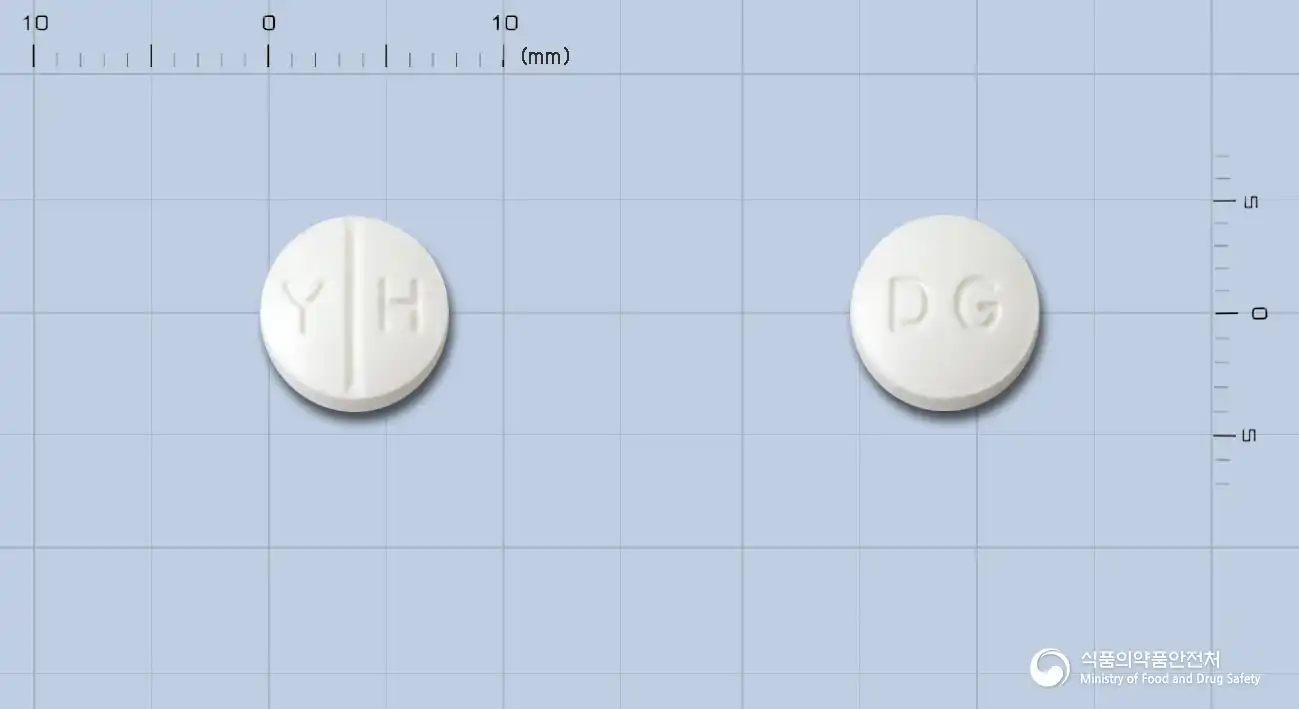
White, round tablets
Package unit
30 tablets/bottle
Questions about this medicine
No questions yet.
For anything that needs medical judgment, consult a doctor or pharmacist.