
 한국어
한국어 English
 日本語
日本語 中文(简体)
Dosage form image
Viewing nowCombinationActifid Syrup
Pseudoephedrine Hydrochloride 600mg · Triprolidine Hydrochloride Hydrate 25mg
Syrup · OTC medication · Combination
Samil Pharmaceutical Co., Ltd.
MFDS item code 197600174 · Notified 1976.03.23 · Insurance code 643900891,643900892
Relief of cold symptoms and allergies (sneezing, runny nose)
This medication is used to relieve symptoms such as sneezing, runny nose, and nasal congestion caused by common cold, allergies, and vasomotor rhinitis. Tablets or syrup effectively alleviate eye tearing symptoms, while capsules help relieve sneezing, runny nose, and nasal congestion symptoms. Therefore, it is suitable for improving discomfort caused by such symptoms.
(Tablet) Take 1 tablet three times a day after meals. (Capsule) Take 1 capsule three times a day after meals. (Syrup) For those 12 years and older, take 10 mL three times a day after meals.
(Tablet) For children aged 12 to 14 years, take 1/2 tablet three times a day after meals. (Capsule) For children aged 12 to 14 years, take 1/2 capsule three times a day after meals. (Syrup) Under 12 years
This medication contains pseudoephedrine, which can rarely cause serious skin reactions such as acute generalized exanthematous pustulosis. If fever, red spots, or small blisters appear on the skin, discontinue use immediately and consult a doctor or pharmacist. Individuals who have had hypersensitivity reactions, severe liver or kidney dysfunction, serious heart disease, urinary problems, hypertension or coronary artery disease, pregnant or potentially pregnant women, nursing mothers, infants under 2 years, individuals taking certain medications, and those allergic to methylparaben should not take this medication. During the use of this medication, it should not be taken with antihypertensive drugs, alcohol, central nervous system depressants such as sleeping pills or sedatives, certain antidepressants, sympathomimetics, and this medication should only be started at least 15 days after taking MAO inhibitors. It is advisable to avoid activities requiring concentration, such as driving or operating machinery, during treatment. Patients with certain conditions such as asthma, glaucoma, heart disease, diabetes, hyperthyroidism, prostatic hypertrophy, or children under 12 years should consult a healthcare professional prior to use. If symptoms do not improve within 7 days or if there is a high fever, discontinue use and seek consultation; also consult a doctor or pharmacist immediately if abnormal symptoms such as sedation, drowsiness, anxiety, visual disturbances, hallucinations, seizures, skin rashes, digestive issues, or urinary problems occur. Overdose may lead to hallucinations, seizures, and insomnia, so appropriate measures should be taken immediately if such symptoms occur, and if serious side effects related to pseudoephedrine are suspected, discontinue use and consult a specialist. This medication should be stored out of the reach of children in a safe place, protected from direct sunlight, and kept sealed in its original container in a cool and dry location. Caution should be taken to avoid transferring it to another container, as this may lead to misuse or degradation of the medication quality.
Acute generalized exanthematous pustulosis (AGEP), high fever, erythema, multiple small pustules, severe skin adverse reactions, skin reactions, hypersensitivity reactions, urinary difficulties, ischemic colitis (sudden abdominal pain, rectal bleeding), sudden severe headache, thunderclap headache, confusion, seizures, visual disturbances, central nervous system issues, respiratory failure, coma, cardiovascular collapse
Sedation, drowsiness, central nervous system depression, central nervous system stimulation, anxiety, sweating, mild hypotension, visual disturbances, mydriasis, hallucinations, agitation, muscle spasms, rigidity, athetosis, tonic and clonic seizures, thirst, nausea, vomiting, temporary stimulus pain, burning sensation, gastrointestinal disturbances, hallucinations and seizures in case of overdose, neurogenic excitement, dizziness, insomnia, agitation
Not everyone experiences these, and they can vary from person to person.
This medication should not be taken with antihypertensive drugs, central nervous system depressants (sleeping pills, sedatives, tranquilizers), MAO inhibitors, sympathomimetics, tricyclic antidepressants, guanethidine, bretylium, betanidine, debrisoquine, methyldopa, sympathomimetic drugs (decongestants, appetite suppressants, amphetamines), and adrenergic blockers. It is also advisable not to take it with alcohol.
This medication is sensitive to light and should be stored in a light-blocking, sealed container. It is best to maintain the storage temperature between 1 degree and 30 degrees Celsius at room temperature.
Colorless to light yellow syrup preparation
90 mL/bottle, 500 mL/bottle
Even with the same ingredient, strength, dosage form and how it is taken can differ.
Pseudoephedrine Hydrochloride 600mg · Triprolidine Hydrochloride Hydrate 25mg
Syrup · OTC medication · Combination
Samil Pharmaceutical Co., Ltd.
 Combination
Pseudoephedrine Hydrochloride 60mg · Triprolidine Hydrochloride Hydrate 2.5mg
Tablet · OTC medication · Combination
Samil Pharmaceutical Co., Ltd.
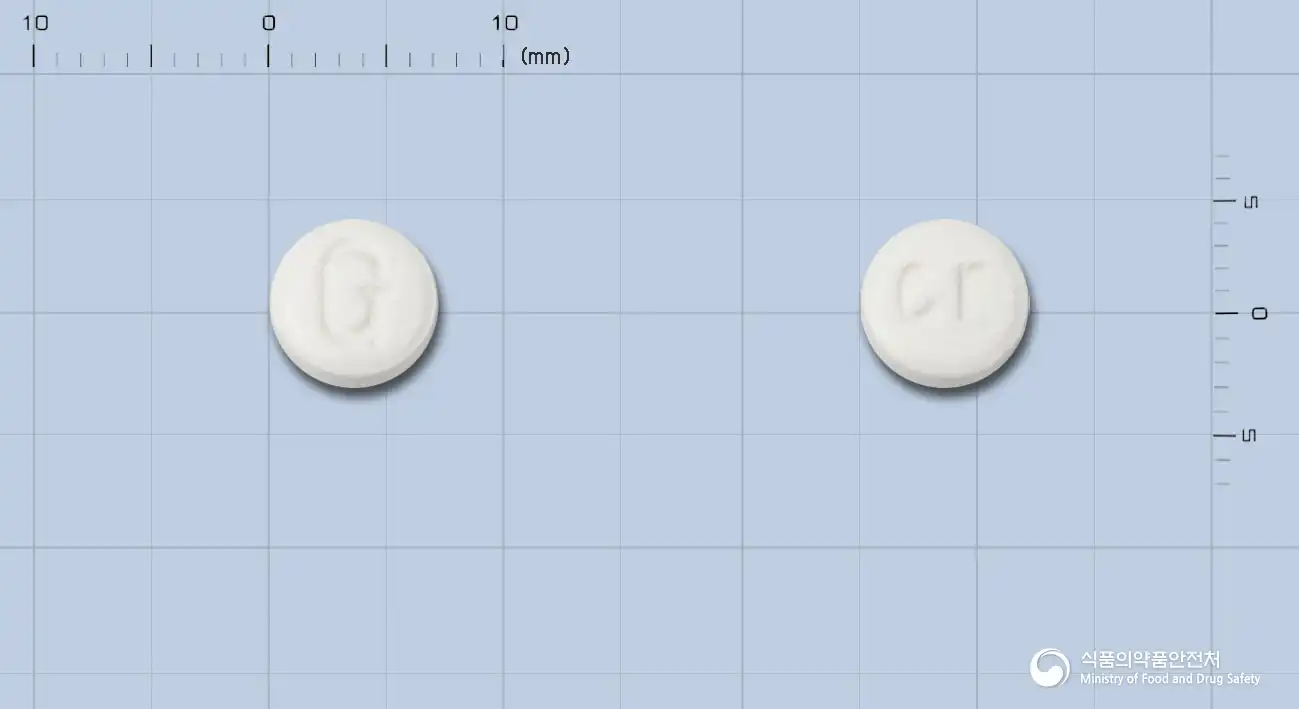 Combination
Triprolidine Hydrochloride Hydrate 2.5mg · Pseudoephedrine Hydrochloride 60mg
Tablet · OTC medication · Combination
GL Pharma Co., Ltd.
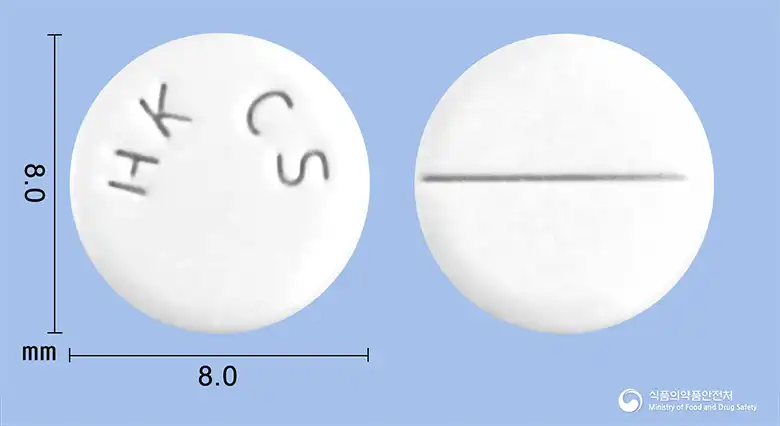 Combination
Triprolidine Hydrochloride 2.5mg · Pseudoephedrine Hydrochloride 60mg
Tablet · OTC medication · Combination
Korea Chorus Co., Ltd.
 Combination
Pseudoephedrine Hydrochloride 60mg · Triprolidine Hydrochloride Hydrate 2.5mg
Tablet · OTC medication · Combination
Aprogen Biologics Inc.
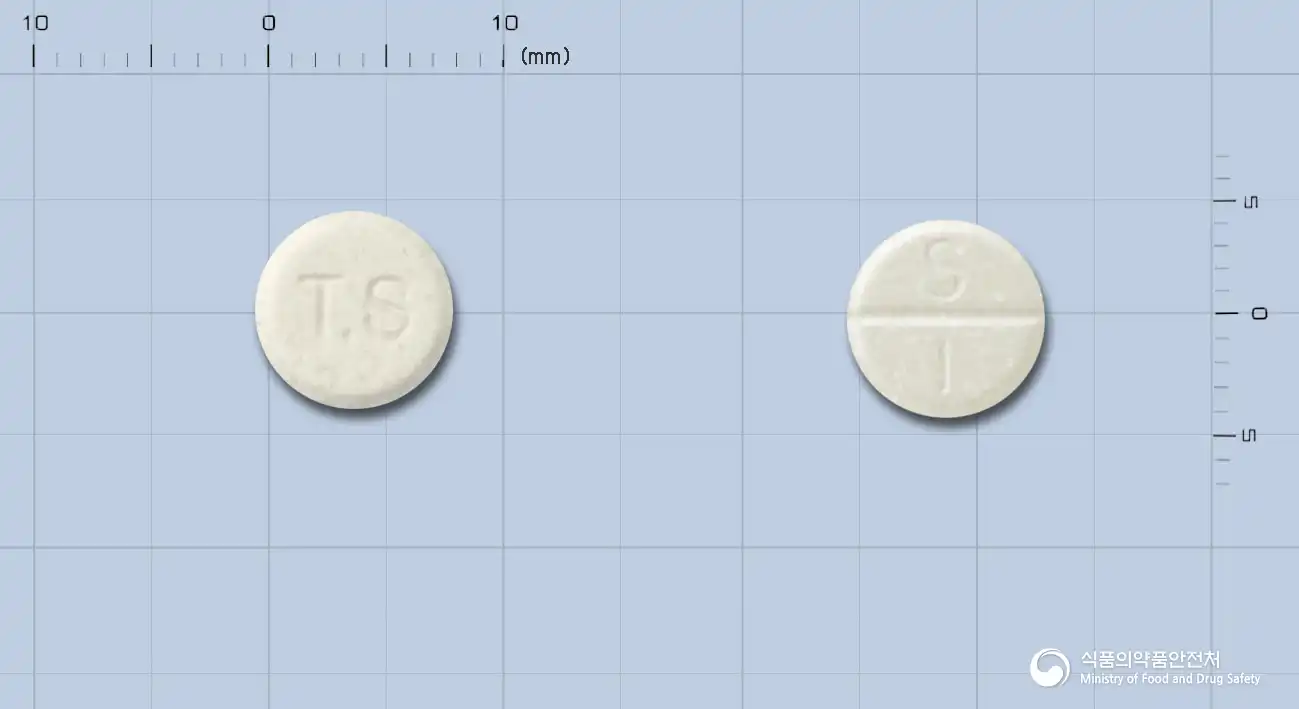 Combination
Triprolidine Hydrochloride Hydrate 2.5mg · Pseudoephedrine Hydrochloride 60mg
Tablet · OTC medication · Combination
Shinil Pharmaceutical Co., Ltd.
Triprolidine Hydrochloride 25mg · Pseudoephedrine Hydrochloride 600mg
Syrup · OTC medication · Combination
Hanmi Pharmaceutical Co., Ltd.
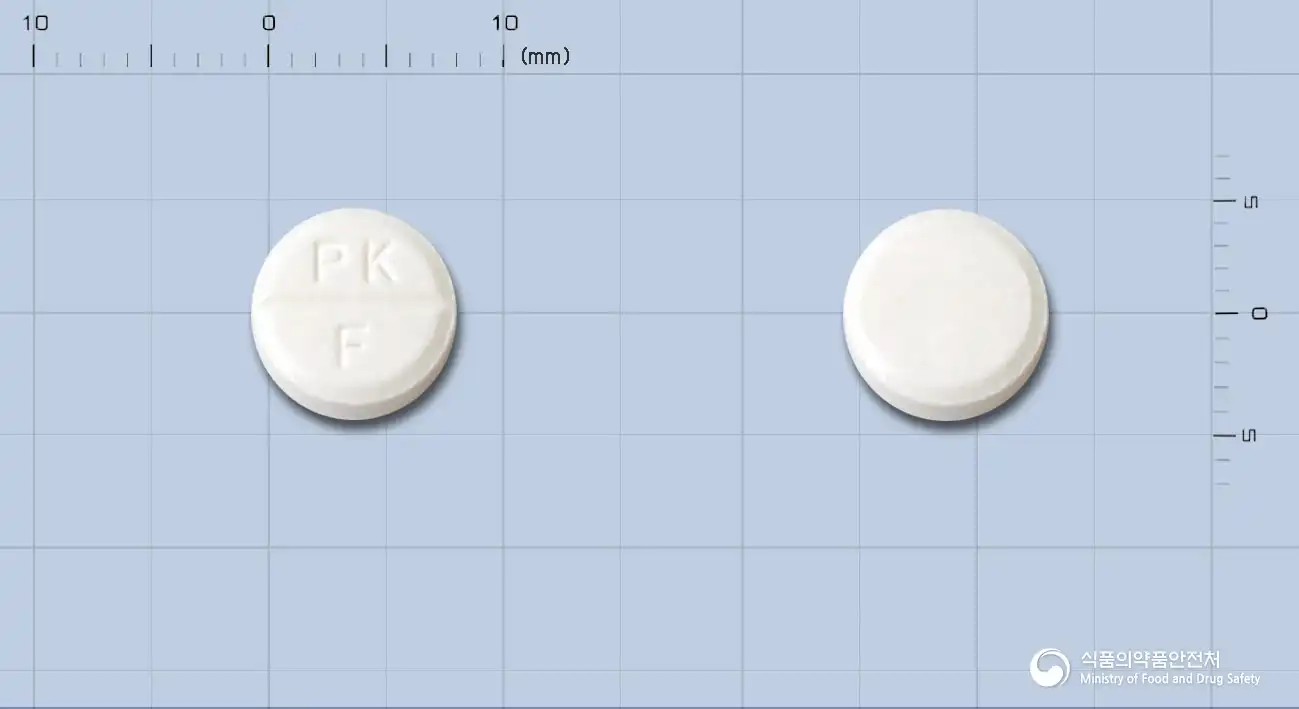 Combination
Pseudoephedrine Hydrochloride 60mg · Triprolidine Hydrochloride 2.5mg
Tablet · OTC medication · Combination
Korea Pavis Pharmaceuticals Co., Ltd.
Even with the same ingredient, the dose and directions can differ by strength and dosage form. Talk to a doctor or pharmacist before switching from a medication you are already taking.
QShould a 12-year-old take the same amount as an adult?
Answers 1 · 2026.09.14
QI'm on blood pressure medication; can I take this for a cold?
Answers 1 · 2026.09.14
For anything that needs medical judgment, consult a doctor or pharmacist.
This drug information is based on data provided by the Korea Ministry of Food and Drug Safety.
Consult a doctor or pharmacist for accurate dosage, administration, and usage instructions.