
 한국어
 English
 日本語
 中文(简体)
 Viewing now
Alkyroxan Tablets (Cyclophosphamide Tablets)
Cyclophosphamide 50mg
Tablet · Prescription medication
JW Pharmaceutical Corporation
MFDS item code 197600065 · Notified 1976.04.14 · Insurance code 644901400
Treatment of hematologic cancers (lymphoma, etc.), solid tumors (breast and ovarian cancer, etc.), and mycosis fungoides
This medication is used alone or in combination with other anticancer drugs for the treatment of various types of cancer. It is primarily applicable for malignant lymphomas, Hodgkin's disease, multiple myeloma, various forms of leukemia, as well as for the treatment of ovarian cancer and breast cancer. It is also effective against rare cancers such as neuroblastoma, rhabdomyosarcoma, and retinoblastoma. This drug helps suppress the growth of cancer cells and alleviate cancer symptoms. Depending on the patient's condition, it is often used in conjunction with other anticancer agents to enhance therapeutic efficacy. Overall, this medication is widely used in cancer treatment, improving anticancer effectiveness.
The dose is adjusted according to the antitumor effect and decrease in white blood cell count. In general, the total white blood cell count or granulocyte count provides an objective guide for dose adjustment. Because the risk of infection increases when the white blood cell count falls to 2,000/㎣ or below, or the granulocyte count falls to 1,000/㎣ or below, temporary discontinuation of treatment is recommended until the white blood cell count or granulocyte count recovers above these levels. When this drug is administered concomitantly with other drugs, reduce the dose of this drug by an amount corresponding to the dose of the other drug. This drug and its metabolites are removed by dialysis, although the amount varies depending on the dialysis method. Renal impairment alters the pharmacokinetics of the drug, but no dose adjustment is necessary.
The initial and maintenance doses are 1~5 mg/kg of body weight daily, expressed as anhydrous cyclophosphamide.
This drug should not be used in conjunction with pentostatin as it can cause severe cardiac toxicity resulting in death. Patients taking pentostatin, those with infections, patients with severe bone marrow dysfunction, those with cystitis or urinary tract obstruction, patients allergic to this drug's ingredients, pregnant or breastfeeding women, and patients with severe liver or kidney impairment should not use this drug. Special caution is required when administering to patients with weakened liver or kidney function, those with chickenpox, patients undergoing bone marrow suppression, the elderly, and children. This medication may cause serious side effects such as bone marrow suppression and nephrotoxicity, with symptoms like hair loss, nausea, and vomiting appearing frequently. Various side effects have been reported, including infection, pneumonia, sepsis, blood abnormalities, heart problems, respiratory distress, liver dysfunction, kidney issues, skin rash, hair loss, and gastrointestinal disturbances, thus regular monitoring is necessary. Although cardiac toxicity is rare, it can be very dangerous, so patients with heart disease or those who have received radiation therapy to the heart should exercise extra caution. This drug suppresses immune function, which may increase the risk of infection; if symptoms of infection occur, consult a doctor immediately. During treatment, adequate fluid intake and regular urination are important, and administration may be discontinued if symptoms of cystitis or hematuria occur. This medication possesses mutagenic and genotoxic properties, so pregnancy should be avoided during treatment and for 6 months afterward; men are advised to consult regarding sperm preservation. Alcohol consumption may exacerbate the side effects of this medication, so it is advisable to avoid it. There are many drug interactions with this medication, so if you are taking other medications, be sure to inform your doctor or pharmacist. If pregnant or nursing, consult with healthcare professionals before using this medication, and breastfeeding should be discontinued. Children and the elderly may experience more severe adverse reactions, necessitating dosage adjustments and caution. In case of overdose, dialysis may be required, and as there will be an increased risk of bone marrow suppression and infections, immediate hospital treatment is essential. During the administration of this drug, regular blood tests and liver and kidney function tests should be conducted to promptly detect and manage side effects. This medication may interfere with normal wound healing, so consult with healthcare professionals before and after surgery. When using this medication, adhere to the prescribed dosage and instructions from your doctor, and inform healthcare professionals immediately of any abnormal symptoms.
Bone marrow suppression, uremic syndrome, hair loss, nausea, vomiting, infection, pneumonia, sepsis, septic shock, secondary tumors, bladder cancer, myelodysplastic syndrome, urinary tract cancer, acute leukemia, tumor lysis syndrome, leukopenia, neutropenia, febrile neutropenia, thrombocytopenia, anemia, bleeding, hemolytic uremic syndrome, disseminated intravascular coagulation, thromboembolism, blood pressure changes, immunosuppression, anaphylactic reactions, hypersensitivity reactions, anaphylactic shock, ovulation disorders, decreased estrogen, loss of appetite, dehydration, syndrome of inappropriate antidiuretic hormone secretion, fluid retention, hyponatremia, dizziness, confusion, convulsions, sensory abnormalities, taste disorders, hepatic encephalopathy, blurry vision, visual impairment, conjunctivitis, eye edema, cardiomyopathy, heart failure, tachycardia, arrhythmia, ventricular arrhythmia, ventricular tachycardia, dermatitis, radiation recall dermatitis, bronchial spasms, respiratory distress, cough, interstitial pneumonia, chronic interstitial lung fibrosis, toxic pulmonary edema, pleural effusion, respiratory failure, acute respiratory distress syndrome, non-specific lung disease, hypoxemia, pulmonary hypertension, diarrhea, stomatitis, constipation, abdominal pain, ascites, ulcers, hemorrhagic colitis, acute pancreatitis, liver dysfunction, hepatitis, hepatic venous obstruction disease, hepatomegaly, jaundice, activation of hepatitis virus, baldness, rash, skin inflammation, mucocutaneous syndrome, toxic epidermal necrolysis, palm discoloration, nail discoloration, sole discoloration, inflammatory pruritus, rhabdomyolysis, cystitis, microhematuria, hemorrhagic cystitis, gross hematuria, urethral bleeding, bladder wall edema, interstitial inflammation, fibrosis, bladder sclerosis, renal failure, kidney impairment, spermatogenesis disorders, amenorrhea, oligospermia, azoospermia, fever, chills, asthenia, fatigue, weakness, lethargy, mucositis, chest pain, headache, pain, injection site reactions, multi-organ failure, hypotension, respiratory distress, asthma, hives, discomfort
Not everyone experiences these, and they can vary from person to person.
This medication should be stored in a tightly closed container to prevent exposure to light and air. This will help maintain the drug's efficacy and prevent deterioration.
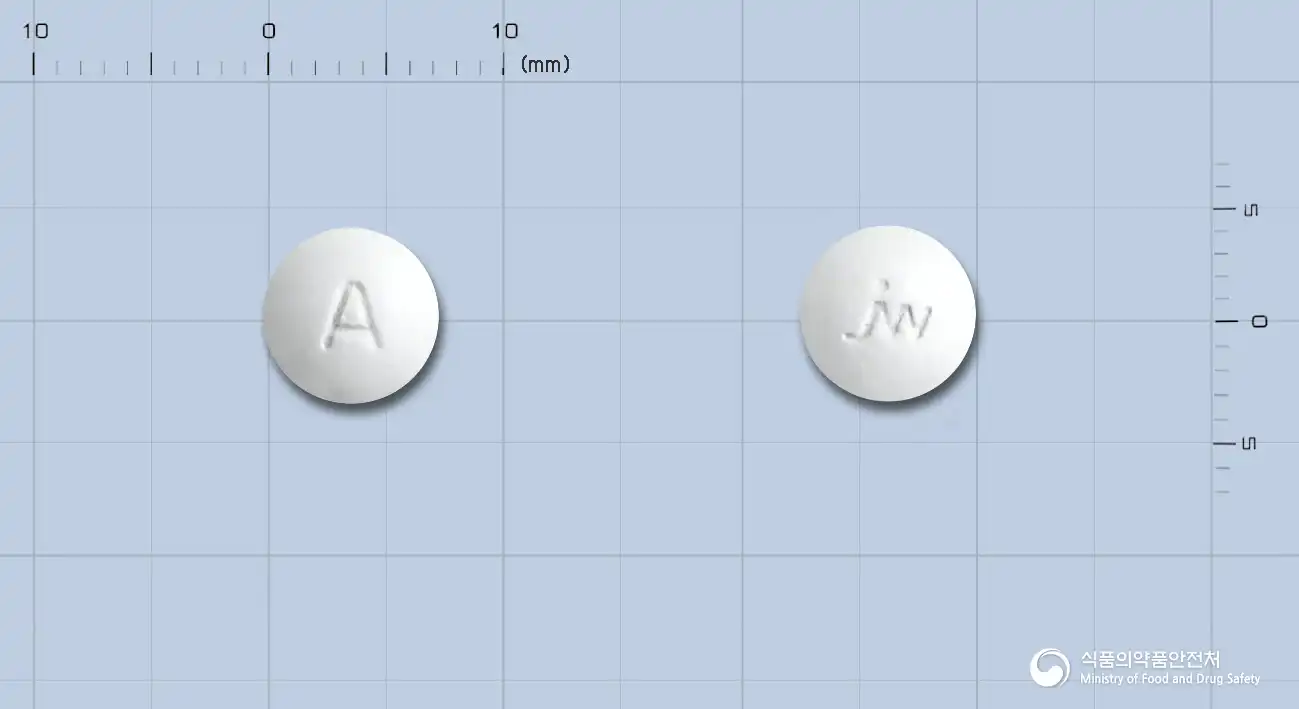
White film-coated tablet
300 tablets/bottle
Even with the same ingredient, strength, dosage form and how it is taken can differ.
Viewing nowCyclophosphamide 50mg
Tablet · Prescription medication
JW Pharmaceutical Corporation
Cyclophosphamide
Prescription medication
JW Pharmaceutical Corp.
Cyclophosphamide 534.5mg
Injections · Prescription medication
Bukwang Pharmaceutical Co., Ltd.
Even with the same ingredient, the dose and directions can differ by strength and dosage form. Talk to a doctor or pharmacist before switching from a medication you are already taking.
No questions yet.
For anything that needs medical judgment, consult a doctor or pharmacist.
This drug information is based on data provided by the Korea Ministry of Food and Drug Safety.
Consult a doctor or pharmacist for accurate dosage, administration, and usage instructions.