
 한국어
 English
 日本語
 中文(简体)
 Viewing now
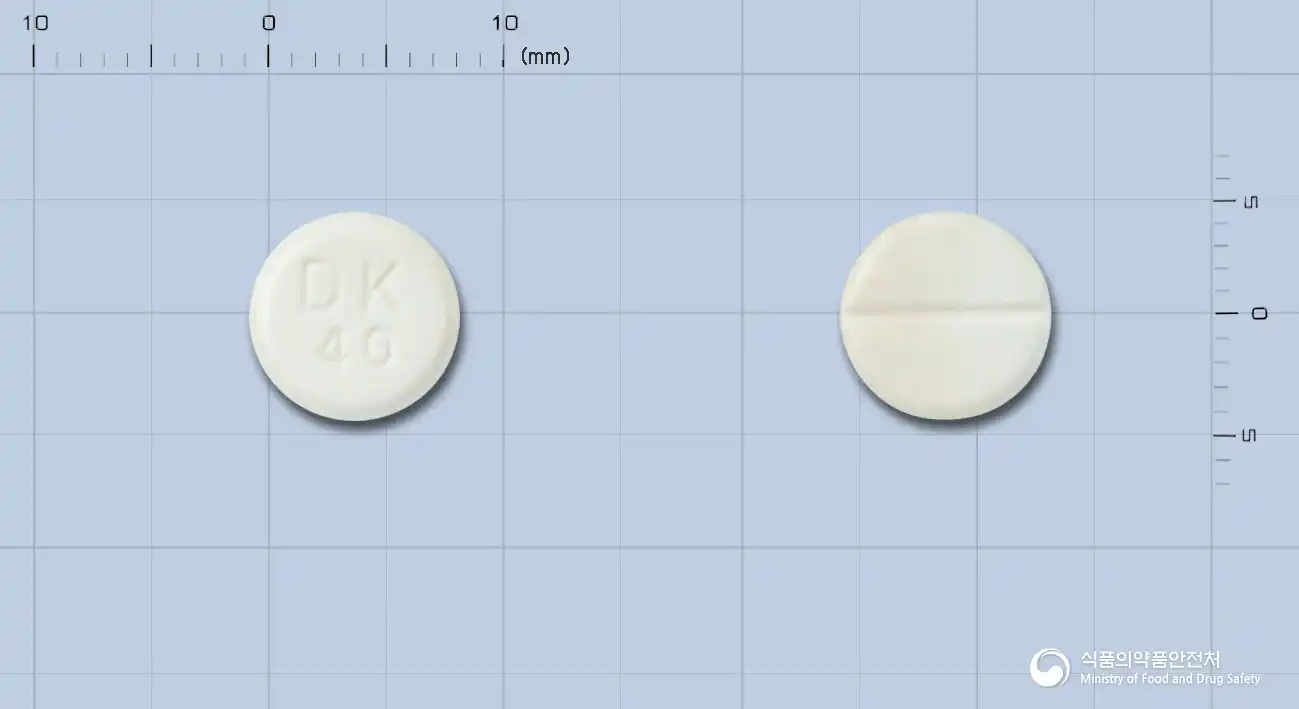
Indenol Tablet 40mg (Propranolol Hydrochloride)
Propranolol Hydrochloride 40mg
Tablet · Prescription medication
Dongkwang Pharmaceutical Co., Ltd.
MFDS item code 197600046 · Notified 1976.10.07 · Insurance code 645902480
Treatment of cardiovascular conditions (arrhythmia, etc.) and pheochromocytoma; adjunctive treatment of thyrotoxicosis
This medication is used to prevent arrhythmias such as ectopic beats and paroxysmal tachycardia, and to treat tachyarrhythmias including atrial fibrillation and paroxysmal atrial fibrillation. It also helps in the treatment of angina pectoris, hypertension, aortic stenosis, pheochromocytoma, and contributes to symptom relief in hyperthyroidism. This medication is effective in stabilizing heart rhythm and controlling blood pressure, assisting in improving cardiovascular health for patients.
1. Premature beats (supraventricular or ventricular), prevention of paroxysmal tachycardia, tachycardial atrial fibrillation, paroxysmal atrial fibrillation, and sinus tachycardia: Adults should take propranolol hydrochloride 10 ∼ 30 mg per dose orally 3 ∼ 4 times daily before meals and at bedtime. 2. Angina pectoris: Administer 80 ∼ 240 mg of this drug daily in 2 ∼ 4 divided doses. 3. Hypertension: The initial dose is 40 mg per dose twice daily; the dose may be increased if the effect is insufficient. The maintenance dose is 120 ∼ 240 mg daily. 4. Hypertrophic subaortic stenosis: Administer 20 ∼ 40 mg of this drug per dose 3 ∼ 4 times daily. 5. Pheochromocytoma (in combination with an alpha-blocker): Administer 60 mg daily in divided doses for 3 days before surgery. The maintenance dose is 30 mg daily. 6. Adjunctive treatment of thyrotoxicosis: Administer 10 ∼ 40 mg of this drug per dose 3 ∼ 4 times daily. Adjust the dose as appropriate according to symptoms.
This medication should not be used in certain patients. For example, individuals with an allergic reaction to this medication or those with respiratory diseases such as chronic obstructive pulmonary disease or bronchial asthma should not take it. Patients with diabetic ketoacidosis or metabolic acidosis, heart conduction abnormalities, cardiogenic shock, right heart failure due to pulmonary hypertension, and congestive heart failure may also face risks from using this medication. Additionally, patients with hypotension, significant peripheral circulation disorders, syndromes of impaired heart function, prolonged fasting, children, and pregnant or nursing women should not take this medication. This product contains lactose, so individuals with lactose intolerance or hereditary lactose digestion enzyme deficiency should avoid using it. Special caution is required for several patients when using this medication. Patients at risk of congestive heart failure should frequently monitor their condition, and diabetics should be vigilant about hypoglycemic symptoms. Patients with thyroid dysfunction, severe liver or kidney impairment, peripheral circulation disorders, elderly individuals, first-degree heart block patients, cirrhosis patients, and those with a history of psoriasis should also be administered this medication cautiously. While taking this medication, adverse reactions such as skin rash, itching, difficulty breathing, severe fatigue, bradycardia, hypotension may occur; if any of these symptoms appear, immediate consultation with healthcare providers is necessary. Digestive symptoms such as headaches, dizziness, drowsiness, insomnia, nausea, vomiting, constipation, or diarrhea may also occur. This medication may affect heart function, potentially slowing heart rate or lowering blood pressure; therefore, regular monitoring of blood pressure and heart rate is important. Diabetic patients should pay particular attention to blood sugar control, and sudden discontinuation of the medication may worsen symptoms of heart disease, so it should not be stopped arbitrarily without a doctor's instructions. Patients scheduled for surgery should inform healthcare providers about this medication, as it may interact with anesthesia, and it is advisable to gradually discontinue this medication. This medication may interact with other drugs, so if you are currently taking any other medications, be sure to inform your healthcare providers and proceed with caution when taking them together. Pregnant or nursing women are advised not to use this medication, and children or elderly patients should be observed more carefully when administered. In case of overdose, severe bradycardia, hypotension, heart failure, bronchospasm may occur, necessitating immediate emergency treatment. Lastly, this medication may affect the results of certain clinical tests, so it is important to inform healthcare providers about its use before undergoing any tests.
Erythematous rash, pharyngitis, fever accompanied by pain and sore throat, laryngospasm, precipitated or worsened congestive heart failure, bradycardia, orthostatic hypotension accompanied by syncope, peripheral arterial circulation disorders (Raynaud's phenomenon, intermittent claudication exacerbation), heart block, hypersensitivity in the chest, shortness of breath during exercise, discomfort in the chest, anxiety, headache, dizziness, staggering, drowsiness, insomnia, hallucinations, depression, nightmares, sleep disorders, fatigue, mood changes, sensory disturbances in the hands, psychosis, polydipsia, nausea, vomiting, loss of appetite, discomfort in the upper abdomen, abdominal cramps, constipation, diarrhea, agranulocytosis, thrombocytopenia, thrombocytopenic purpura, temporary limb coldness, rash, psoriasis, psoriasiform eruptions, systemic lupus erythematosus, blurred vision, decreased tear secretion, bronchospasm, dyspnea, wheezing, elevated ALT, elevated AST, elevated ALP, paralysis, hypoglycemia, weakness, fatigue, myalgia, reversible alopecia, elevated LDH, increased blood urea nitrogen, decreased blood glucose levels, increased ANA, myasthenic syndrome, worsening of myasthenia gravis
Not everyone experiences these, and they can vary from person to person.
This medication should be stored in a tightly closed container that can block light. This prevents the active ingredients from degrading due to light exposure, ensuring the safety and effectiveness of the medication.
White tablets
1000 tablets/bottle
Even with the same ingredient, strength, dosage form and how it is taken can differ.
Viewing nowPropranolol Hydrochloride 40mg
Tablet · Prescription medication
Dongkwang Pharmaceutical Co., Ltd.
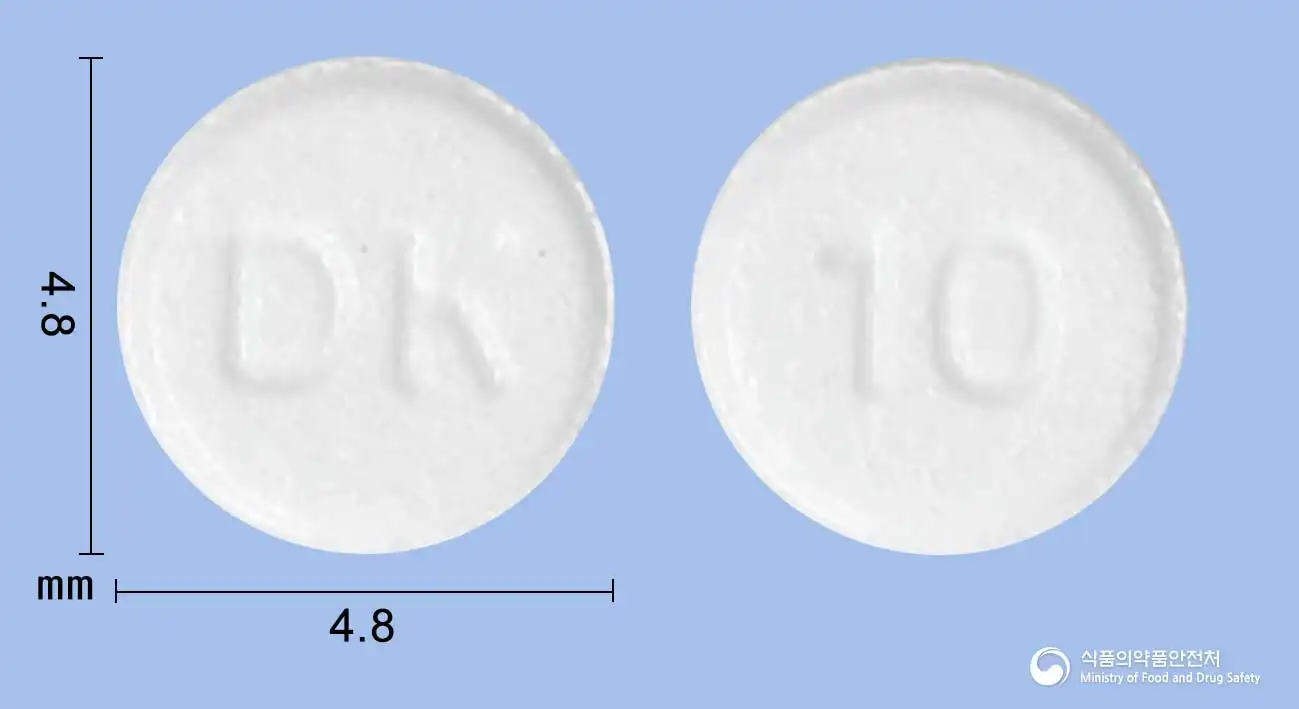
Propranolol Hydrochloride 10mg
Tablet · Prescription medication
Dongkwang Pharmaceutical Co., Ltd.
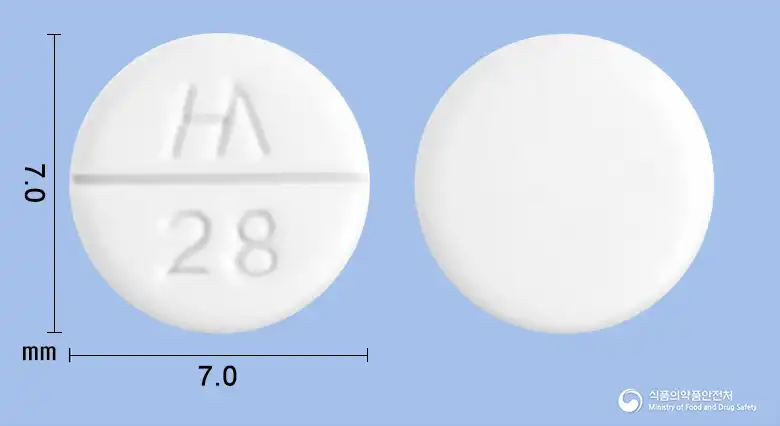
Propranolol Hydrochloride 40mg
Tablet · Prescription medication
Hanol Biopharma Co., Ltd.
Propranolol Hydrochloride 0.428g
Solution · Prescription medication
Hanmi Pharmaceutical Co., Ltd.
Even with the same ingredient, the dose and directions can differ by strength and dosage form. Talk to a doctor or pharmacist before switching from a medication you are already taking.
No questions yet.
For anything that needs medical judgment, consult a doctor or pharmacist.
This drug information is based on data provided by the Korea Ministry of Food and Drug Safety.
Consult a doctor or pharmacist for accurate dosage, administration, and usage instructions.