
 한국어
한국어 English
 日本語
日本語 中文(简体)
 Viewing now
Acilin Capsule 500 mg (Amoxicillin Hydrate)
Amoxicillin Hydrate
Hard capsule · Prescription medication
(Boryung Pharmaceutical Co., Ltd.)
MFDS item code 197500274 · Notified 1975.09.08 · Insurance code 641902950
Treatment of infections such as streptococcal infections
This medication is effective against various harmful bacteria, including streptococcus, pneumococcus, staphylococcus, gonococcus, influenza bacteria, Escherichia coli, and Proteus mirabilis. It is used for skin and soft tissue infections such as boils, abscesses, cellulitis, and impetigo, as well as upper respiratory tract infections such as tonsillitis, pharyngitis, otitis media, and sinusitis. Additionally, it is effective for lung-related infections like pneumonia, bronchitis, lung abscess, and empyema, as well as urinary tract infections such as pyelonephritis, cystitis, and urethritis. It is also applicable for internal organ infections like scarlet fever, peritonitis, liver abscess, and typhoid fever. It is useful in treating osteomyelitis and intrauterine infections. It is used for treating a variety of bacterial infections.
For adults and children weighing 20 kg or more, administer 250-500 mg (potency) of amoxicillin orally three times a day.
For children weighing less than 20 kg, administer 20-40 mg (potency) per kg of body weight divided into three doses daily.
This medication should not be used in certain patients. For example, patients who have previously experienced severe allergic reactions or shock due to this medication, patients with allergies to this medication or penicillins, patients with infectious mononucleosis, and patients with lymphocytic lymphoma should avoid administration. Additionally, caution should be exercised in some patients. For example, individuals with a history of allergy to cephalosporins or with a family history of allergies, patients with severely impaired kidney function, patients who have difficulty taking orally or are elderly, patients with heart failure, and patients with urinary tract defects or recurrent urinary tract infections require careful monitoring and dosage adjustments. This medication can cause various side effects, so patient status should be closely monitored during administration. Rarely, symptoms such as shock, allergic reactions, severe skin rashes, liver and kidney function abnormalities, gastrointestinal issues, blood abnormalities, and central nervous system symptoms may occur. If these symptoms appear, administration should be discontinued immediately, and appropriate treatment should be sought. When using this medication, it is important to administer it for only the necessary minimum duration to prevent the development of resistant bacteria, and it is advisable to conduct a skin reaction test to check for allergies before use. Additionally, after administration, it is necessary to prepare for emergency treatment in case of severe reactions like shock and to observe the patient closely. Caution should be exercised as secondary infections caused by fungi or other bacteria may occur, and adequate hydration and urine output should be ensured during high-dose administration. This medication may interact with other drugs, so care is needed when used in combination with certain medications. For example, using it with allopurinol may increase skin abnormal reactions, and concomitant use with oral contraceptives may reduce contraceptive effectiveness. Pregnant women or those who may become pregnant should carefully consider the benefits and risks when using this medication, and caution is also advised for breastfeeding women. When administering to children or the elderly, physical function and status should be closely monitored, and dosage and administration intervals should be adjusted accordingly. In particular, the elderly may have an increased risk of bleeding due to vitamin K deficiency. This medication may affect the results of some clinical tests, so this should be taken into consideration during testing. In cases of overdose, caution is necessary as it may damage the kidneys, and when used as an injection, intrathecal administration should not be performed and skin contact should be avoided.
Urticaria, shock, serum sickness-like reactions with urticaria, asthma attacks, severe allergic reactions, severe skin adverse reactions (Stevens-Johnson syndrome, toxic epidermal necrolysis), severe rash with fever, blisters, skin peeling, painful mucous membranes in the mouth/eyes, liver abnormalities (jaundice), jaundice, acute renal failure, significantly reduced urine output, severe generalized edema accompanied by increased blood pressure, severe swelling or urination abnormalities, serious neurological symptoms
Oral discomfort, wheezing, dizziness, stool changes, tinnitus, fever, rash, serum sickness-like reactions (arthritis, arthralgia, myalgia), hypersensitivity vasculitis, erythema multiforme, nausea, vomiting, abdominal pain, frequent diarrhea, eosinophilia, agranulocytosis, erythrocytopenia, thrombocytopenia, anemia, thrombocytopenic purpura, leukopenia, prolonged prothrombin time, reversible hyperactivity, agitation, anxiety, insomnia, confusion, behavior changes, extrapyramidal symptoms
Not everyone experiences these, and they can vary from person to person.
This medication must be stored in a tightly sealed container to prevent air and moisture from entering, and it is advisable to keep it away from direct sunlight and store it at room temperature. Storing at a typical room temperature, which is neither too warm nor too cold, helps maintain the efficacy of the medication.
Capsule formulation, red upper part, pink lower part
30 capsules/bottle, 500 capsules/bottle
Even with the same ingredient, strength, dosage form and how it is taken can differ.
Viewing nowAmoxicillin Hydrate
Hard capsule · Prescription medication
(Boryung Pharmaceutical Co., Ltd.)

Amoxicillin Hydrate 250mg
Hard capsule · Prescription medication
Yuhan Corporation

Amoxicillin Hydrate 250mg
Hard capsule · Prescription medication
Dongwha Pharmaceutical Co., Ltd.

Amoxicillin Hydrate
Hard capsule · Prescription medication
(Company) Boryung
Amoxicillin Hydrate 3.23g
Syrup · Prescription medication
Donghwa Pharmaceutical Co., Ltd.
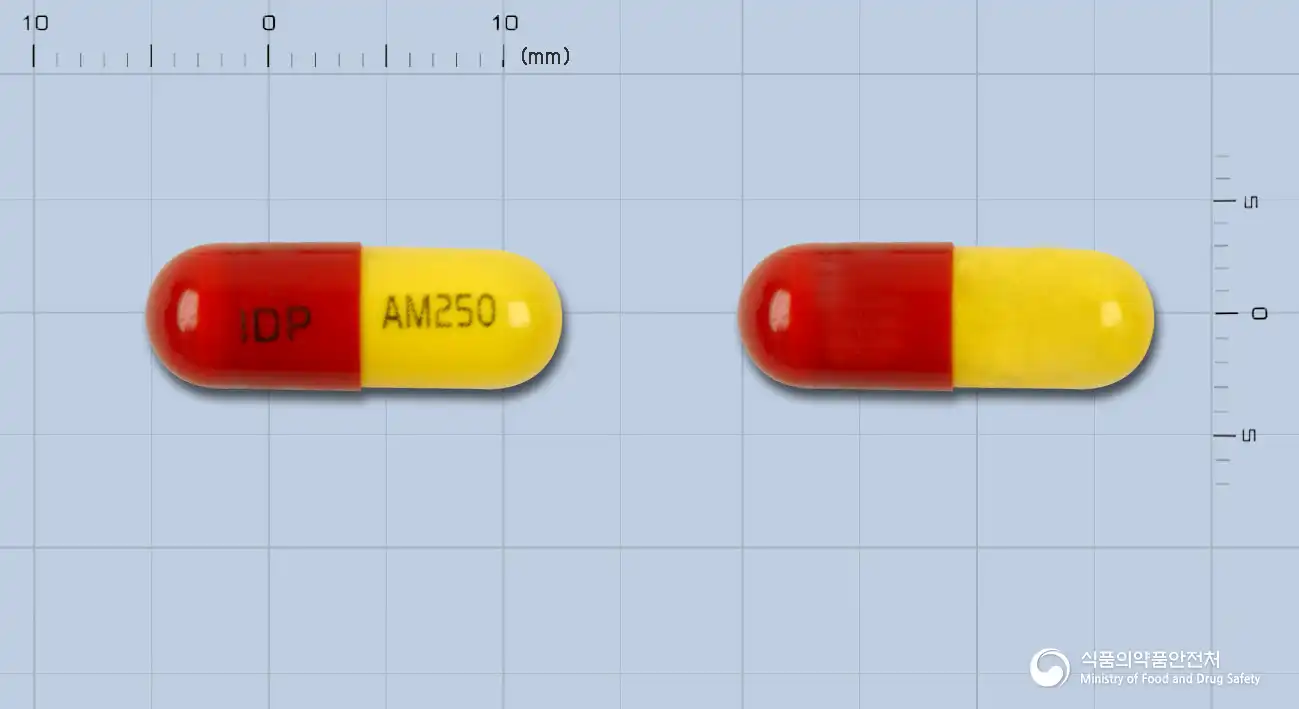
Amoxicillin Hydrate 250mg
Hard capsule · Prescription medication
Ildong Pharmaceutical Co., Ltd.
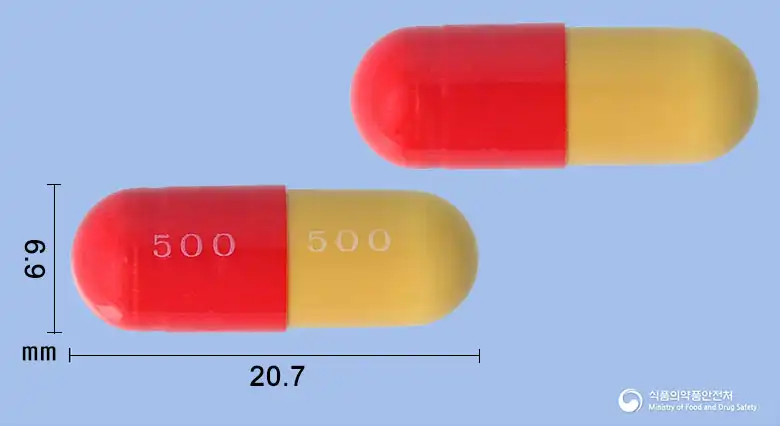
Amoxicillin Hydrate 500mg
Hard capsule · Prescription medication
Jongkundang Co., Ltd.
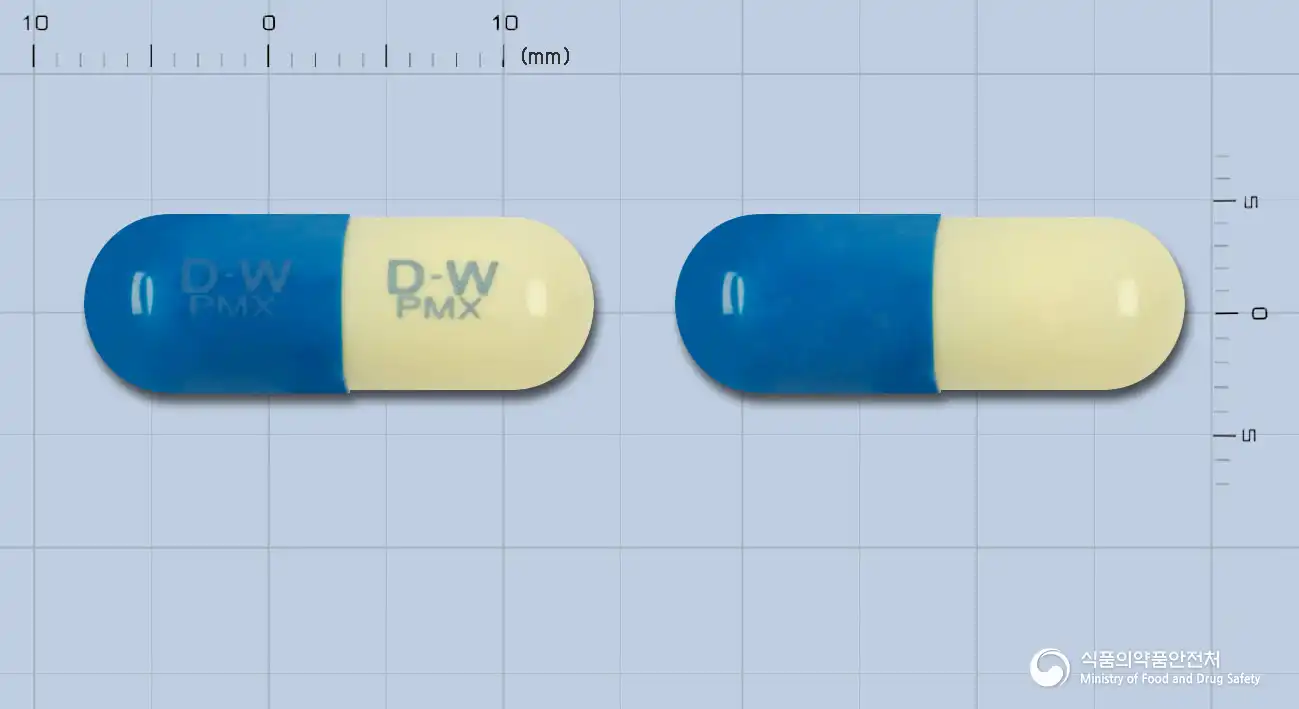
Amoxicillin Hydrate 500mg
Hard capsule · Prescription medication
Dongwha Pharmaceutical Co., Ltd.
Even with the same ingredient, the dose and directions can differ by strength and dosage form. Talk to a doctor or pharmacist before switching from a medication you are already taking.
No questions yet.
For anything that needs medical judgment, consult a doctor or pharmacist.
This drug information is based on data provided by the Korea Ministry of Food and Drug Safety.
Consult a doctor or pharmacist for accurate dosage, administration, and usage instructions.