
 한국어
한국어 English
 日本語
日本語 中文(简体)
 Viewing now
Pamoxin Capsule 250 mg (Amoxicillin Hydrate)
Amoxicillin Hydrate 250mg
Hard capsule · Prescription medication
Dongwha Pharmaceutical Co., Ltd.
MFDS item code 197500185 · Notified 1975.09.08 · Insurance code 642703350
Treatment of infections such as streptococcal infections
This medication is primarily effective against a variety of bacterial infections including streptococcus, pneumococcus, and staphylococcus. It is used for the treatment of skin and soft tissue infections like boils and abscesses, and also applies to respiratory infections such as tonsillitis and otitis media. Additionally, it plays a crucial role in treating lung-related infections like pneumonia and bronchitis, as well as urinary tract infections such as pyelonephritis and cystitis. It is also effective against various bacterial diseases such as scarlet fever, peritonitis, osteomyelitis, and intrauterine infections. This drug is utilized for the prevention and treatment of secondary infections following surgery. In summary, it is widely used for a range of bacterial infectious diseases.
Administer amoxicillin orally at a dose of 250–500 mg (potency) three times a day.
For children weighing over 20 kg, administer amoxicillin orally at a dose of 250–500 mg (potency) three times a day. For children weighing less than 20 kg, administer 20–40 mg (potency) per kg of body weight three times a day.
This medication should not be used in patients with a history of specific allergic reactions. In particular, those who have had hypersensitivity reactions to this drug or to penicillin antibiotics should avoid administration. It is also advisable not to administer this drug to patients with infectious mononucleosis. Those who are prone to allergic reactions, have had hypersensitivity to cephalosporin antibiotics, have severe renal impairment, elderly patients, or those in poor general condition should use this medication cautiously. This drug contains a dye called Yellow No. 5, and individuals allergic or sensitive to this component should exercise caution. During administration, serious allergic reactions or shock may occur rarely; thus, the patient's condition should be closely monitored, and if symptoms such as discomfort, dizziness, or shortness of breath appear, use should be discontinued immediately. If allergic symptoms like fever, rash, or urticaria appear, or if joint pain or muscle aches occur, the medication should be stopped and medical consultation should be sought. Gastrointestinal symptoms such as nausea, vomiting, abdominal pain, and diarrhea may occur, and in severe cases, colitis can develop, so any abnormal symptoms should be reported immediately. Blood-related issues may rarely lead to decreased blood cell counts or coagulation disorders, and symptoms should be reported to healthcare professionals. Central nervous system effects may lead to anxiety, restlessness, insomnia, or confusion, and in severe cases, aseptic meningitis symptoms may manifest, requiring caution. Skin may experience itching or severe dermatitis, and rare severe skin reactions like Stevens-Johnson syndrome may occur, thus skin condition should be closely monitored. Liver dysfunction or acute renal failure may occur rarely, so regular checkups are needed. When using this medication, care should be taken to prevent secondary infections, and if symptoms of stomatitis or colitis occur, immediate treatment should be provided. Adequate hydration during high-dose administration is essential to prevent kidney damage. Additionally, this medication may interact with other drugs, so if taking allopurinol, probenecid, oral contraceptives, specific antibiotics, anti-inflammatory drugs, methotrexate, etc., it is critical to inform healthcare providers. Pregnant women or those who may become pregnant should consider the risks and benefits of using this medication carefully, as its use may not be safe. Caution is also required for breastfeeding women as this medication may transfer into breast milk. Safety in children, particularly in low-birth-weight infants or neonates, has not been established, thus use should be approached with caution. Elderly patients may experience abnormal reactions more easily due to diminished physiological function, and there may be an increased tendency for bleeding, so dosage and administration intervals should be adjusted and monitored carefully. Finally, overdosing on this medication can result in serious side effects, such as renal failure, so it is crucial to adhere to the recommended dosage and seek immediate medical attention if abnormal symptoms arise.
Urticaria, severe swelling (edema), chest tightness, difficulty breathing, cold sweat, pallor, shock, serum sickness-like reaction, hypersensitivity vasculitis, erythema multiforme, interstitial nephritis, pseudomembranous colitis, severe colitis associated with bloody stools, agranulocytosis, thrombocytopenic purpura, aseptic meningitis, Stevens-Johnson syndrome, toxic epidermal necrolysis, DRESS, fever, headache, erythema and blistering of the skin and mucous membranes, pustules, skin tension
Not everyone experiences these, and they can vary from person to person.
This drug may be sensitive to air and moisture, so it must be stored in a tightly sealed container. The storage temperature should be maintained at room temperature between 1 and 30 degrees.
Brown capsules with white to light yellow powder or granules inside
30 capsules/bottle, 500 capsules/bottle, 1000 capsules/bottle
Even with the same ingredient, strength, dosage form and how it is taken can differ.
Viewing nowAmoxicillin Hydrate 250mg
Hard capsule · Prescription medication
Dongwha Pharmaceutical Co., Ltd.

Amoxicillin Hydrate 250mg
Hard capsule · Prescription medication
Yuhan Corporation

Amoxicillin Hydrate
Hard capsule · Prescription medication
(Company) Boryung

Amoxicillin Hydrate
Hard capsule · Prescription medication
(Boryung Pharmaceutical Co., Ltd.)
Amoxicillin Hydrate 3.23g
Syrup · Prescription medication
Donghwa Pharmaceutical Co., Ltd.
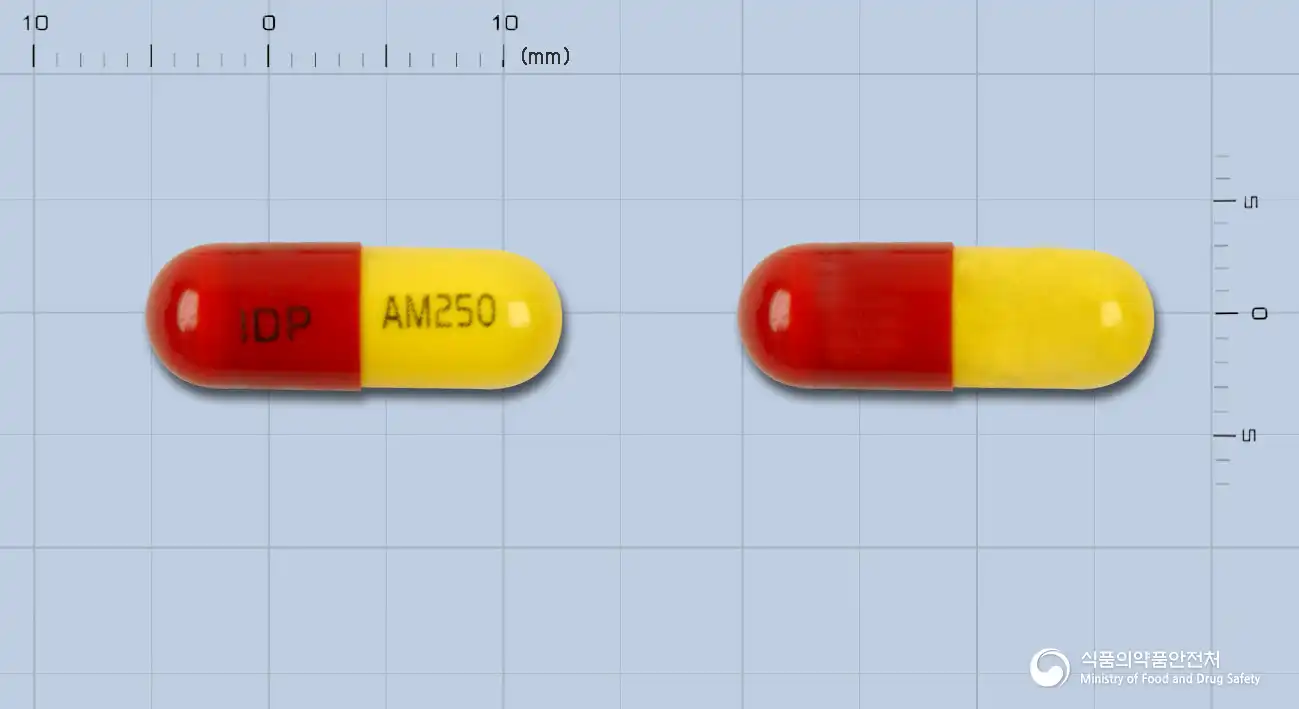
Amoxicillin Hydrate 250mg
Hard capsule · Prescription medication
Ildong Pharmaceutical Co., Ltd.
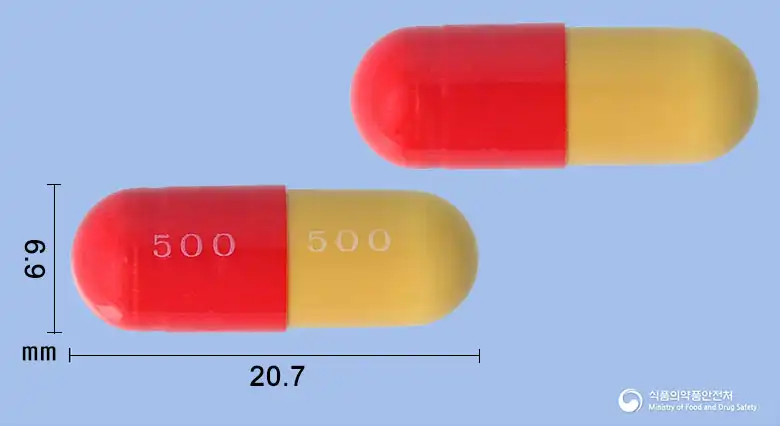
Amoxicillin Hydrate 500mg
Hard capsule · Prescription medication
Jongkundang Co., Ltd.
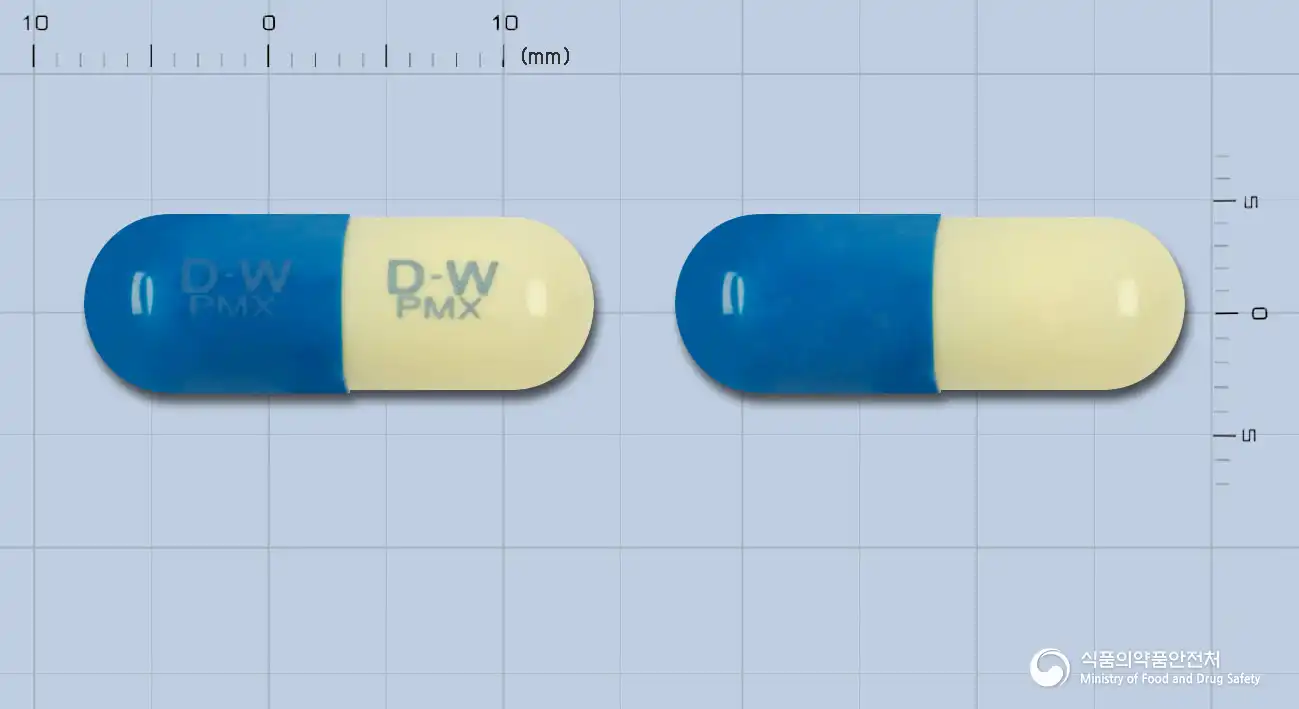
Amoxicillin Hydrate 500mg
Hard capsule · Prescription medication
Dongwha Pharmaceutical Co., Ltd.
Even with the same ingredient, the dose and directions can differ by strength and dosage form. Talk to a doctor or pharmacist before switching from a medication you are already taking.
No questions yet.
For anything that needs medical judgment, consult a doctor or pharmacist.
This drug information is based on data provided by the Korea Ministry of Food and Drug Safety.
Consult a doctor or pharmacist for accurate dosage, administration, and usage instructions.