
 한국어
 English
 日本語
 中文(简体)
 Viewing now
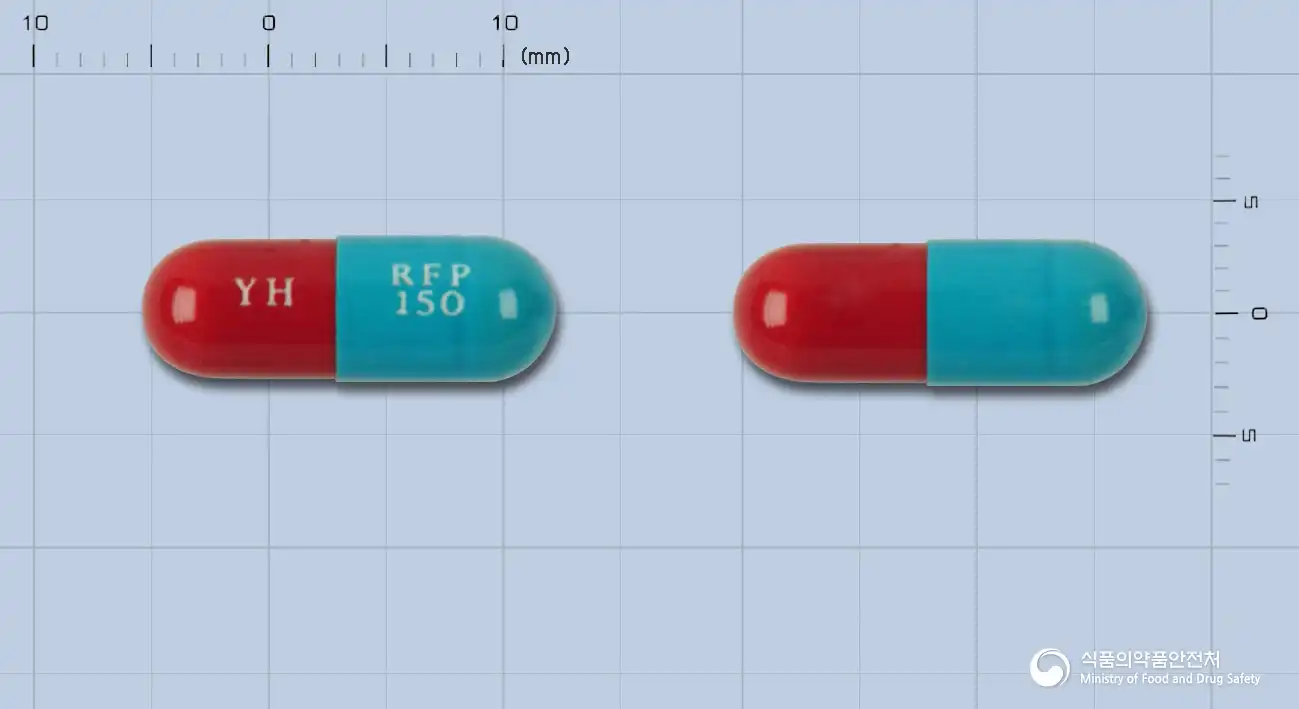
Rifampicin Capsule 150mg (Rifampicin)
Rifampicin 150mg
Hard capsule · Prescription medication
Yuhansangyo Co., Ltd.
MFDS item code 197300084 · Notified 1973.06.11 · Insurance code 642100420
Treatment of tuberculosis and asymptomatic meningococcal carriers
This medication is effective against tuberculosis bacillus and meningococci, and is used to treat tuberculosis patients and asymptomatic carriers of meningococci.
1. Tuberculosis Adults: Administer 450~600mg (potency) of rifampicin orally once daily. A dose of 450mg is recommended for patients weighing 50Kg or less, and 600mg for those weighing 50Kg or more. As a rule, administer in combination with other antituberculosis drugs. 2. Asymptomatic meningococcal carriers Adults: Administer 600mg (potency) of rifampicin orally twice daily for 2 days. It is preferable to take with plenty of water 1 hour before or 2 hours after a meal. Adjust the dose as appropriate according to age and symptoms.
1. Tuberculosis Children: Administer 10~20mg (potency) per Kg of body weight orally once daily. Do not exceed 600mg (potency) per day. Age 5 years or younger: Use with caution, as the dose has not been established. 2. Asymptomatic meningococcal carriers Infants and children (1~12 years): Administer 10mg (potency) per Kg of body weight per dose orally twice daily for 2 days. Infants (3~12 months): Administer 5 mg (potency) per Kg of body weight per dose orally twice daily for 2 days.
This medication can cause serious systemic hypersensitivity reactions upon administration. Various symptoms such as fever, rash, urticaria, angioedema, hypotension, and respiratory distress may occur, so careful observation is necessary. Serious skin reactions may particularly appear, and if such symptoms occur, administration should be stopped immediately, and appropriate treatment should be sought. It should not be administered to patients with biliary obstruction or severe liver dysfunction, and to those who have previously shown hypersensitivity to this drug's components. Additionally, patients taking certain antiviral agents, premature infants or neonates, and genetically lactose intolerant patients are also prohibited from using this medication. When doses are given intermittently or restarted after discontinuation, allergic reactions may more readily occur, so caution must be exercised in these situations. This medication may cause neurological side effects such as mental agitation, headache, drowsiness, and fatigue, and may also induce gastrointestinal symptoms like nausea, vomiting, and diarrhea. Blood abnormalities such as thrombocytopenia or leukopenia may occur, necessitating regular blood tests. Symptoms such as skin rash, itching, and eye redness may also occur, so careful observation is essential. As this medication can affect liver and kidney functions, regular function tests are necessary, and treatment should be discontinued immediately upon any signs of abnormality. Toxicity in the respiratory system can lead to severe problems such as pneumonia or pulmonary fibrosis, so if symptoms of respiratory distress occur, immediate notification and treatment are required. This medication has many drug interactions, requiring caution when used in combination, particularly as it can reduce the effectiveness of oral contraceptives, necessitating consideration of additional contraceptive measures. Women who are pregnant or may become pregnant are advised to avoid using this medication, and nursing mothers should consult a doctor before deciding on its use. In the event of overdose, symptoms such as vomiting, liver dysfunction, and heart problems may arise, necessitating immediate emergency treatment. This medication may stain bodily fluids, teeth, and soft contact lenses red, so care should be taken during use. Finally, if symptoms such as rash, fever, respiratory distress, or jaundice occur during the use of this medication, medical personnel should be informed immediately.
Not everyone experiences these, and they can vary from person to person.
This medication must be stored in a tightly closed container to prevent air or moisture ingress. Furthermore, it is recommended to store it away from direct sunlight and in a cool room temperature. It should be kept in a dry place, avoiding humid areas to maintain the drug's efficacy.
A red powder filled in a blue upper and red lower capsule.
500 capsules per bottle
Even with the same ingredient, strength, dosage form and how it is taken can differ.
Viewing nowRifampicin 150mg
Hard capsule · Prescription medication
Yuhansangyo Co., Ltd.
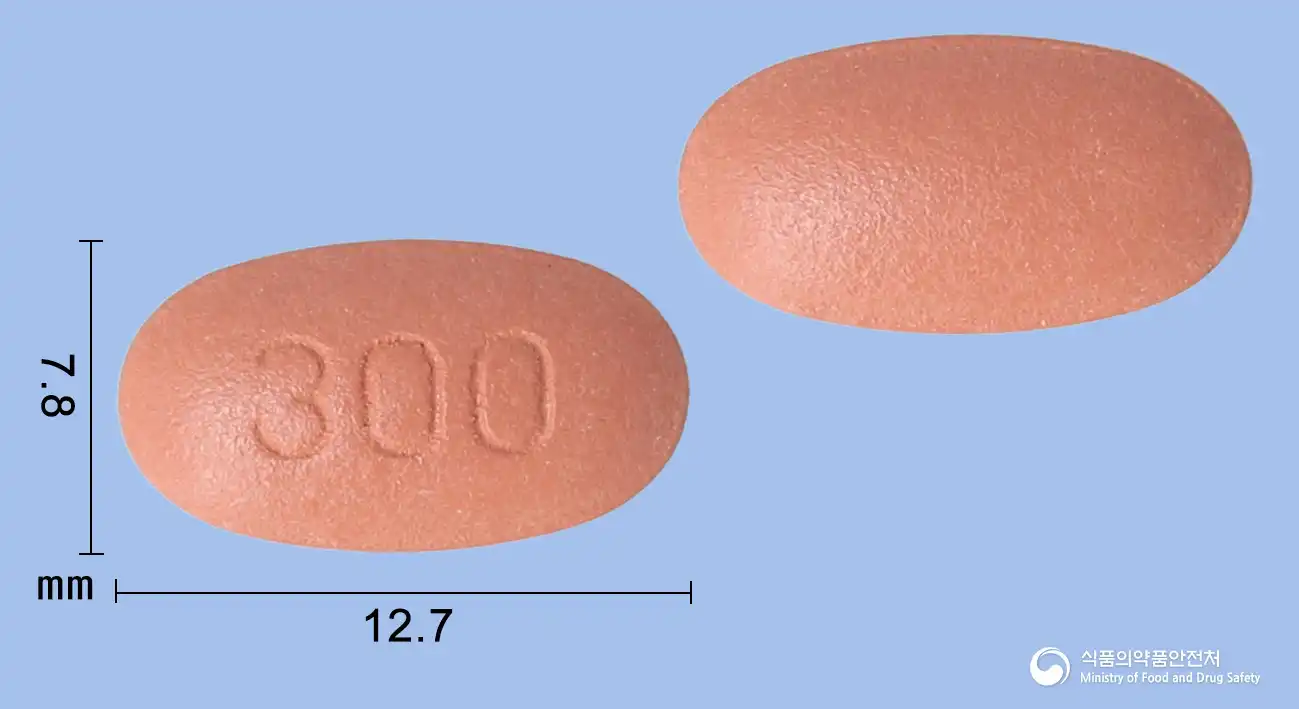
Rifampicin 300mg
Tablet · Prescription medication
Jongkundang Co., Ltd.
Rifampicin 600mg
Prescription medication
Yuhan Corporation
Even with the same ingredient, the dose and directions can differ by strength and dosage form. Talk to a doctor or pharmacist before switching from a medication you are already taking.
No questions yet.
For anything that needs medical judgment, consult a doctor or pharmacist.
This drug information is based on data provided by the Korea Ministry of Food and Drug Safety.
Consult a doctor or pharmacist for accurate dosage, administration, and usage instructions.