
 한국어
 English
 日本語
 中文(简体)
 Viewing now
Enafon 10 mg Tablet (Amitriptyline Hydrochloride)
Amitriptyline Hydrochloride 10mg
Tablet · Prescription medication
Hanhin Pharmaceutical Co., Ltd.
MFDS item code 197000079 · Notified 1970.02.20 · Insurance code 657200500
Treatment of depression, depressive states, and bed-wetting
1. This medication is used for depression and depressive states. 2. This medication is used for nocturnal enuresis.
Adults: Administer 30-75㎎ of amitriptyline hydrochloride orally in 2-3 divided doses daily, gradually increasing to 150㎎ daily if necessary. In rare cases, the dose may be increased to 300㎎ daily. For nocturnal enuresis, administer 10-30㎎ daily at bedtime. The dose may be adjusted appropriately according to age and symptoms.
This medication is primarily used to treat psychiatric conditions such as depression. This medication can increase the risk of suicidal thoughts or behaviors, especially in young individuals aged 18 to 24, so careful monitoring and caution are advised when administering to patients in this age group. This medication should not be used in certain patients, such as those with allergies to this drug, individuals with heart disease or those recovering, patients with glaucoma, individuals addicted to central nervous system depressants or alcohol, patients with acute delirium, those with urinary disorders, individuals with arrhythmia, those with cerebral damage, and patients with specific genetic disorders. Additionally, special caution is required when administering this medication to patients with a history of epilepsy or seizures, those with heart disease, patients with hyperthyroidism, women of childbearing potential, children and the elderly, individuals with psychotic symptoms, those with bipolar disorder, and patients with liver dysfunction. Serious side effects may occur while taking this medication, so if any unusual symptoms (e.g., high fever, muscle rigidity, changes in consciousness, heart irregularities, skin rashes, etc.) appear, inform healthcare professionals immediately. In the initial phase of treatment, drowsiness and decreased concentration may occur, and it is advisable to avoid driving or operating hazardous machinery. This medication may interact with others, so it is crucial to consult with a doctor, especially when taking it alongside MAO inhibitors, alcohol, certain antibiotics, and heart-related medications. Women who are pregnant or breastfeeding should consult with a doctor before taking this medication, and it is advised to avoid using it during breastfeeding. The safety and efficacy of this medication have not been adequately established in children and adolescents, so its use is not recommended except in special cases. In the elderly, side effects such as hypertension, dry mouth, and urinary difficulty may manifest more readily, so it is important to start with a low dose and use it cautiously. Lastly, this medication should be kept out of the reach of children, and it is safer not to transfer it to other containers.
Exercise paralysis, severe muscle rigidity, dysphagia, tachycardia, blood pressure changes, sweating, fever, leukocytosis, elevated serum CPK, myoglobinuria, renal function deterioration, high fever, altered consciousness, respiratory distress, vascular collapse, signs of dehydration, acute renal failure, hyponatremia, hypotonemic dehydration, increased urinary sodium excretion, high urine output, convulsions, coma, intestinal obstruction, decreased appetite, nausea, vomiting, significant constipation, abdominal distension, intestinal content stasis, myocardial infarction, stroke, syncope, hypotension, hypertension, tachycardia, bradycardia, palpitations, prolonged QT interval, arrhythmia, heart block, heart attack, abnormal ECG, allergic vasculitis, increased suicidal tendencies, coma, concentration difficulties, disorientation, delusions, hallucinations, nonsensical speech, mental confusion, agitation, anxiety, insomnia, nightmares, paralysis, tinnitus, sensory disturbances in limbs, peripheral neuropathy, ataxia, convulsive seizures, tremors, bradykinetic movement disorders, headache, fatigue, drowsiness, dysarthria, EEG changes, restlessness, thirst, dysuria, accommodation disorder, increased intraocular pressure, constipation, sweating, frequent urination, mydriasis, unusual high fever, rash, urticaria, facial edema, lingual edema, photosensitivity, agranulocytosis, leukopenia, purpura, thrombocytopenia, eosinophilia, nausea, diarrhea, taste disturbances, upper abdominal disorders, stomatitis, parotid gland swelling, black tongue, testicular swelling, gynecomastia, breast enlargement, galactorrhea, decreased libido, increased libido, hypoglycemia, hyperglycemia, sexual dysfunction, hepatitis, jaundice, elevated ALT, elevated AST, fractures, systemic symptoms, drug reaction with eosinophilia and systemic symptoms (DRESS), dizziness, weakness, weight gain, weight loss, alopecia, involuntary movements
Not everyone experiences these, and they can vary from person to person.
This medication is sensitive to air and moisture, so it must be stored in a tightly sealed container. The storage temperature should be maintained between 1 degree and 30 degrees Celsius at room temperature to preserve its efficacy for a longer duration.
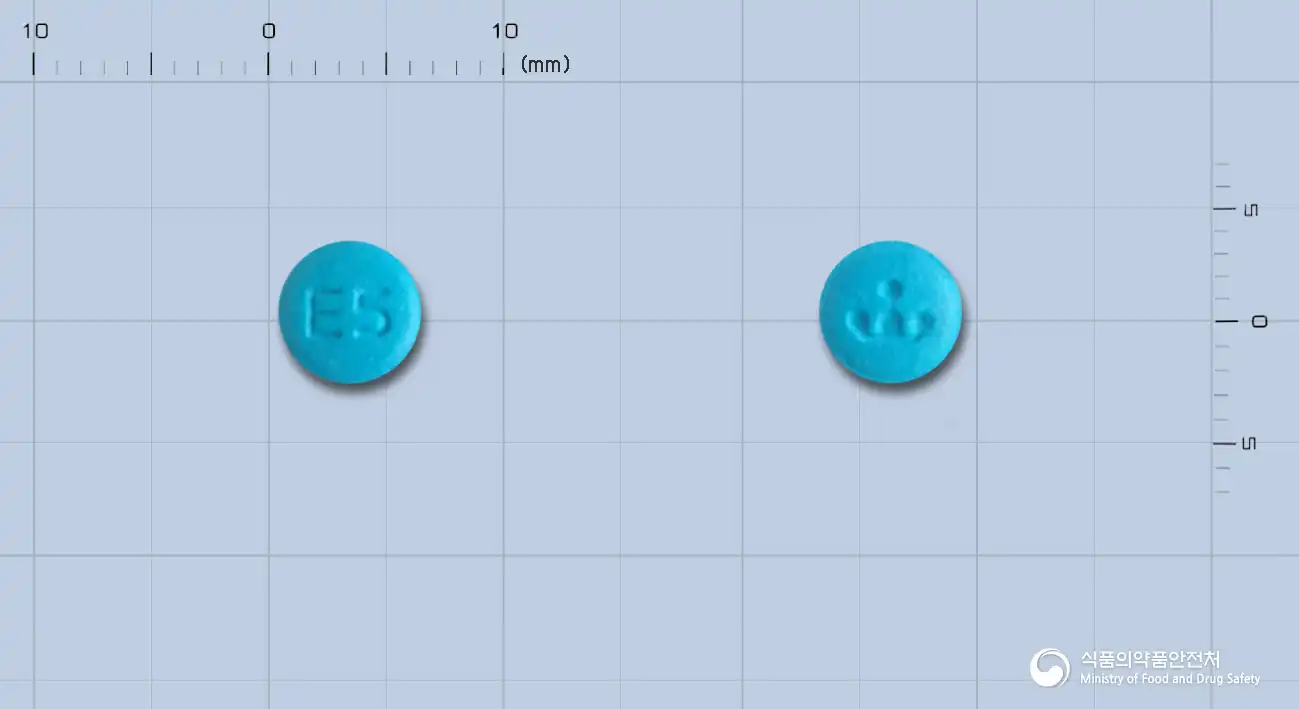
Blue round film-coated tablet
200 tablets/bottle, 1000 tablets/bottle
Even with the same ingredient, strength, dosage form and how it is taken can differ.
Viewing nowAmitriptyline Hydrochloride 10mg
Tablet · Prescription medication
Hanhin Pharmaceutical Co., Ltd.

Amitriptyline Hydrochloride 10mg
Tablet · Prescription medication
Dongwha Pharmaceutical Co., Ltd.

Amitriptyline Hydrochloride 25mg
Tablet · Prescription medication
Dongwha Pharmaceutical Co., Ltd.

Amitriptyline Hydrochloride 10mg
Tablet · Prescription medication
Myungin Pharmaceutical Co., Ltd.
Amitriptyline Hydrochloride 5mg
Tablet · Prescription medication
Hanlin Pharmaceutical Co., Ltd.
Even with the same ingredient, the dose and directions can differ by strength and dosage form. Talk to a doctor or pharmacist before switching from a medication you are already taking.
No questions yet.
For anything that needs medical judgment, consult a doctor or pharmacist.
This drug information is based on data provided by the Korea Ministry of Food and Drug Safety.
Consult a doctor or pharmacist for accurate dosage, administration, and usage instructions.