
 한국어
한국어 English
 日本語
日本語 中文(简体)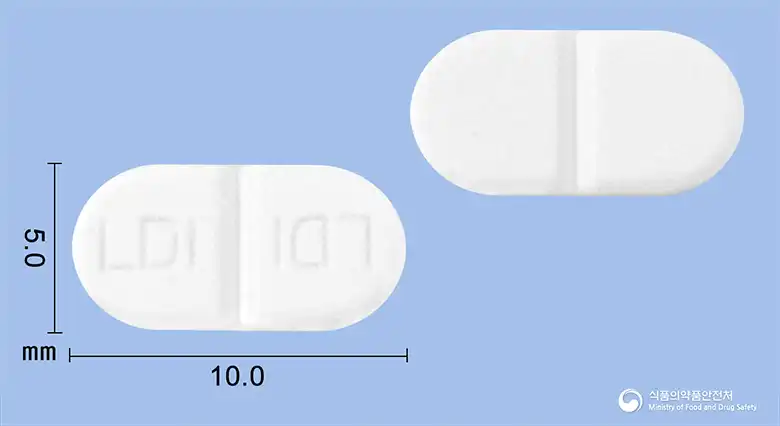
Summary
- Main use
- Improvement of blood sugar control in type 2 diabetes
- Who takes it
- Adults
- Adult dose
- The recommended starting dose for glibenclamide tablets is typically 2.5 mg per day for adults. The dose can be increased by 2.5 mg at weekly intervals until optimal blood sugar control is achieved. Patients sensitive to antihyperglycemic agents may start at 1.25 mg per day. The total daily dose should not exceed 15 mg, with doses of 10 mg or less taken as a single dose, and higher doses divided into two oral administrations. A single daily dose should be taken after breakfast, while the divided doses should be taken after breakfast and dinner.
Ingredients
- Manufacturer
- (주)한독
Efficacy & effects
Improvement of blood sugar control in type 2 diabetes
View approved original textHide original text
This medication is used for patients with type 2 diabetes who have difficulty controlling blood sugar levels with diet and exercise alone. It effectively lowers blood sugar levels, helps in blood sugar control, and contributes to reducing the risk of complications. Continuous intake along with lifestyle improvements may yield even better results.
How to take
Adult dose
The recommended starting dose for glibenclamide tablets is typically 2.5 mg per day for adults. The dose can be increased by 2.5 mg at weekly intervals until optimal blood sugar control is achieved. Patients sensitive to antihyperglycemic agents may start at 1.25 mg per day. The total daily dose should not exceed 15 mg, with doses of 10 mg or less taken as a single dose, and higher doses divided into two oral administrations. A single daily dose should be taken after breakfast, while the divided doses should be taken after breakfast and dinner.
Precautions
This drug can cause severe delayed hypoglycemia, so the prescribed dosage and administration must be strictly adhered to when taking the medication. Particularly, patients with cardiovascular disease may face increased heart-related risks, so caution is required. Patients with severe ketosis, diabetic coma, type 1 diabetes, or severe liver, kidney, or adrenal dysfunction should not take this medication. Additionally, it is safer to avoid use in cases of severe infections, trauma, pre-and post-surgery patients, or those with severe gastrointestinal disorders. Individuals who have had hypersensitivity reactions to this medication, pregnant or nursing women, and patients taking specific medications should also avoid this drug. Patients with impaired liver or kidney function, poor nutritional status, those engaging in intense physical activity, individuals who consume excessive alcohol, and the elderly should use this medication cautiously. This drug can cause symptoms of hypoglycemia, which may include lethargy, severe hunger, sweating, palpitations, tremors, headaches, anxiety, and mental confusion. In severe cases of hypoglycemia, consciousness disturbances or seizures may occur, so caution is warranted. Various side effects such as blood abnormalities, liver dysfunction, gastrointestinal disorders, skin rashes, and allergic reactions can occur, so if any unusual symptoms arise, immediate consultation with a physician is necessary. This medication is used only for patients diagnosed with diabetes and should be considered when blood sugar control is difficult even after diet and exercise interventions. During treatment, blood sugar and urine tests should be used to check effectiveness and adjust dosage as needed. Due to the risk of hypoglycemia, special caution should be taken when driving or working at heights, and patients and families should be adequately informed about hypoglycemia prevention and responses. This drug may interact when used with other antihyperglycemic agents; therefore, it's essential to notify a doctor of any other medications being taken. Pregnant or nursing women should not take this medication as it may affect the fetus or newborn. Safety in pediatric patients has not been established, so use is not recommended. Elderly patients are at increased risk of hypoglycemia due to decreased physical function, so treatment should start with a lower dose, and regular monitoring of their condition is essential. In cases of overdose, symptoms of hypoglycemia may appear, and if symptoms are severe, immediate emergency treatment such as intravenous glucose administration should be sought. Careful monitoring for 1-2 days post-treatment is required, as hypoglycemia may recur.
Side effects and when to seek care immediately
Serious side effects
- Urticaria
- severe swelling (edema)
- hypotension
- dyspnea
- shock
- cholestatic jaundice
- hepatitis.
Mild side effects
- Lethargy
- severe hunger
- sweating
- palpitations
- tremors
- headaches
- sensory disturbances
- anxiety
- agitation
- irritability
Show 23 moreCollapse
- decreased concentration
- mental disorders
- consciousness disturbances
- seizures
- elevated AST
- elevated ALT
- liver dysfunction
- abdominal pain
- fullness
- nausea
- upper abdominal bloating
- heartburn
- chest discomfort
- loss of appetite
- diarrhea
- constipation
- erythema
- itching
- polymorphic or papular rash
- delayed skin porphyrin disease
- photosensitivity reactions
- mild diuretic action
- hypersensitivity.
Not everyone experiences these, and they can vary from person to person.
Storage
This medication should be stored in a tightly sealed container to protect it from air and moisture, and it is important to keep it away from direct sunlight and store it at room temperature. This helps maintain the medication's effectiveness and prevent degradation.
Appearance and packaging
Appearance
Oblong white tablet
Package unit
100 tablets/bottle, 100 tablets (10 tablets/PTP x 10)
Questions about this medicine
No questions yet.
For anything that needs medical judgment, consult a doctor or pharmacist.