
 한국어
 English
 日本語
 中文(简体)
Dosage form image
Viewing nowLasix Injection (Furosemide)
Furosemide 20mg
Solution · Prescription medication
(Hankook) Handok
MFDS item code 196400036 · Notified 1964.06.30 · Insurance code 652100211
Treatment of edema (e.g., acute pulmonary edema and cardiac edema) and hypertension
This medication is used to improve serious conditions such as hypertension, edema due to heart, kidney, or liver diseases, and acute pulmonary edema. It stabilizes blood pressure in both oral and injectable forms and reduces excess fluid accumulation in the body, alleviating symptoms. It is particularly effective for edema caused by heart failure or kidney issues and also aids in the treatment of acute pulmonary edema. Depending on the patient's condition, appropriate administration form and dosage will be selected to ensure safe management. This medicine is widely used to improve symptoms related to cardiovascular and kidney diseases.
(Oral: tablets) 1. Adults: Administer 20-80㎎ of furosemide orally once daily, every day or every other day. If the effect is insufficient, increase the dose by 20-40㎎ every 6-8 hours and administer 1-2 times per day. In severe cases, up to 600㎎ per day may be administered. For hypertension, administer 80㎎ per day in 2 divided doses. If the effect is insufficient, administer in combination with another antihypertensive (such as reserpine). (Injection) 1. Adults: Inject 20-40㎎ of furosemide intravenously or intramuscularly once daily. If the effect is insufficient, increase the dose by 20㎎ every 2 hours and inject 1-2 times per day.
(Oral: tablets) 2. Children: Administer 2 mg/kg of this medicine. If an adequate effect is not achieved, increase the dose by 1-2 mg/kg every 6-8 hours. (Injection) 2. Children: Inject 1 mg/kg intravenously or intramuscularly. Increase the dose by 1 mg/kg every 2 hours and administer by injection.
This medication is a potent diuretic that alters the balance of water and electrolytes in the body. In case of overdose, severe dehydration and electrolyte deficiency may occur; therefore, regular monitoring and dosage adjustments according to each patient's needs are necessary. Care must be taken when opening the ampoule to minimize the risk of glass fragments entering the solution, especially when administering to children or the elderly. This drug is contraindicated in certain patients. For example, it should not be administered to those allergic to this medication or its components, those with hypovolemia, dehydration, anuria, severe hypokalemia or hyponatremia, severe liver dysfunction, those who are pregnant or breastfeeding, or those taking specific medications. Caution is required when administering to patients with partial urinary obstruction, hypotension, cardiovascular diseases, diabetes, gout, cirrhosis, renal impairment, and other specific disorders, as careful observation and regular monitoring are needed at the initiation of treatment and during treatment. This medication may cause various side effects. Symptoms may include electrolyte imbalances, hypotension, renal dysfunction, gastrointestinal disturbances, liver dysfunction, auditory impairment, skin reactions, immune system disorders, and neurological symptoms, so immediate consultation with a healthcare professional is necessary if symptoms occur. While administering, serum sodium, potassium, and creatinine levels should be regularly monitored, and care should be taken to prevent dehydration or electrolyte imbalances. Additionally, the diuretic effect of this medication can occur suddenly, so starting at a low dose and gradually increasing the dose is safer. This medication can interact with other drugs, so caution is needed when taken with certain antibiotics, antipsychotic medications, antihypertensives, lithium preparations, thyroid hormones, etc., and consultation with a physician or pharmacist is essential before use. In pregnancy, it should not be administered unless absolutely necessary, as it may affect the fetus. During breastfeeding, it should also be avoided, as the medication may be transmitted through breast milk and affect the infant. In children, especially premature infants or young children, careful administration is required due to the risk of kidney stones or electrolyte imbalances, and in the elderly, treatment should start at a low dose with close monitoring of their condition. When administering intravenously, it should be administered slowly, with attention paid to nerve damage or pain at the injection site. During dilution, appropriate solutions should be used and it is advisable to use it as soon as possible. In case of overdose, severe symptoms due to electrolyte and fluid loss may occur, so immediate notification of healthcare personnel is required, and necessary emergency treatment should be initiated. There is no antidote, so treatment should focus on symptom relief and correction of electrolyte imbalances.
Hyponatremia, hypochloremia, hypokalemia, hypocalcemia, hypomagnesemia, electrolyte disturbances, metabolic alkalosis, dehydration, hypovolemia, increased serum creatinine and urea, increased serum cholesterol and triglycerides, increased serum uric acid, gout flare, impaired glucose tolerance, pseudo-Bartter syndrome, arrhythmias, orthostatic hypotension, thrombosis, vasculitis, acute urinary retention, interstitial nephritis, renal calcinosis, kidney stones, elevated BUN and serum creatinine, increased urine output, increased urinary sodium and chloride, renal failure, thirst, nausea, vomiting, diarrhea, acute pancreatitis, loss of appetite, intrahepatic cholestasis, increased intrahepatic transaminases, jaundice, visual disturbances, hearing impairment, tinnitus, hearing loss, pruritus, urticaria, rash, blistering dermatitis, erythema multiforme, exfoliative dermatitis, Stevens-Johnson syndrome, toxic epidermal necrolysis, similar to pemphigus, acute generalized exanthematous pustulosis, purpura, photosensitivity reactions, drug-related rashes accompanied by eosinophilia and systemic symptoms, lichenoid reactions, anaphylaxis, exacerbation or activation of systemic lupus erythematosus, sensory disturbances, hepatic encephalopathy, decreased concentration, confusion, heaviness, headache, dizziness, drowsiness, weakness, syncope, loss of consciousness, thrombocytopenia, leukopenia, granulocytopenia, agranulocytosis, eosinophilia, anemia, aplastic anemia, hemolytic anemia, blood hyperconcentration, muscle cramps, stiffness, myasthenia, rhabdomyolysis, risk of maintaining patent ductus arteriosus in preterm infants, pain on intramuscular injection, fever, malaise, fatigue
Not everyone experiences these, and they can vary from person to person.
This medication may be degraded by air and light, so it must be stored in an airtight container at room temperature. It is important to keep it away from direct sunlight and store it in a cool place.
Brown ampoules containing a colorless, transparent solution.
2mL/ampoule x 50
Even with the same ingredient, strength, dosage form and how it is taken can differ.
Furosemide 20mg
Solution · Prescription medication
(Hankook) Handok
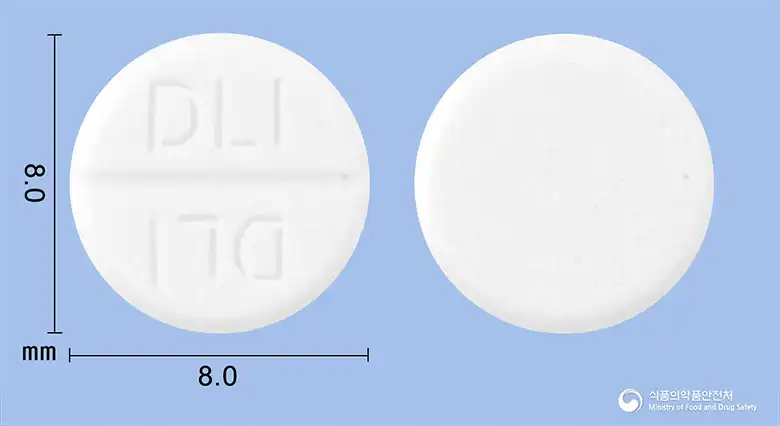
Furosemide 40mg
Tablet · Prescription medication
(HanDoc Inc.)

Furosemide 40mg
Tablet · Prescription medication
Il Yang Pharmaceutical Co., Ltd.
Furosemide 40mg
Tablet · Prescription medication
Shinil Pharmaceutical Co., Ltd.
Furosemide 10mg
Injections · Prescription medication
Daehan Pharmaceutical Co., Ltd.
Even with the same ingredient, the dose and directions can differ by strength and dosage form. Talk to a doctor or pharmacist before switching from a medication you are already taking.
No questions yet.
For anything that needs medical judgment, consult a doctor or pharmacist.
This drug information is based on data provided by the Korea Ministry of Food and Drug Safety.
Consult a doctor or pharmacist for accurate dosage, administration, and usage instructions.