
 한국어
 English
 日本語
 中文(简体)
Dosage form image
Viewing nowAju Digoxin Injection
Digoxin 0.25mg
Prescription medication
Ajou Pharmaceutical Co., Ltd.
MFDS item code 196300035 · Notified 1963.08.27 · Insurance code 654000881
Prevention and treatment of heart failure and tachycardia; treatment of other heart diseases and thyroid dysfunction
This medication is used to treat various conditions related to congestive heart failure, such as pulmonary edema, cardiac asthma, valvular disease, hypertension, ischemic heart disease (including myocardial infarction and angina), congenital heart disease, and symptoms caused by cor pulmonale. It is also effective in the prevention and treatment of arrhythmias such as tachycardia due to atrial fibrillation or atrial flutter, and paroxysmal atrial tachycardia. Additionally, it helps improve symptoms caused by other heart diseases such as pericarditis or cardiomyopathy and thyroid dysfunction (hyper or hypothyroidism). Overall, it is used for the prevention and treatment of heart failure and various tachyarrhythmic symptoms.
(Oral: tablets, elixir) Rapid digitalization (digitalizing dose: 1.0-4.0㎎): Administer an initial dose of 0.5-1.0㎎ of digoxin, followed by 0.5㎎ orally every 6-8 hours, continuing until an adequate effect is achieved. Slow digitalization may also be used. Maintenance therapy: Administer 0.25-0.5㎎ orally per day. (Injection) Rapid digitalization (digitalizing dose: 1.0-2.0㎎): Inject 0.25-0.5㎎ of digoxin intravenously per dose every 2-4 hours, continuing until an adequate effect is achieved. Slow digitalization may also be used. Maintenance therapy: Inject 0.25㎎ intravenously per day.
(Oral: tablets, elixir) Under 2 years: Administer 0.06-0.08㎎/㎏ of body weight per day in 3-4 divided doses. 2 years and older: Administer 0.04-0.06㎎/㎏ of body weight per day in 3-4 divided doses. Maintenance therapy: Administer 1/5-1/3 of the digitalizing dose. Adjust the dose as appropriate according to age and symptoms. (Injection) Neonates and premature infants: Inject 0.03-0.05㎎/㎏ of body weight per day intravenously or intramuscularly in 3-4 divided doses. Under 2 years: Inject 0.04-0.06㎎/㎏ of body weight per day intravenously or intramuscularly in 3-4 divided doses. 2 years and older: Inject 0.02-0.04㎎/㎏ of body weight per day intravenously or intramuscularly in 3-4 divided doses. Maintenance therapy: Inject 1/15-1/10 of the digitalizing dose intravenously or intramuscularly. Adjust the dose as appropriate according to age and symptoms.
As this medication is an ampule injection, great care must be taken when cutting the glass container to prevent glass fragments from mixing in. Special caution is required when used in children or the elderly. This medication should not be administered to certain heart disease patients. For example, patients with atrioventricular block, sinoatrial block, carotid sinus syndrome, digitalis toxicity, obstructive cardiomyopathy, and others should not use this medication. Patients with ventricular tachycardia or Wolff-Parkinson-White syndrome should also not be given this medication. Additionally, patients who have allergic reactions to this drug must also refrain from using it. This medication should be used cautiously in some patients. Patients with acute myocardial infarction, ventricular ectopy, endocarditis, cor pulmonale, thyroid dysfunction, or kidney impairment may experience toxicity even at low doses, so caution is necessary. Patients undergoing dialysis or those with electrolyte imbalances also need to be monitored carefully when taking this drug. Patients with dysautonomia or severe respiratory illnesses may also be sensitive to this medication, so close observation is required. Side effects of this drug may include gastrointestinal symptoms, arrhythmia, visual disturbances, dizziness, and fatigue. If these symptoms occur, it may be necessary to reduce the dose or temporarily stop administration and then restart at a lower dose. Additionally, if hypersensitivity reactions such as rash, urticaria, or edema occur, administration should be immediately discontinued. Occasionally, symptoms such as gynecomastia or muscle weakness may appear rarely. When using this medication, it is essential to confirm whether similar cardiac glycoside medications have been taken within the past 2-3 weeks and to determine the dose carefully. Patients with gastrointestinal issues may require a higher dose. Interactions may occur when used with other medications, especially with potassium-wasting diuretics, amiodarone, spironolactone, calcium agents, and beta-blockers, so close monitoring is required when these are used in combination. Certain drugs may also interfere with the absorption of this medication, so adjusting the administration intervals is vital. Women who are pregnant or may become pregnant should carefully weigh the benefits and risks when using this medication. This medication can also be passed into breast milk, so nursing women should use it cautiously. In pediatric and geriatric populations, the risk of side effects is higher, so careful monitoring and dose adjustments are essential when administering this drug. When used as an injection, rapid intravenous injection can cause vasoconstriction and hypertension, so it is crucial to slow the injection rate for patients with hypertensive heart failure or acute myocardial infarction.
Not everyone experiences these, and they can vary from person to person.
This medication should be stored in a sealed container to prevent exposure to air or moisture. Doing so will help maintain the medication's efficacy and prevent deterioration.
A colorless, transparent ampule filled with a slightly viscous colorless liquid.
1 mL/ampule x 10
Even with the same ingredient, strength, dosage form and how it is taken can differ.
Digoxin 0.25mg
Prescription medication
Ajou Pharmaceutical Co., Ltd.
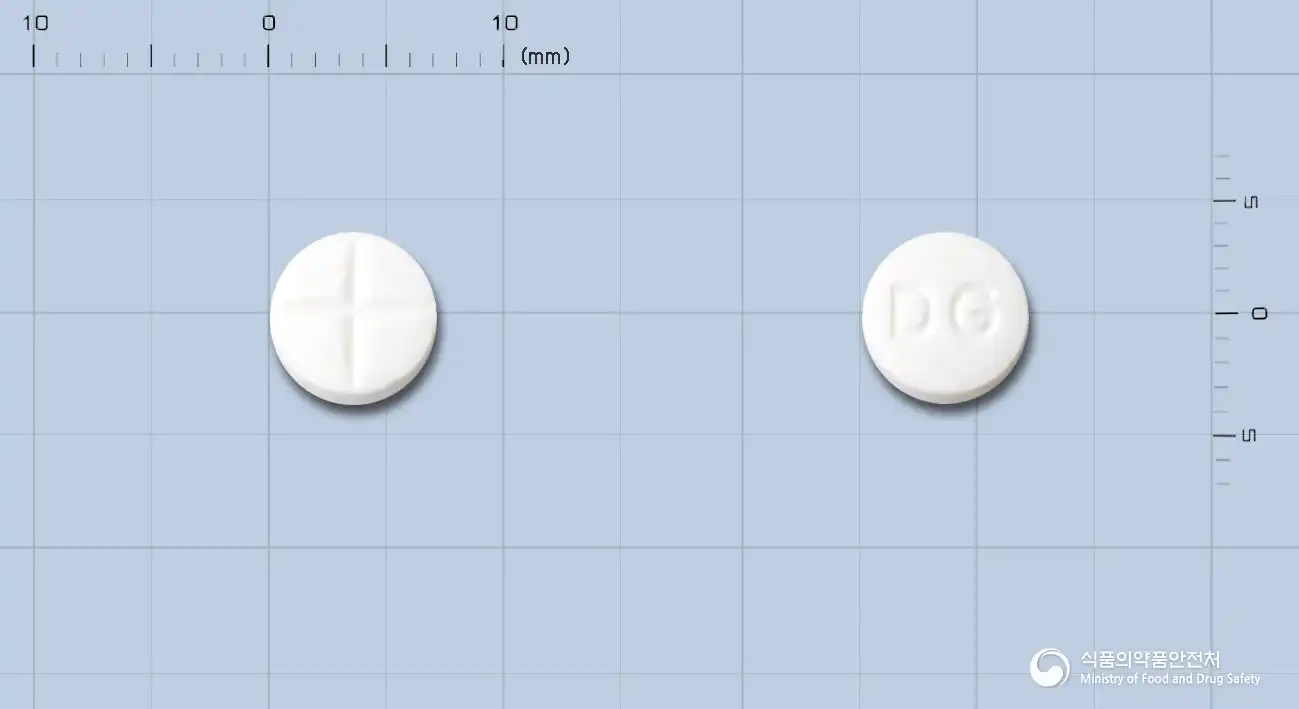
Digoxin 0.25mg
Tablet · Prescription medication
HKEINoEn Co., Ltd.
Digoxin 5mg
Prescription medication
Hallym Pharmaceuticals Co., Ltd.
Even with the same ingredient, the dose and directions can differ by strength and dosage form. Talk to a doctor or pharmacist before switching from a medication you are already taking.
No questions yet.
For anything that needs medical judgment, consult a doctor or pharmacist.
This drug information is based on data provided by the Korea Ministry of Food and Drug Safety.
Consult a doctor or pharmacist for accurate dosage, administration, and usage instructions.