
 한국어
한국어 English
 日本語
日本語 中文(简体)
Dosage form image
Viewing nowCombinationTwelfth EF Tablet
Benfotiamine · Selenium In Dried Yeast +6 more
OTC medication · Combination
Hansol Pharmaceutical Co., Ltd.
MFDS item code 202601181
Relief of physical fatigue, neuralgia, etc.
This medication helps supply vitamins B1, B6, and E in various situations such as physical fatigue, pregnancy and breastfeeding, weakness during or after illness, and old age. It is also effective for relieving symptoms such as neuralgia, muscle pain, and joint pain (e.g., back pain, shoulder stiffness). Additionally, it improves conditions like beriberi and eye fatigue, and is used to relieve muscle cramps caused by magnesium deficiency. It also contributes to overall health maintenance by supplying zinc. Through these effects, it helps enhance physical function and alleviate symptoms.
Adults take 1 tablet once daily.
This medication should not be taken by individuals who are allergic to this drug or its ingredients. Additionally, it should be avoided by infants under 12 months old, patients with severe kidney dysfunction, and those allergic to soybean oil, soybeans, or peanuts. While taking this medication, it is advisable not to take phosphates, calcium salts, oral tetracycline antibiotics, antacids, and medications like levodopa together. Women undergoing treatment, pregnant or potentially pregnant women, breastfeeding mothers, premature infants, and infants, as well as patients with gastrointestinal disorders, heart or circulatory diseases, kidney disorders, and hypoproteinemia should consult a doctor or pharmacist before taking this drug. Particularly, patients with lipid metabolism disorders such as hyperlipoproteinemia, diabetic dyslipidemia, and pancreatitis should exercise caution. If symptoms such as nausea, vomiting, skin rash, diarrhea, gastrointestinal discomfort, low blood pressure, hair loss, or pulmonary edema occur during treatment, the medication should be stopped immediately and medical advice should be sought. Additionally, if menstruation becomes more frequent or bleeding persists for an extended period, immediate consultation with a healthcare professional is necessary. Women taking estrogen-containing oral contraceptives or patients at risk of thrombosis should be cautious when taking vitamin E, as it may increase the risk of thromboembolism. High-dose, prolonged use of pyridoxine may result in neurological symptoms, and patients deficient in folic acid who take vitamin B12 in excess doses may experience blood-related side effects. Overdose may lead to symptoms such as nausea, vomiting, edema, and heart failure, so caution is advised, particularly with certain diuretics that can increase the risk of hyperkalemia. This medication must be taken according to the prescribed dosage and method, and tannin-containing drinks such as green tea or black tea should be avoided before and after taking it. Patients at risk of fat overload should periodically monitor plasma lipid levels and adjust dosages accordingly if necessary. Keep out of reach of children, store in a cool, dry place away from direct sunlight, and keep sealed. Do not transfer the medication to another container, as care is needed to prevent misuse and maintain the quality of the drug.
Pulmonary edema
Nausea, vomiting, loose stools, erythema, rash, constipation, upper abdominal pain, diarrhea, digestive disorders, gastric discomfort, gastrointestinal disturbances, low blood pressure, agitation, hair loss, dermatitis, menstrual changes and bleeding, increased risk of thrombosis, sensory neuropathy or neurological symptoms, hematological adverse reactions, hypernatremia, congestive heart failure, edema, hyperkalemia
Not everyone experiences these, and they can vary from person to person.
This medication should be stored in a sealed container to prevent exposure to air and moisture, ideally at room temperature between 1 and 30 degrees Celsius. Storing it this way helps maintain its efficacy and prevent deterioration.
Brown rectangular film-coated tablet
120 tablets/box [60 tablets/bottle × 2]
Even with the same ingredient, strength, dosage form and how it is taken can differ.
Benfotiamine · Selenium In Dried Yeast +6 more
OTC medication · Combination
Hansol Pharmaceutical Co., Ltd.
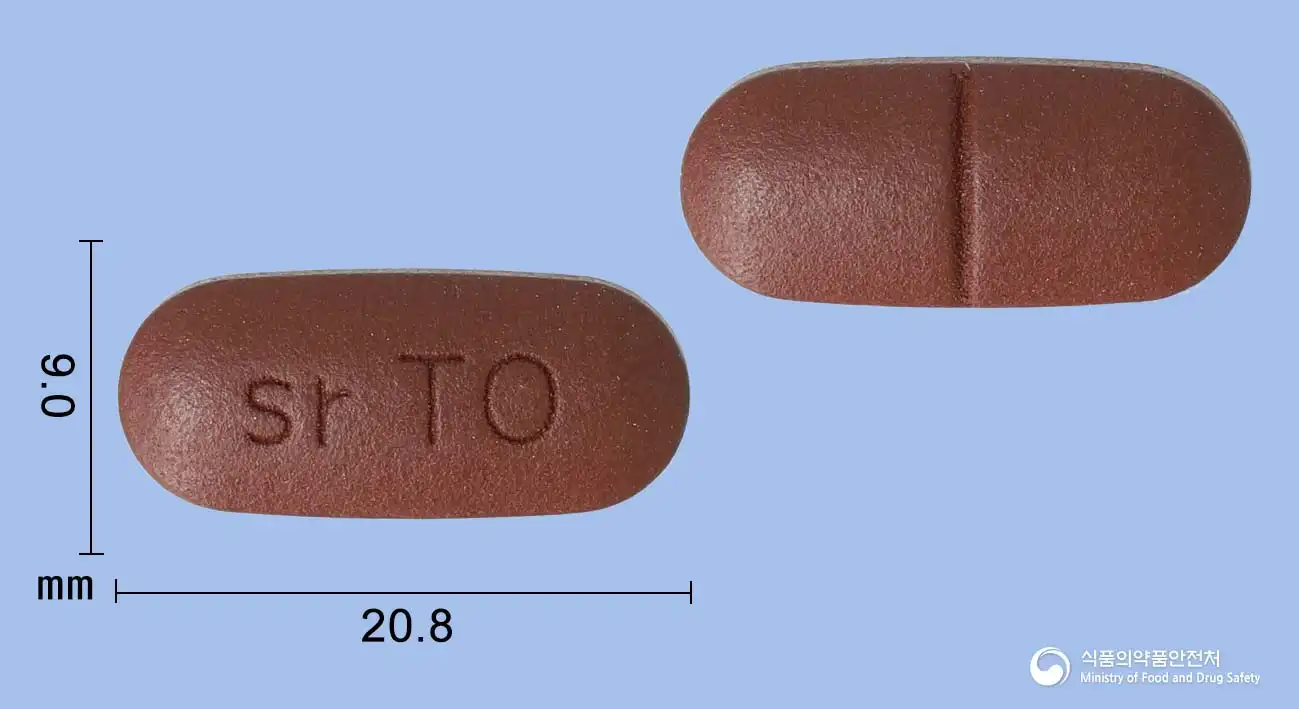 Combination
Benfotiamine 50mg · Selenium In Dried Yeast 25mg +6 more
Tablet · OTC medication · Combination
Sears Pharmaceutical Co., Ltd.
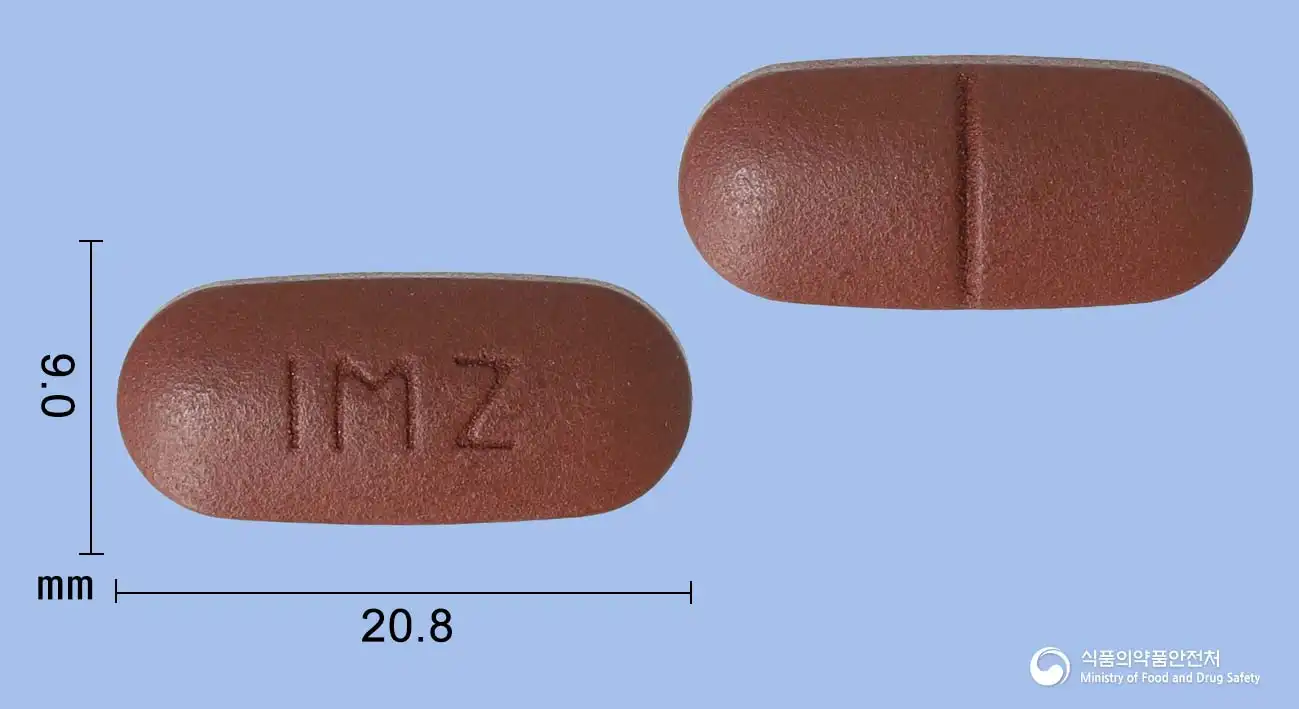 Combination
Benfotiamine 50mg · Selenium In Dried Yeast 25mg +6 more
Tablet · OTC medication · Combination
Il Yang Pharmaceutical Co., Ltd.
Even with the same ingredient, the dose and directions can differ by strength and dosage form. Talk to a doctor or pharmacist before switching from a medication you are already taking.
No questions yet.
For anything that needs medical judgment, consult a doctor or pharmacist.
This drug information is based on data provided by the Korea Ministry of Food and Drug Safety.
Consult a doctor or pharmacist for accurate dosage, administration, and usage instructions.