
 한국어
 English
 日本語
 中文(简体)
Dosage form image
Viewing nowCombinationEmpagliflozin and Linagliptin Tablets 10/5 mg
Empagliflozin 10mg · Linagliptin 5mg
Tablet · Prescription medication · Combination
Aju Pharmaceutical Co., Ltd.
MFDS item code 202600398 · Approved 2026.02.12
Improvement of glycemic control in patients with type 2 diabetes mellitus
This medication is prescribed to help patients with Type 2 diabetes control their blood sugar levels. When taken alongside diet and exercise therapy, it can effectively manage blood sugar levels. The two ingredients, empagliflozin and linagliptin, work together to help lower blood sugar. Therefore, it is a suitable treatment option for those who need blood sugar control. This medication can be very helpful in managing diabetes.
The recommended starting dose of this drug is empagliflozin 10 mg/linagliptin 5 mg once daily. For patients who tolerate empagliflozin 10 mg/linagliptin 5 mg and require additional glycemic control, the dose of this drug may be increased to 25/5 mg once daily. Patients switching to this drug from concomitant therapy with empagliflozin and linagliptin should take the same doses they were previously taking. This drug may be taken with or without food. Swallow the tablet whole. If you miss a dose of this drug, take it as soon as you remember. However, if the next dose is due within 12 hours, skip the missed dose and take the next dose at the usual time. Do not take a double dose in one day. Patients with renal impairment: This drug is not recommended to improve glycemic control in patients with an estimated glomerular filtration rate (eGFR) below 45 ml/min/1.73m2. No dose adjustment is required for patients with an estimated glomerular filtration rate of 45 ml/min/1.73m2 or higher. Patients with hepatic impairment: No dose adjustment is required in patients with mild or moderate hepatic impairment. Use of this drug is not recommended in patients with severe hepatic impairment, as it has not been studied in this population. Elderly patients: No dose adjustment based on age is required. In patients 75 years of age or older, renal function and the risk of volume depletion should be considered.
This medication is composed of two ingredients: empagliflozin and linagliptin, and is primarily used for blood sugar control in patients with Type 2 diabetes. This medication should not be used in certain patients. For example, individuals who are allergic to any of the ingredients or have Type 1 diabetes, diabetic ketoacidosis, or are undergoing dialysis should not take it. Patients with impaired kidney function may experience reduced effectiveness of this medication, and kidney function should be monitored regularly according to a doctor's instructions. There is limited experience in the use of this medication in patients with heart failure, so caution is required. If acute pancreatitis symptoms, such as severe abdominal pain, occur during treatment, the medication should be discontinued immediately and a doctor should be consulted. Additionally, a skin condition known as bullous pemphigoid may occur, so if there are any skin abnormalities, a doctor should be informed. Taking this medication may increase the risk of urinary tract infections and genital fungal infections, so prompt treatment is necessary if any symptoms of infection appear. Hypoglycemic symptoms may occur, so blood sugar levels should be closely monitored, especially when taken with insulin or sulfonylureas. Fluid volume loss may lead to low blood pressure, so patients undergoing hypertension treatment or elderly patients should regularly check their blood pressure and hydration status. This medication may have a mild effect on driving or operating machinery, so caution is advised, especially if there is a risk of hypoglycemia. Pregnant or breastfeeding women are advised not to take this medication and must consult a doctor if planning for pregnancy or if already pregnant. The safety and efficacy of this medication in patients under 18 years of age have not been established, so its use is not recommended in this age group. During treatment, it is important to conduct regular blood tests and physical exams to monitor for adverse reactions. In case of overdose, immediate medical attention should be sought, and measures should be taken to prevent absorption of the drug from the gastrointestinal tract. This medication should be kept out of reach of children and stored in its original container to maintain its quality.
Urinary tract infection, vulvovaginitis, vulvitis, balanitis, other genital infections, hypersensitivity, angioedema, urticaria, hypoglycemia, thirst, ketoacidosis, cough, constipation, pancreatitis, oral ulcer formation, itching, rash, vesicular pemphigoid, rhabdomyolysis, blood volume depletion, increased urination, dysuria, interstitial nephritis, increased amylase, increased lipase, increased hematocrit, increased serum lipids, epigastric pain, enterocolitis, bowel obstruction, gastroenteritis, shingles, cystitis, acute pyelonephritis, bronchitis, vestibular neuronitis, sepsis, pneumonia, decreased appetite, dehydration, hyperglycemia, cerebral infarction, speech disorders, Alzheimer's dementia, chest pain, fever, facial swelling, fatigue, death, chronic obstructive pulmonary disease, asthma, diabetic foot, skin lesions, acute kidney injury, end-stage renal disease, acute cholangitis, acute cholecystitis, cholangitis, dizziness, kidney transplant failure, gastrointestinal disorders, irritable bowel syndrome, burning mouth syndrome, colitis, abdominal discomfort, dysphagia, gastric ulcer, gum bleeding, tooth loss, hemorrhoids, lower abdominal pain, diarrhea, vomiting, gastritis, acute pyelonephritis, alopecia areata, rhinitis, soft tissue infection, pharyngitis, scrub typhus, periodontal disease, tonsillitis, laryngitis, chronic otitis media, paronychia, peritonsillar abscess, viral upper respiratory infection, hypercholesterolemia, inadequate control of diabetes, malnutrition, hyponatremia, headache, drowsiness, chest discomfort, weakness, nosebleed, oropharyngeal pain, voice disorders, allergic rhinitis, exertional dyspnea, wet cough, asthma, runny nose, lung mass, joint pain, osteoporosis, arthropathy, musculoskeletal discomfort, myositis, myalgia, soft tissue mass, postmenopausal osteoporosis, rotator cuff syndrome, increased triglycerides in blood, increased urine albumin/creatinine ratio, positive urine leukocytes, decreased hemoglobin, increased potassium in blood, increased creatinine in blood, increased creatine phosphokinase in blood, increased ALT, male pattern baldness, hyperhidrosis, hair loss, dermatitis, anxiety, mood disorders, insomnia, depression, bruising, bone contusion, concussion, meniscus injury, foot fracture, hand fracture, pneumoconiosis, palpitations, tachycardia, arteriosclerosis, deep vein thrombosis, diabetic vascular complications, peripheral artery occlusive disease, hypothyroidism, thyroid nodules, vulvar pruritus, genital pruritus, dyslipidemia, obesity, acanthosis, dermoid cyst, seborrheic dermatitis, atopic dermatitis, plaque psoriasis, heat rash, sebaceous gland hyperplasia, lumbar spinal stenosis, myalgia, limb pain, musculoskeletal chest pain, cervical stenosis, fibromyalgia, flank pain, fracture pain, muscle weakness, osteoarthritis, astigmatism, allergic conjunctivitis, blurred vision, corneal erosion, macular fibrosis, conjunctival hyperemia, pathological myopia, retinal detachment, vitreous degeneration, retinal vein occlusion, peripheral retinal detachment, eyelid edema, visual impairment, floaters in vitreous, vitreous hemorrhage, epistaxis, age-related dyspnea, residual sputum, allergic rhinitis, itching, insomnia, hypertension, benign prostatic hyperplasia, erectile dysfunction, goiter, lymphadenopathy, anemia, weight loss, vulvar pruritus, genital pruritus, dyslipidemia, diabetic retinopathy, dry eyes, cough, dyspnea, unstable angina, hypertension, insomnia
Not everyone experiences these, and they can vary from person to person.
This medication may be sensitive to air and humidity, so it should be stored in a tightly closed container. It is recommended to maintain a storage temperature between 1 to 30 degrees Celsius. This will help preserve the drug's effectiveness and safety over time.
Light yellow round film-coated tablets
30 tablets/bottle, 30 tablets/box [10 tablets/Alu-Alu*3]
Even with the same ingredient, strength, dosage form and how it is taken can differ.
Empagliflozin 10mg · Linagliptin 5mg
Tablet · Prescription medication · Combination
Aju Pharmaceutical Co., Ltd.
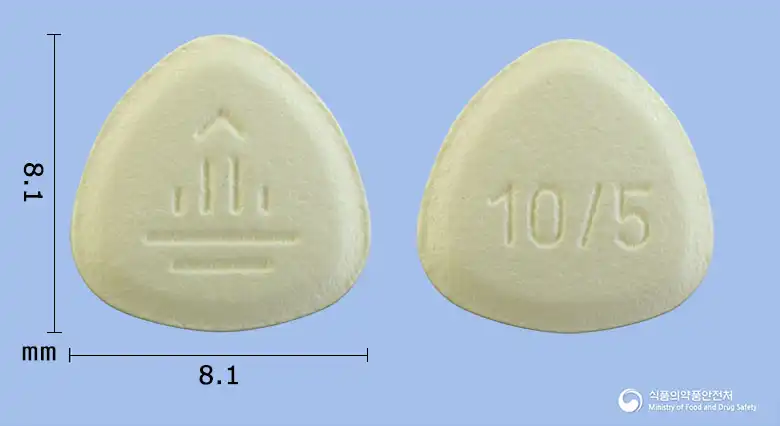 Combination
Empagliflozin 10mg · Linagliptin 5mg
Tablet · Prescription medication · Combination
Boehringer Ingelheim Korea Co., Ltd.
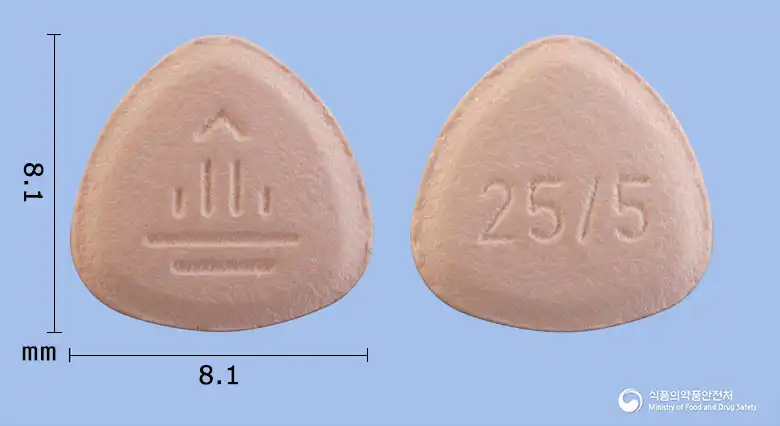 Combination
Empagliflozin 25mg · Linagliptin 5mg
Tablet · Prescription medication · Combination
Boehringer Ingelheim Korea Co., Ltd.
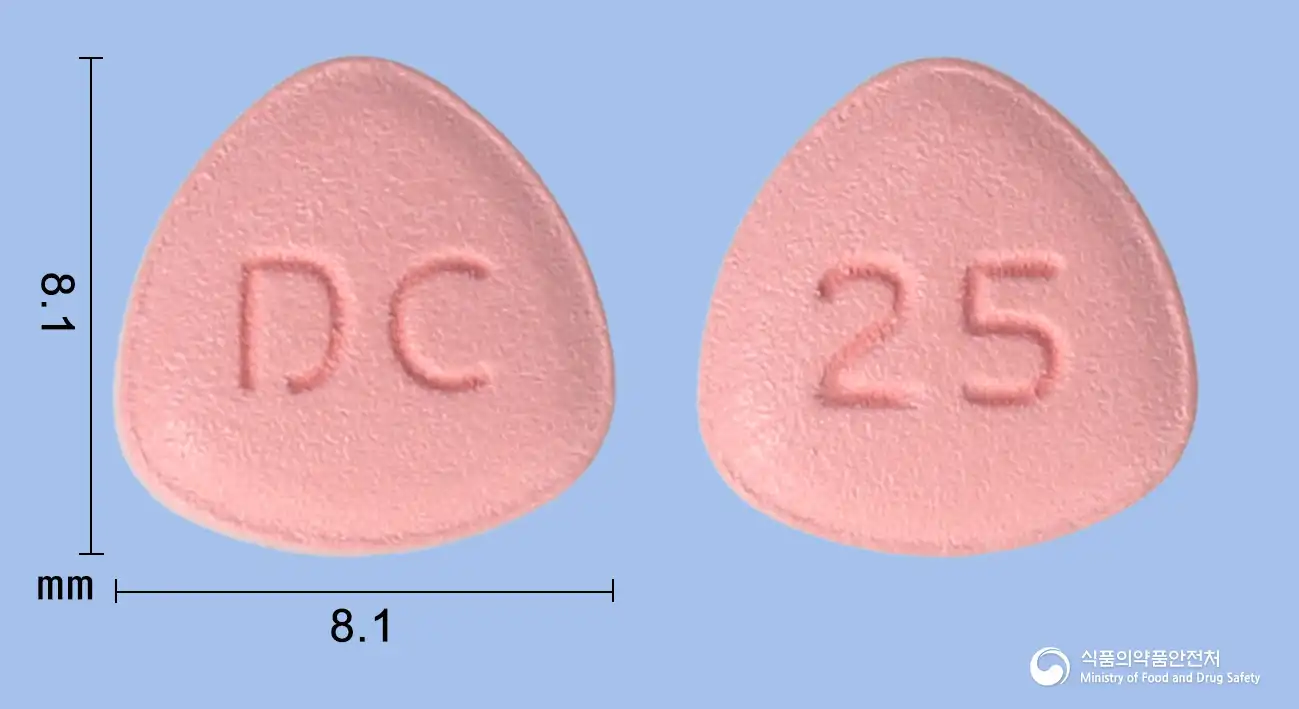 Combination
Empagliflozin 25mg · Linagliptin 5mg
Tablet · Prescription medication · Combination
Donggu Bio Pharmaceutical Co., Ltd.
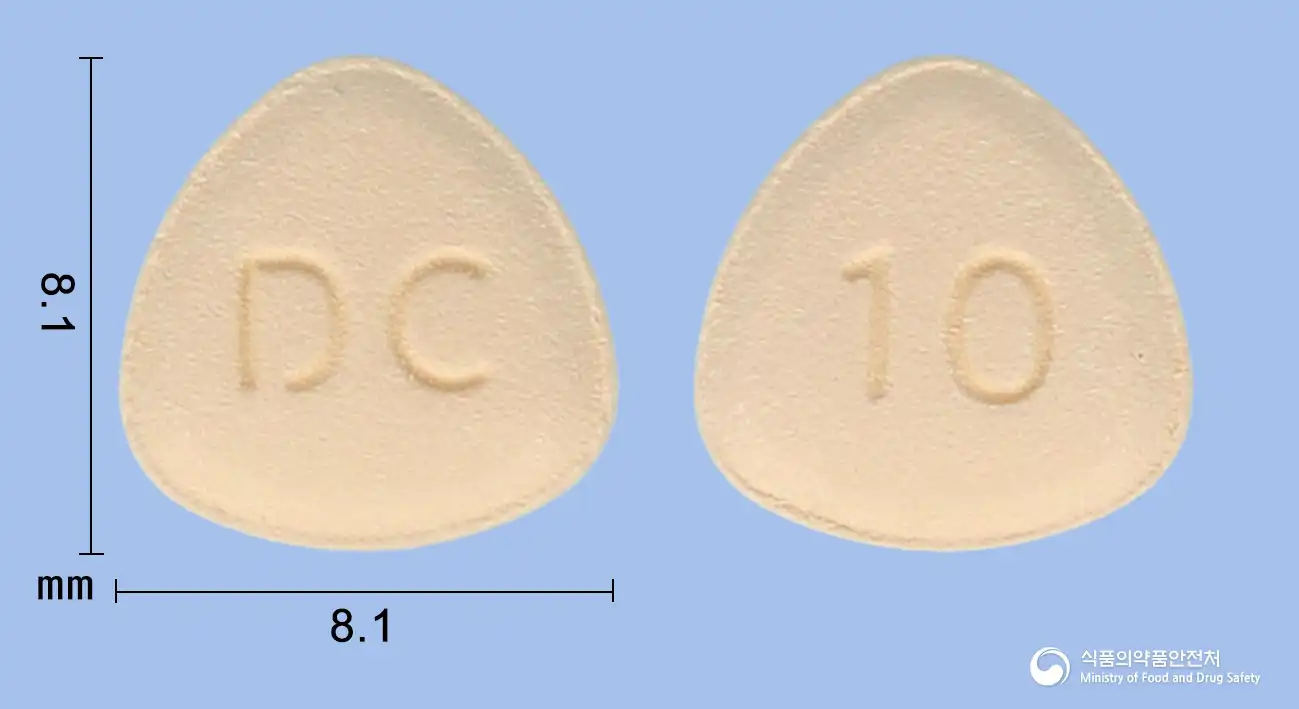 Combination
Empagliflozin 10mg · Linagliptin 5mg
Tablet · Prescription medication · Combination
Dongkoo Bio Pharmaceutical Co., Ltd.
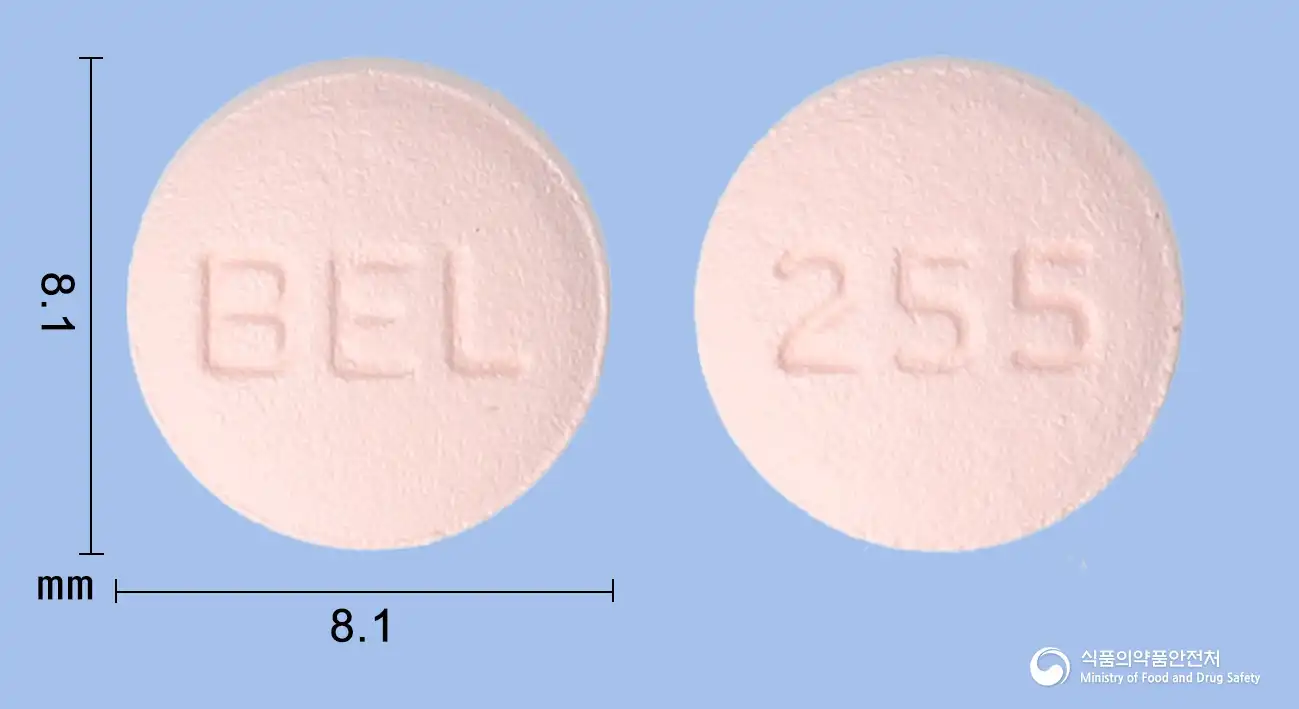 Combination
Empagliflozin 25mg · Linagliptin 5mg
Tablet · Prescription medication · Combination
Boryung Pharmaceutical Co., Ltd.
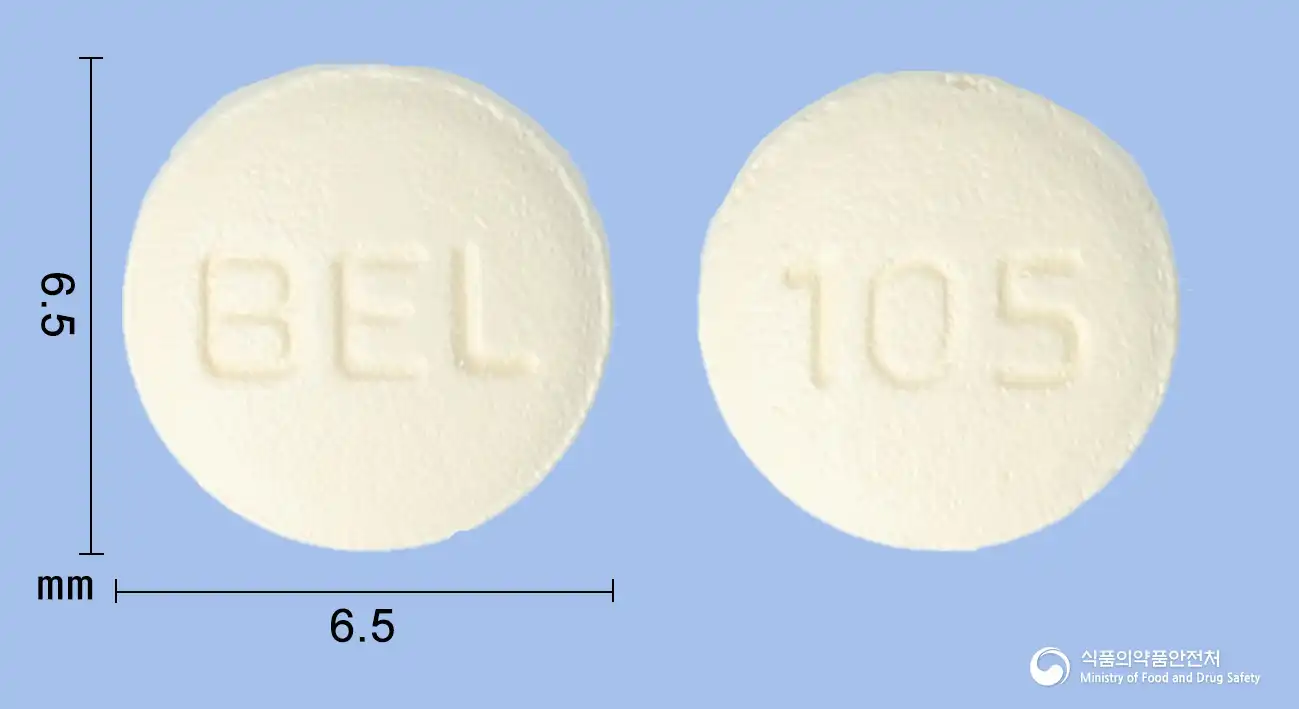 Combination
Empagliflozin 10mg · Linagliptin 5mg
Tablet · Prescription medication · Combination
Boryung Pharmaceutical Co., Ltd.
Empagliflozin 25mg · Linagliptin 5mg
Tablet · Prescription medication · Combination
Daewon Pharmaceutical Co., Ltd.
Even with the same ingredient, the dose and directions can differ by strength and dosage form. Talk to a doctor or pharmacist before switching from a medication you are already taking.
No questions yet.
For anything that needs medical judgment, consult a doctor or pharmacist.
This drug information is based on data provided by the Korea Ministry of Food and Drug Safety.
Consult a doctor or pharmacist for accurate dosage, administration, and usage instructions.