
 한국어
 English
 日本語
 中文(简体)
Dosage form image
Viewing nowCombinationTeloset Tablet 80/5/25 mg (Telmisartan, Amlodipine Besilate, Chlorthalidone)
Telmisartan 80mg · Amlodipine Besylate 6.935mg +1 more
Prescription medication · Combination
Dongkwang Pharmaceutical Co., Ltd.
MFDS item code 202600185 · Approved 2026.01.21
Treatment of essential hypertension not controlled with concomitant telmisartan and amlodipine
The combination therapy of telmisartan and amlodipine is used when patients with essential hypertension have difficulty in appropriately controlling their blood pressure. The combination of these two medications effectively lowers blood pressure and helps reduce the risk of cardiovascular diseases. When combination therapy is necessary, the synergistic effect of these two medications enhances blood pressure control. However, if blood pressure is still insufficiently controlled with this treatment, additional therapeutic options will be considered. Therefore, the combination therapy of telmisartan and amlodipine is a safe and effective method for blood pressure management in patients with essential hypertension.
Take 1 tablet once daily with water, regardless of meals. If possible, it is recommended to take it at the same time each day (e.g., in the morning). Before administering this medicine, it is recommended that the dose be adjusted using the individual ingredients (telmisartan and amlodipine as monotherapy or combination therapy). This medicine 40/5/12.5 mg may be administered to patients whose blood pressure is not controlled with telmisartan/amlodipine combination therapy. Adjust the dose at intervals of at least 2 weeks, taking the patient's blood pressure response into consideration. The maximum dose of this medicine is 80/5/25 mg. For patients taking a telmisartan/amlodipine combination product together with chlorthalidone alone, they may switch to this medicine (a combination product containing the same amounts of each active ingredient) for convenience.
This medication can cause serious harm to the fetus, especially in the second and third trimesters, so it should not be taken by women who are pregnant or may become pregnant. Patients with impaired liver function or progressive liver disease should be cautious as this medication may cause serious side effects such as hepatic coma. Patients with serious kidney disease may experience elevated blood nitrogen levels due to some components of this medication, increasing the risk of side effects due to drug accumulation in the body, so it should be taken cautiously. Patients with allergic reactions or hypersensitivity to any components of this medication should not take it. Lactating women, patients with cholestatic disease, severe liver dysfunction, severe aortic stenosis, or in shock should also avoid taking this medication. For diabetic patients with moderate to severe kidney impairment or those taking certain other medications concomitantly, the risk of side effects is increased, so consultation with a physician is necessary before taking this medication. While this medication is used for hypertension treatment, patients with weakened kidney function, hypotension, or cardiovascular diseases may be at risk for excessive lowering of blood pressure, so caution is needed when taking it. Adverse effects such as dizziness, headache, hypotension, edema, and gastrointestinal disturbances may occur during use, and if symptoms are severe, consultation with a healthcare professional is advised. Electrolyte imbalances might occur, so potassium and sodium levels should be regularly monitored, particularly. This medication may interact with other drugs, so if you are taking any other medications, be sure to inform your physician, and do not take it with other drugs without authorization. It is not recommended for children or adolescents under 18 years of age as safety and efficacy have not been established. Elderly patients may have reduced bodily functions, so it is important to start with a lower dosage and gradually increase it while taking it carefully. In case of overdose, symptoms such as hypotension, dizziness, and heart function depression may occur, requiring immediate medical attention.
Not everyone experiences these, and they can vary from person to person.
This medication is sensitive to light and should be stored in a container that blocks light. Additionally, it is best to store the medication at room temperature between 1 and 30 degrees Celsius. Storing it this way helps maintain the medication's effectiveness and safety.
White oval double-layer tablet
PTP - 30 tablets/box [6 tablets/PTP × 5]
Even with the same ingredient, strength, dosage form and how it is taken can differ.
Telmisartan 80mg · Amlodipine Besylate 6.935mg +1 more
Prescription medication · Combination
Dongkwang Pharmaceutical Co., Ltd.
 Combination
Telmisartan 40mg · Amlodipine Besylate 6.935mg +1 more
Prescription medication · Combination
Yuhan Corporation
 Combination
Telmisartan 80mg · Amlodipine Besylate 6.935mg +1 more
Prescription medication · Combination
Yuhan Corporation
 Combination
Telmisartan 80mg · Amlodipine Besylate 6.935mg +1 more
Prescription medication · Combination
Yuhan Corporation
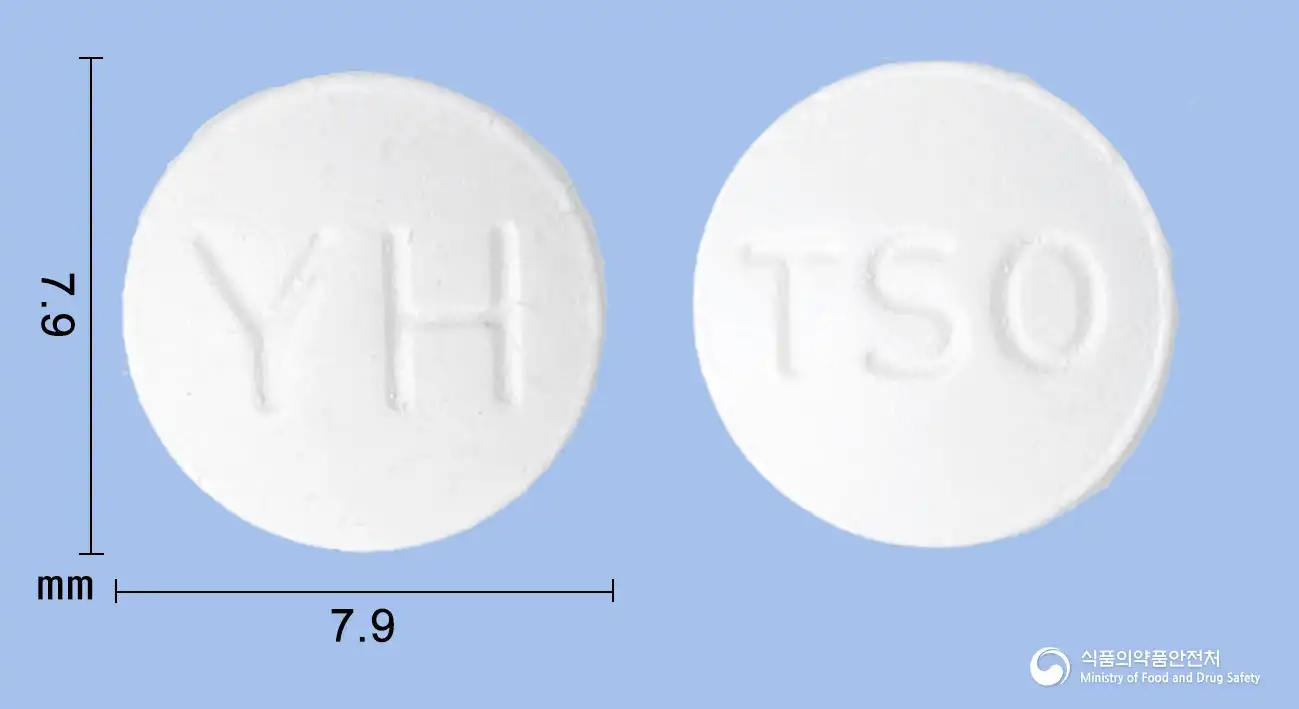 Combination
Telmisartan 20mg · Chlorthalidone 6.25mg +1 more
Tablet · Prescription medication · Combination
Yuhan Corporation
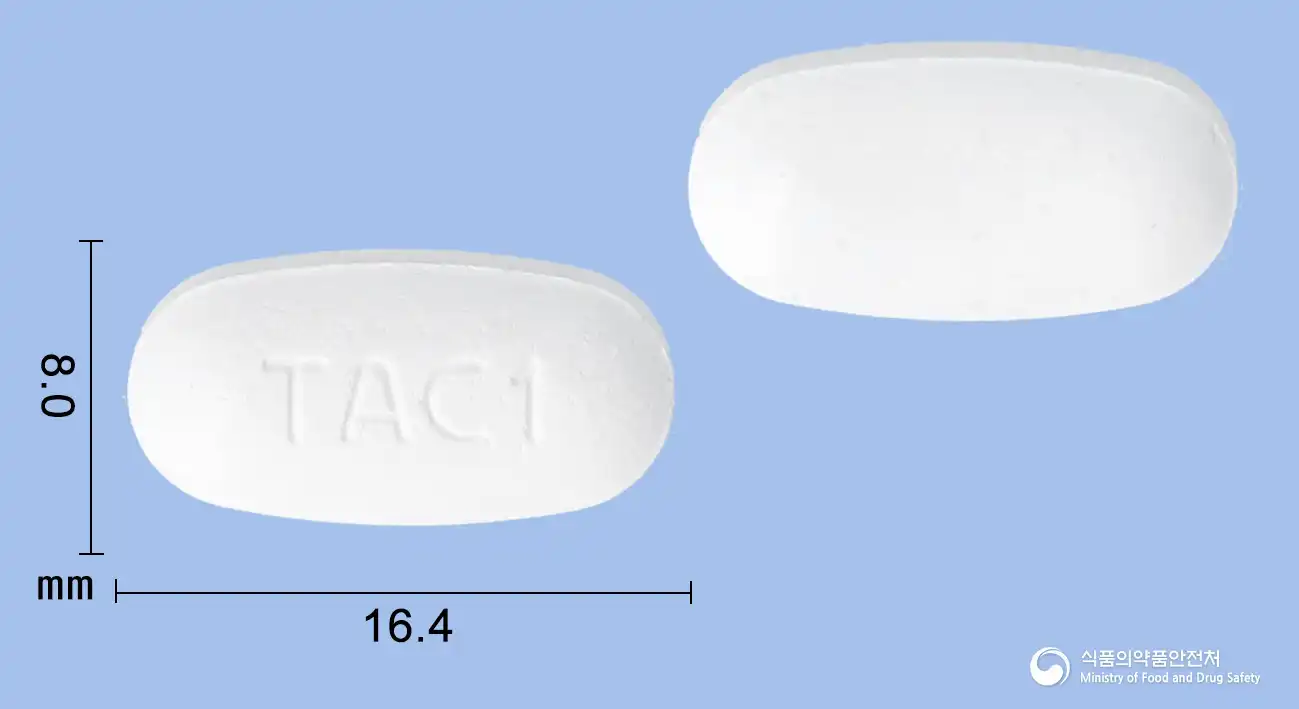 Combination
Telmisartan 80mg · Chlorthalidone 25mg +1 more
Prescription medication · Combination
Genupharm Co., Ltd.
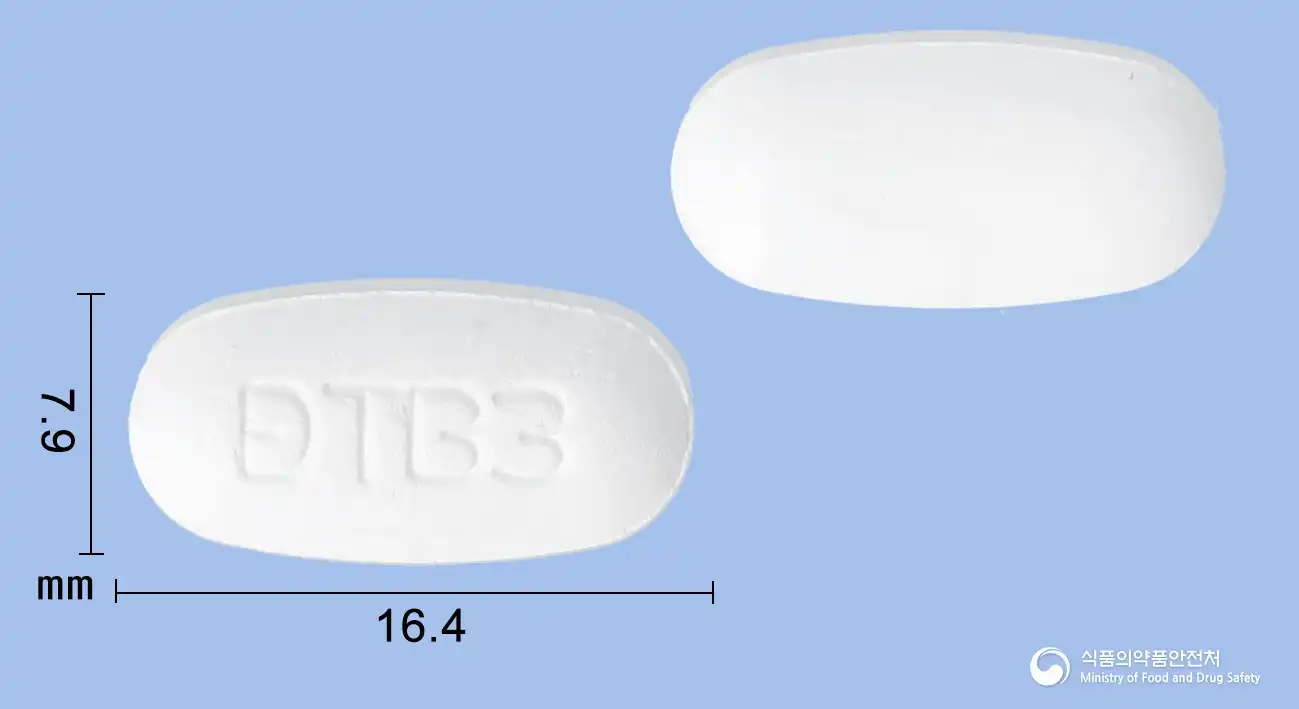 Combination
Telmisartan 80mg · Chlorthalidone 25mg +1 more
Prescription medication · Combination
Daewoong Bio Co., Ltd.
 Combination
Telmisartan 40mg · Chlorthalidone 12.5mg +1 more
Prescription medication · Combination
Genupharm Co., Ltd.
Even with the same ingredient, the dose and directions can differ by strength and dosage form. Talk to a doctor or pharmacist before switching from a medication you are already taking.
No questions yet.
For anything that needs medical judgment, consult a doctor or pharmacist.
This drug information is based on data provided by the Korea Ministry of Food and Drug Safety.
Consult a doctor or pharmacist for accurate dosage, administration, and usage instructions.