Medication info

Esugliem Tablet 10/5 mg (Empagliflozin, Linagliptin Besilate)

Prescription medicationTabletOral
Ingredient · strength
Empagliflozin›10mg / 1 tabletLinagliptin Besylate›6.67mg / 1 tablet
Manufacturer / importer
Mothers Pharmaceutical Co., Ltd.
Appearance
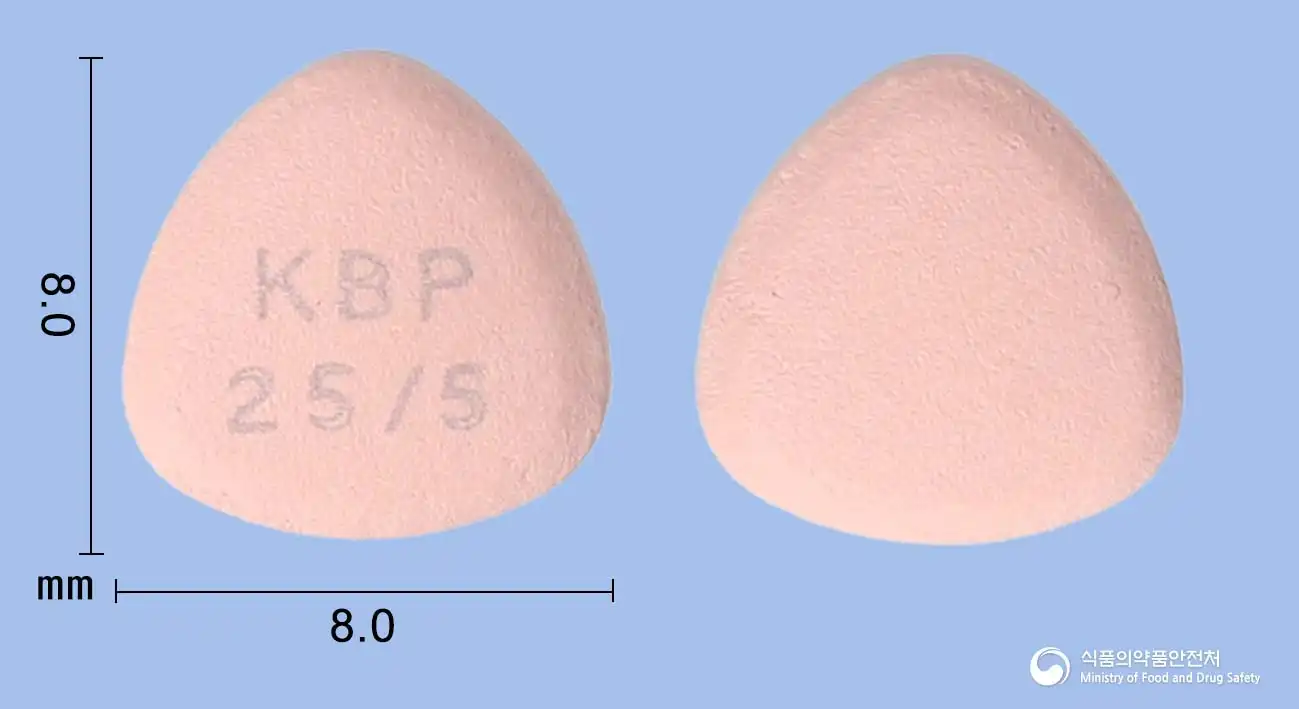
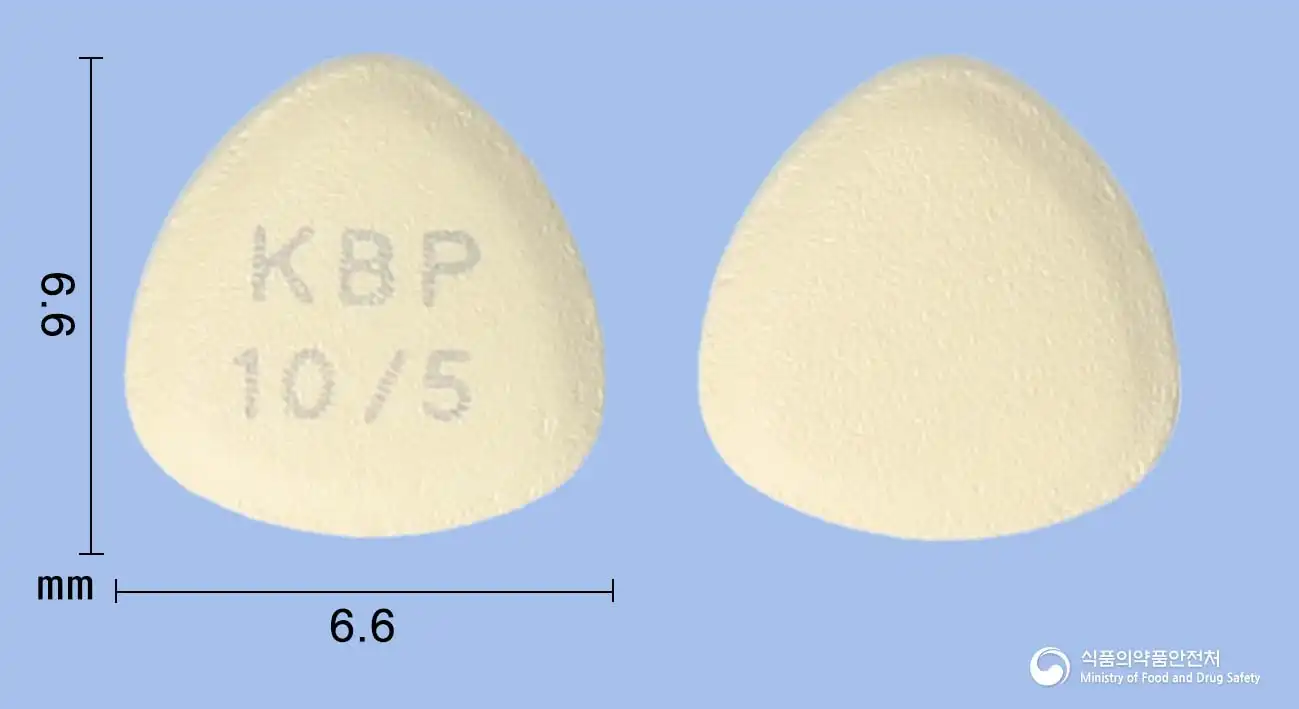
Flat on both sides with sharp edges, pale yellow triangular film-coated tablet
Packaging
10 tablets/PTP, 30 tablets/PTP [(10 tablets/PTP × 3)]
Approval status
Active

MFDS item code 202502936 · Approved 2025.11.13

Summary

Main use
Improvement of glycemic control in patients with type 2 diabetes mellitus
Who takes it
Adults
Adult dose
The recommended starting dose of this medication is empagliflozin 10 mg/linagliptin 5 mg (equivalent to 6.67mg of linagliptin besylate) once daily. If empagliflozin 10 mg/linagliptin 5 mg is tolerated and additional glycemic control is needed, the dose may be increased to 25/5 mg (equivalent to 6.67mg of linagliptin besylate) once daily. Patients switching to this medication from combination therapy with empagliflozin and linagliptin should receive their current doses. This medication may be taken with or without food. Swallow the tablet whole. If you miss a dose, take it as soon as you remember. However, if it is within 12 hours of the next dose, skip the missed dose and take the next dose at the usual time. Do not take twice the dose in one day. Patients with renal impairment This medication is not recommended for improving glycemic control in patients with an estimated glomerular filtration rate (eGFR) below 45 ml/min/1.73m2. No dose adjustment is necessary in patients with an estimated glomerular filtration rate of 45 ml/min/1.73m2 or higher. Patients with hepatic impairment No dose adjustment is necessary in patients with mild or moderate hepatic impairment. Use of this medication is not recommended in patients with severe hepatic impairment, as it has not been studied in these patients. Elderly patients No dose adjustment is necessary based on age. In patients aged 75 years or older, renal function and the risk of volume depletion should be considered.

Ingredients

Manufacturer
Mothers Pharmaceutical Co., Ltd.

Efficacy & effects

Improvement of glycemic control in patients with type 2 diabetes mellitus

View approved original text

This medication is used to improve blood sugar control in patients with type 2 diabetes who require combination therapy with empagliflozin and linagliptin, along with diet and exercise.

How to take

Adult dose

The recommended starting dose of this medication is empagliflozin 10 mg/linagliptin 5 mg (equivalent to 6.67mg of linagliptin besylate) once daily. If empagliflozin 10 mg/linagliptin 5 mg is tolerated and additional glycemic control is needed, the dose may be increased to 25/5 mg (equivalent to 6.67mg of linagliptin besylate) once daily. Patients switching to this medication from combination therapy with empagliflozin and linagliptin should receive their current doses. This medication may be taken with or without food. Swallow the tablet whole. If you miss a dose, take it as soon as you remember. However, if it is within 12 hours of the next dose, skip the missed dose and take the next dose at the usual time. Do not take twice the dose in one day. Patients with renal impairment This medication is not recommended for improving glycemic control in patients with an estimated glomerular filtration rate (eGFR) below 45 ml/min/1.73m2. No dose adjustment is necessary in patients with an estimated glomerular filtration rate of 45 ml/min/1.73m2 or higher. Patients with hepatic impairment No dose adjustment is necessary in patients with mild or moderate hepatic impairment. Use of this medication is not recommended in patients with severe hepatic impairment, as it has not been studied in these patients. Elderly patients No dose adjustment is necessary based on age. In patients aged 75 years or older, renal function and the risk of volume depletion should be considered.

Precautions

This medication contains two components, empagliflozin and linagliptin, used for the treatment of type 2 diabetes. Do not use this medication if you have allergies to empagliflozin, linagliptin, or other ingredients in this medication, if you have type 1 diabetes or diabetic ketoacidosis, or if you are undergoing dialysis. Patients with impaired kidney function should regularly undergo kidney function tests before taking this medication and consult with a doctor if necessary. Patients with heart failure or a history of pancreatitis should use this medication cautiously, and if they experience persistent severe abdominal pain, they should stop taking this medication immediately and seek medical attention. While taking this medication, side effects such as urinary tract infections, genital infections, hypoglycemia, dehydration, and low blood pressure may occur, and if symptoms appear, consult with a healthcare provider. Particularly, elderly patients, those with low blood pressure, and those at risk of fluid volume loss should closely monitor for dehydration or blood pressure changes while on this medication. If taken with insulin or sulfonylureas, the risk of hypoglycemia may increase, so dosage adjustments may be necessary. It is advisable for pregnant or breastfeeding women to avoid taking this medication and to consult with a healthcare provider if needed. It is recommended that children under 18 years of age not use this medication as its safety and efficacy have not been confirmed. While taking this medication, caution is advised when driving or operating machinery to prevent accidents caused by hypoglycemia. Store this medication out of reach of children and keep it in the original packaging for safety.

Side effects

  • Urinary tract infection
  • vulvovaginitis
  • vulvar inflammation
  • balanitis
  • genital infection
  • Fournier's gangrene
  • hypersensitivity
  • angioedema
  • urticaria
  • hypoglycemia
Show 183 more
  • thirst
  • ketosis
  • cough
  • constipation
  • pancreatitis
  • oral ulcer formation
  • itching
  • rash
  • vesicular-like pemphigus
  • rhabdomyolysis
  • blood volume depletion
  • increased urination
  • difficulty urinating
  • interstitial nephritis
  • increased amylase
  • increased lipase
  • increased hematocrit
  • increased serum lipids
  • increased serum creatinine
  • decreased glomerular filtration rate
  • upper abdominal pain
  • enterocolitis
  • bowel obstruction
  • gastroenteritis
  • shingles
  • cystitis
  • acute pyelonephritis
  • bronchitis
  • vestibular neuronitis
  • sepsis
  • pneumonia
  • decreased appetite
  • dehydration
  • hyperglycemia
  • cerebral infarction
  • speech impairment
  • Alzheimer’s dementia
  • chest pain
  • fever
  • facial edema
  • fatigue
  • death
  • chronic obstructive pulmonary disease
  • asthma
  • diabetic foot
  • skin lesions
  • liver metastasis
  • acute leukemia
  • basal cell carcinoma
  • non-small cell lung cancer
  • malignant pericardial effusion
  • gastric cancer
  • rectal cancer
  • pancreatic cancer
  • meniscus injury
  • pneumoconiosis
  • congestive heart failure
  • angina
  • acute myocardial infarction
  • unstable angina
  • cardiac arrest
  • diabetic retinopathy
  • acute kidney injury
  • end-stage renal disease
  • acute cholangitis
  • acute cholecystitis
  • cholangitis
  • dizziness
  • kidney transplant failure
  • diarrhea
  • vomiting
  • gastritis
  • irritable bowel syndrome
  • colitis
  • abdominal discomfort
  • dysphagia
  • gastric ulcer
  • gum bleeding
  • tooth loss
  • hemorrhoids
  • lower abdominal pain
  • leukonychia
  • rhinitis
  • soft tissue infection
  • pharyngitis
  • scrub typhus
  • periodontitis
  • tonsillitis
  • laryngitis
  • peritonsillar abscess
  • viral upper respiratory infection
  • decreased appetite
  • hypercholesterolemia
  • inadequate control of diabetes
  • malnutrition
  • hyponatremia
  • headache
  • drowsiness
  • chest discomfort
  • weakness
  • nosebleed
  • oropharyngeal pain
  • voice disorders
  • allergic rhinitis
  • exertional dyspnea
  • wet cough
  • arthralgia
  • osteoporosis
  • arthropathy
  • musculoskeletal discomfort
  • myositis
  • myalgia
  • soft tissue mass
  • postmenopausal osteoporosis
  • rotator cuff syndrome
  • weight gain
  • electrocardiogram abnormalities
  • decreased hemoglobin
  • polyuria
  • proteinuria
  • stress urinary incontinence
  • hematuria
  • hearing loss
  • erectile dysfunction
  • goiter
  • anemia
  • vulvar pruritus
  • genital pruritus
  • dyslipidemia
  • obesity
  • hypoglycemia
  • dermoid cyst
  • seborrheic dermatitis
  • atopic dermatitis
  • circular eczema
  • heat rash
  • sebaceous gland hyperplasia
  • lumbar spinal stenosis
  • myalgia
  • limb pain
  • musculoskeletal chest pain
  • cervical stenosis
  • fibromyalgia
  • flank pain
  • fracture pain
  • muscle weakness
  • osteoarthritis
  • astigmatism
  • allergic conjunctivitis
  • blurred vision
  • corneal erosion
  • macular fibrosis
  • conjunctival injection
  • pathological myopia
  • retinal crystals
  • retinal vein occlusion
  • retinal detachment
  • eyelid swelling
  • visual impairment
  • vitreous floaters
  • vitreous hemorrhage
  • epistaxis
  • age-related dyspnea
  • residual sputum
  • skin laceration
  • rib fracture
  • iliotibial band syndrome
  • palpitations
  • tachycardia
  • atherosclerosis
  • diabetic vascular complications
  • peripheral artery occlusive disease
  • anxiety
  • depression
  • sleep disorders
  • hepatitis
  • otalgia
  • positional vertigo
  • lymphadenopathy
  • hypothyroidism
  • thyroid nodule
  • chest discomfort
  • weight loss

Not everyone experiences these, and they can vary from person to person.

Storage

Store this medication in a tightly sealed container to protect it from air and moisture. It is important to maintain a storage temperature between 1 degree and 30 degrees Celsius. Proper storage will help to maintain the drug's effectiveness and safety.

Appearance and packaging

Appearance

Flat on both sides with sharp edges, pale yellow triangular film-coated tablet

Package unit

10 tablets/PTP, 30 tablets/PTP [(10 tablets/PTP × 3)]

Same-ingredient medicines

Even with the same ingredient, strength, dosage form and how it is taken can differ.

Even with the same ingredient, the dose and directions can differ by strength and dosage form. Talk to a doctor or pharmacist before switching from a medication you are already taking.

Questions about this medicine

No questions yet.

For anything that needs medical judgment, consult a doctor or pharmacist.

Related searches

Search tags

Suggested searches

This drug information is based on data provided by the Korea Ministry of Food and Drug Safety.
Consult a doctor or pharmacist for accurate dosage, administration, and usage instructions.