
 한국어
 English
 日本語
 中文(简体)
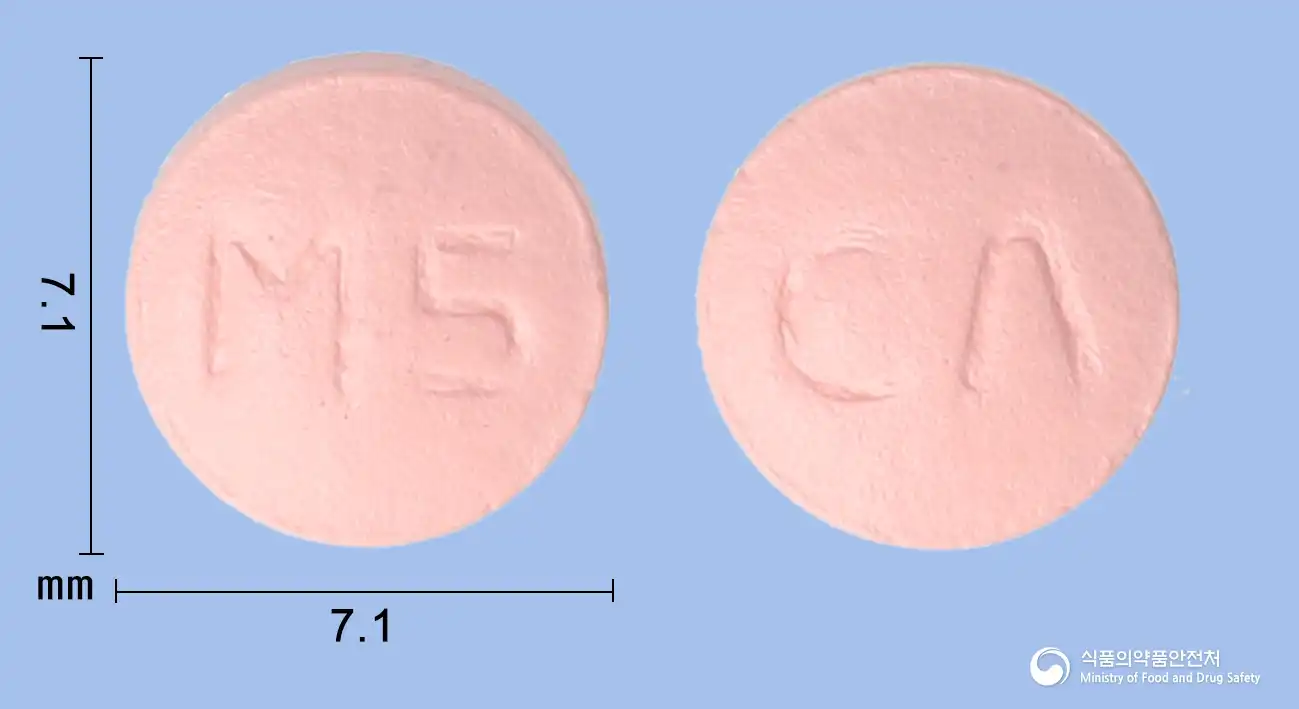 Viewing now
Migseen Tablets (Miglitol)
Miglitol 50mg
Tablet · Prescription medication
Joah Pharmaceutical Co., Ltd.
MFDS item code 202502113 · Approved 2025.08.13
Treatment of non-insulin-dependent diabetes mellitus
This medication is used for non-insulin dependent diabetes that is difficult to control with dietary therapy alone or when combination therapy with sulfonylureas is ineffective.
Take as a single dose with a small amount of water before meals, or with a small amount of food. Adults: Initially, take 50 milligrams 3 times daily. Depending on tolerability, after 4-12 weeks of treatment, gradually increase the dose as usual to a maintenance dose of up to 100 milligrams 3 times daily.
This medication should not be used in certain patients. Those who are allergic to this medication or its excipients should not take it. Children and adolescents under 18 years old, as well as women who are pregnant or breastfeeding should not take this medication. Patients with intestinal disorders such as inflammatory bowel disease, colonic ulcer, localized intestinal obstruction, or those prone to bowel obstruction should also avoid this medication. Patients with chronic intestinal diseases accompanied by digestive disorders or malabsorption, or those with hernias who may experience increased intestinal gas leading to aggravated symptoms should be cautious. Patients with severely decreased kidney function, especially those with a creatinine clearance of 25ml/min or less, should not take this medication. This medication may increase the risk of hypoglycemia when taken with sulfonylureas, so dosage adjustments should be made when using both medications together. However, significant effects have not been observed in clinical trials. If hypoglycemic symptoms occur, treatment with glucose, a monosaccharide, is recommended. This medication contains the dye Yellow No. 5, so those allergic or hypersensitive to this component should be cautious when taking it. Upon ingestion, undigested carbohydrates may increase in the intestines, potentially leading to increased intestinal gas. Symptoms such as abdominal bloating, diarrhea, and abdominal pain may occur. These symptoms may depend on the dosage and food intake and may gradually alleviate over time. Adhering to a diabetic diet and avoiding foods containing sugar or sugars can reduce symptoms. If symptoms persist, it may be necessary to reduce the dosage or discontinue use. Rarely, symptoms such as nausea, constipation, and indigestion have also been reported. This medication may interact with other drugs, so caution is necessary when taking it concurrently. For example, using it with glibenclamide or metformin may affect the drug's effect or absorption. Additionally, it is advisable not to take it with intestinal adsorbents or some digestive enzymes. The laxative effect may be enhanced when used together with laxatives, and dosage adjustments may be necessary when used in combination with propranolol or ranitidine. Women who are pregnant or breastfeeding should not take this medication, and especially women who may become pregnant should avoid its use. In the case of an overdose, gastrointestinal disturbances may occur, so carbohydrate intake should be temporarily restricted, and diarrhea should be managed with standard treatment. This medication must be kept out of the reach of children, and transferring it to another container is not advisable for maintaining quality.
Not everyone experiences these, and they can vary from person to person.
This medication should be stored in a tightly closed container to protect it from air and moisture. The storage temperature should be maintained between 1 degree and 30 degrees Celsius at room temperature. This helps to ensure the medication's effectiveness lasts longer and can be used safely.
Pink round film-coated tablet
30 tablets/bottle, 500 tablets/bottle
Even with the same ingredient, strength, dosage form and how it is taken can differ.
Viewing nowMiglitol 50mg
Tablet · Prescription medication
Joah Pharmaceutical Co., Ltd.
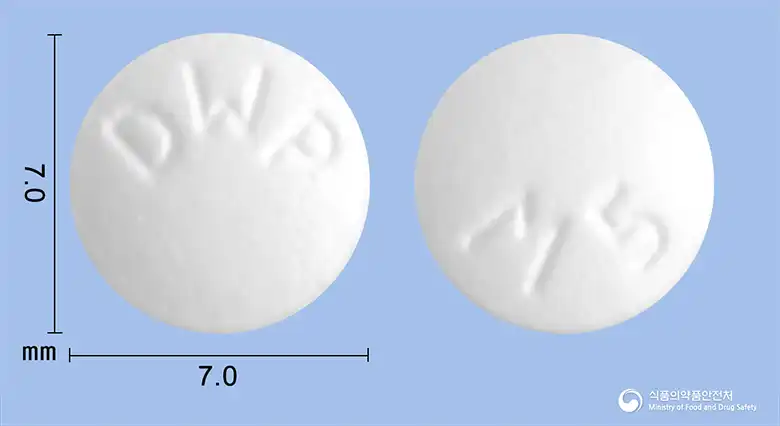
Miglitol 50mg
Tablet · Prescription medication
Daewon Pharmaceutical Co., Ltd.
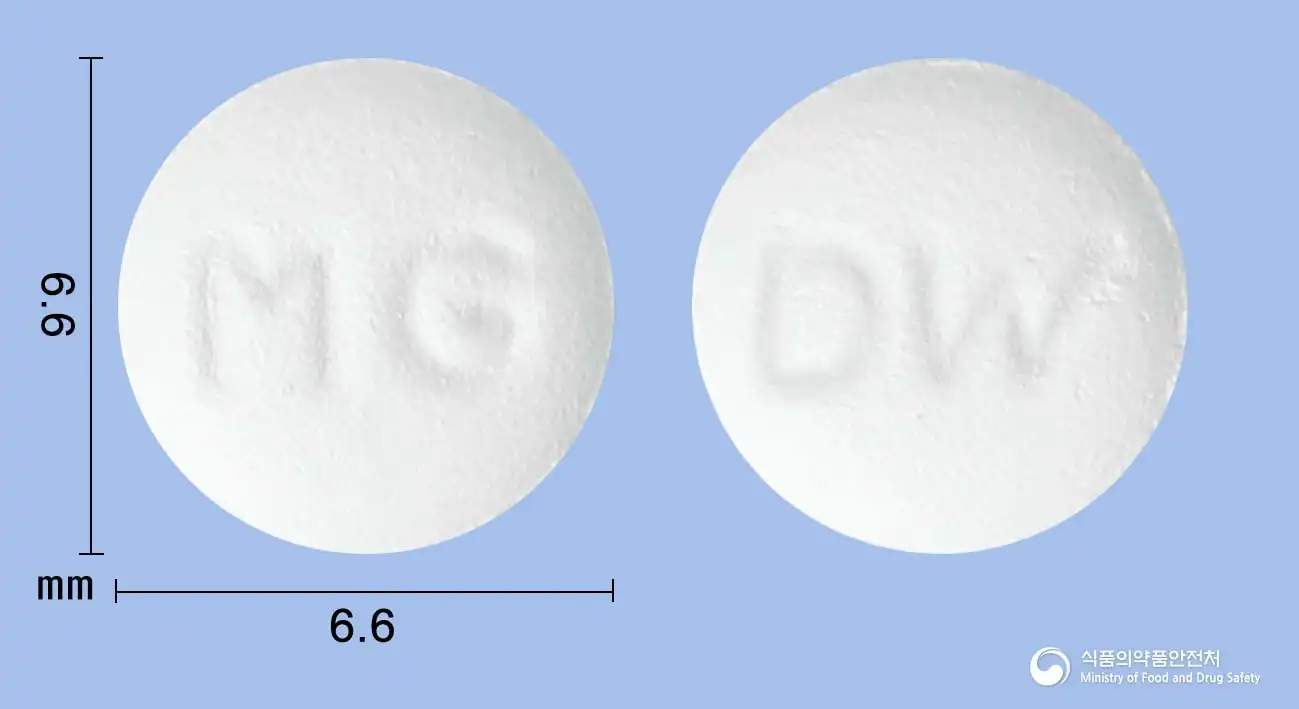
Miglitol 50mg
Tablet · Prescription medication
Daewoong Pharmaceutical Co., Ltd.
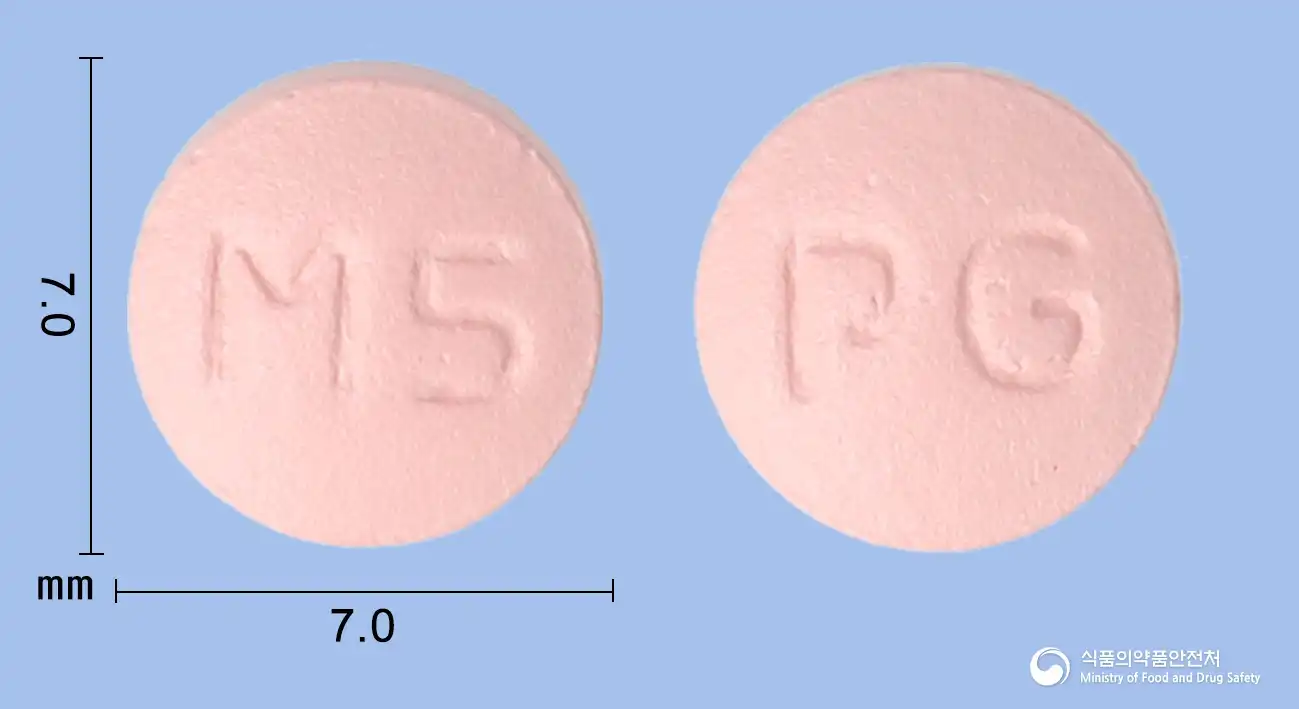
Miglitol 50mg
Tablet · Prescription medication
Palmgen Science Co., Ltd.
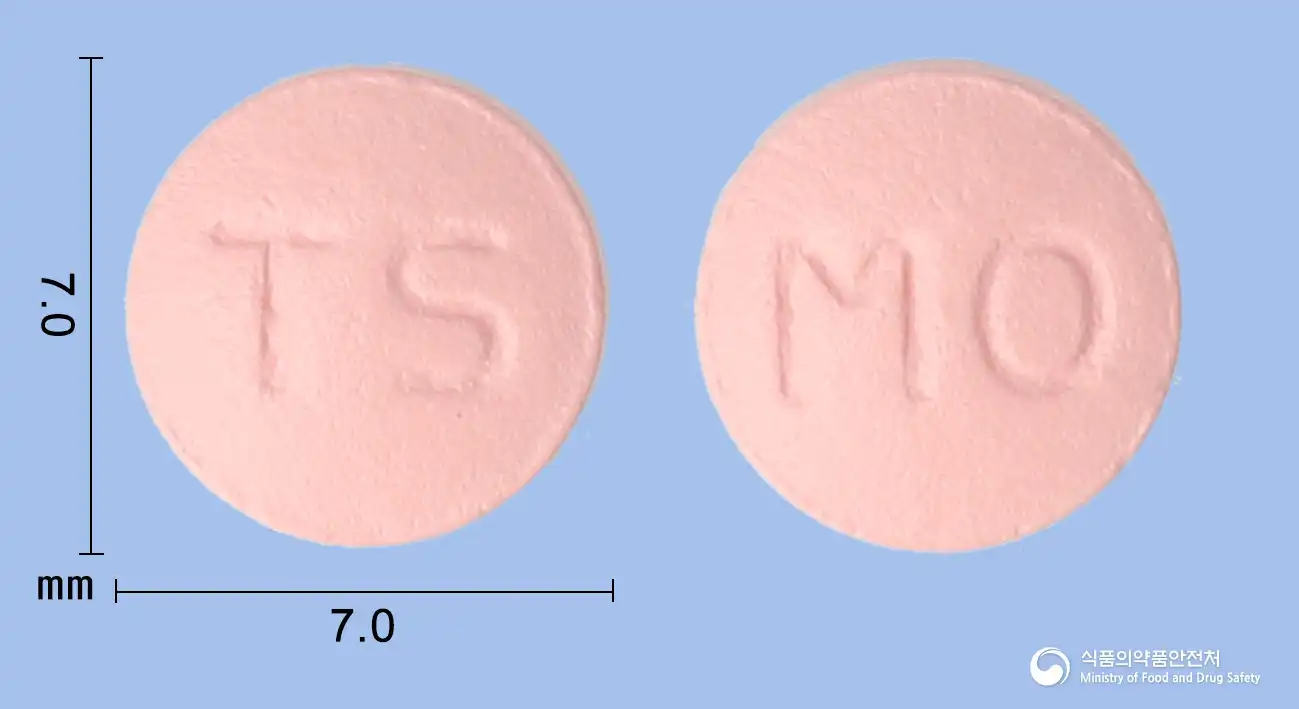
Miglitol 50mg
Tablet · Prescription medication
KMS Pharmaceutical Co., Ltd.
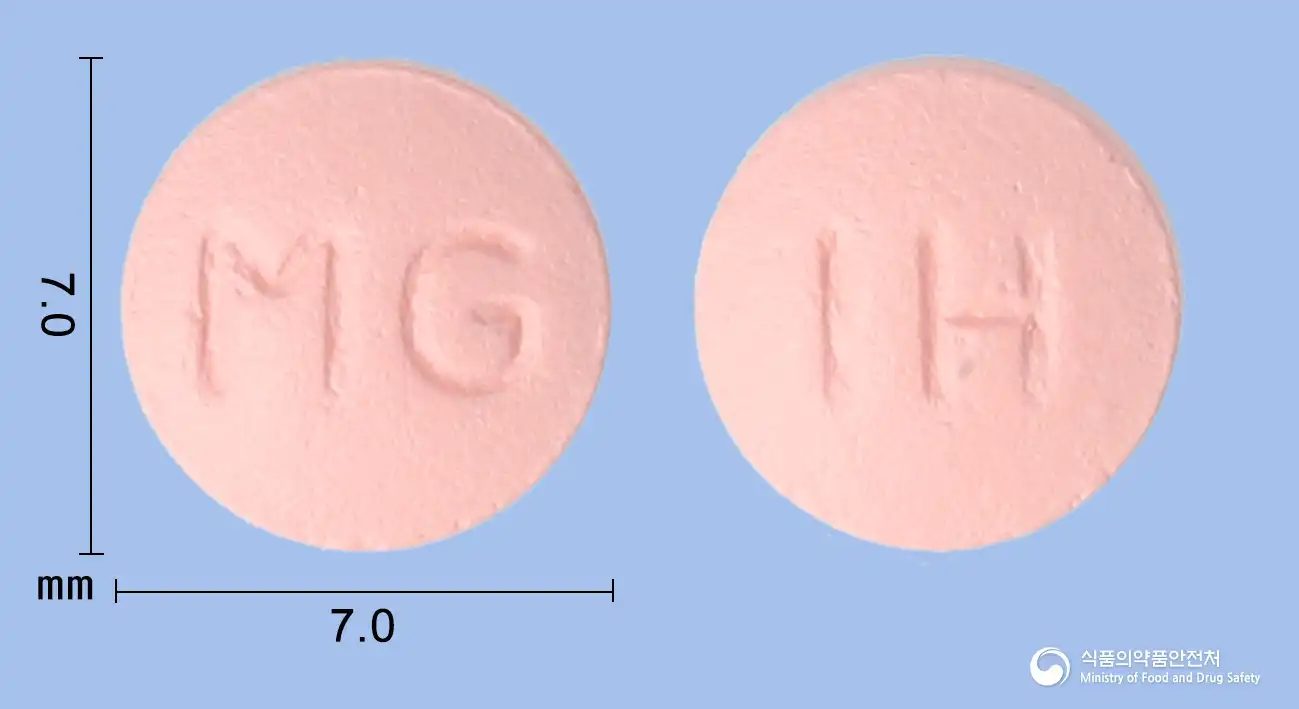
Miglitol 50mg
Tablet · Prescription medication
Ilhwa Co., Ltd.
Miglitol 50mg
Tablet · Prescription medication
Huons Co., Ltd.
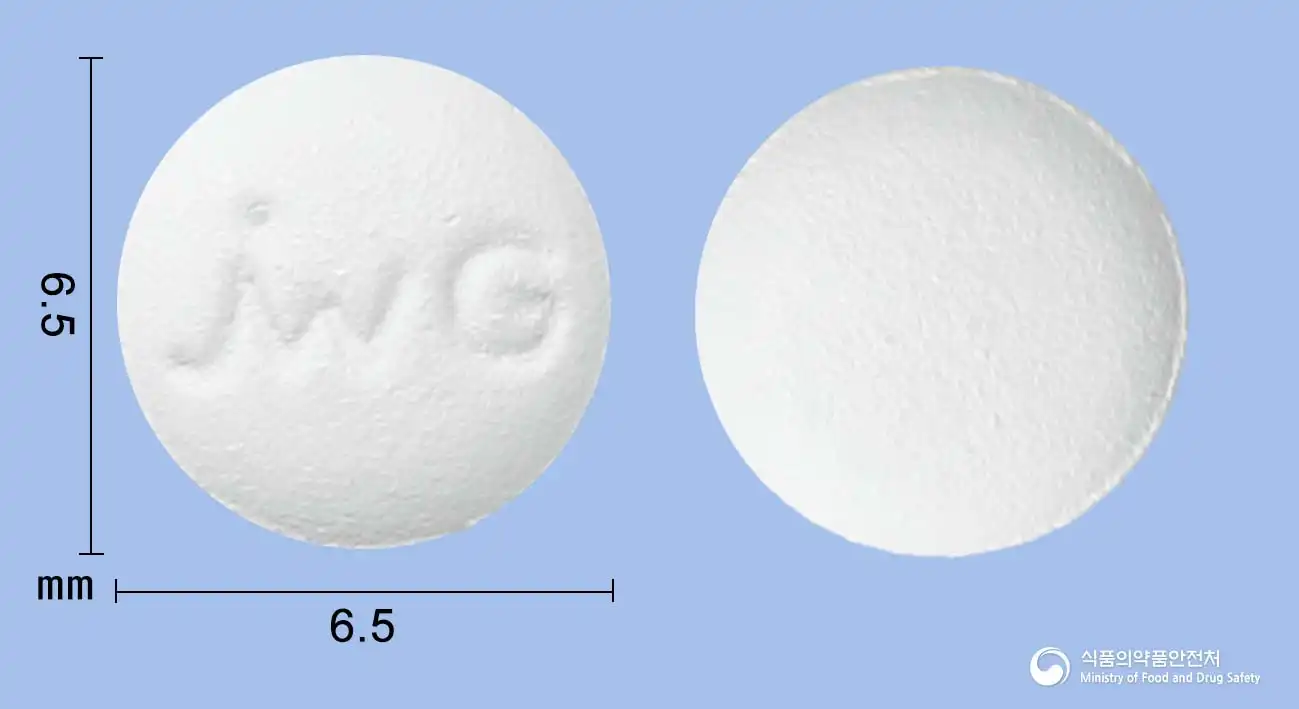
Miglitol 50mg
Tablet · Prescription medication
JW Pharmaceutical Co., Ltd.
Even with the same ingredient, the dose and directions can differ by strength and dosage form. Talk to a doctor or pharmacist before switching from a medication you are already taking.
No questions yet.
For anything that needs medical judgment, consult a doctor or pharmacist.
This drug information is based on data provided by the Korea Ministry of Food and Drug Safety.
Consult a doctor or pharmacist for accurate dosage, administration, and usage instructions.