
 한국어
한국어 English
 日本語
日本語 中文(简体)
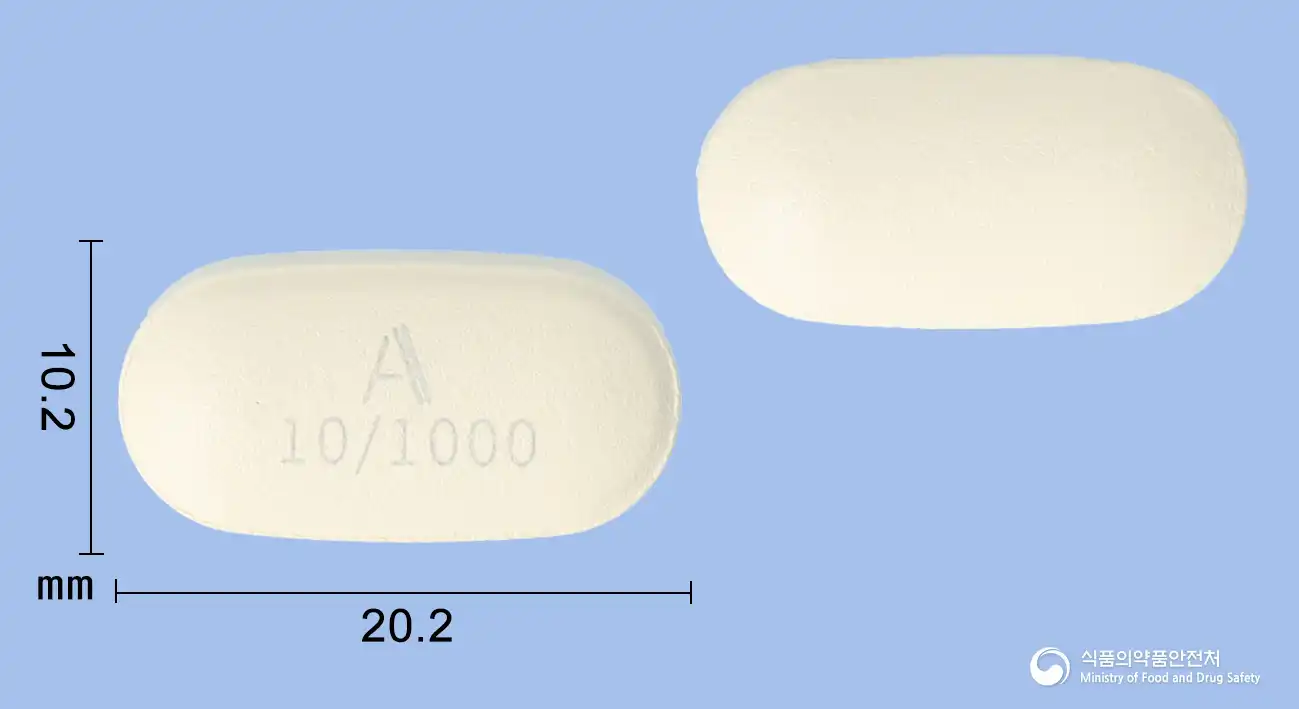 Viewing nowCombination
Empagliflozin/Metformin Extended-Release Tablet 10/1000 mg
Metformin Hydrochloride 1000mg · Empagliflozin Amorphous 10mg
Tablet · Prescription medication · Combination
Aprogen Biosystems, Co., Ltd.
MFDS item code 202501135 · Approved 2025.05.09 · Insurance code 645211080
Blood sugar control in adults with type 2 diabetes and preventive effect on cardiovascular events
This drug is used to help control blood sugar in adults with type 2 diabetes who are following a diet and exercise regimen. It is particularly used in adults with type 2 diabetes who do not achieve sufficient blood sugar control and have cardiovascular disease; the impact on the occurrence of cardiovascular events should be considered according to expert guidelines. Therefore, this drug helps improve blood sugar management and is included in an appropriate treatment plan to enhance the patient's health.
The recommended dose is one tablet containing 10 mg of empagliflozin and 1000 mg of metformin hydrochloride (extended-release) once daily with meals. To reduce gastrointestinal adverse effects associated with metformin, it should be taken with the evening meal. For the extended-release properties to remain intact, do not cut, crush, break, or chew the tablet; swallow it whole. Dosage adjustment may be necessary based on renal function, and dosage reductions are recommended for patients with mild renal impairment.
This drug helps to control blood sugar levels. However, there are several precautions to be aware of when taking this medication. Firstly, one of the main ingredients, metformin, can rarely cause a serious condition known as lactic acidosis. Lactic acidosis is a condition that occurs when lactic acid builds up excessively in the body, which can be life-threatening if not treated. Additionally, taking this drug along with other diabetes medications such as insulin or sulfonylureas can increase the risk of hypoglycemia. This medication is not to be administered to patients with significantly impaired kidney function, acute infections, heart problems, or liver dysfunction. It is especially safe to avoid use in patients with moderate to severe kidney dysfunction. Patients scheduled for surgery or those undergoing tests that use iodine-based contrast agents should temporarily discontinue taking this medication. This drug may reduce the body's fluid levels, so extra caution should be taken in cases of dehydration, diarrhea, or vomiting, and it should be used carefully in elderly patients or those at risk of decreased fluid volume. During treatment, it is important to regularly monitor not only blood sugar but also kidney function. Also, vitamin B12 levels may decrease, so blood tests should be conducted if necessary. This drug may increase the risk of genital infections and urinary tract infections; consult a doctor immediately if related symptoms occur. Women who are pregnant, may become pregnant, or are breastfeeding are advised not to use this medication. Overdosage may lead to serious side effects, so if more than the prescribed amount is taken, seek medical attention right away. Lastly, this drug should be swallowed whole without crushing, chewing, or breaking the tablet, and it's normal for the tablet coating to appear in the stool. By following these precautions carefully, this medication can help with blood sugar control.
Hives, severe swelling (angioedema), chest tightness, difficulty breathing, cold sweat, pallor, severe allergic reactions, severe rash with high fever, blisters, skin peeling, pain in mucous membranes of mouth/eyes, severe skin adverse reactions, shortness of breath or difficulty breathing, asthma attacks, cough + breathing issues accompanied by fever, yellowing of skin or eyes (jaundice), extreme fatigue, liver problems (jaundice), sudden and severe headache
Not everyone experiences these, and they can vary from person to person.
This drug should be stored in a tightly closed container to protect it from air or moisture and should be kept at room temperature between 1 to 30 degrees Celsius. Storing it this way will help maintain the drug's effectiveness for a longer period.
Yellow, oblong, extended-release film-coated tablet
30 tablets/bottle
Even with the same ingredient, strength, dosage form and how it is taken can differ.
Viewing nowCombinationMetformin Hydrochloride 1000mg · Empagliflozin Amorphous 10mg
Tablet · Prescription medication · Combination
Aprogen Biosystems, Co., Ltd.
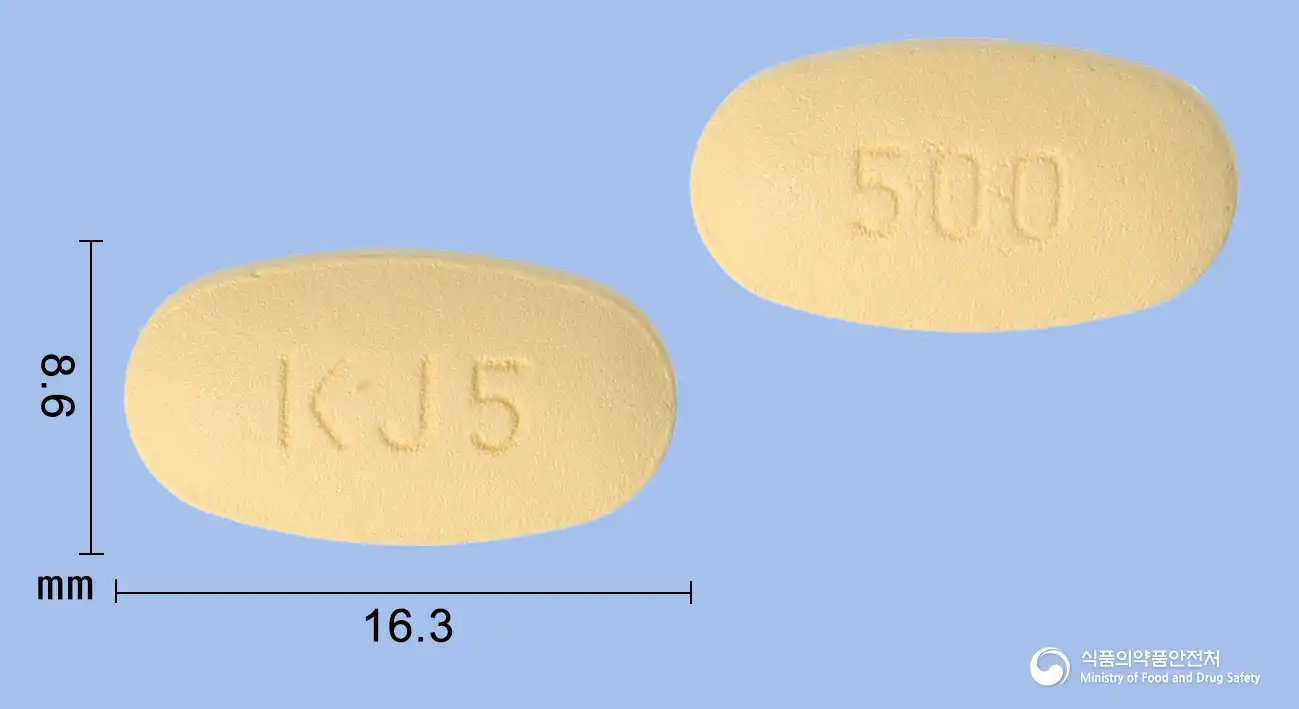 Combination
Empagliflozin Amorphous 5mg · Metformin Hydrochloride 500mg
Tablet · Prescription medication · Combination
International Pharmaceutical Co., Ltd.
Empagliflozin Amorphous 5mg · Metformin Hydrochloride 850mg
Tablet · Prescription medication · Combination
International Pharmaceutical Co., Ltd.
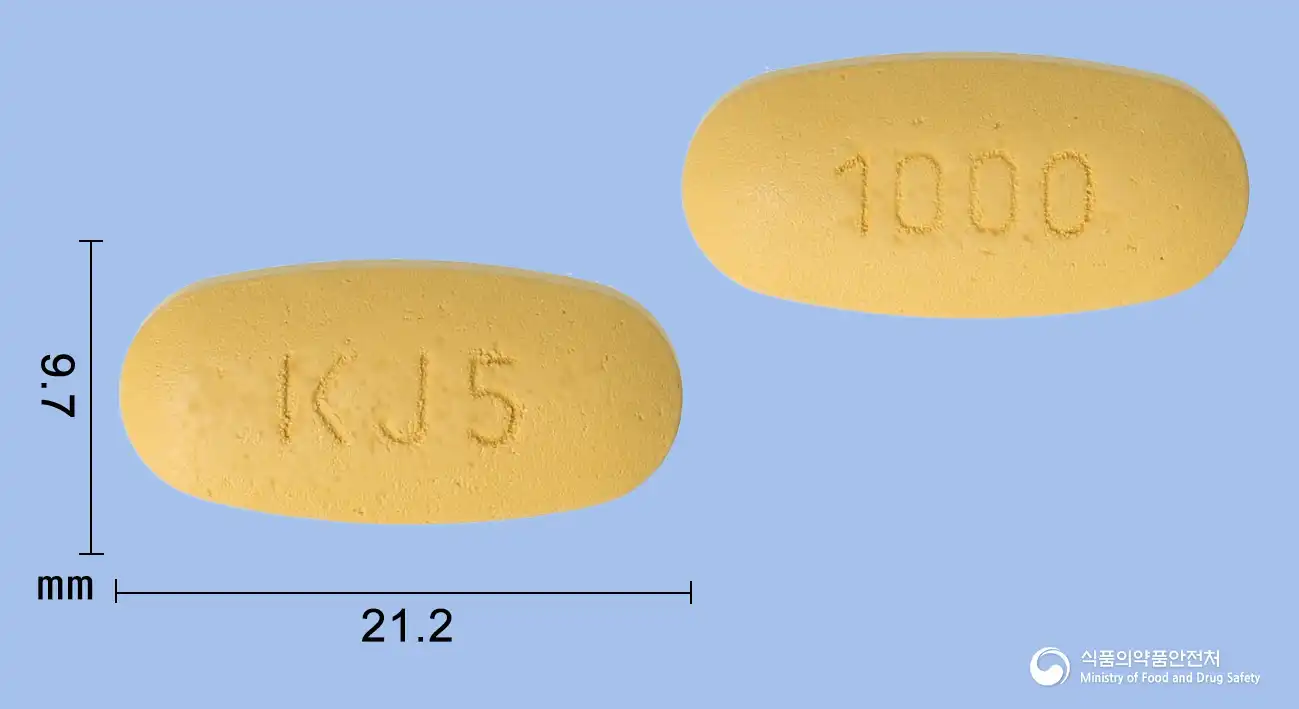 Combination
Empagliflozin Amorphous 5mg · Metformin Hydrochloride 1000mg
Tablet · Prescription medication · Combination
International Pharmaceutical Co., Ltd.
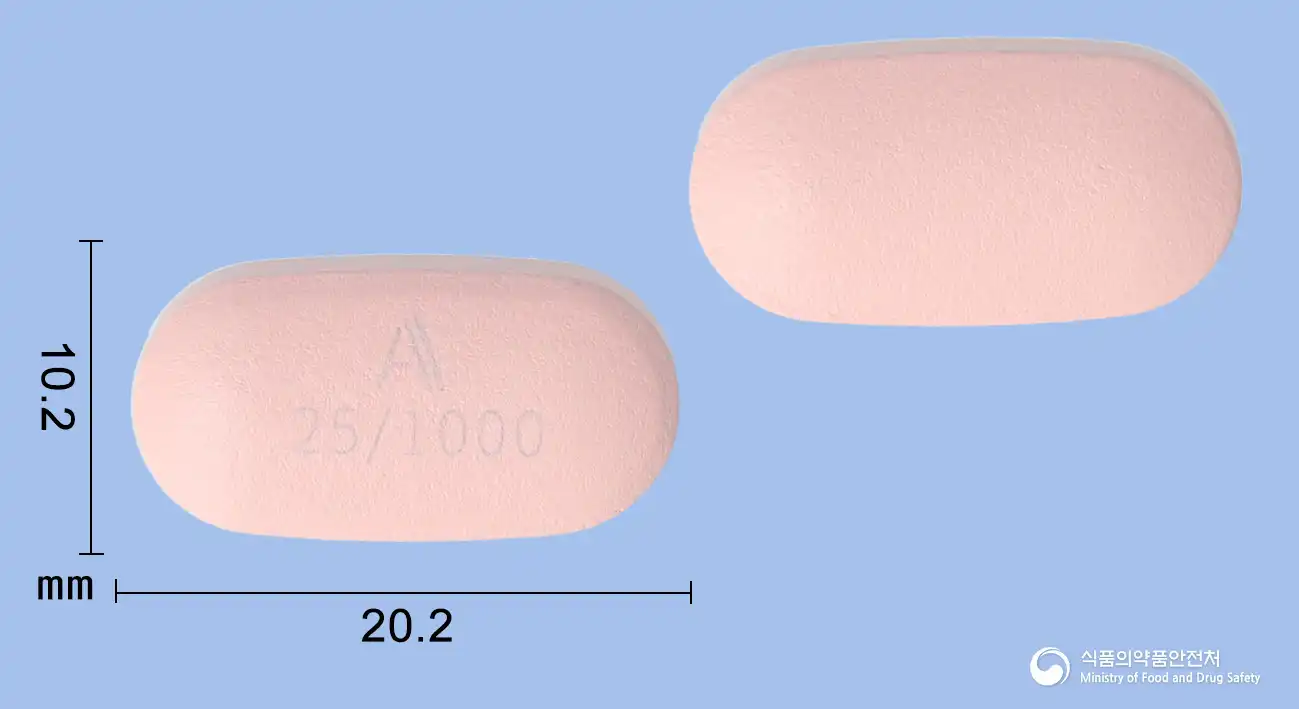 Combination
Metformin Hydrochloride 1000mg · Empagliflozin Amorphous 25mg
Tablet · Prescription medication · Combination
Aprogen Pharmaceuticals Co., Ltd.
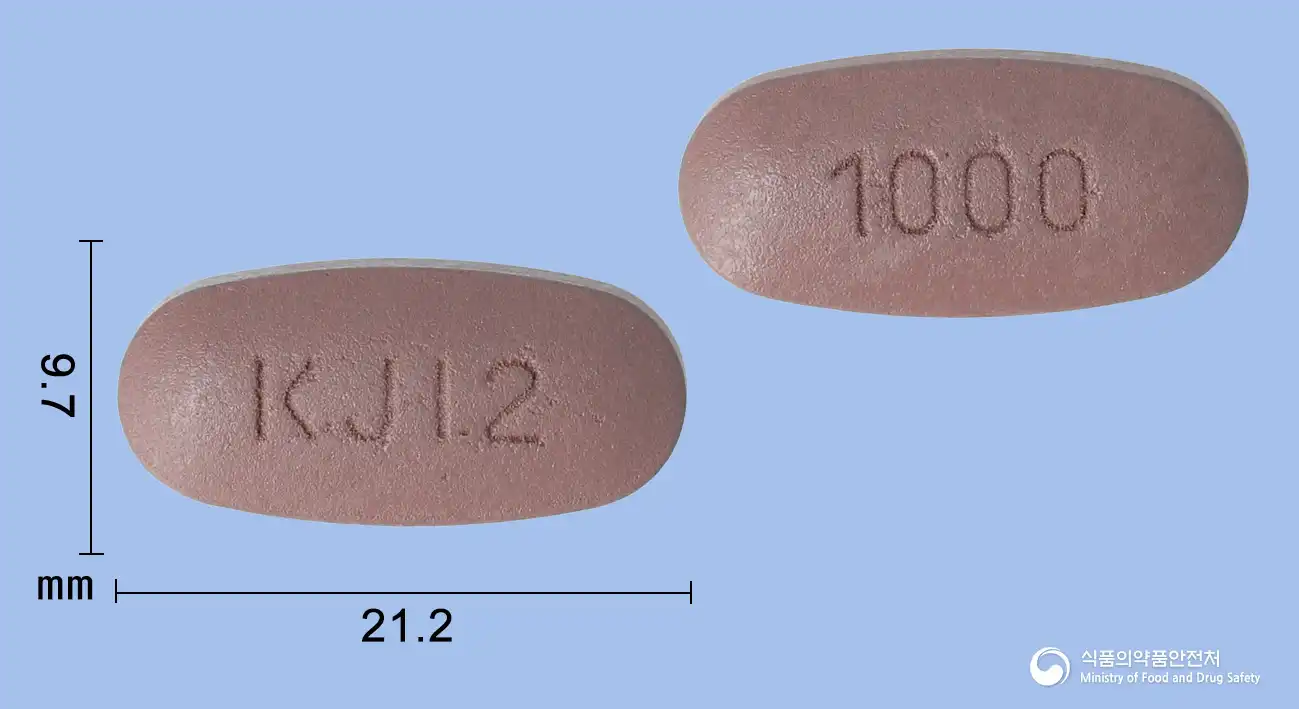 Combination
Empagliflozin Amorphous 12.5mg · Metformin Hydrochloride 1000mg
Tablet · Prescription medication · Combination
International Pharmaceutical Co., Ltd.
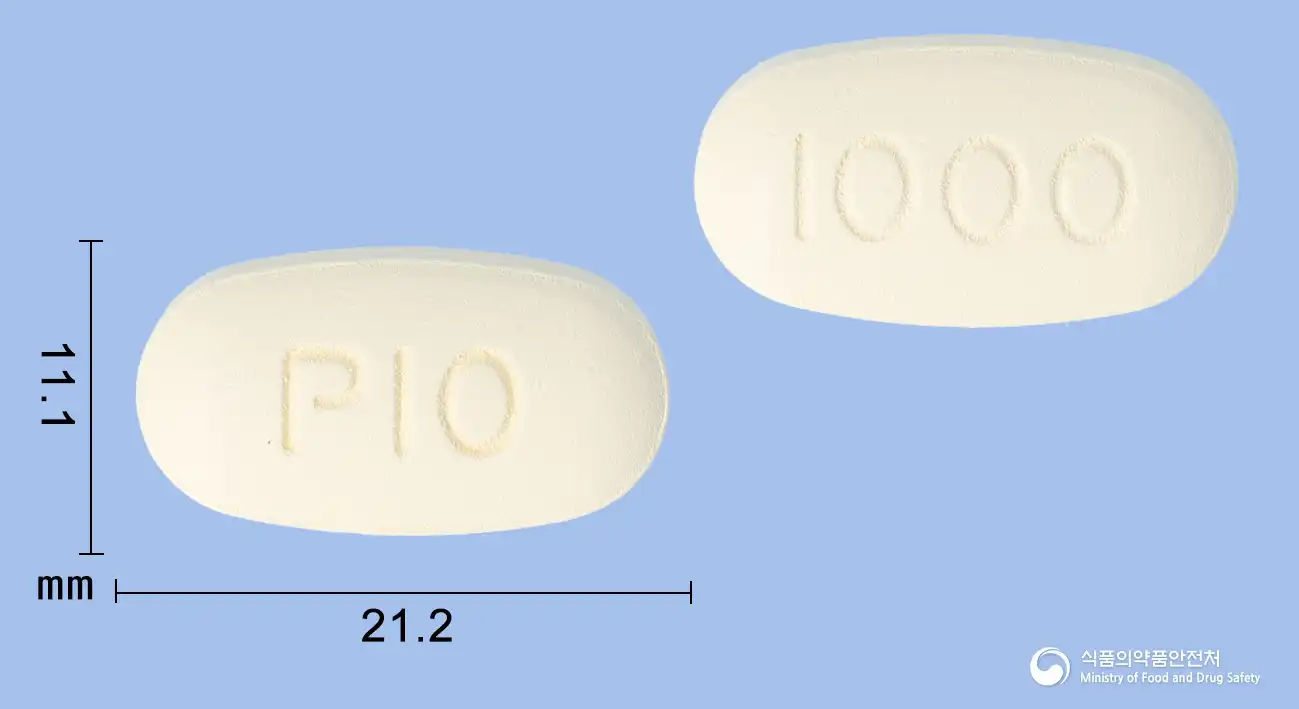 Combination
Empagliflozin Amorphous 10mg · Metformin Hydrochloride 1000mg
Tablet · Prescription medication · Combination
Korea Prime Pharmaceutical Co., Ltd.
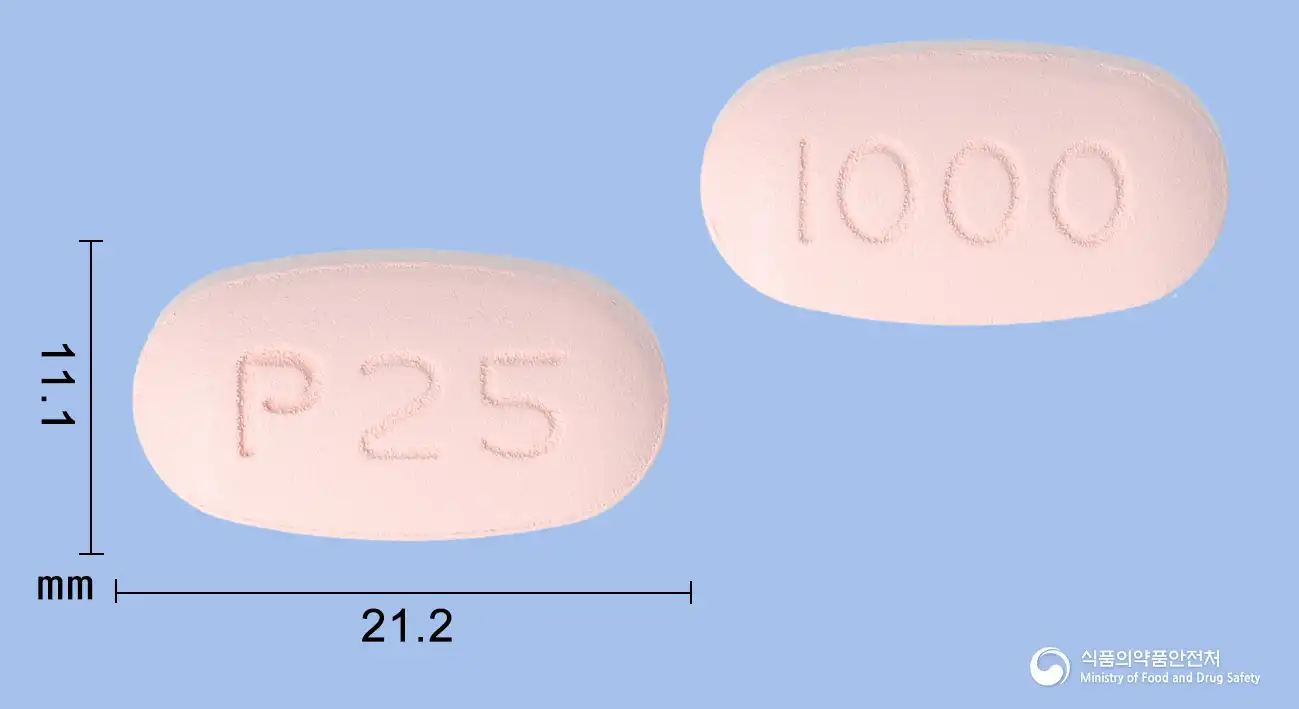 Combination
Empagliflozin Amorphous 25mg · Metformin Hydrochloride 1000mg
Tablet · Prescription medication · Combination
Korea Prime Pharmaceutical Co., Ltd.
Even with the same ingredient, the dose and directions can differ by strength and dosage form. Talk to a doctor or pharmacist before switching from a medication you are already taking.
No questions yet.
For anything that needs medical judgment, consult a doctor or pharmacist.
This drug information is based on data provided by the Korea Ministry of Food and Drug Safety.
Consult a doctor or pharmacist for accurate dosage, administration, and usage instructions.