
 한국어
한국어 English
 日本語
日本語 中文(简体)
 Viewing nowCombination
Oralpanji Jeong
Anhydrous Sodium Sulfate 1125mg · Potassium Sulfate 201.07mg +2 more
Tablet · Prescription medication · Combination
Korea Pharma Bio Co., Ltd.
MFDS item code 202500683 · Approved 2025.03.25
Colon cleansing effect for pre-treatment before colon examination
This medication is used to cleanse the intestines in preparation for a colon X-ray or endoscopic examination. It helps to remove waste and residue remaining in the intestines, allowing for accurate testing. It is very important to prepare the intestinal environment before the examination to enhance the accuracy of the test results. Such pre-treatment intestinal cleansing medications reduce discomfort during examinations by removing unnecessary intestinal contents and increase the reliability of diagnoses. Therefore, it is essential for safe and effective examination.
1) The day before the examination: Take 1 bottle (48 tablets) of this medication in the early evening with 425 mL of water, and subsequently consume 425 mL of water two more times over the next hour. 2) On the day of the examination: After taking the medication the evening before, after an interval of 10 to 12 hours, take an additional 1 bottle (48 tablets) with 425 mL of water in the morning of the examination, followed by two more doses of 425 mL of water over the next hour.
This medication should not be used in patients who are allergic to this medication or its ingredients. It should also not be used in patients with suspected blockage or perforation of the gastrointestinal tract, patients with impaired gastric motility, or patients with intestinal obstruction. Patients with severely impaired kidney function, severe dehydration, ascites, or poor heart function should not use this medication. Caution should be exercised when using this medication in patients with severe fluid or blood test abnormalities, a history of seizures, or those at high risk for seizures, and those at risk of arrhythmias. Additionally, caution is needed in patients taking other medications that may affect kidney function, those with lesions in the colorectal mucosa or ischemic colitis, and those with severe ulcerative colitis. Patients with poor vomiting reflexes or at risk for aspiration should also be carefully treated. Common symptoms from taking this medication may include abdominal distension, nausea, vomiting, and abdominal pain, and rare cases of colitis may also occur. During the use of this medication, diarrhea may occur so adequate hydration is necessary. If severe vomiting or dehydration appears, electrolyte and kidney function should be checked through blood tests alongside the colon examination due to the risk of severe side effects including arrhythmias, seizures, and kidney issues. Patients with electrolyte abnormalities should correct their electrolyte status to normal before taking this medication, and patients at risk for electrolyte or fluid imbalance need to be monitored more closely. This medication can rarely cause seizures or loss of consciousness, which is related to electrolyte imbalances. Patients with a history of seizures or at high risk for seizures need to be treated with increased caution. This medication can temporarily increase blood uric acid levels, which may cause gout attacks in patients with gout, so caution is advised. Patients at high risk for cardiac arrhythmias should use this medication with caution, and an ECG examination may be warranted if necessary. Patients with impaired kidney function or those taking medications that may affect kidney function should regularly check their kidney function through blood tests alongside adequate hydration. This medication can cause ulcers in the colorectal mucosa and, in severe cases, ischemic colitis, so caution is needed in patients with inflammatory bowel diseases. When taking the tablets, take them with sufficient water, and drink additional water to prevent dehydration and electrolyte imbalance. It is advisable to consume only light meals or clear liquids the day before and on the day of the examination. This medication includes components that eliminate gas in the intestines during colonoscopic examination. Caution is needed when taking this medication with other drugs that may pose a risk for electrolyte imbalance. Taking other oral medications within 1 hour after taking this medication may interfere with absorption, so caution is necessary. The safety of this medication has not been fully established in pregnant women; it should only be administered when the diagnostic benefits outweigh the risks. It is also unknown whether this medication is excreted in breast milk, so caution is warranted for breastfeeding mothers. The safety and efficacy in children have not been established. It can be used in elderly patients over 65 years of age, and no significant differences have been reported compared to younger patients. This medication should be kept out of reach of children and should not be transferred to other containers.
Severe allergic reactions (hypersensitivity), serious arrhythmias, seizures, loss of consciousness, severe edema, kidney impairment, severe electrolyte disturbances, severe active ulcerative colitis, ischemic colitis, gastrointestinal obstruction or perforation, severe heart failure, severe edema, cardiac problems due to arrhythmias
Not everyone experiences these, and they can vary from person to person.
This medication must be kept in a tightly sealed container to prevent exposure to air or moisture. It is important to maintain a storage temperature between 1 to 30 degrees Celsius. This helps to maintain the effectiveness and safety of the medication.
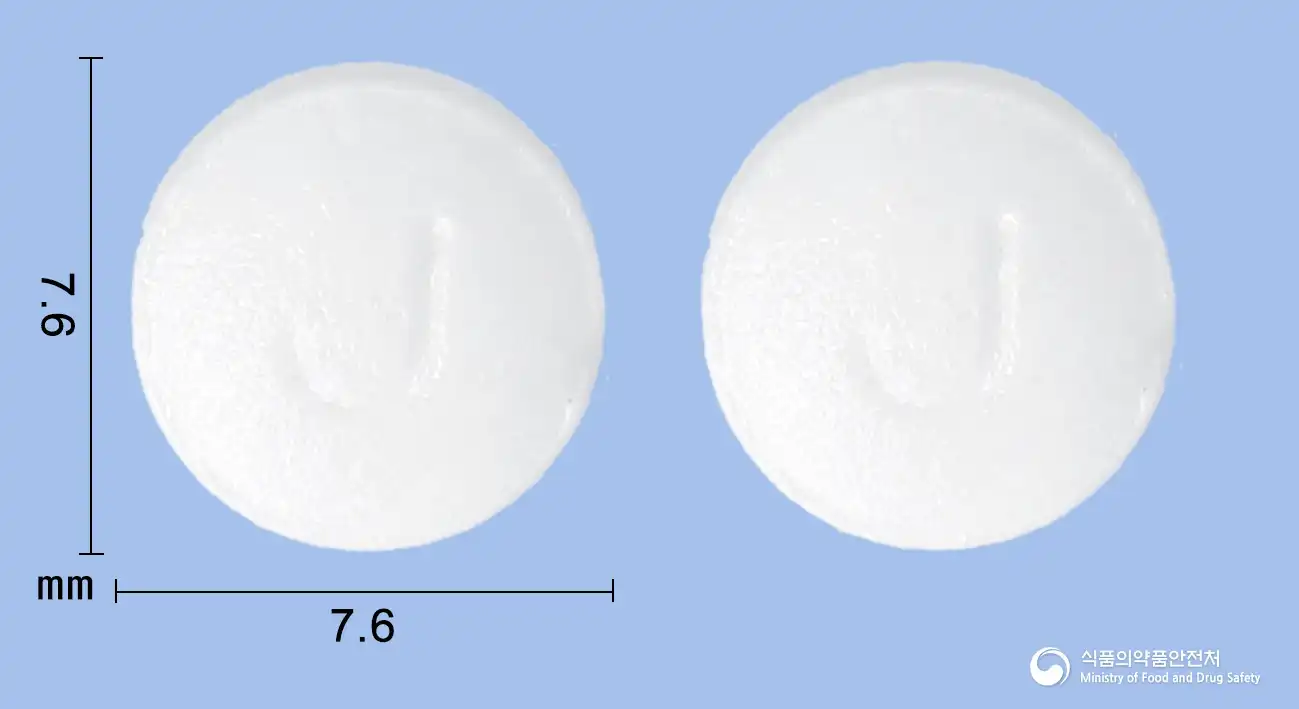
White to whitish round film-coated tablets
1 bottle (48 tablets) × 2 bottles / box
Even with the same ingredient, strength, dosage form and how it is taken can differ.
Viewing nowCombinationAnhydrous Sodium Sulfate 1125mg · Potassium Sulfate 201.07mg +2 more
Tablet · Prescription medication · Combination
Korea Pharma Bio Co., Ltd.
 Combination
Anhydrous Sodium Sulfate 1125mg · Potassium Sulfate 201.07mg +2 more
Tablet · Prescription medication · Combination
Korea Pharm Bio Co., Ltd.
Even with the same ingredient, the dose and directions can differ by strength and dosage form. Talk to a doctor or pharmacist before switching from a medication you are already taking.
No questions yet.
For anything that needs medical judgment, consult a doctor or pharmacist.
This drug information is based on data provided by the Korea Ministry of Food and Drug Safety.
Consult a doctor or pharmacist for accurate dosage, administration, and usage instructions.