
 한국어
 English
 日本語
 中文(简体)
 Viewing now
Dexpen Soft Capsules (Dexibuprofen)
Dexibuprofen 300mg
Soft capsule · OTC medication
Gyeongnam Pharmaceutical Co., Ltd.
MFDS item code 202500677 · Notified 2025.03.24
Relief of pain, swelling, and inflammation after trauma or surgery; treatment of joint disorders; adjunctive treatment of infections
This medication is used to treat inflammatory joint diseases such as chronic polyarthritis, rheumatoid arthritis, and ankylosing spondylitis. It also helps relieve pain and stiffness caused by arthritis, as well as reduce swelling and inflammation that occurs after trauma or surgery. This drug is additionally used as an adjunctive treatment for infections accompanied by inflammation, pain, and fever. In other words, it is used effectively to improve joint-related diseases and inflammatory symptoms.
Adults: Administer 300 mg of dexibuprofen per dose orally 2~4 times daily (take). Do not exceed 1,200 mg of dexibuprofen per day.
This medication may pose a risk of gastrointestinal bleeding if taken by individuals who regularly consume three or more alcoholic drinks daily, so consultation with a doctor or pharmacist is essential. This drug may affect the cardiovascular system, posing a risk of serious vascular issues such as myocardial infarction or stroke. Particular caution is warranted for those with cardiovascular disease or risk factors, and if cardiovascular symptoms appear during treatment, immediate consultation with healthcare professionals is required. This medication may cause serious issues such as ulcers, bleeding, or perforation in the stomach or intestines, so it should be used cautiously in the elderly or those with a history of gastrointestinal disease. Symptoms such as heartburn, abdominal pain, or blood in the stool should prompt immediate consultation with a physician. Individuals with a history of gastrointestinal ulcers or bleeding or those with severe liver, kidney, or heart disease should refrain from taking this medication for safety. Additionally, those allergic to this drug or its components, as well as those with a history of asthma, should avoid its use. Concomitant use with aspirin or other non-steroidal anti-inflammatory medications may increase the risk of gastrointestinal bleeding, so it is advisable not to take them together. It should also not be used together with high-dose methotrexate. During treatment, it is recommended to discontinue breastfeeding or stop taking the medication, as it may cause dizziness or fatigue, necessitating caution while driving or operating machinery. Long-term high-dose use may lead to headaches. Individuals with blood disorders, liver disease, kidney disease, hypertension, heart failure, or if they are elderly or children (6 years or older) should consult a physician or pharmacist before use. If shock, severe skin rash, difficulty breathing, liver dysfunction, kidney dysfunction, or neurological symptoms occur during treatment with this drug, it should be stopped immediately and medical advice sought. This drug should be used for the shortest duration and lowest effective dose possible, and regular blood tests and checks of liver and kidney function are necessary during long-term use. Additionally, since this medication may mask symptoms of infections, caution is warranted in case of suspected infections. Particularly after the sixth month of pregnancy, there may be side effects on the fetus, so it is best to avoid use or consult a physician. In case of overdose, regardless of symptoms, prompt medical attention is required, and it should be kept out of reach of children, stored in a cool, dry place away from direct sunlight.
Gastrointestinal bleeding, serious cardiovascular thrombotic reactions, myocardial infarction, stroke, gastric or intestinal bleeding, ulcers, perforation, dyspepsia, abdominal distension, heartburn, epigastric pain, diarrhea, constipation, loss of appetite, nausea, vomiting, abdominal pain, gastric discomfort, esophagitis, esophageal stenosis, diverticulitis exacerbation, nonspecific hemorrhagic colitis, ulcerative colitis, Crohn's disease, peptic ulcer gastrointestinal bleeding, perforation, hematochezia, gastritis, pancreatitis, dry mouth, stomatitis, erythema multiforme, systemic lupus erythematosus, hair loss, angioedema, Stevens-Johnson syndrome, drug rash with eosinophilia and systemic symptoms, acute generalized exanthematous pustulosis, rash, urticaria, pruritus, purpura, asthma attacks, eczema, anaphylactic reaction, photosensitivity reaction, jaundice, elevated ALT, elevated AST, elevated ALP, abnormal liver function, hepatitis, rhinitis, bronchospasm, acute pneumonia, negligence, cancer infiltration, visual impairment, hearing loss, tinnitus, taste disturbances, fatigue, drowsiness, headache, dizziness, anxiety, restlessness, confusion, depression, aseptic meningitis, mental disorders, agitation, excitement, disorientation, reversible toxic slowness, hypotension, hypertension, palpitations, acute renal failure, oliguria, hematuria, proteinuria, elevated BUN, elevated serum creatinine, hyperkalemia, decreased urine output, generalized edema, shortness of breath, renal papillary necrosis, nephrotic syndrome, interstitial nephritis, peripheral edema, acute pulmonary edema, fluid retention, Conn's syndrome, decreased reproductive capacity in females, periorbital edema, lethargy, fever, nosebleeds, worsening of inflammation, whining, facial swelling, dyspepsia, pruritus, anaphylactic shock, rash, diarrhea, vomiting
Not everyone experiences these, and they can vary from person to person.
This medication should be stored in a tightly sealed container to prevent exposure to air or moisture. It is important to maintain a storage temperature between 1 and 30 degrees Celsius.
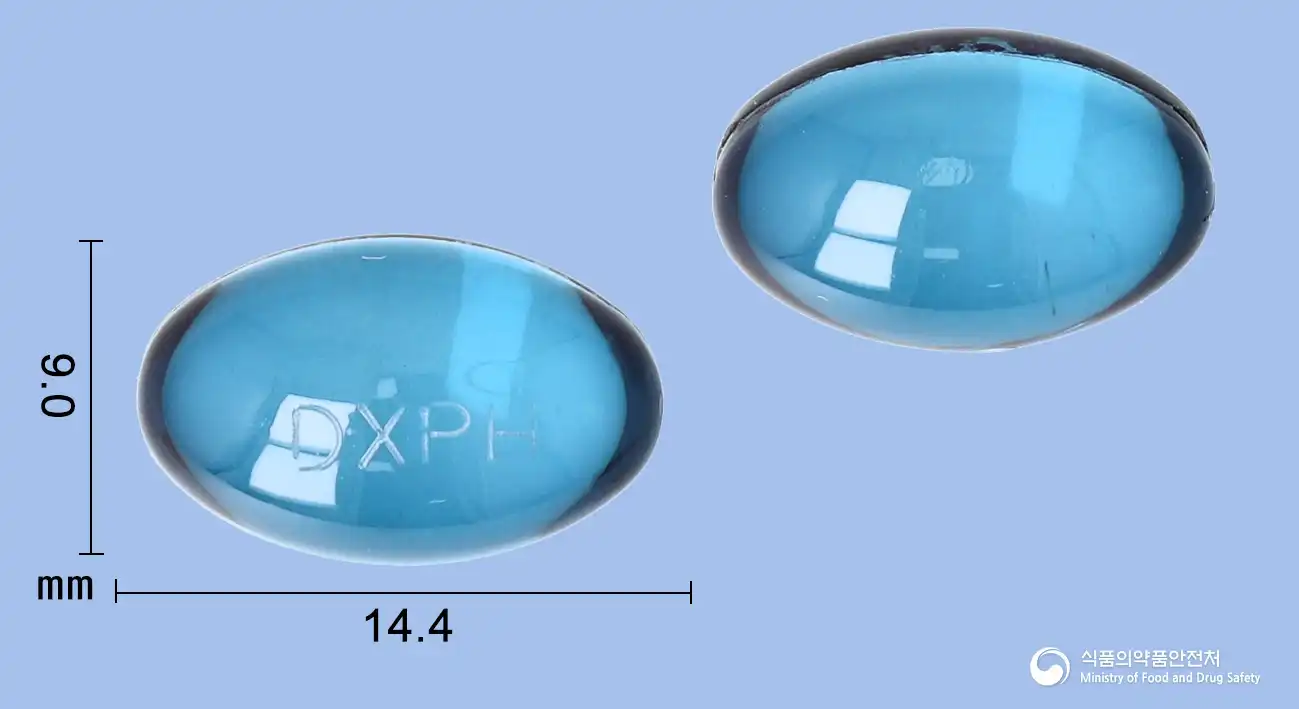
A blue transparent oval soft capsule containing a colorless to pale blue transparent substance.
10 capsules/box [10 capsules/PTP*1]
Even with the same ingredient, strength, dosage form and how it is taken can differ.
Viewing nowDexibuprofen 300mg
Soft capsule · OTC medication
Gyeongnam Pharmaceutical Co., Ltd.
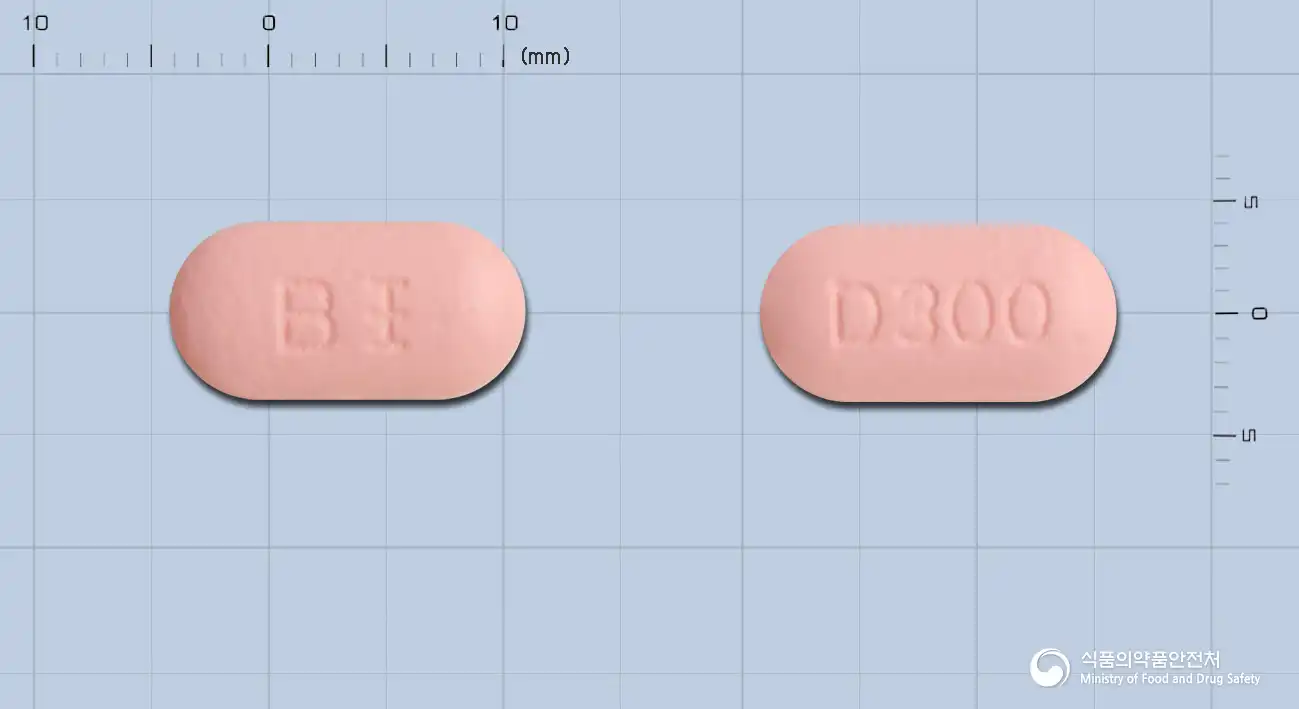
Dexibuprofen 300mg
Tablet · OTC medication
Bionex Co., Ltd.

Dexibuprofen 300mg
Tablet · OTC medication
Anguk Pharmaceutical Co., Ltd.
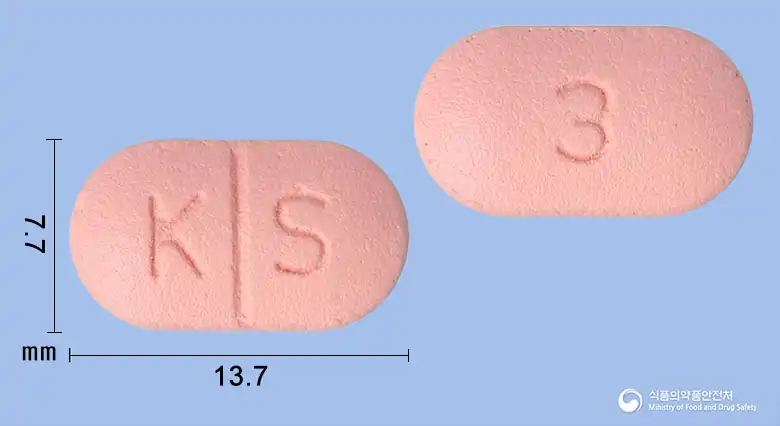
Dexibuprofen 300mg
Tablet · OTC medication
Aprogen Pharmaceuticals, Co., Ltd.
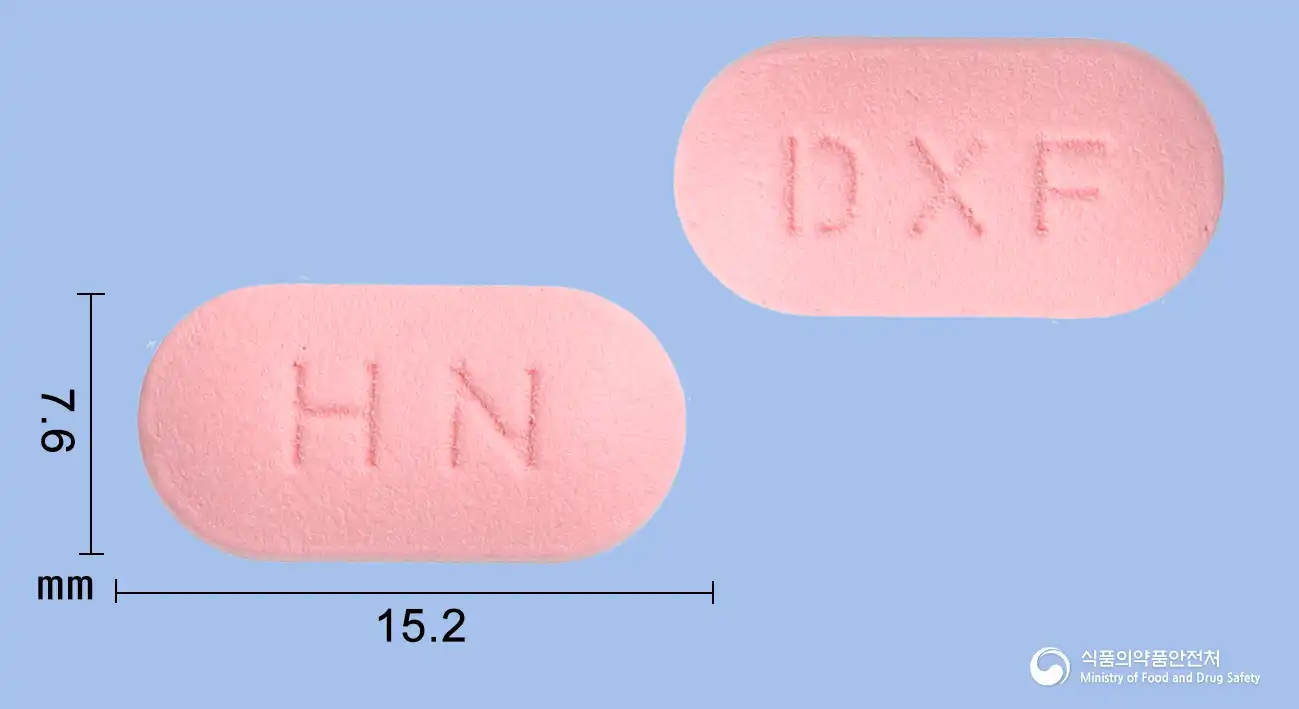
Dexibuprofen 300mg
Tablet · OTC medication
Hana Pharmaceutical Co., Ltd.
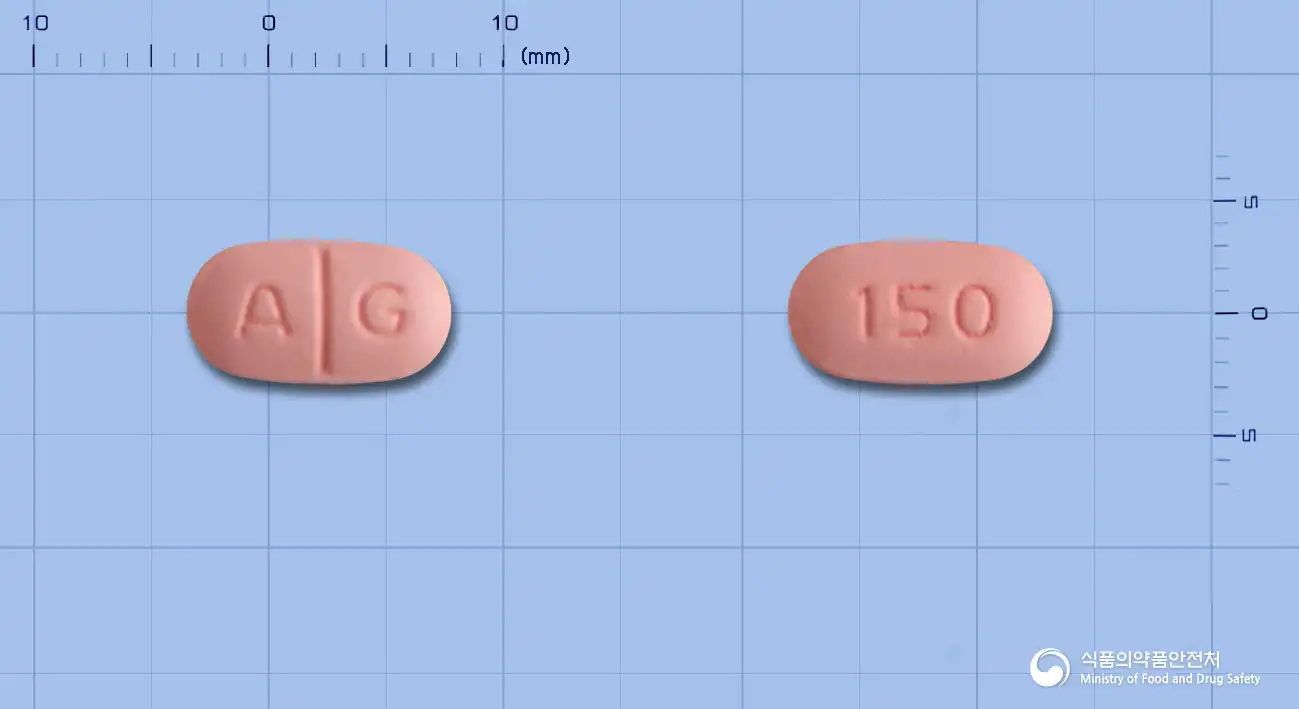
Dexibuprofen 150mg
Tablet · OTC medication
Anguk Pharm Co., Ltd.
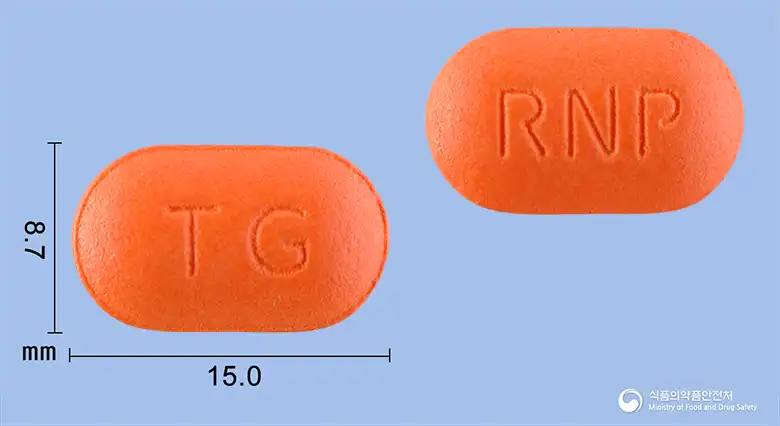
Dexibuprofen 300mg
Tablet · OTC medication
Taeguk Pharmaceutical Co., Ltd.
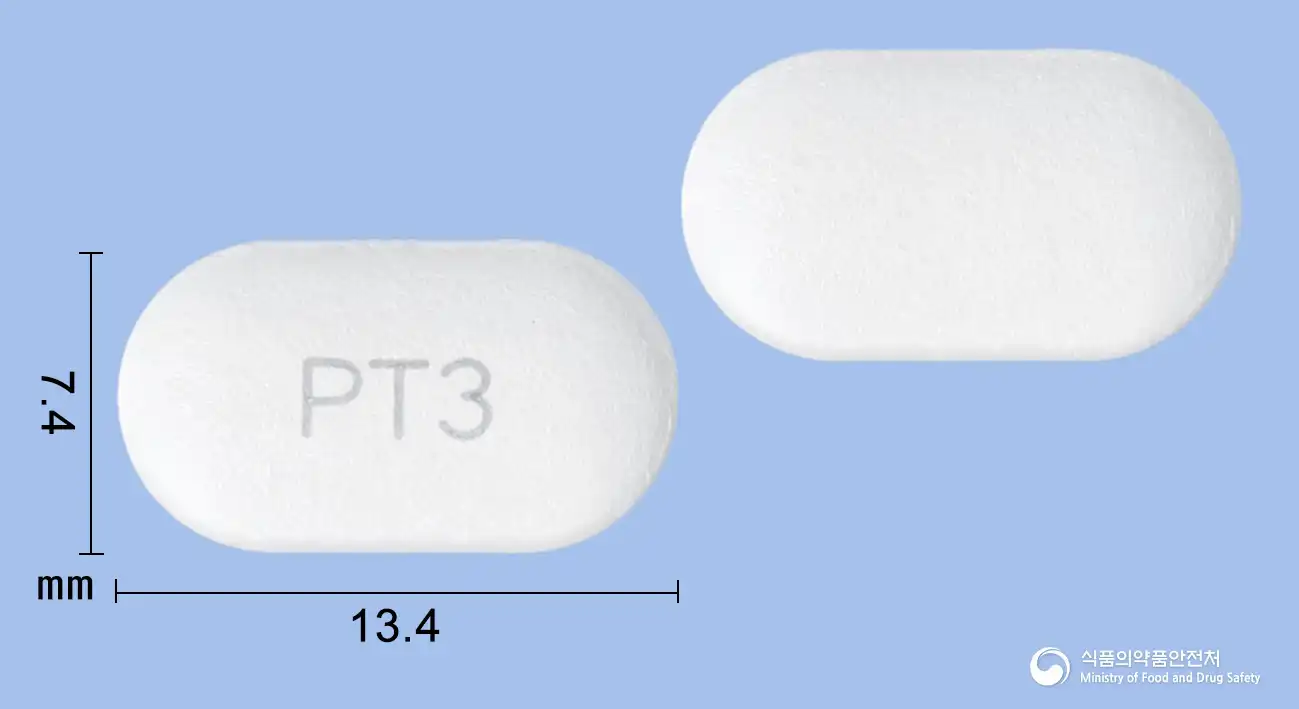
Dexibuprofen 300mg
Tablet · OTC medication
Genupharm Co., Ltd.
Even with the same ingredient, the dose and directions can differ by strength and dosage form. Talk to a doctor or pharmacist before switching from a medication you are already taking.
No questions yet.
For anything that needs medical judgment, consult a doctor or pharmacist.
This drug information is based on data provided by the Korea Ministry of Food and Drug Safety.
Consult a doctor or pharmacist for accurate dosage, administration, and usage instructions.