
 한국어
 English
 日本語
 中文(简体)
Summary
- Main use
- Short-term treatment of erosive esophagitis
- Who takes it
- Adults
- Adult dose
- Short-term treatment of erosive esophagitis: The usual adult dose is 1 tablet of this medication orally once daily. Treatment is usually given for 8 weeks. Swallow this medication with water 1 hour before a meal. Do not chew or crush it.
Ingredients
- Manufacturer
- IlYang Pharmaceutical Co., Ltd.
Efficacy & effects
Short-term treatment of erosive esophagitis
- Erosive esophagitis
View approved original textHide original text
Erosive esophagitis is a condition characterized by fine inflammation and wounds on the esophageal mucosa. This medication helps to reduce inflammation in the esophagus and protect the damaged mucosa to facilitate rapid recovery. It also contributes to pain relief and improvement of esophageal function. When used for a short duration, it quickly alleviates symptoms and reduces discomfort. It is used as an effective drug for the short-term treatment of erosive esophagitis.
How to take
Adult dose
Short-term treatment of erosive esophagitis: The usual adult dose is 1 tablet of this medication orally once daily. Treatment is usually given for 8 weeks. Swallow this medication with water 1 hour before a meal. Do not chew or crush it.
Precautions
This drug should not be used by certain patients. First, individuals who are allergic to this drug's active ingredients or other components may experience severe allergic reactions and should not take this medication. Second, patients with gastric ulcers suspected of being malignant tumors may have their symptoms alleviated by this drug, which can delay cancer diagnosis, and it should not be administered. Third, this drug is contraindicated in patients with poor liver or kidney function, children and adolescents under 19 years of age, nursing mothers, and patients taking specific antiviral medications (e.g., Rilpivirine). Additionally, it cannot be taken with the drug Atazanavir. There are also patients for whom caution is necessary when using this drug. Elderly patients, those allergic to yellow dye, patients with severe gastrointestinal ulcers, and patients with impaired kidney, heart, or lung function should use this drug with special care. Patients with electrolyte imbalances, specific syndromes, or those who need to restrict sodium intake should also exercise caution when taking this drug. Various side effects may occur with this medication. Common symptoms such as headaches, diarrhea, and fever, as well as potential issues in the blood, digestive system, liver function, respiratory symptoms, skin rashes, muscle pain, and heart problems may affect multiple body areas. Rarely, severe allergic reactions or blood disorders may occur, and if any unusual symptoms arise, immediate consultation with healthcare professionals is required. Generally, this drug may mask symptoms of malignant tumors, so if there are symptoms of gastric cancer or gastric ulcers, examination is mandatory. Long-term use may increase the risk of fractures and electrolyte imbalances such as hypomagnesemia, necessitating regular check-ups. Furthermore, some autoimmune diseases may worsen or newly arise, and if symptoms such as skin rashes or joint pain occur, notification to a physician is essential. This drug may interact with other medications, particularly antifungal agents, immunosuppressants, certain antiviral drugs, and Methotrexate, so healthcare professionals must be informed if these are being taken. When used in combination with this drug, the effects may decrease or side effects may increase, so caution is required. Women who are pregnant or may become pregnant should carefully consider the risks and benefits of taking this medication, while nursing women are advised against its use. Elderly individuals may experience side effects more readily due to decreased liver function, requiring caution when taking this drug. This medication is not recommended for children, as its safety has not been established. In case of overdose, there is no specific antidote, and appropriate treatment should be received based on symptoms. Finally, this drug should be kept out of reach of children, and care should be taken not to transfer it to another container, as this may lead to a deterioration in quality or cause accidents.
Side effects
- Anaphylaxis
- angioedema
- bronchospasm
- acute interstitial nephritis
- urticaria
- headache
- diarrhea
- fever
- anemia
- eosinophilia
Show 310 moreCollapse
- neutrophilia
- prolonged prothrombin time
- abnormal mean corpuscular volume
- leukocytosis
- lymphadenopathy
- upper abdominal pain
- gastrinoma
- dyspepsia
- hypergastrinemia
- abdominal pain
- constipation
- bloating
- gastritis
- nausea
- vomiting
- abdominal distension
- colon polyps
- upper abdominal discomfort
- gastroenteritis
- pseudodiverticulosis
- abdominal discomfort
- appendicitis
- ascites
- cholecystectomy
- colitis
- inflammatory diarrhea
- duodenitis
- belching
- gastric cancer
- gastric sarcoma
- gastrin secretion disorder
- hiatal hernia
- dry mouth
- pharyngeal white coating
- esophageal bleeding
- cirrhosis
- hepatic steatosis
- cough
- upper respiratory tract infection
- nasopharyngitis
- pharyngodynia
- rhinitis
- dyspnea
- congestion
- nasal discomfort
- pneumonia
- pulmonary tuberculosis
- respiratory failure
- rhinorrhea
- sinusitis
- fatigue
- injection site rash
- asthenia
- pain
- depressed swelling
- tenderness
- herpes simplex
- herpes zoster
- influenza
- sepsis
- hypersensitivity
- food allergy
- dizziness
- insomnia
- amnesia
- migraine
- drowsiness
- hematuria
- urinary tract infection
- voiding dysfunction
- proteinuria
- albuminuria
- azotemia
- nephrotic syndrome
- acute renal failure
- dysmenorrhea
- soft tissue inflammation
- bruising
- pruritus
- skin disease
- hair abnormalities
- rash
- laceration
- acute urticaria
- wound abscess
- hypercholesterolemia
- dyslipidemia
- hyperglycemia
- hypertriglyceridemia
- acidosis
- decreased appetite
- gout
- hypoalbuminemia
- hyperlipidemia
- arthritis
- myalgia
- arthralgia
- low back pain
- bone pain
- gouty arthritis
- joint swelling
- acute osteomyelitis
- conjunctivitis
- chalazion
- orbital edema
- eyelid edema
- taste abnormalities
- hypertension
- homogenous arrhythmia
- palpitations
- AST/ALT elevation
- LDL elevation
- chest discomfort
- flank pain
- gum pain
- toothache
- chest pain
- abnormal serum calcitonin
- increased serum creatinine
- increased serum triglycerides
- transaminase abnormalities
- urinalysis abnormalities
- xanthoma
- laparotomy
- esophageal hiatal hernia
- abdominal distention
- nausea
- abdominal pain
- erosive gastritis
- upper abdominal pain
- diverticula
- gastric ulcer
- gastric polyp
- Barrett's esophagus
- colonic polyp
- abdominal rebound tenderness
- gastric outlet obstruction
- toothache
- erosive duodenitis
- lower abdominal pain
- urgency
- rectal bleeding
- bloody stools
- abdominal discomfort
- gastrointestinal noise abnormalities
- bowel irregularity
- increased bowel movement
- changes in stool color
- hard stools
- Marfan syndrome
- gastroesophageal reflux disease
- enteritis
- gastric mucosal lesions
- esophageal dysplasia
- gastric discomfort
- lower gastrointestinal bleeding
- esophageal disorder
- acquired esophageal diverticulum
- erosive esophagitis
- proctitis
- xerostomia
- cheilosis
- pharyngeal irritation
- lethargy
- dry vesicular sounds
- seasonal rhinitis
- epistaxis
- pharyngeal polyp
- airway congestion
- sneezing
- allergic rhinitis
- nodules
- tension
- vascular puncture site hematoma
- venipuncture site pain
- venipuncture site phlebitis
- venipuncture site side effects
- warmth
- chest discomfort
- early satiety
- partial edema
- venipuncture site exudate
- intestinal venipuncture site edema
- venipuncture site thrombosis
- mucosal congestion
- peripheral edema
- upper respiratory infection
- nasopharyngitis
- urinary tract infection
- bronchitis
- sinusitis
- cold
- chalazion
- viral pharyngitis
- diverticulitis
- gastroenteritis
- folliculitis
- esophageal candidiasis
- chlamydia infection
- dental abscess
- dental infection
- otitis
- external otitis
- internal otitis
- onychomycosis
- vulvovaginal candidiasis
- Helicobacter pylori gastritis
- Helicobacter infection
- pus
- inguinal pus
- suture site pus
- wound site infection
- pneumonia
- orchitis
- staphylococcal skin infection
- streptococcal pharyngitis
- acute sinusitis
- chronic tonsillitis
- peritonsillar abscess
- pharyngitis
- viral gastroenteritis
- viral infection
- viral rhinitis
- herpes simplex
- rhinitis
- seasonal allergy
- arthropod bite allergy
- dizziness
- anxiety
- depression
- hematuria
- syncope
- taste reduction
- spontaneous abortion
- bipolar disorder
- suicide attempt
- polyuria
- renal cyst
- proteinuria
- seventh cranial nerve paralysis
- contact dermatitis
- periungual inflammation
- papular rash
- pruritic rash
- rosacea
- decreased appetite
- hyperglycemia
- dehydration
- diabetic ketoacidosis
- hyperkalemia
- hypokalemia
- diabetes
- low back pain
- distal pain
- muscle cramps
- tendinitis
- herniated disc
- joint crepitus
- musculoskeletal pain
- rheumatoid arthritis
- calcific tendinitis
- neck pain
- flank pain
- lymphoma
- vulvar papillomatosis
- otalgia
- cerumen impaction
- hearing loss
- tinnitus
- left ventricular branch block
- tachycardia
- ventricular fibrillation
- homogenous bradycardia
- ventricular ectopy
- hypothyroidism
- procedural nausea
- contusion
- arthritis of the joint
- limb injury
- post-procedural complications
- post-procedural discomfort
- skin laceration
- inhalation disorder
- complications related to medical devices
- procedural vomiting
- crescent lesions
- tibial fracture
- muscle sprain
- procedural dizziness
- arthropod bite
- fall
- procedural pain
- accidental overdose
- intentional overdose
- sunburn
- scratch marks
- rib fracture
- alkalosis
- edema
- gastric fullness
- belching
- rebound secretion of gastric acid
- Clostridium difficile diarrhea
- hypomagnesemia
- pancytopenia
- agranulocytosis
- systemic lupus erythematosus
- cutaneous lupus erythematosus
- gastric submucosal polyps
- heartburn
Not everyone experiences these, and they can vary from person to person.
Storage
This medication should be stored in a tightly sealed container to prevent air or moisture ingress. It is important to maintain a storage temperature between 1 degree and 30 degrees Celsius (room temperature).
Appearance and packaging
Appearance
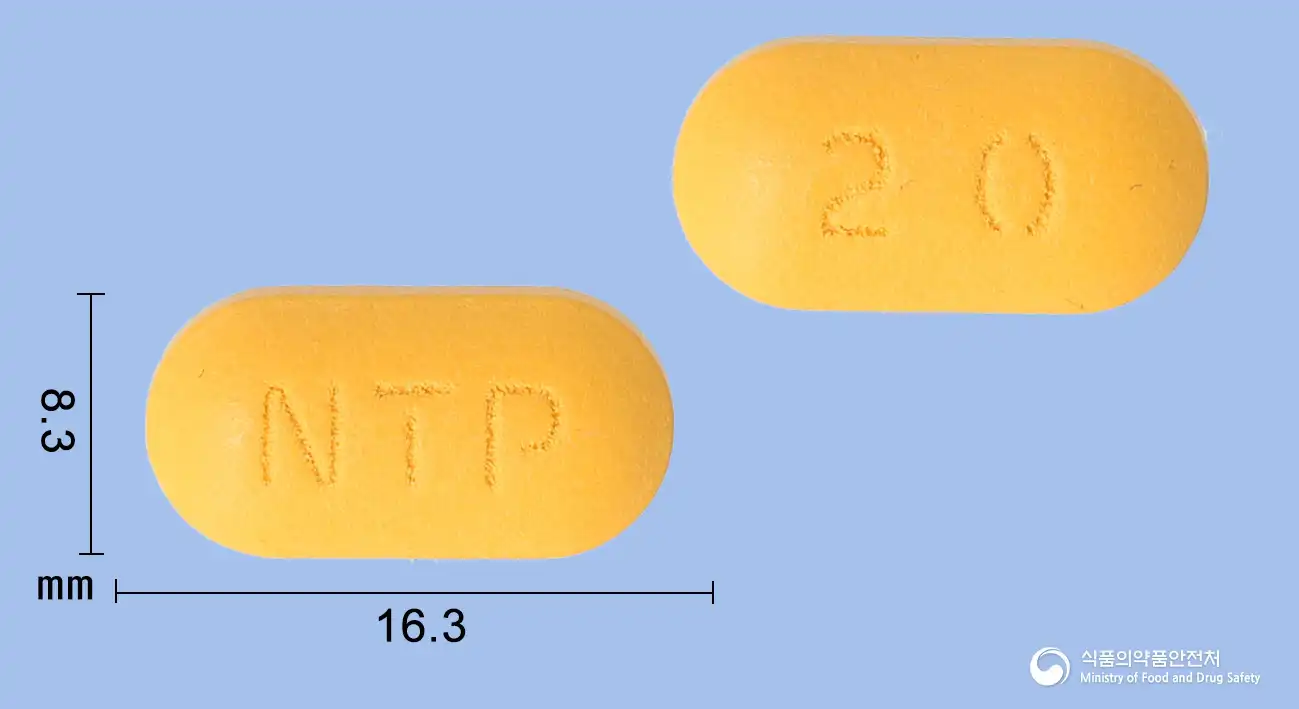
Orange oval film-coated tablets
Package unit
7 tablets/bottle, 30 tablets/bottle, 100 tablets/bottle
Questions about this medicine
No questions yet.
For anything that needs medical judgment, consult a doctor or pharmacist.