
 한국어
한국어 English
 日本語
日本語 中文(简体)
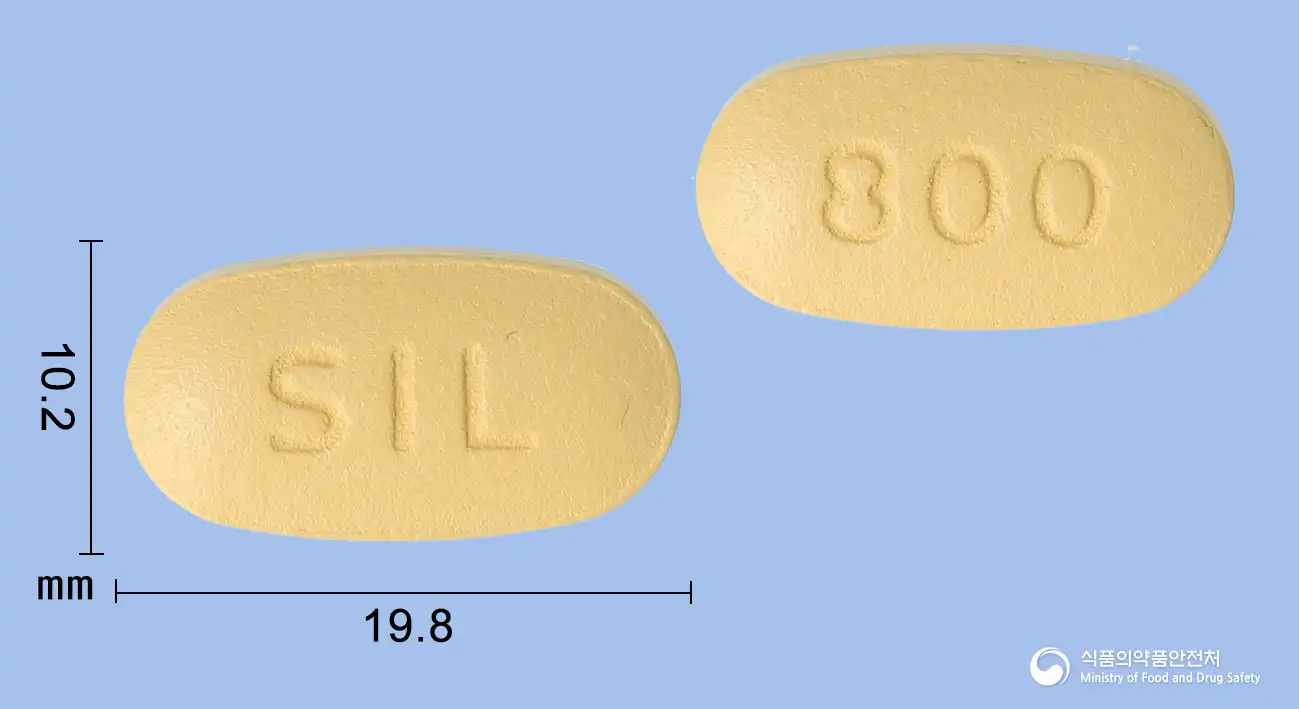 Viewing nowCombination
Andomin Act 800 Tablets
Sodium Chondroitin Sulfate 800mg · Benfotiamine 50mg +8 more
Tablet · OTC medication · Combination
Shinil Pharmaceutical Co., Ltd.
MFDS item code 202402011 · Notified 2024.08.20
Improvement of physical fatigue, fatigue during pregnancy and lactation, prevention of impaired bone growth and rickets, and relief of pain such as neuralgia
The vitamins B1, B2, B6, and D contained in this drug help alleviate physical fatigue and improve the loss of strength during pregnancy, lactation, or after illness. It is also used to supplement essential nutrients needed for growth and healthy aging. Vitamin D helps with the development of bones and teeth and plays an important role in the prevention of rickets. These vitamins relieve various pains such as neuralgia, myalgia, and arthralgia, and are effective for several inflammatory diseases such as stomatitis, glossitis, and dermatitis. They also help relieve eye fatigue, thus improving various symptoms that occur in daily life. Overall, this drug is used for the relief of symptoms related to nutritional deficiencies and for promoting health.
Adults aged 19 and over take 1 tablet once a day.
This drug should not be taken by patients with hypercalcemia, sarcoidosis of unknown origin, or kidney disease. People who have allergic reactions to this drug or its components, infants under 12 months, patients with kidney stones, or severe renal failure should also avoid its use. Individuals allergic to soybean oil, soybeans, or peanuts should not take this medication. This drug contains lactose, so individuals with genetic problems such as galactose intolerance, lactose deficiency, or glucose-galactose malabsorption should avoid taking it. During the consumption of this drug, it is necessary to avoid taking medications such as phosphates, calcium salts, oral tetracycline antibiotics, antacids, or levodopa. Women who are undergoing treatment, pregnant or potentially pregnant, breastfeeding women, premature infants, and young children should consult a professional before taking this drug. It is particularly important to be cautious as vitamin D is excreted in breast milk and can cause hypercalcemia in newborns. Individuals with poor heart or circulatory function, those with kidney disorders, patients with hypoproteinemia, and those consuming cardiac glycosides should also consult before taking this drug. Patients with a history of kidney stones or abnormalities in lipid metabolism such as hyperlipoproteinemia, diabetic dyslipidemia, or pancreatitis should use this medication cautiously. If symptoms such as nausea, vomiting, diarrhea, skin rash, or irregular heartbeat occur during the use of this drug, discontinue use immediately and consult a professional. Furthermore, high doses of pyridoxine taken for an extended period can cause nerve disorders. High doses may cause gastrointestinal disturbances, hyperuricemia, liver damage, and in cases of overdose, symptoms of edema or heart failure may occur. Prolonged use may lead to hypercalcemia and nephrolithiasis, so caution is advised. When taken with certain diuretics, there is a risk of hyperkalemia, hence attention is needed. It is advisable to adhere to the prescribed dosage, and to avoid drinking tannin-containing teas such as green tea or black tea before and after taking this medication. This drug may turn urine yellow, which can affect clinical test results. Patients at risk of fat overload should check plasma lipid levels and adjust the dosage as needed. When using other lipid injectables, consider the total lipid intake and adjust the dosage of this drug accordingly. Store this medication out of the reach of children and keep it sealed away from direct sunlight, in a cool, dry place. It is crucial to avoid transferring to other containers to maintain quality.
Nausea, vomiting, diarrhea, loose stools, constipation, low blood pressure, facial flushing, irregular heartbeat, skin rash, red spots, underdevelopment, central nervous system depression, loss of appetite, erythema, eczema, rash, papular eruption, itching, edema, water retention, sensory neuropathy or neurological symptoms, hematological adverse reactions, promotion of peptic ulcer, glucose tolerance impairment, hyperuricemia, liver damage, hypernatremia, congestive heart failure, hypercalcemia
Not everyone experiences these, and they can vary from person to person.
This medication should be stored in a tightly closed container to prevent air and moisture from entering, and it is best to store it at room temperature between 1 and 30 degrees Celsius. This helps to maintain the effectiveness of the medication for a longer period.
Pale yellow oval film-coated tablet
60 tablets / box [30 tablets / bottle x 2]
Even with the same ingredient, strength, dosage form and how it is taken can differ.
Viewing nowCombinationSodium Chondroitin Sulfate 800mg · Benfotiamine 50mg +8 more
Tablet · OTC medication · Combination
Shinil Pharmaceutical Co., Ltd.
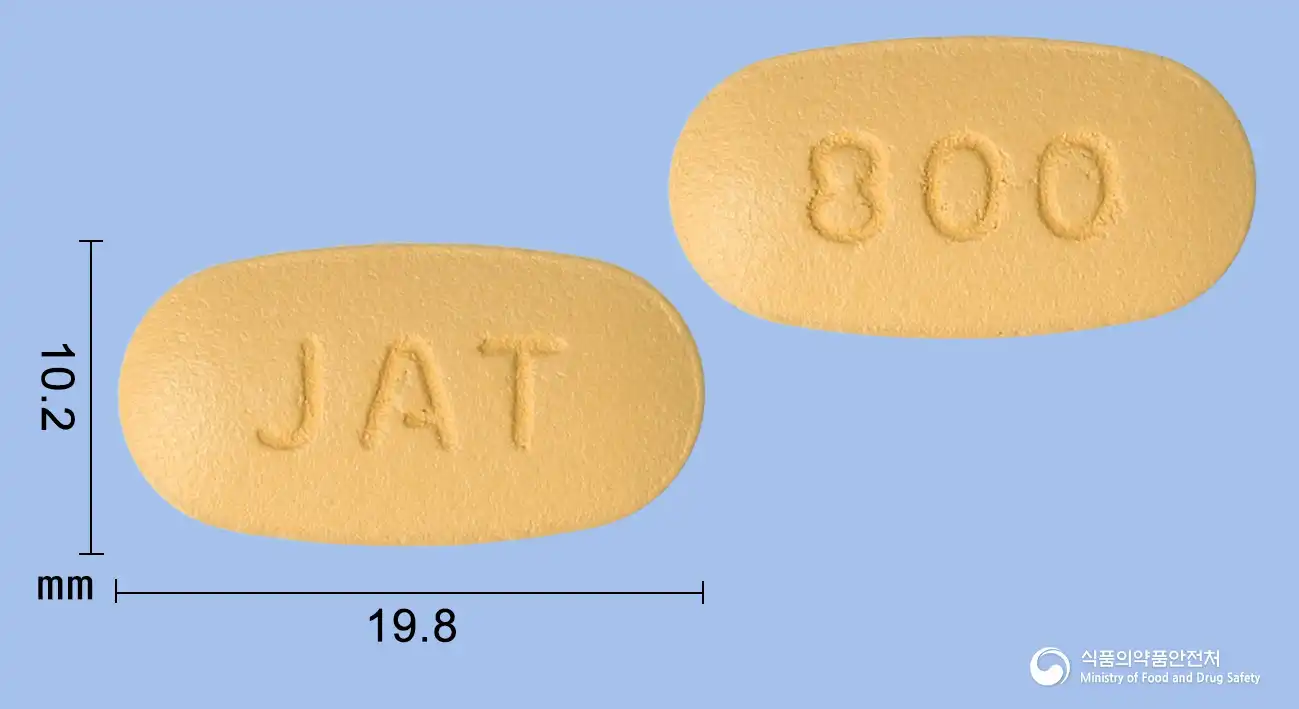 Combination
Sodium Chondroitin Sulfate 800mg · Benfotiamine 50mg +8 more
Tablet · OTC medication · Combination
Medix Pharmaceutical Co., Ltd.
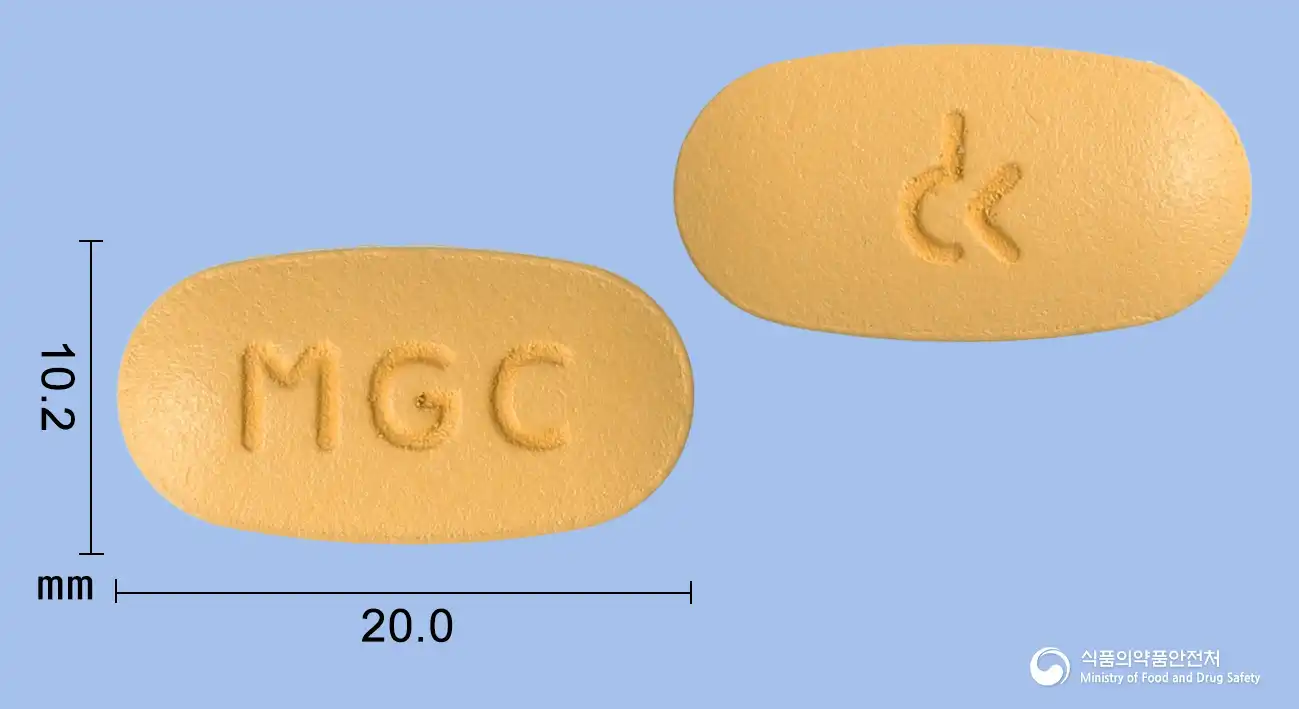 Combination
Sodium Chondroitin Sulfate 800mg · Benfotiamine 50mg +8 more
Tablet · OTC medication · Combination
Dongguk Pharmaceutical Co., Ltd.
Sodium Chondroitin Sulfate 800mg · Benfotiamine 50mg +8 more
Tablet · OTC medication · Combination
Taegeuk Pharmaceutical Co., Ltd.
Even with the same ingredient, the dose and directions can differ by strength and dosage form. Talk to a doctor or pharmacist before switching from a medication you are already taking.
No questions yet.
For anything that needs medical judgment, consult a doctor or pharmacist.
This drug information is based on data provided by the Korea Ministry of Food and Drug Safety.
Consult a doctor or pharmacist for accurate dosage, administration, and usage instructions.