
 한국어
 English
 日本語
 中文(简体)
Dosage form image
Viewing nowAsical Soft Capsule (Alfacalcidol)
Alfacalcidol 1μg
Soft capsule · OTC medication
Medix Pharmaceutical Co., Ltd.
MFDS item code 202402002 · Notified 2024.08.19
Improvement of osteoporosis and symptoms of vitamin D metabolism disorders (hypocalcemia, bone pain, etc.)
This medication helps improve hypocalcemia, tetany, bone pain, and bone lesion symptoms associated with vitamin D metabolic abnormalities, such as chronic renal failure, hypoparathyroidism, vitamin D resistant rickets, and osteomalacia. It is also used to maintain bone health and reduce fracture risk in patients with osteoporosis.
Adjust the dose while ensuring adequate control of the patient’s serum calcium level. ○ Adults 1. Chronic renal failure and osteoporosis: Administer 0.5~1 ㎍ of alfacalcidol orally once daily. 2. Hypoparathyroidism and other diseases resulting from abnormal vitamin D metabolism: Administer 1~4 ㎍ of this drug orally once daily.
○ Children 1. Osteoporosis: Administer 0.01~0.03 ㎍/kg of alfacalcidol orally once daily. 2. Other diseases: Administer 0.05~0.1 ㎍/kg of this drug orally once daily.
This medication should not be administered to patients with hypercalcemia, hyperphosphatemia, or hypermagnesemia. It should also be avoided in individuals with a product of calcium and phosphorus in the blood exceeding a certain level, or those with excessive alkalinity in the blood, or those with symptoms of vitamin D overdose. Individuals who are hypersensitive to any of the ingredients in this medication or to vitamin D should avoid taking it. During treatment, it is advisable not to take medications that contain magnesium, vitamin D or its derivatives, calcium-containing medications, or certain diuretics concurrently. If the medication is taken during breastfeeding, it is advisable to avoid taking it if possible, and if it must be taken, to stop breastfeeding. Women who are pregnant or may become pregnant should consult a doctor before taking it, as it may affect the fetus. The safety of this medication in children and the elderly has not been fully established, so dosage adjustment and monitoring of blood calcium levels are necessary. Patients taking certain drugs should consult a doctor or pharmacist regarding possible interactions with this medication. If any adverse effects occur during treatment, discontinue use immediately and consult a healthcare professional, as symptoms can appear in various systems including digestive, nervous, cardiac, renal, liver, skin, eyes, and bone. Regularly check serum calcium levels and kidney function, and seek appropriate measures if abnormalities are detected. In case of overdose, emergency treatment such as inducing vomiting or gastric lavage may be necessary, and medication should be stopped until serum calcium levels return to normal. This medication should be stored out of reach of children, protected from direct sunlight, and kept in a cool, dry place. To maintain quality, it is important not to transfer it to other containers.
Not everyone experiences these, and they can vary from person to person.
This medication may be sensitive to light, so it should be stored in a tightly sealed container that blocks light. Moreover, it is important to keep it at room temperature, which means not too hot or cold, to maintain the efficacy of the medication.
Yellow soft capsule containing a colorless transparent oily substance
60 capsules/PTP [(10 capsules/PTP * 6)], 120 capsules/box [(10 capsules/PTP * 6) x 2], 30 capsules/bottle
Even with the same ingredient, strength, dosage form and how it is taken can differ.
Alfacalcidol 1μg
Soft capsule · OTC medication
Medix Pharmaceutical Co., Ltd.
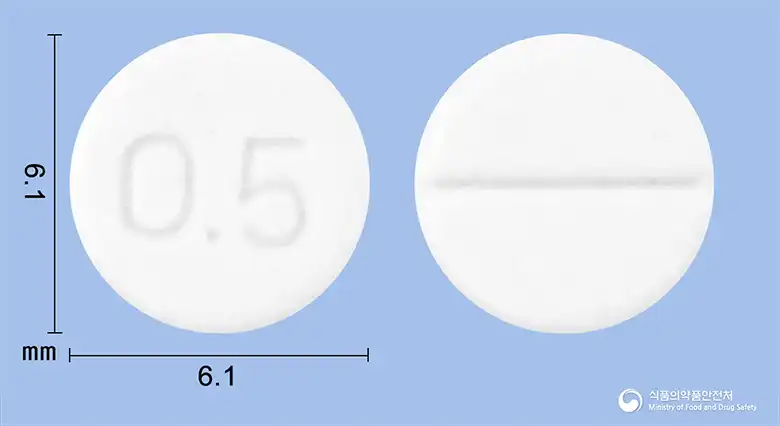
Alfacalcidol 0.5μg
Tablet · OTC medication
Il Sung I.S. Corporation
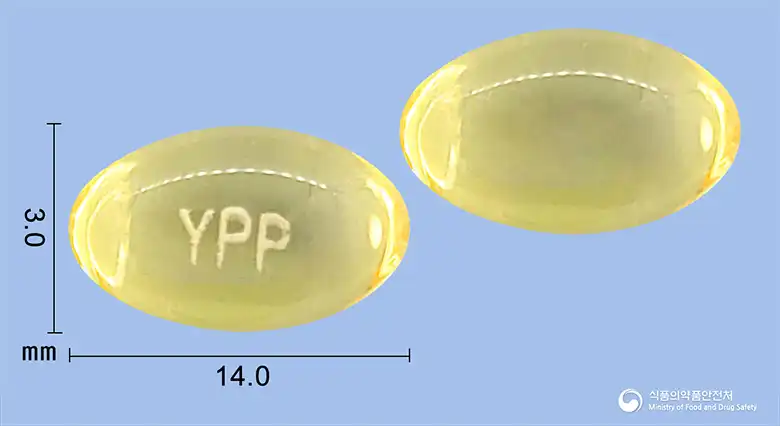
Alfacalcidol 0.5μg
Soft capsule · OTC medication
Youngpoong Pharmaceutical Co., Ltd.
Alfacalcidol 0.5μg
Soft capsule · OTC medication
Anguk Pharmaceutical Co., Ltd.
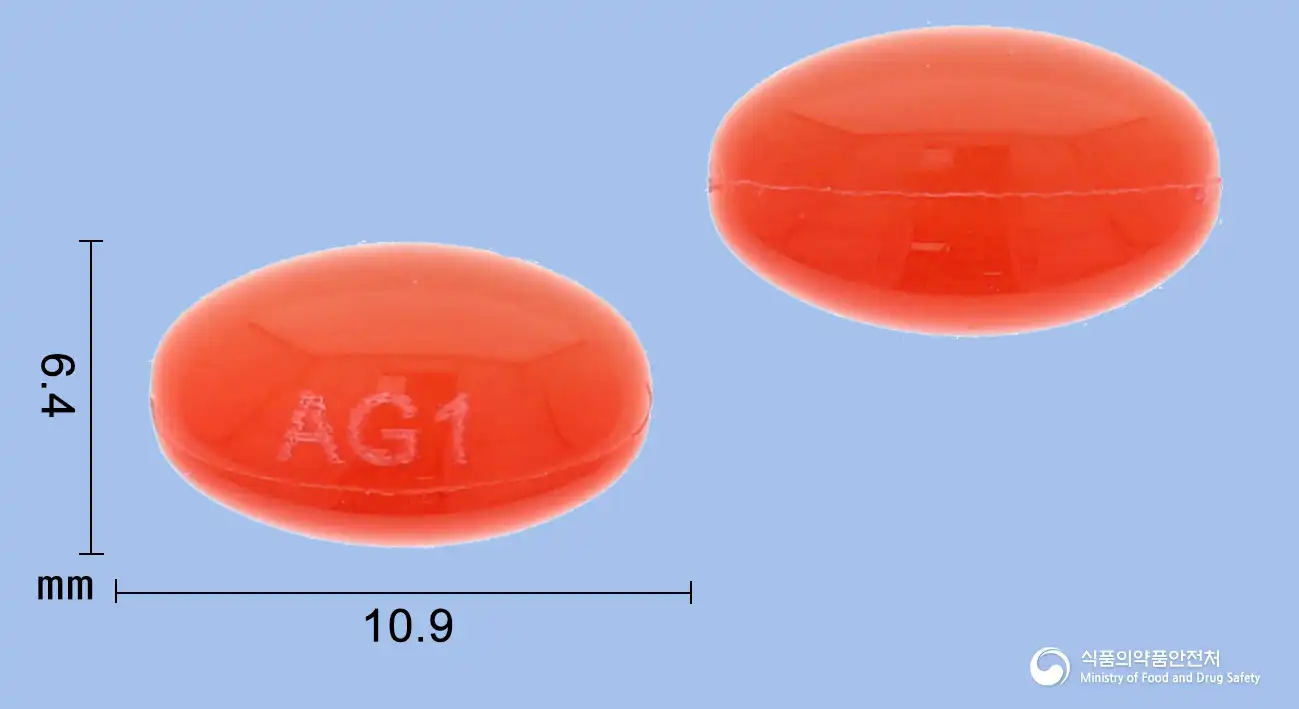
Alfacalcidol 1μg
Soft capsule · OTC medication
Ahn-Gook Pharmaceutical Co., Ltd.
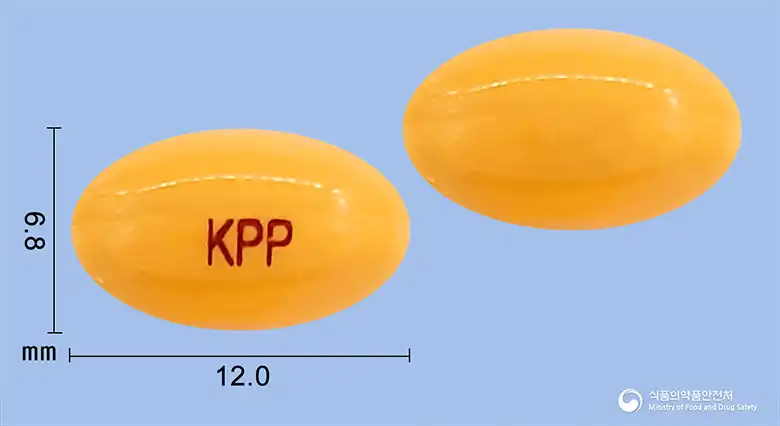
Alfacalcidol 1μg
Soft capsule · OTC medication
Korea Prime Pharmaceutical Co., Ltd.
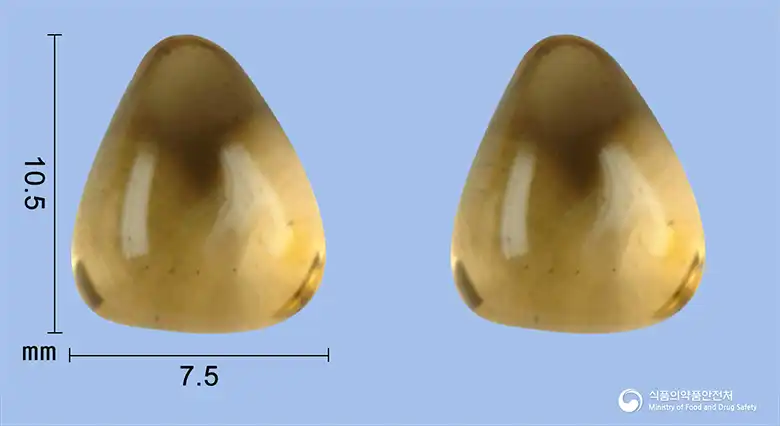
Alfacalcidol 0.5μg
Soft capsule · OTC medication
Shinil Pharmaceutical Co., Ltd.
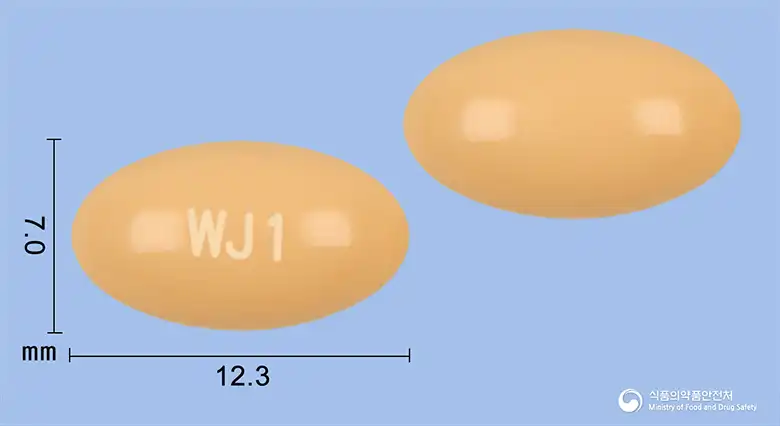
Alfacalcidol 0.5μg
Soft capsule · OTC medication
Austin Pharmaceutical Co., Ltd.
Even with the same ingredient, the dose and directions can differ by strength and dosage form. Talk to a doctor or pharmacist before switching from a medication you are already taking.
No questions yet.
For anything that needs medical judgment, consult a doctor or pharmacist.
This drug information is based on data provided by the Korea Ministry of Food and Drug Safety.
Consult a doctor or pharmacist for accurate dosage, administration, and usage instructions.