
 한국어
한국어 English
 日本語
日本語 中文(简体)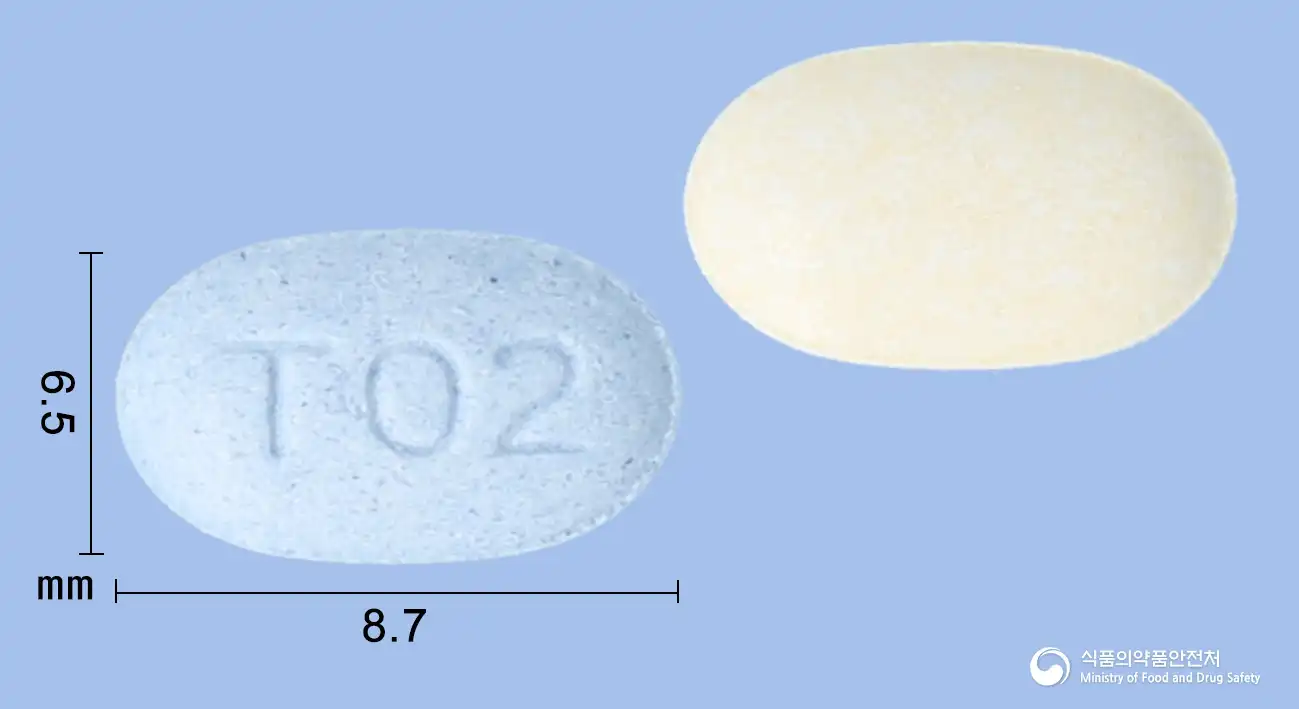
Summary
- Main use
- Improvement of blood pressure control in essential hypertension
- Who takes it
- Adults · Children
- Adult dose
- The recommended dose of this medication is 1 tablet once daily, to be taken with water regardless of meals. It is recommended to take it at the same time daily (e.g., in the morning). - 20/2.5 mg: Administered to patients with insufficient blood pressure control with telmisartan 20 mg or 40 mg. - 40/2.5 mg: Administered to patients with insufficient blood pressure control with amlodipine 2.5 mg (or amlodipine 5 mg) or telmisartan.
- Child dose
- Safety and efficacy in pediatric patients under 18 years have not been established, hence the administration of this medication is not recommended.
Ingredients
- Manufacturer
- (주)종근당
Efficacy & effects
Improvement of blood pressure control in essential hypertension
- Essential hypertension
View approved original textHide original text
This medication can effectively lower blood pressure in patients with essential hypertension who are insufficiently controlled with monotherapy of telmisartan or amlodipine (S-Amlodipine). This helps reduce cardiovascular burden and decrease the risk of complications such as stroke or myocardial infarction. Thus, this medication plays an important role in treating essential hypertension and is used to improve blood pressure control.
How to take
Adult dose
The recommended dose of this medication is 1 tablet once daily, to be taken with water regardless of meals. It is recommended to take it at the same time daily (e.g., in the morning). - 20/2.5 mg: Administered to patients with insufficient blood pressure control with telmisartan 20 mg or 40 mg. - 40/2.5 mg: Administered to patients with insufficient blood pressure control with amlodipine 2.5 mg (or amlodipine 5 mg) or telmisartan.
Child dose
Safety and efficacy in pediatric patients under 18 years have not been established, hence the administration of this medication is not recommended.
Precautions
This medication may cause serious harm to the fetus, especially in the second and third trimesters, thus it should not be used by pregnant women or women who may become pregnant. This medication may be contraindicated or require caution in patients with certain conditions such as severely impaired liver or kidney function, severe hypotension, cardiac valve disease, specific heart conditions, and biliary obstructive disease. As this medication lowers blood pressure, it can cause hypotension, in which case the patient should be laid down and, if necessary, intravenous fluids should be administered. The blood potassium levels may increase during the course of treatment with this medication, hence patients at risk of hyperkalemia should have their potassium levels checked regularly through blood tests. Patients with impaired liver or kidney function may be affected by the metabolism and excretion of this medication, thus dosage adjustment and caution are advised. Since this medication may cause dizziness or drowsiness, caution is needed when driving or operating hazardous machinery. This medication may interact with other drugs, so if taking other medications, it is essential to inform the doctor or pharmacist. In case of overdose, severe hypotension or cardiac dysfunction may occur, so strict adherence to the prescribed dosage is necessary, and immediate medical attention should be sought in case of overdose. This medication is not recommended due to insufficient evidence of safety and efficacy in pediatric patients. Elderly patients may be more sensitive to this medication, requiring additional caution and gradual dosage adjustment.
Side effects and when to seek care immediately
Serious side effects
Acute myocardial infarction, syncope, myocardial infarction, ventricular tachycardia, arrhythmia, atrial fibrillation, vasculitis, shortness of breath, interstitial lung disease, pancreatitis, hepatitis, jaundice, angioedema (potentially fatal), toxic skin rashes, exfoliative dermatitis, Stevens-Johnson syndrome, thrombocytopenia, leukopenia, hypersensitivity, anaphylaxis, angioedema, elevated liver enzymes (often occurring with cholestasis), thrombocytopenia, angioedema, thrombocytopenia, vascular complications
Mild side effects
- Headache
- peripheral edema
- swelling
- palpitations
- dizziness
- increase in SGOT
- nausea
- increase in platelets
- anxiety disorders
- insomnia
Show 26 moreCollapse
- gastric mucosal lesions
- urinary stones
- upper respiratory tract infection
- urinary tract infection
- anemia
- hyperkalemia
- hypoglycemia
- hyponatremia
- hyperglycemia
- depression
- confusion
- drowsiness
- migraine
- sensory abnormalities
- taste disturbances
- tremor
- visual disturbances
- dizziness
- tinnitus
- bradycardia
- tachycardia
- flushing
- hypotension
- orthostatic hypotension
- cough
- abdominal pain
Not everyone experiences these, and they can vary from person to person.
Storage
This medication is sensitive to air and moisture, and should be stored in a tightly closed container. It is recommended to maintain the storage temperature between 1 to 30 degrees Celsius at room temperature. Proper storage helps to maintain the effectiveness of the medication over time.
Appearance and packaging
Appearance
Capsule-shaped tablet consisting of light yellow and light blue layers
Package unit
30 tablets/bottle
Questions about this medicine
No questions yet.
For anything that needs medical judgment, consult a doctor or pharmacist.