
 한국어
 English
 日本語
 中文(简体)
 Viewing nowCombination
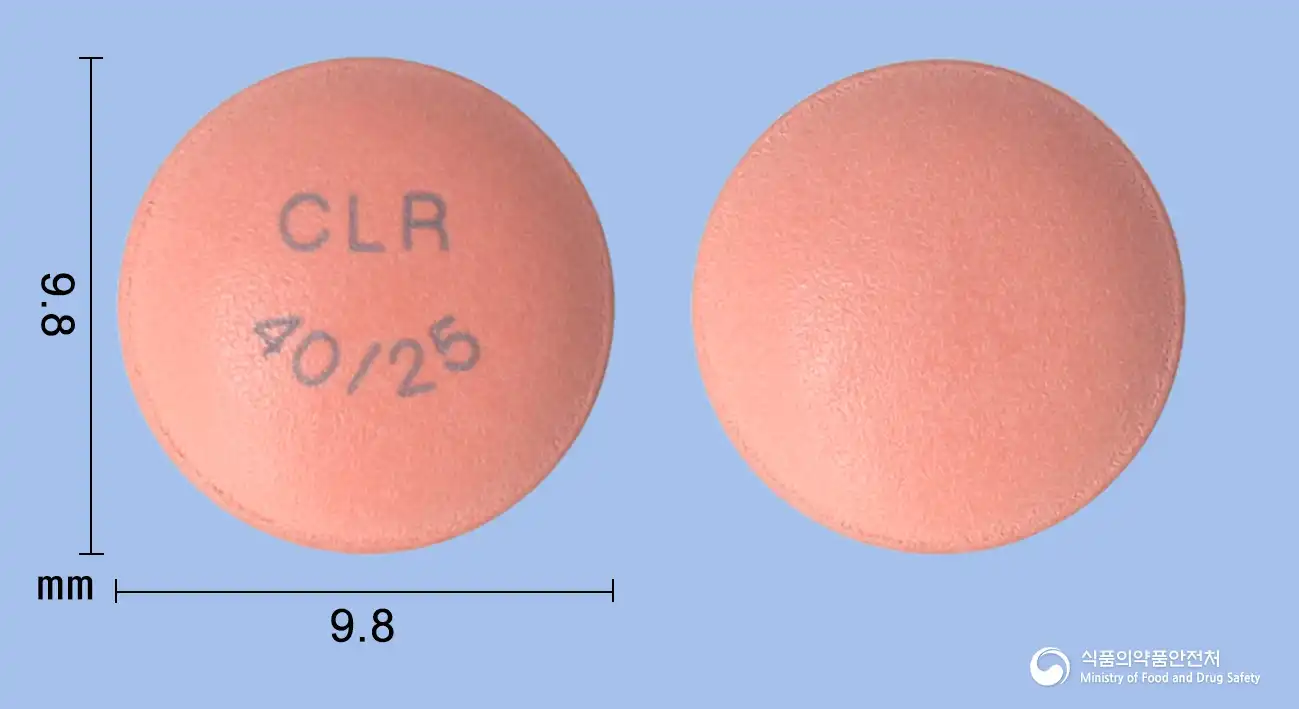
Idalbiclo Tablets 40/25 mg (Azilsartan Medoxomil Potassium, Chlorthalidone)
Potassium Azilsartan Medoxomil 42.68mg · Chlorthalidone 25mg
Tablet · Prescription medication · Combination
Celltrion Pharmaceutical Co., Ltd.
MFDS item code 202400976 · Approved 2024.04.25
Essential hypertension not controlled with monotherapy; initial treatment of stage 2 hypertension
This medicine is used for patients with essential hypertension whose blood pressure is not adequately controlled by monotherapy with Azilsartan Medoxomil. It is also administered as initial therapy when combination therapy is required to achieve target blood pressure in patients with stage 2 hypertension. It helps improve blood pressure control.
1. Adults The recommended initial dose is 40/12.5 milligrams, taken with water, with or without food. The blood pressure-lowering effect is usually apparent within 1-2 weeks. If blood pressure control is needed after 2-4 weeks, the dose may be increased to 40/25 milligrams. Doses exceeding 40/25 milligrams are not beneficial. 1) Patients whose blood pressure is not adequately controlled with monotherapy: It is recommended that the dose of azilsartan medoxomil be adjusted before administering this medicine. Patients whose blood pressure is not adequately controlled with azilsartan medoxomil monotherapy may be considered for a switch to this medicine. The recommended initial dose is 40/12.5 milligrams once daily. 2) When this medicine is used as initial therapy in patients with stage 2 hypertension, the decision should be based on an assessment of potential benefits and risks, including whether the patient is likely to tolerate the initial dose. The recommended initial dose is 40/12.5 milligrams once daily. 2. Elderly patients No dosage adjustment is necessary when administering this medicine to elderly patients. Although no overall differences in safety or efficacy were observed between elderly and younger patients, greater sensitivity in some elderly patients cannot be ruled out. 3. Patients with renal impairment No dosage adjustment is necessary in patients with mild or moderate renal impairment. 4. Patients with hepatic impairment Experience with this medicine is limited; however, based on clinical findings for azilsartan medoxomil, no dosage adjustment is necessary in patients with mild or moderate hepatic impairment. 5. Patients with intravascular volume depletion In patients with salt depletion or who may have volume depletion (e.g., those with vomiting or diarrhea, or receiving high doses of diuretics), correct the volume depletion before initiating this medicine under close medical supervision.
Children and adolescents under 18 years of age: The safety and efficacy of this medicine have not been established.
This medicine may cause serious harm to the fetus and newborn if taken during the second and third trimesters of pregnancy, so it should be discontinued immediately upon confirmation of pregnancy. Patients with poor liver function or progressing liver disease should be cautious as serious complications such as hepatic coma may occur while taking this medicine. Patients with severely impaired kidney function should use this medicine carefully as it may worsen kidney function, and regular kidney function tests should be conducted. Patients with allergies to the components of this medicine or hypersensitivity to certain diuretics, as well as pregnant or breastfeeding women, and those with anuria should not take this medicine. Patients with severely low blood pressure or electrolyte imbalances should stabilize their condition before taking this medicine and should regularly monitor blood pressure and blood electrolyte levels during treatment. Particularly, patients with very high or low potassium levels or hyperuricemia should be cautious as the risk of side effects is increased when taking this medicine. This medicine may exacerbate renal function decline or electrolyte imbalances when used in conjunction with other antihypertensives, so blood pressure and renal function should be closely monitored as directed by a physician during combined therapy. Symptoms such as dizziness, headache, nausea, and fatigue may occur during treatment, so caution is needed when driving or operating machinery. Acute glaucoma or other eye disorders may occur when taking this medicine, so if there are changes in vision or eye pain, immediate consultation with healthcare professionals is necessary. Overdosage may lead to hypotension and electrolyte imbalances, so it is crucial to adhere to the prescribed dosage and visit a medical institution immediately if any abnormal symptoms arise. This medicine should be stored in a safe place, away from light and moisture, and out of reach of children.
Increased serum creatinine, headache, dizziness, anemia, increased serum uric acid, hyperuricemia, hypokalemia, increased serum potassium, hyponatremia, decreased serum sodium, gout, orthostatic dizziness, fainting, sensory disturbances, hypotension, diarrhea, nausea, vomiting, rash, itching, muscle cramps, fatigue, increased blood urea, increased blood sugar, peripheral edema, migraine, increased serum creatine phosphokinase, renal dysfunction, significant angioedema, thrombocytopenia, leukopenia, agranulocytosis, eosinophilia, increased serum lipids, hypomagnesemia, hypercalcemia, diabetes, worsening of diabetic metabolic state, hypochloremic alkalosis, headache, orthostatic hypotension, cardiac arrhythmia, idiopathic pulmonary edema, loss of appetite, mild gastrointestinal disturbances, constipation, abdominal pain, pancreatitis, intrahepatic bile duct obstruction or jaundice, urticaria, photosensitivity reactions, cutaneous vasculitis, allergic interstitial nephritis, weakness, kidney disorders, renal failure, intestinal vascular edema, dizziness, tremor, exacerbation of hypertension, increased serum triglycerides, hyperkalemia, palpitations, peripheral edema, migraine, increased serum creatine phosphokinase, renal dysfunction, significant angioedema, dizziness, fainting, total fainting, constipation, vomiting, halitosis, weakness, dyspnea, dyslipidemia, hypercholesterolemia, gout, hyperkalemia, arthralgia, myalgia, musculoskeletal stiffness, increased aspartate aminotransferase, urinary tract infection, upper respiratory infection, acute renal injury, diabetic nephropathy, dermatitis, urticaria, hair loss, dermatitis, subdural hemorrhage, irregular menstruation, exacerbation of hypertension, chest pain, palpitations, angioedema, increased serum creatinine, increased serum uric acid, hypokalemia, hyponatremia, gout, dizziness, orthostatic dizziness, fainting, sensory disturbances, hypotension, diarrhea, nausea, vomiting, rash, itching, muscle cramps, fatigue, increased blood urea, increased blood sugar
Not everyone experiences these, and they can vary from person to person.
This medicine should be stored in a container that is not exposed to light and air, at room temperature between 1 to 30 degrees Celsius. It is also advisable to keep it in a dry place, avoiding humid areas.
Bright red, bilaterally convex, round film-coated tablet
28 tablets/PTP [(14 tablets * 2 ea)]
Even with the same ingredient, strength, dosage form and how it is taken can differ.
Viewing nowCombinationPotassium Azilsartan Medoxomil 42.68mg · Chlorthalidone 25mg
Tablet · Prescription medication · Combination
Celltrion Pharmaceutical Co., Ltd.
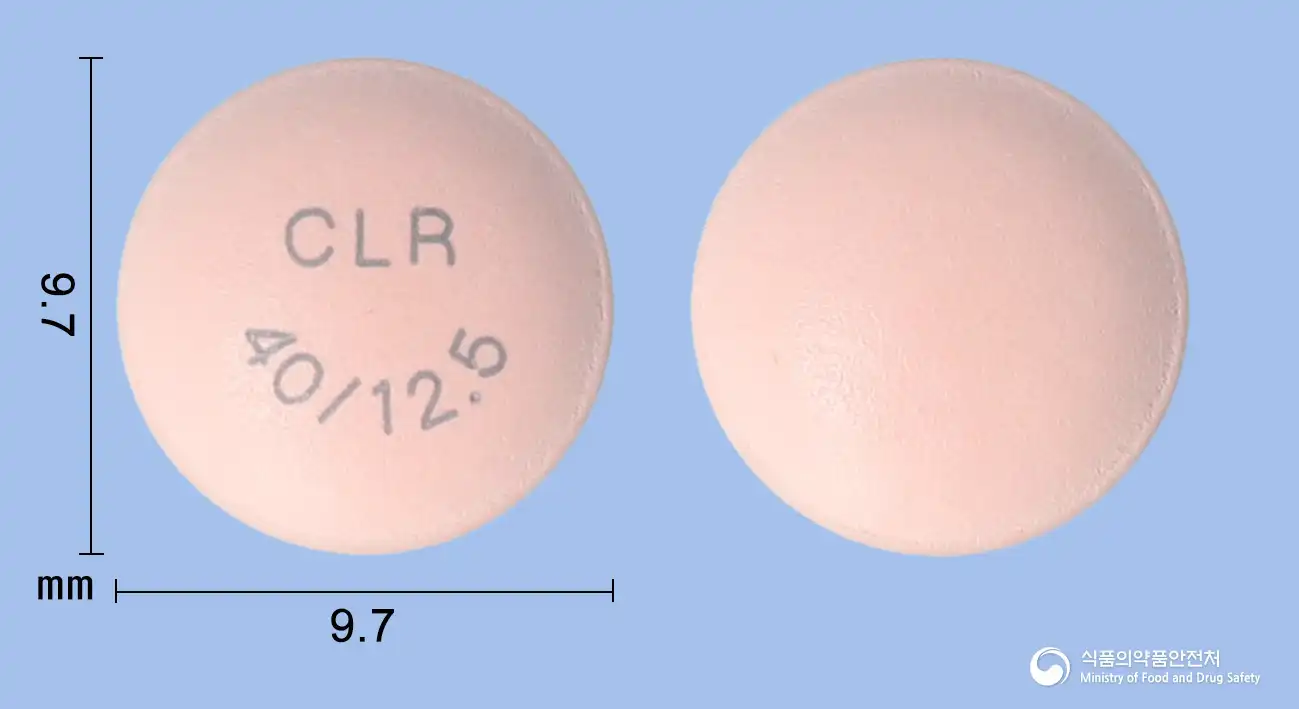
Potassium Azilsartan Medoxomil 42.68mg · Chlorthalidone 12.5mg
Tablet · Prescription medication · Combination
Celltrion Pharmaceutical Co., Ltd.
Potassium Azilsartan Medoxomil 42.68mg · Chlorthalidone 25mg
Tablet · Prescription medication · Combination
Celltrion Pharmaceutical Co., Ltd.
 Combination
Potassium Azilsartan Medoxomil 42.68mg · Chlorthalidone 12.5mg
Tablet · Prescription medication · Combination
Celltrion Pharmaceutical Co., Ltd.
Even with the same ingredient, the dose and directions can differ by strength and dosage form. Talk to a doctor or pharmacist before switching from a medication you are already taking.
No questions yet.
For anything that needs medical judgment, consult a doctor or pharmacist.
This drug information is based on data provided by the Korea Ministry of Food and Drug Safety.
Consult a doctor or pharmacist for accurate dosage, administration, and usage instructions.