
 한국어
한국어 English
 日本語
日本語 中文(简体)
 Viewing nowCombination
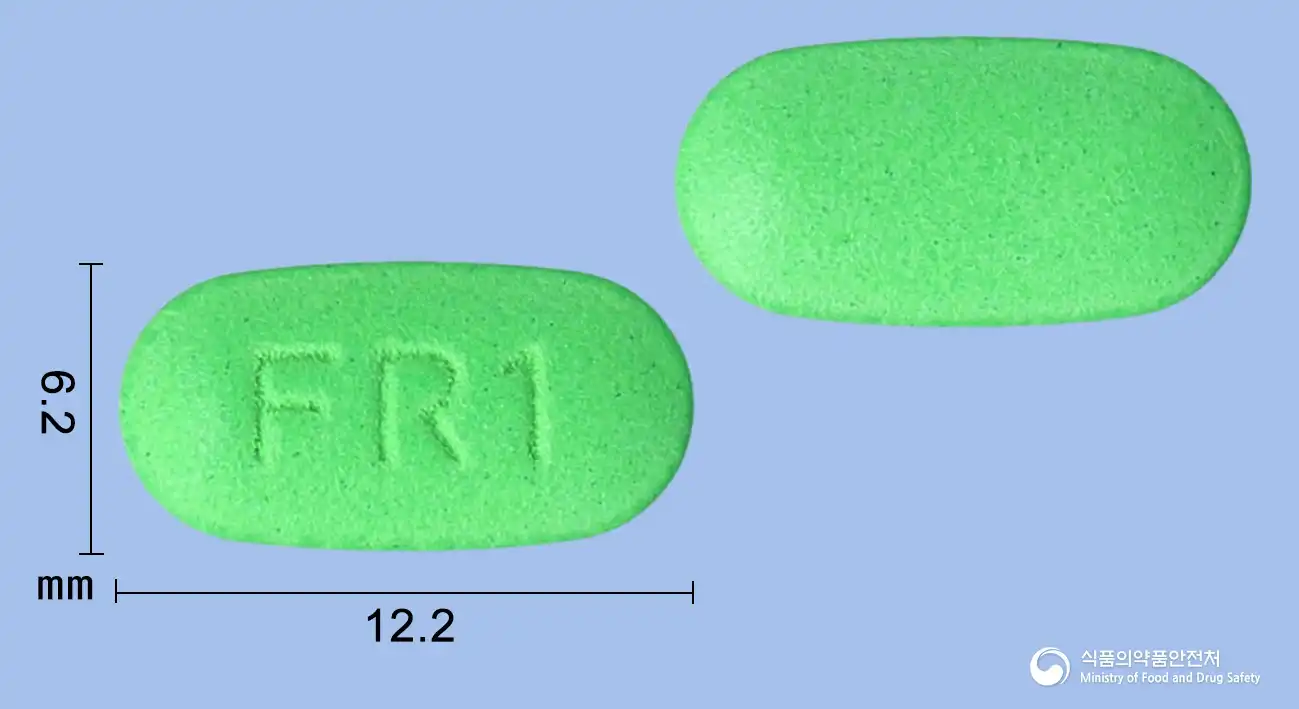
Elbiferol Tablet
Calcium Carbonate Granules 95% 263.15mg · Cholecalciferol Concentrate 10mg
Tablet · OTC medication · Combination
HLB Pharmaceuticals Co., Ltd.
MFDS item code 202400733 · Notified 2024.04.02 · Insurance code 647304600
Improvement of bone growth deficiency and prevention of rickets
Vitamin D is an essential nutrient for our body during various periods such as pregnancy, breastfeeding, growth, and old age. It plays an important role in improving problems related to proper bone and dental growth, and preventing bone diseases such as rickets. Therefore, the vitamin D contained in this medication is used to enhance bone health in such situations.
Adults: 1 tablet once a day.
Children over 8 years: 1 tablet once a day.
This medication should not be taken by patients with hypercalcemia or sarcoidosis, a systemic inflammatory disease of unknown cause, or those with kidney disease. Individuals with allergic reactions to any component contained in this product should not use it. Children under 12 months of age or patients with kidney stones and severe renal failure should also avoid taking it. Additionally, this medication contains lactose, so individuals with genetic issues such as lactose intolerance or lactase deficiency, and glucose-galactose malabsorption should not take it. During treatment, it is advisable to avoid taking medications such as phosphates, calcium salts, oral tetracycline antibiotics, or antacids simultaneously. Children under 1 year of age, patients currently receiving treatment from a doctor, and children who are getting plenty of sunlight and eating normally should consult an expert before taking this medication. Pregnant women or those who may become pregnant, lactating women, premature infants, and infants should also consult a doctor before taking this medication, as vitamin D can cause hypercalcemia in newborns through breast milk. Patients with heart and circulatory issues, renal impairment, or hypoproteinemia, those taking cardiac glycosides, and those with a history of kidney stones should also consult an expert before use. If symptoms such as nausea, vomiting, diarrhea, constipation, hypotension, flushing, irregular heartbeat, or skin rash occur during use, the medication should be stopped immediately and a physician consulted. In cases of overdose, gastrointestinal disturbances, hypernatremia, congestive heart failure, and edema may occur, so caution is required. Long-term use may lead to hypercalcemia or stone disease, so regular monitoring is necessary. Additionally, the combined use with certain diuretics may pose a risk of hyperkalemia, which should also be noted. If overdose occurs or symptoms do not improve after one month of use, consulting a professional is essential. The prescribed dosage and frequency should be strictly followed, especially for children, ensuring they take it under parental supervision. It is advisable to avoid consuming teas containing tannins, such as green tea or black tea, before or after taking the medication. When storing, keep it in a sealed container away from children and protect it from direct sunlight, storing it in a cool, dry place. Furthermore, to prevent misuse and maintain the drug's quality, it is vital not to transfer it to another container.
Not everyone experiences these, and they can vary from person to person.
This medication should not be taken in conjunction with phosphates, calcium salts, oral tetracycline agents, or antacids. Additionally, it should be consulted with a physician or pharmacist when taken with aldosterone antagonists, triamterene, or cardiac glycosides.
This medication should avoid consumption with teas containing tannins, such as green tea or black tea, during treatment or before and after taking it.
This medication should be stored in a sealed container to prevent air exposure, ideally at room temperature between 1 and 30 degrees Celsius. Proper storage helps maintain the medication's effectiveness and prevents degradation.
Green rectangular film-coated tablet
30 tablets/bottle, 90 tablets/bottle, 500 tablets/bottle
Even with the same ingredient, strength, dosage form and how it is taken can differ.
Viewing nowCombinationCalcium Carbonate Granules 95% 263.15mg · Cholecalciferol Concentrate 10mg
Tablet · OTC medication · Combination
HLB Pharmaceuticals Co., Ltd.
 Combination
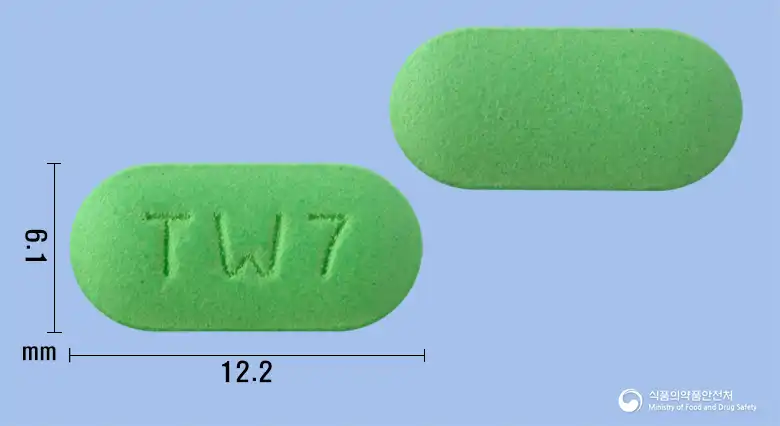
Calcium Carbonate Granules 95% 250mg · Cholecalciferol Concentrate 10mg
Tablet · OTC medication · Combination
Cosmax Pharma Co., Ltd.
 Combination
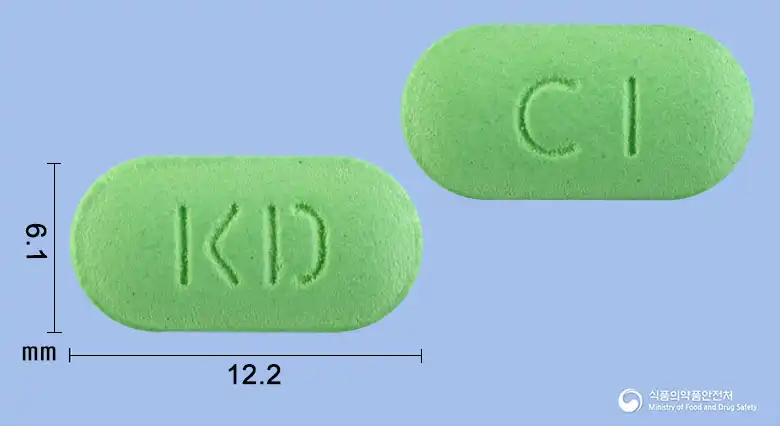
Calcium Carbonate Granules 95% 263.15mg · Cholecalciferol Concentrate 10mg
Tablet · OTC medication · Combination
Kyeongdong Pharmaceutical Co., Ltd.
 Combination
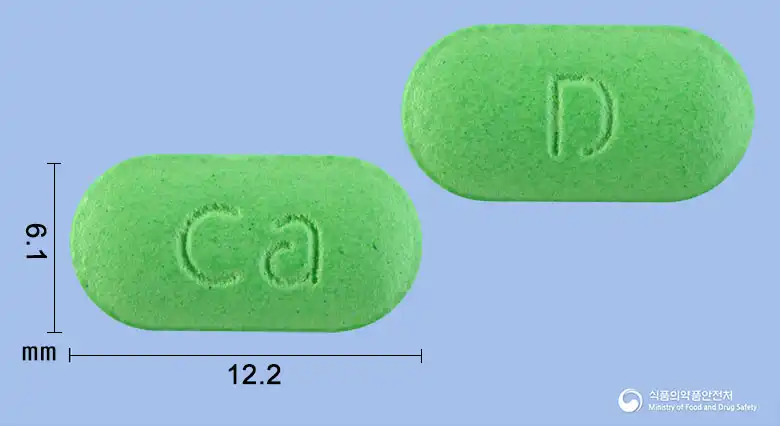
Calcium Carbonate Granules 95% 263.15mg · Cholecalciferol Concentrate 10mg
Tablet · OTC medication · Combination
Hanol BioPharma Co., Ltd.
Even with the same ingredient, the dose and directions can differ by strength and dosage form. Talk to a doctor or pharmacist before switching from a medication you are already taking.
QI have developed constipation after taking it.
Answers 1 · 2026.09.14
QCan my grandfather, who is taking a diuretic, also take it?
Answers 1 · 2026.09.14
QHow many pills should I take per day?
Answers 1 · 2026.09.14
QIs it safe to take while breastfeeding?
Answers 1 · 2026.09.14
For anything that needs medical judgment, consult a doctor or pharmacist.
This drug information is based on data provided by the Korea Ministry of Food and Drug Safety.
Consult a doctor or pharmacist for accurate dosage, administration, and usage instructions.