Improvement in blood sugar control in type 2 diabetes
Who takes it
Adults
Adult dose
Take the medication once daily during the evening meal.
To maintain extended-release characteristics, swallow whole without splitting, breaking, crushing, or chewing.
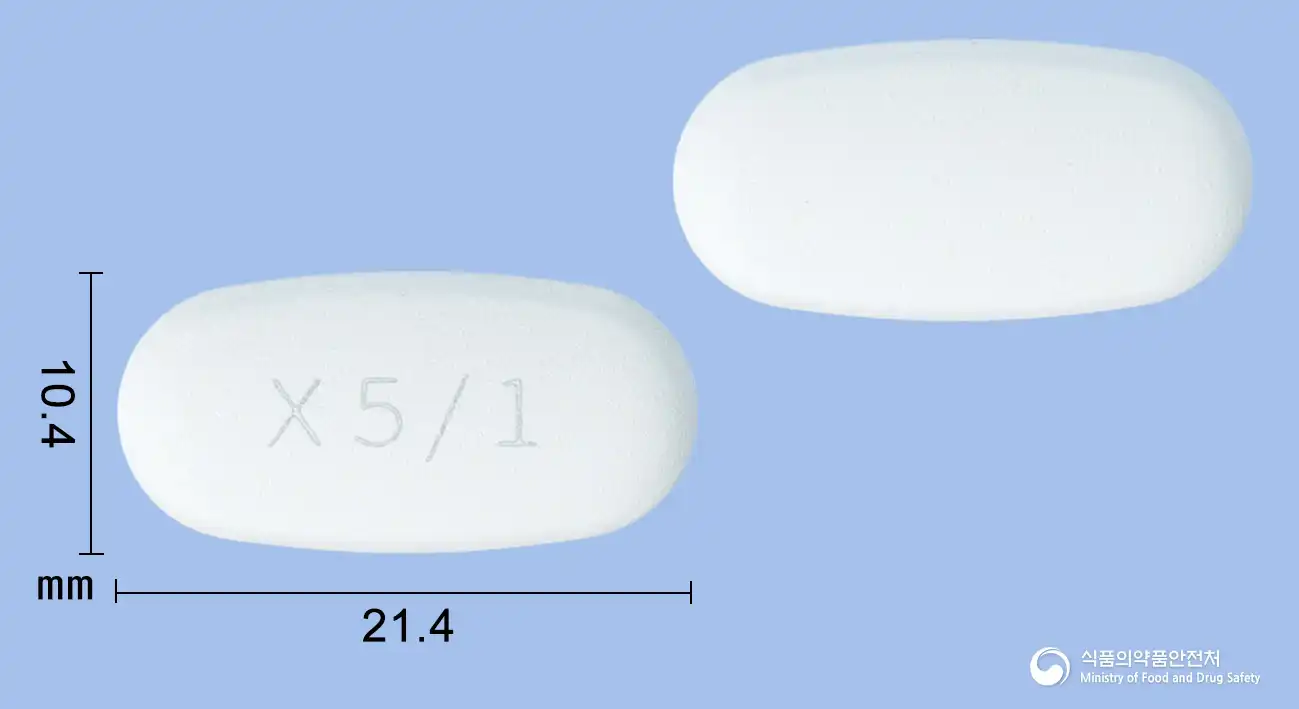
For the 5/1000 mg extended-release tablet, take one tablet once daily.
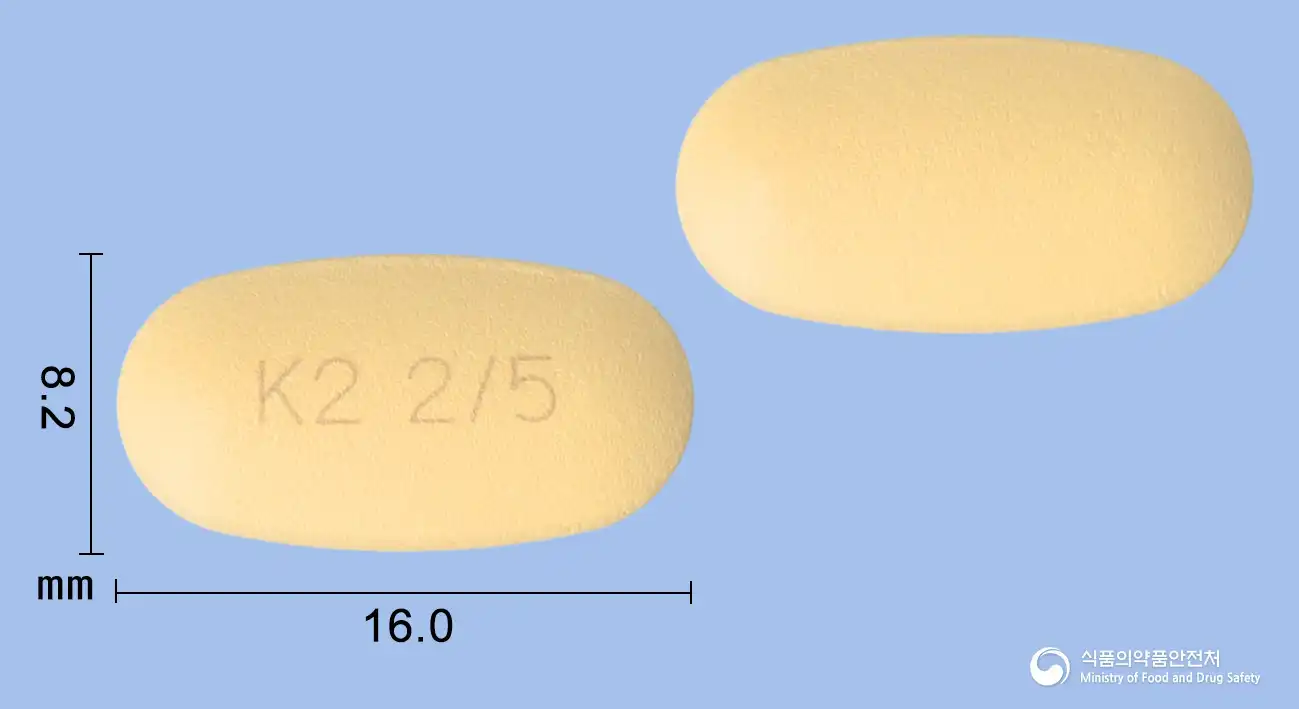
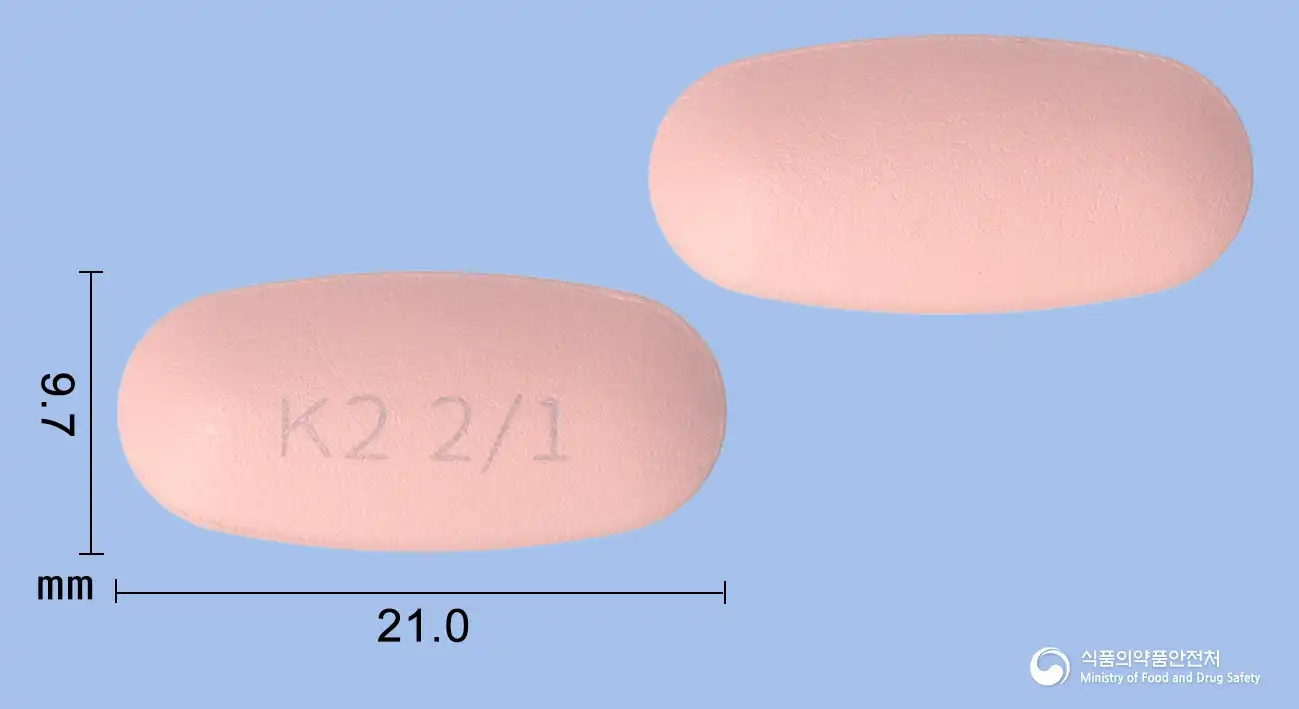
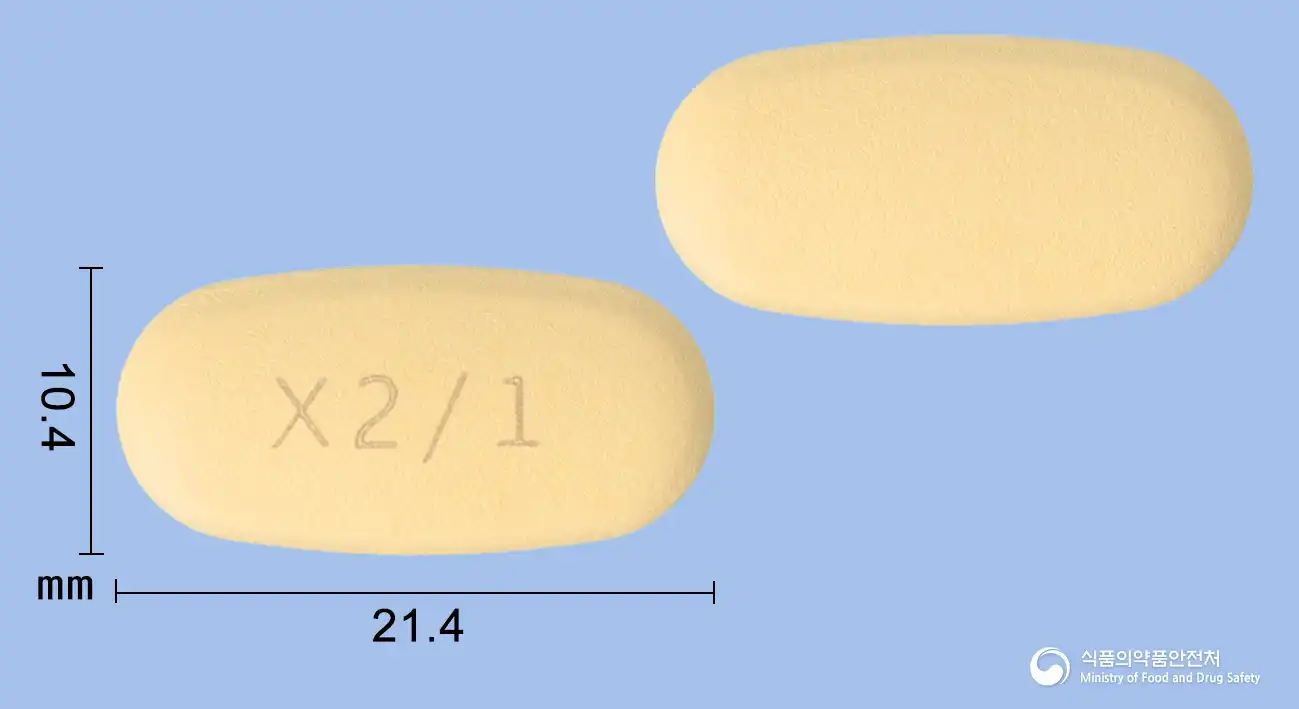
For the 2.5/1000 mg extended-release tablet, take two tablets simultaneously once daily.
The initial dose is a total daily amount of 5 mg of Linagliptin and 1000 mg of Metformin Hydrochloride.
Improvement in blood sugar control in type 2 diabetes
View approved original textHide original text
This medication is used in conjunction with meal and exercise therapy to assist patients with type 2 diabetes in controlling their blood sugar levels by taking Linagliptin and Metformin together. Through this, it effectively manages blood sugar, aiding in the treatment of diabetes.
How to take
Adult dose
Take the medication once daily during the evening meal.
To maintain extended-release characteristics, swallow whole without splitting, breaking, crushing, or chewing.
For the 5/1000 mg extended-release tablet, take one tablet once daily.
For the 2.5/1000 mg extended-release tablet, take two tablets simultaneously once daily.
The initial dose is a total daily amount of 5 mg of Linagliptin and 1000 mg of Metformin Hydrochloride.
Precautions
This medication can cause a rare side effect known as severe lactic acidosis; therefore, if any symptoms occur, an immediate visit to a hospital is necessary.
Patients with allergies to any component contained in this medication or those with specific conditions like type 1 diabetes, lactic acidosis, or diabetic ketoacidosis should not use it.
It is contraindicated for patients with severely impaired kidney function or those in a condition where acute changes in kidney function are expected.
Patients with severely compromised heart function, severe lung disease, or liver dysfunction should also refrain from using this medication for safety reasons.
Patients with acute or chronic alcohol intoxication, very poor nutritional status, or weakness should also avoid this medication.
Due to the risk of hypoglycemia, especially when used in conjunction with other antidiabetic agents, periodic blood sugar checks and dosage adjustments may be necessary.
To reduce the risk of lactic acidosis, it is advised to temporarily discontinue this medication during situations affecting kidney function, such as dehydration, severe infections, prior or post-surgery, and prior or post-use of radiologic contrast agents.
This medication is primarily excreted through the kidneys; hence, regular kidney function tests should be conducted before and during treatment, and elderly patients should be monitored carefully for kidney function.
There may be occurrences of acute pancreatitis or skin blistering diseases; thus, if persistent severe abdominal pain or skin abnormality symptoms develop, consult a doctor immediately.
Long-term use may lead to vitamin B12 deficiency, so if anemia or neurological symptoms appear, vitamin B12 levels should be assessed.
The tablets must not be chewed, crushed, or divided, but swallowed whole, and it is normal for the tablet shell to be excreted in the stool.
When using in conjunction with other medications, interaction possibilities exist; inform your physician or pharmacist about any current medications.
It is advisable not to use this medication during pregnancy or breastfeeding, and if planning to conceive, appropriate treatment should be discussed with a doctor.
Safety and efficacy concerning children have not been established; therefore, its use is not recommended.
In case of overdose, serious side effects like lactic acidosis can occur; seek appropriate medical treatment immediately.
Not everyone experiences these, and they can vary from person to person.
Storage
Store the medication in a tightly closed container to protect it from air and moisture, and keep it at temperatures between 1°C and 30°C. This way, the effectiveness of the medication can be maintained for a longer period.
Appearance and packaging
Appearance
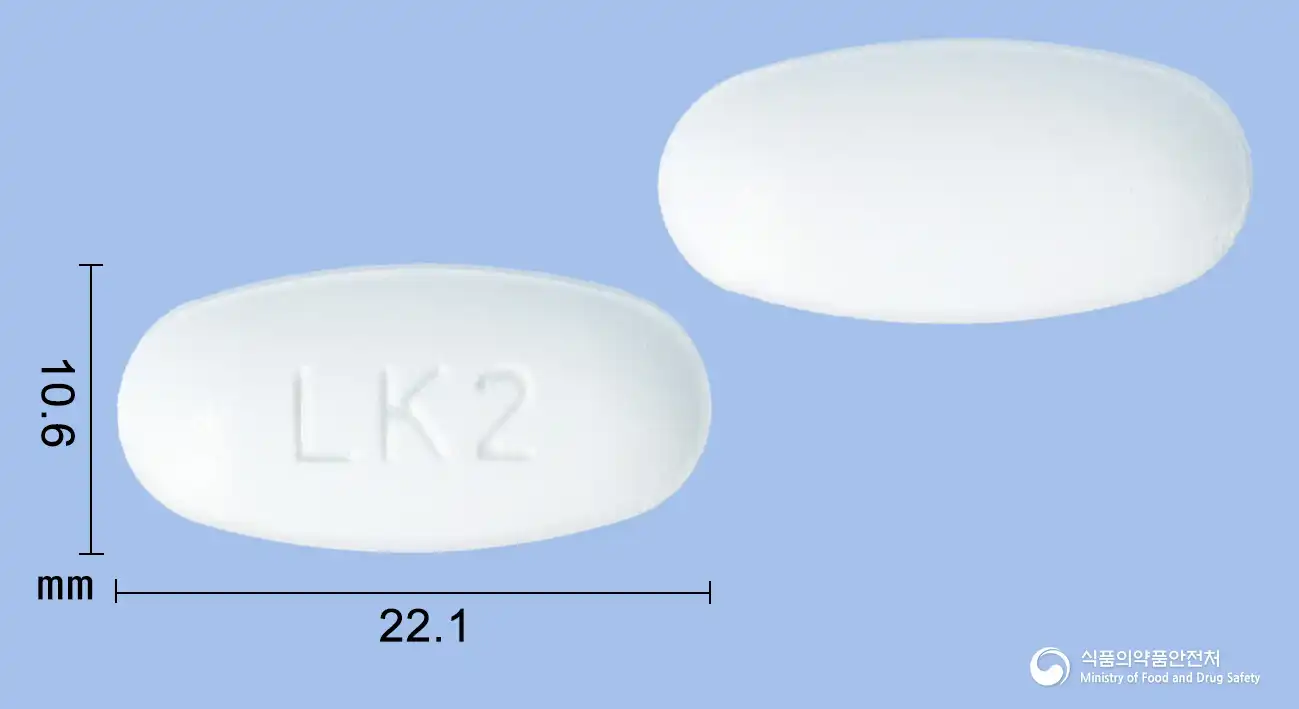
Oval-shaped extended-release tablet with one side inscribed with LK2, white to almost white.
Even with the same ingredient, the dose and directions can differ by strength and dosage form. Talk to a doctor or pharmacist before switching from a medication you are already taking.
Questions about this medicine
No questions yet.
For anything that needs medical judgment, consult a doctor or pharmacist.
This drug information is based on data provided by the Korea Ministry of Food and Drug Safety. Consult a doctor or pharmacist for accurate dosage, administration, and usage instructions.

 한국어
한국어 English
 日本語
日本語 中文(简体)
 Viewing nowCombination