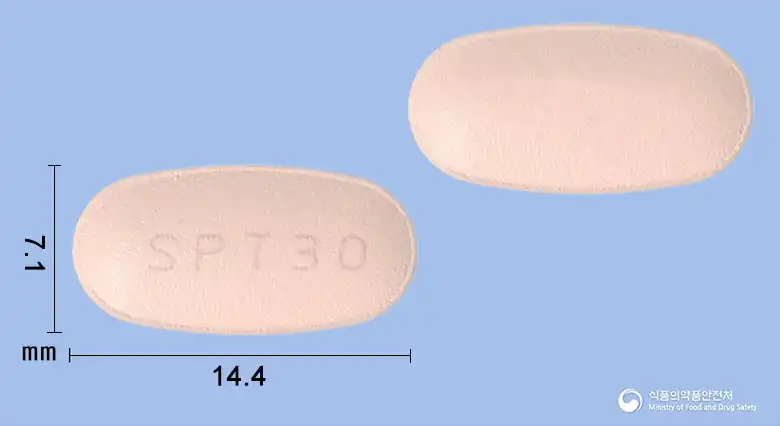
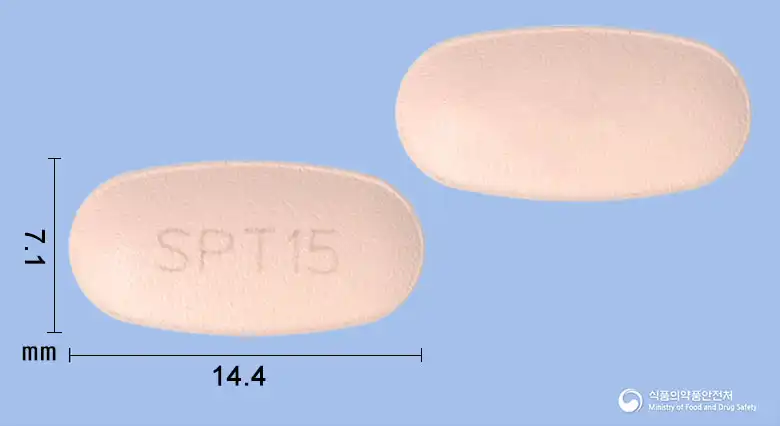
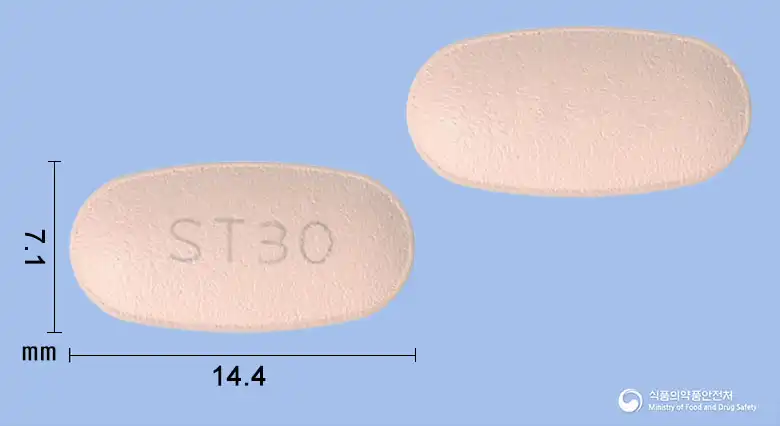
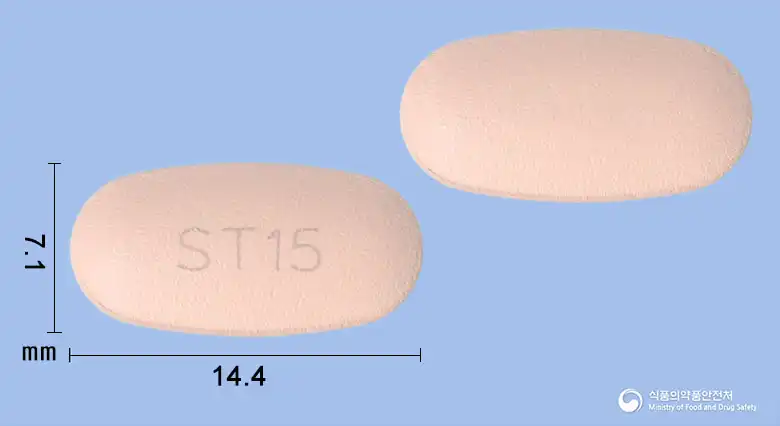
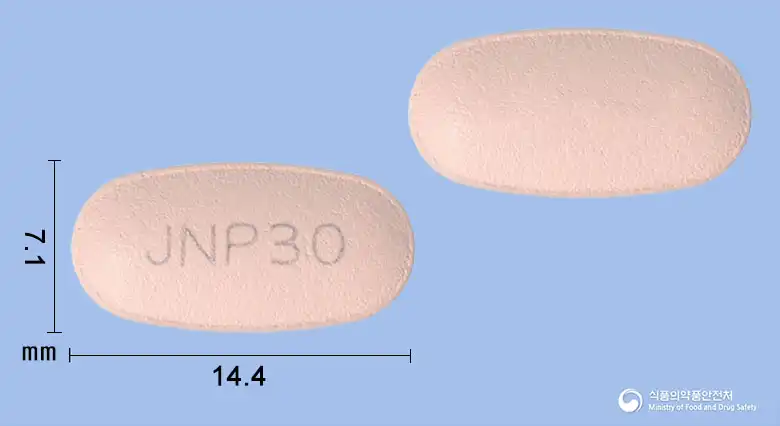
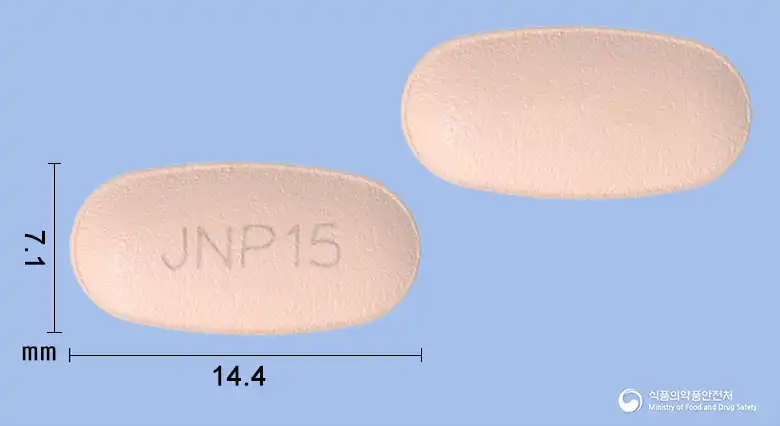
Improvement of glycemic control in patients with type 2 diabetes mellitus
Who uses it
Adults
Adult dosage
One tablet may be administered once daily, with or without food, to patients with type 2 diabetes mellitus who are receiving sitagliptin 100mg and pioglitazone 15mg or 30mg concomitantly.
If the eGFR is 45 mL/min/1.73m2 or greater, no dosage adjustment based on renal function is required.
Do not administer this drug if the eGFR is less than 45 mL/min/1.73m2.
Improvement of glycemic control in patients with type 2 diabetes mellitus
View approved original textHide original text
This medication is designed to help patients with Type 2 diabetes control their blood sugar levels, used in conjunction with diet and exercise therapy. It aids in improving blood sugar levels through the effective combination of Sitagliptin and Pioglitazone. Therefore, this medication is used to enhance blood sugar control in patients with Type 2 diabetes.
Dosage and Administration
Adult dosage
One tablet may be administered once daily, with or without food, to patients with type 2 diabetes mellitus who are receiving sitagliptin 100mg and pioglitazone 15mg or 30mg concomitantly.
If the eGFR is 45 mL/min/1.73m2 or greater, no dosage adjustment based on renal function is required.
Do not administer this drug if the eGFR is less than 45 mL/min/1.73m2.
Precautions
This medication contains Sitagliptin and Pioglitazone and is used for the treatment of Type 2 diabetes.
Patients with a history of allergic reactions should not use this medication, especially those with a history of severe hypersensitivity reactions such as anaphylaxis or angioedema should not be administered this drug.
Patients with heart failure or a history of heart failure should also not take this medication, as the Pioglitazone component can cause fluid retention and worsen heart failure.
This medication is contraindicated in patients with active bladder cancer or a history of bladder cancer due to the reported risk of bladder cancer occurrence, thus caution is required.
Patients with severely impaired liver function and those with severe renal impairment should not take this medication. In particular, Sitagliptin is excreted through the kidneys, so dosage adjustments are necessary based on renal function.
For patients with diabetic ketoacidosis, diabetic coma, Type 1 diabetes patients, patients pre- and post-surgery, and those with severe infections or trauma, insulin treatment is recommended instead of this medication.
Women who are pregnant or could become pregnant should not take this medication, and premenopausal women should take necessary contraceptive measures as this medication may increase the likelihood of becoming pregnant.
While taking this medication, pancreatitis symptoms (severe abdominal pain, nausea, vomiting, etc.) should be observed closely, and if such symptoms are suspected, immediate consultation with a physician is necessary.
Furthermore, this medication has a risk of hypoglycemia, so it is essential to frequently check blood sugar levels, especially when combined with insulin or sulfonylureas, and to be aware of symptoms of hypoglycemia.
The component Pioglitazone may cause weight gain and edema, and if edema worsens or symptoms of heart failure appear, a physician should be informed.
If symptoms of liver dysfunction (fatigue, loss of appetite, jaundice, etc.) occur, liver function tests should be performed immediately and the medication should be discontinued if there are signs of severe liver injury.
If any unusual symptoms such as severe joint pain or skin blisters occur while taking this medication, immediate consultation with a physician is necessary.
Finally, this medication may interact with various drugs, so if you are taking other medications, you must inform your doctor or pharmacist, especially as dosage adjustments may be needed when combined with CYP2C8 inhibitors or inducers.
Side effects
Hypersensitivity
anaphylaxis
angioedema
Stevens-Johnson syndrome
exfoliative skin disease
acute pancreatitis
congestive heart failure
signs and symptoms of heart failure
fluid retention
hypoglycemia
Show 83 moreCollapse
upper respiratory tract infection
nasopharyngitis
headache
diarrhea
abdominal pain
nausea
constipation
severe and disabling arthralgia
bullous pemphigoid
myalgia
limb pain
back pain
interstitial lung disease
pruritus
thrombocytopenia
rhabdomyolysis
pneumonia
diabetic complications
metabolic acidosis
falls
cardiac arrest
dyspepsia
dizziness
increased blood triglycerides
gastritis
hyperglycemia
elevated liver enzymes
acute renal failure
severe hypoglycemia
edema
weight gain
urinary tract infection
low back pain
lightheadedness
abdominal bloating
elevated serum creatine kinase
hypertension
heart failure
limb pain
chest pain
decreased vision
diabetic macular edema
liver failure
macular edema
fractures
weight gain
elevated serum ALT
elevated serum AST
anorexia
upper abdominal pain
fatigue
weakness
nausea
dyspnea
itching
chest pain
chest discomfort
tremor
chills
gastrointestinal disease
epigastric discomfort
numbness
muscle stiffness
discomfort in the head
worsening liver disease
urticaria
eczema
arthralgia
knee abnormalities
arm weakness
proteinuria
increased blood creatinine
anxiety
insomnia
drowsiness
simple herpes
blurred vision
orthostatic hypotension
palpitations
stroke
sexual dysfunction
myocardial infarction
cardiac dysfunction
Not everyone experiences these, and they can vary from person to person.
Storage
This medication should be stored in a tightly sealed container to prevent air or moisture ingress, and it is best kept at room temperature between 1 to 30 degrees Celsius. Proper storage helps maintain the efficacy of the medication.
Even with the same ingredient, the dose and directions can differ by strength and dosage form. Talk to a doctor or pharmacist before switching from a medication you are already taking.
Questions about this medicine
No questions yet.
For anything that needs medical judgment, consult a doctor or pharmacist.
This drug information is based on data provided by the Korea Ministry of Food and Drug Safety. Consult a doctor or pharmacist for accurate dosage, administration, and usage instructions.

 한국어
 English
 日本語
 中文(简体)
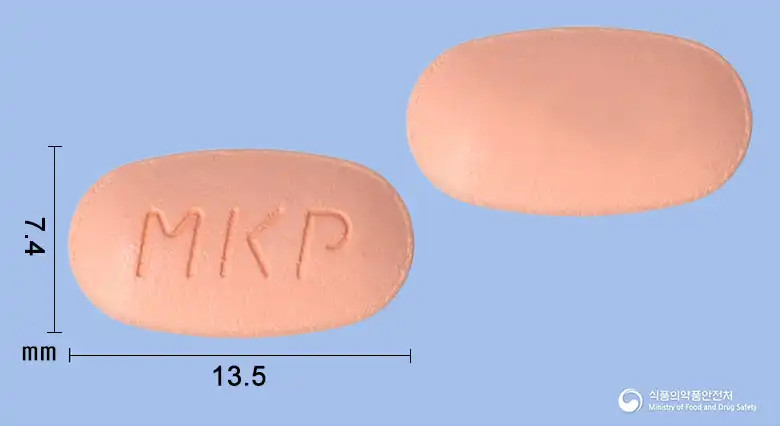 Viewing nowCombination