
 한국어
한국어 English
 日本語
日本語 中文(简体)
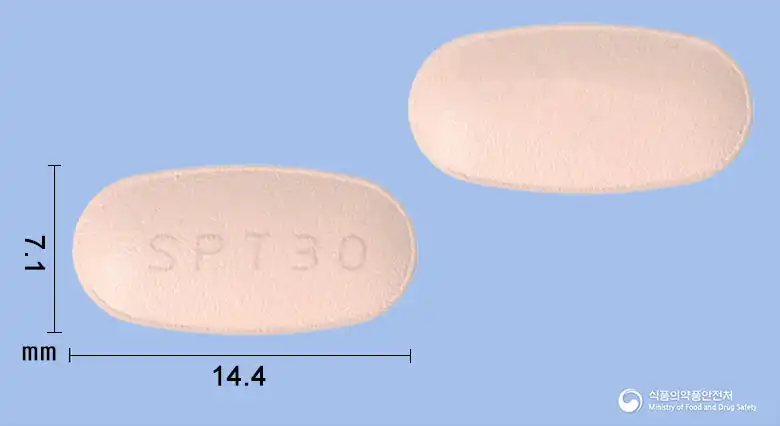 Viewing nowCombination
Sitaact Tablet 100/30mg (Sitagliptin, Pioglitazone)
Sitagliptin Phosphate Hydrate 128.5mg · Pioglitazone Hydrochloride 33.06mg
Tablet · Prescription medication · Combination
Daewoo Pharmaceutical Co., Ltd.
MFDS item code 202302261 · Approved 2023.07.28 · Insurance code 649606240
Improvement in blood sugar control in type 2 diabetes
This medication is prescribed to improve blood sugar control in patients with type 2 diabetes as an adjunct to diet and exercise. The combination of sitagliptin and pioglitazone helps effectively improve blood sugar levels, aiding in diabetes management. With consistent use, blood sugar management can be more effective.
This medication can be administered to patients with type 2 diabetes receiving combined therapy with sitagliptin 100mg and pioglitazone 15mg or 30mg as one tablet once daily regardless of meals.
This medication contains two ingredients used for the treatment of diabetes. The first ingredient helps with blood sugar control but can rarely cause serious side effects such as severe allergic reactions, skin disorders, or pancreatitis; if such symptoms are suspected, use should be discontinued immediately and a doctor consulted. The second ingredient improves insulin resistance and lowers blood sugar, but can exacerbate heart failure symptoms in patients with weak cardiac function; therefore, it should not be used in those with heart disease or a history of heart failure. Additionally, this medication should not be administered to patients with significantly impaired kidney function, severely reduced liver function, bladder cancer patients, pregnant women, or women who may become pregnant. During the medication course, patients should closely monitor for any signs of heart failure such as weight gain, edema, or shortness of breath. Hypoglycemic symptoms may also occur, thus it is essential to manage blood sugar levels carefully. This medication should be used with caution if there are liver function abnormalities or severe kidney dysfunction, particularly in elderly patients over 75 years old, premenopausal women, or patients in poor nutritional status. If sudden joint pain, skin rashes, or blistering skin conditions occur during treatment, it is important to inform a doctor immediately and consider discontinuing the medication. Moreover, this medication may interact with other drugs, so if other medications are being taken, it is essential to inform a doctor or pharmacist and seek advice. Regular blood tests and liver function tests are crucial before and during treatment to check for any abnormalities. Finally, as this medication contains lactose, patients with lactose intolerance should not take it.
Not everyone experiences these, and they can vary from person to person.
This medication is sensitive to light and should be stored in a container that does not allow light to pass through. It should also be kept away from humid places, ideally at a cool temperature between 15 to 30 degrees Celsius.
Light orange, elongated film-coated tablets
28 tablets/box [14 tablets/PTP x 2]
Even with the same ingredient, strength, dosage form and how it is taken can differ.
Viewing nowCombinationSitagliptin Phosphate Hydrate 128.5mg · Pioglitazone Hydrochloride 33.06mg
Tablet · Prescription medication · Combination
Daewoo Pharmaceutical Co., Ltd.
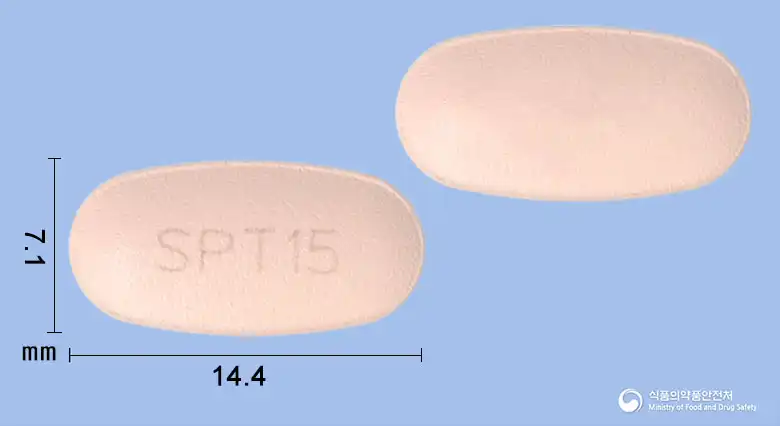 Combination
Sitagliptin Phosphate Hydrate 128.5mg · Pioglitazone Hydrochloride 16.53mg
Tablet · Prescription medication · Combination
Daewoo Pharmaceuticals Co., Ltd.
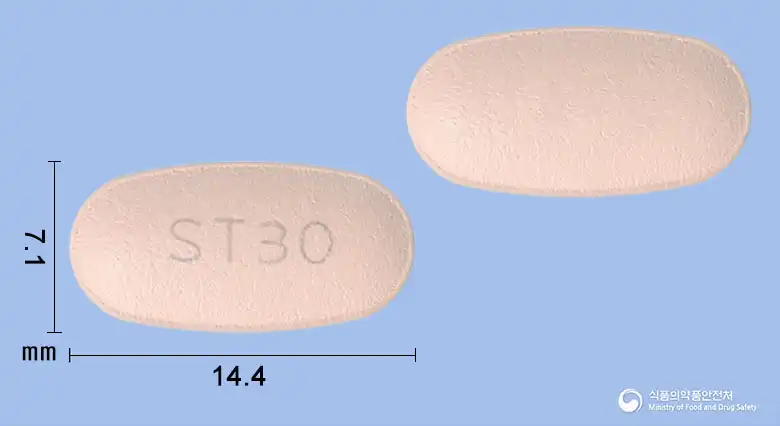 Combination
Sitagliptin Phosphate Hydrate 128.5mg · Pioglitazone Hydrochloride 33.06mg
Tablet · Prescription medication · Combination
Hyundai Pharmaceutical Co., Ltd.
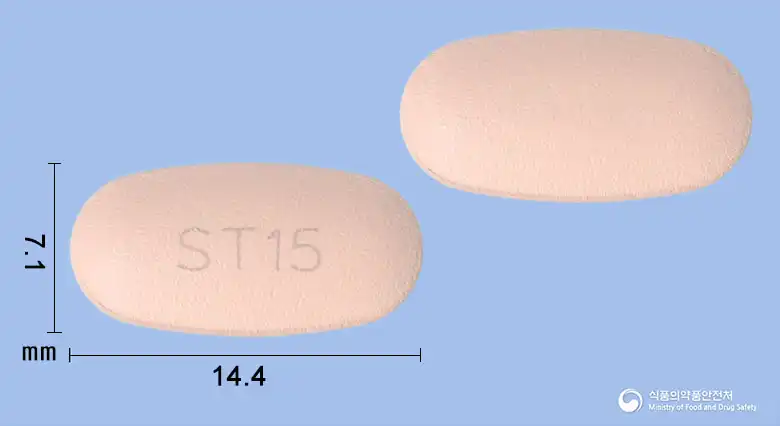 Combination
Sitagliptin Phosphate Hydrate 128.5mg · Pioglitazone Hydrochloride 16.53mg
Tablet · Prescription medication · Combination
Hyundai Pharmaceutical Co., Ltd.
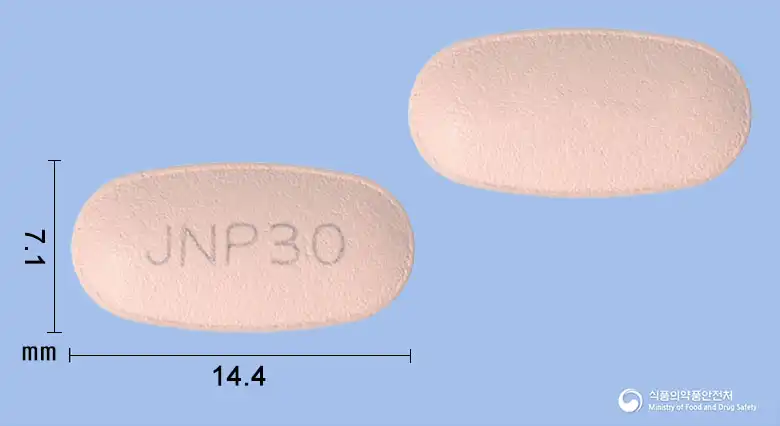 Combination
Sitagliptin Phosphate Hydrate 128.5mg · Pioglitazone Hydrochloride 33.06mg
Tablet · Prescription medication · Combination
Jinyang Pharmaceutical Co., Ltd.
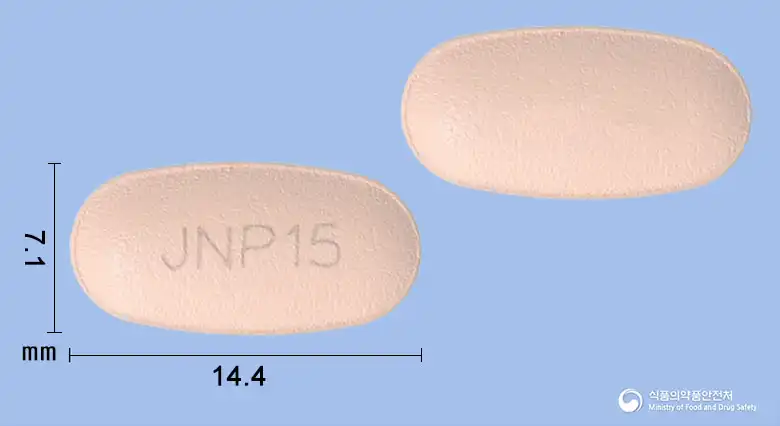 Combination
Sitagliptin Phosphate Hydrate 128.5mg · Pioglitazone Hydrochloride 16.53mg
Tablet · Prescription medication · Combination
Jinyang Pharmaceutical Co., Ltd.
Sitagliptin Phosphate Hydrate 128.5mg · Pioglitazone Hydrochloride 33.06mg
Tablet · Prescription medication · Combination
Daewon Pharmaceutical Co., Ltd.
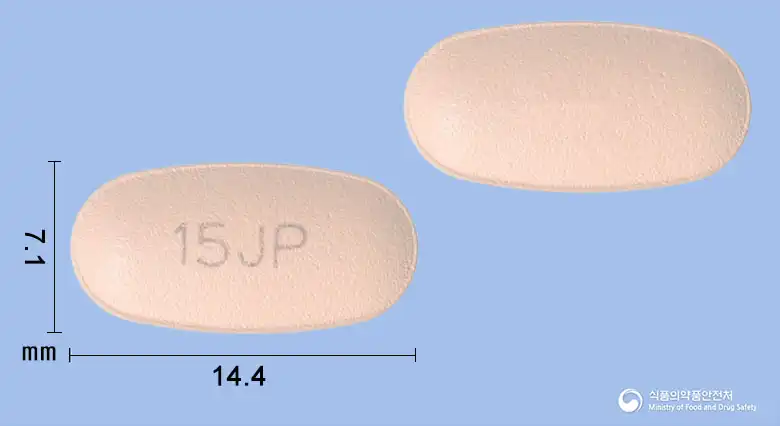 Combination
Sitagliptin Phosphate Hydrate 128.5mg · Pioglitazone Hydrochloride 16.53mg
Tablet · Prescription medication · Combination
Daewon Pharmaceutical Co., Ltd.
Even with the same ingredient, the dose and directions can differ by strength and dosage form. Talk to a doctor or pharmacist before switching from a medication you are already taking.
No questions yet.
For anything that needs medical judgment, consult a doctor or pharmacist.
This drug information is based on data provided by the Korea Ministry of Food and Drug Safety.
Consult a doctor or pharmacist for accurate dosage, administration, and usage instructions.