
 한국어
한국어 English
 日本語
日本語 中文(简体)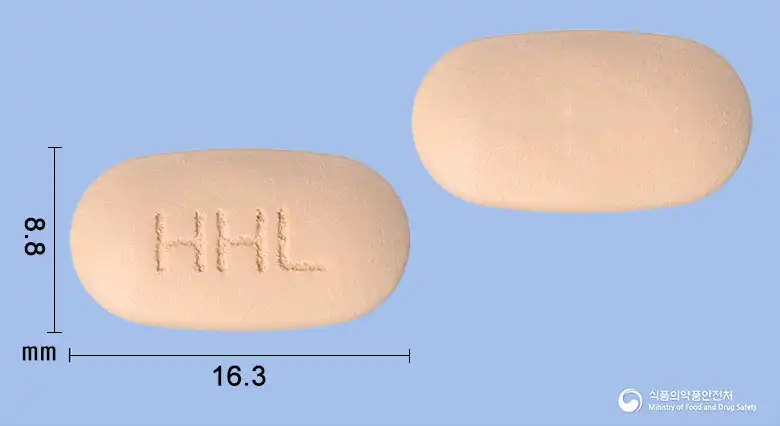
Summary
- Main use
- Prevention of rickets and bone development with vitamin D, relief of neuralgia and muscle pain with vitamin B1, relief of stomatitis and dermatitis with vitamin B6
- Who takes it
- Adults
- Adult dose
- For individuals aged 12 and older and adults: take 1 tablet once a day.
Ingredients
- Benfotiamine100mg
- Riboflavin100mg
- Nicotinamide100mg
- Calcium Pantothenate100mg
- Pyridoxine Hydrochloride98mg
- Biotin0.1mg
- Folic Acid0.05mg
- Cyanocobalamin1mg
- Inositol100mg
- Choline Tartrate20mg
- Ascorbic Acid Granules 97%51.55mg
- Tocopherol Acetate Powder 50%20mg
- Zinc Oxide30mg
- Selenium In Dried Yeast20mg
- Magnesium Oxide50mg
- Cholecalciferol Concentrate Powder10mg
- Ursodeoxycholic Acid10mg
- Gamma-Oryzanol10mg
- Manufacturer
- 한국코러스(주)
Efficacy & effects
Prevention of rickets and bone development with vitamin D, relief of neuralgia and muscle pain with vitamin B1, relief of stomatitis and dermatitis with vitamin B6
- Physical fatigue
- decreased physical strength
- poor bone development
- rickets
- neuralgia
- myalgia
- joint pain
- beriberi
- eye fatigue
- angular cheilitis
- cheilitis
- stomatitis
View approved original textHide original text
This medicine is used to supply vitamins D, E, B1, B2, B6, C, and zinc to individuals experiencing physical fatigue, those who are pregnant or breastfeeding, or those whose physical strength has decreased due to illness or convalescence, as well as those during developmental stages and elderly patients. Vitamin D helps promote healthy bone and dental development and prevents rickets. Vitamin B1 alleviates neuralgia, myalgia, joint pain, beriberi symptoms, and eye fatigue. Vitamins B6 and B2 significantly improve symptoms of angular cheilitis, cheilitis, stomatitis, glossitis, eczema, and dermatitis. Additionally, zinc contributes to overall health maintenance. Together, these components work comprehensively to be effective in recovering from fatigue and enhancing physical strength.
How to take
Adult dose
For individuals aged 12 and older and adults: take 1 tablet once a day.
Precautions
This medication should not be taken by patients with hypercalcemia, those with sarcoidosis, a condition resulting in unexplained systemic inflammation, or patients with kidney disease. Additionally, individuals with allergies to this medication or its components, infants under 12 months, patients with kidney stones, and those with severe kidney failure should also refrain from taking it. This medication contains lactose, so people with lactose intolerance or genetic conditions like lactase deficiency or glucose-galactose malabsorption should not use it. During the course of this medication, it is essential to avoid using specific medications like phosphates, calcium salts, oral tetracycline antibiotics, antacids, and levodopa. Patients receiving treatment from a physician or those with gi tract diseases such as hyperoxaluria, peptic ulcers, chronic ulcerative colitis, or localized colitis should consult with healthcare professionals prior to use. Women who are pregnant or may become pregnant, breastfeeding mothers, premature infants, and infants also require consultation with a specialist before use. Caution is advised for individuals with heart or circulatory issues, kidney disorders, hypoproteinemia, gout, or a history of kidney stones. If symptoms such as nausea, vomiting, diarrhea, rash, dermatitis, hair loss, gastrointestinal discomfort, cardiac arrhythmias, hypotension, or pulmonary edema occur during use, the medication should be discontinued immediately, and a healthcare professional should be consulted. Additionally, if menstrual cycles become earlier than expected or if bleeding persists for an extended time, use should be halted. Women taking estrogen-containing oral contraceptives or patients with a predisposition to thrombosis should be cautious, as the risk of thrombosis may increase when taking this medication. Long-term high-dose use can lead to tolerance development and may cause neuropathy or hematological adverse reactions when combined with certain vitamins. High doses can also exacerbate peptic ulcers, cause impaired glucose tolerance, hyperuricemia, or liver damage, so caution is essential. This medication must be taken according to the prescribed dosage and regimen, and it is preferable to avoid consuming tannin-containing teas like green tea or black tea while taking it. Furthermore, this medication may change the color of urine to yellow, potentially affecting clinical test results, and can interfere with blood glucose detection in urine tests. During storage, it should be kept out of reach of children, away from direct sunlight, and in a cool, dry place in a tightly sealed container. It is crucial to avoid transferring it to different containers to maintain quality.
Side effects and when to seek care immediately
Serious side effects
- Absent contractions (cardiac arrest)
- pulmonary edema
- swelling
Mild side effects
Nausea, vomiting, discomfort in the upper abdomen, diarrhea, constipation, rash, redness, loose stools, red spots, absent contractions (cardiac arrest), central nervous system dysfunction, dermatitis, odor during sweating and breathing, hair loss, impatience, gastrointestinal disturbances, digestive discomfort, abdominal pain, hypotension, pulmonary edema, menstrual cycles becoming earlier or excessively heavy, persistent bleeding, sensory neuropathy or neurological symptoms, hematological adverse reactions, impaired glucose tolerance, hyperuricemia
Not everyone experiences these, and they can vary from person to person.
Interactions
Drug interactions
This medication should not be taken concurrently with phosphates, calcium salts, oral tetracyclines, antacids, or levodopa. There is a risk of hyperkalemia when combined with aldosterone antagonists or triamterene, so caution is advised. Consultation with a physician or pharmacist is necessary when using estrogen-containing oral contraceptives together.
Food interactions
This medication should be avoided with tannin-containing beverages like green tea or black tea during or shortly before or after administration.
Storage
This medicine should be stored in a tightly sealed container to prevent air or moisture from entering. The optimal storage temperature is between 1 and 30 degrees Celsius at room temperature.
Appearance and packaging
Appearance
Yellowish-brown oblong film-coated tablets
Package unit
30 tablets/bottle - 30 tablets/bottle, 60 tablets/bottle - 60 tablets/bottle, 120 tablets/bottle - 120 tablets/bottle [60 tablets/bottle x 2]
Questions about this medicine
QIs it okay to drink black tea after taking a dietary supplement?
Teas containing tannins, such as green tea and black tea, should be avoided during and around the time of taking this medication. If you enjoy tea, please space out your tea consumption from the medication and check with a pharmacist if you have any questions.
Answers 1 · 2026.09.14
For anything that needs medical judgment, consult a doctor or pharmacist.