
 한국어
한국어 English
 日本語
日本語 中文(简体)
 Viewing now
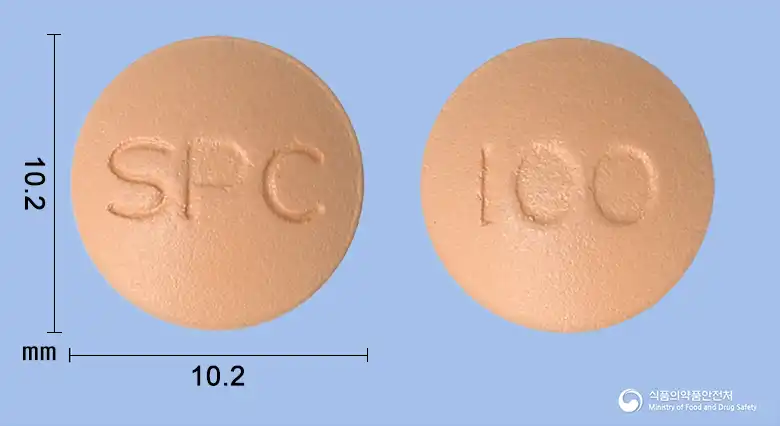
Januese Tablet 100 mg (Sitagliptin Hydrochloride Hydrate)
Sitagliptin Hydrochloride Hydrate 113.4mg
Tablet · Prescription medication
Seoul Pharmaceutical Co., Ltd.
MFDS item code 202301924 · Approved 2023.06.22 · Insurance code 652904660
Improvement of blood sugar control in type 2 diabetes
This medication helps patients with type 2 diabetes achieve better blood sugar control alongside dietary management and exercise. It can be used alone or in combination with other medications. This helps maintain stable blood glucose levels.
This medication is administered once daily at a dose of 100 mg either as monotherapy or in combination with other drugs, with a maximum dose of 100 mg per day. It can be taken regardless of meals. Dosage adjustment for patients with renal impairment: 1. Mildly impaired renal function (eGFR ≥ 60 and < 90) does not require dosage adjustment. 2. Moderately impaired renal function (eGFR ≥ 45 and < 60) does not require dosage adjustment.
Severe allergic reactions may occur during the use of this medication, so if symptoms such as skin rash or difficulty breathing arise, you should immediately stop taking the drug and consult a doctor. Additionally, serious pancreatic inflammation known as pancreatitis may occur, so if symptoms like abdominal pain, vomiting, or fever occur, you should inform medical personnel immediately. Patients with type 1 diabetes or diabetic ketoacidosis should not use this medication, nor should it be administered to those allergic to the drug or its components. Patients with impaired renal function should have their dosage adjusted, and regular kidney function tests should be conducted under a doctor's guidance. Hypoglycemia may occur while taking this medication, especially when taken alongside blood sugar-lowering agents such as insulin or sulfonylureas, so careful observation of hypoglycemic symptoms is necessary. If symptoms such as severe joint pain or the formation of blisters on the skin occur, inform a doctor immediately, and discontinue the medication if necessary. Pregnant or breastfeeding women are advised to avoid using this medication, and its safety and efficacy have not been established for children under 18 years old. Elderly patients may experience decreased kidney function, so it is important to regularly check kidney function before and during treatment with this medication. In the case of overdose, immediate medical attention should be sought for appropriate treatment, and some drugs may be removed through hemodialysis, depending on medical staff’s judgment.
Urticaria, severe swelling (angioedema), anaphylaxis, rash, severe skin reactions (including Stevens-Johnson syndrome, exfoliative skin disease), acute pancreatitis, severe hypoglycemia (including altered consciousness, seizures), severe and debilitating joint pain, bullous pemphigoid, acute renal failure, liver abnormalities (elevated liver enzymes, possibility of jaundice), severe allergic reactions, extreme swelling, increased blood pressure, pneumonia, complications of diabetes, metabolic acidosis
Not everyone experiences these, and they can vary from person to person.
This medication should be stored in a tightly sealed container to prevent air exposure, and the storage temperature should be maintained at room temperature between 1 to 30 degrees Celsius. Proper storage can help retain the drug's efficacy over time.
Orange, round, biconvex film-coated tablet
30 tablets/box [10 tablets/PTP x 3]
Even with the same ingredient, strength, dosage form and how it is taken can differ.
Viewing nowSitagliptin Hydrochloride Hydrate 113.4mg
Tablet · Prescription medication
Seoul Pharmaceutical Co., Ltd.
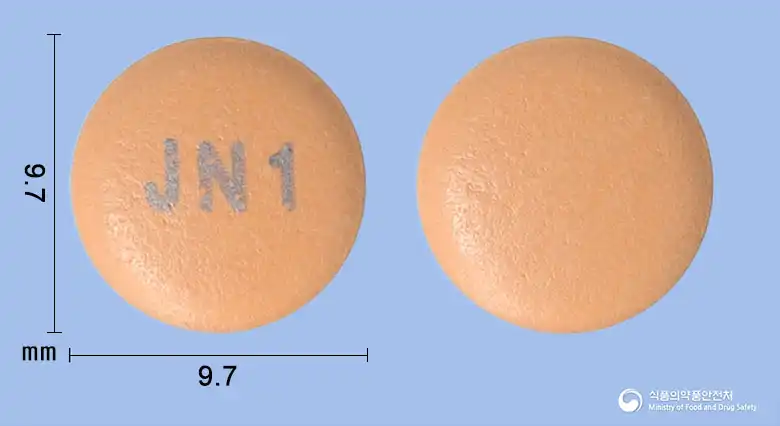
Sitagliptin Hydrochloride Hydrate 113.4mg
Tablet · Prescription medication
Daewon Pharmaceutical Co., Ltd.
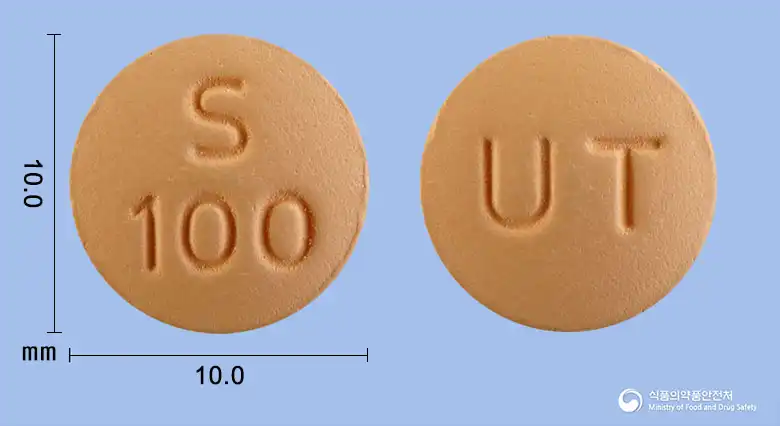
Sitagliptin Hydrochloride Hydrate 113.4mg
Tablet · Prescription medication
Korea United Pharm., Co., Ltd.
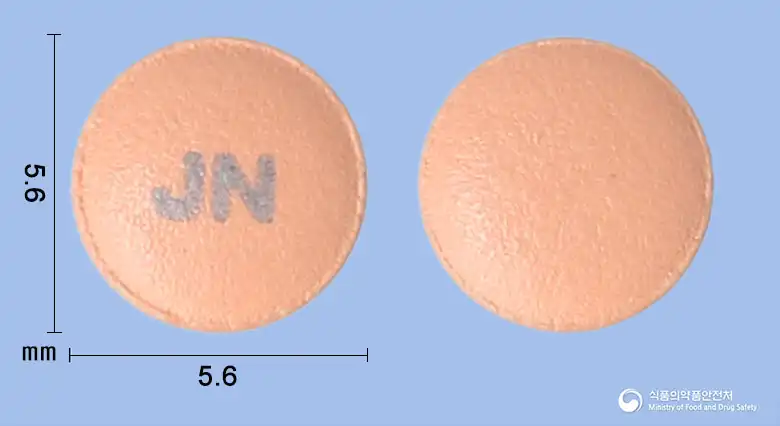
Sitagliptin Hydrochloride Hydrate 128.5mg
Tablet · Prescription medication
Daewon Pharmaceutical Co., Ltd.
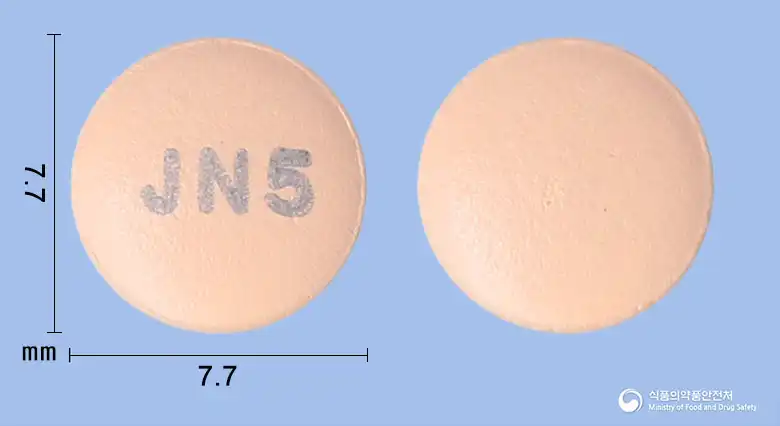
Sitagliptin Hydrochloride Hydrate 128.5mg
Tablet · Prescription medication
Daewon Pharmaceutical Co., Ltd.
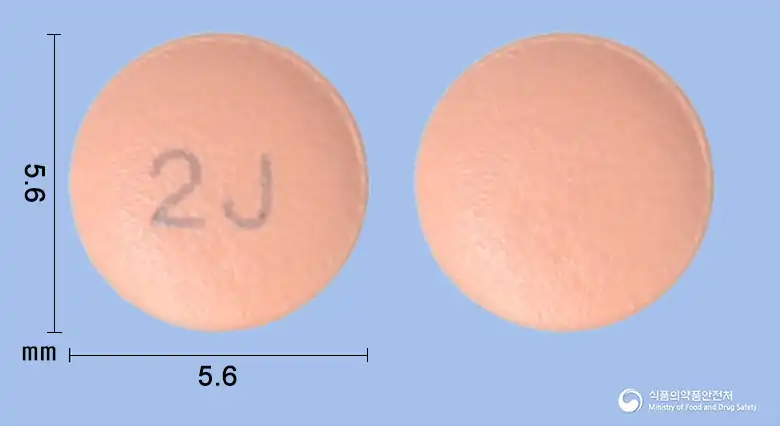
Sitagliptin Hydrochloride Hydrate 28.35mg
Tablet · Prescription medication
Daewoong Bio Co., Ltd.
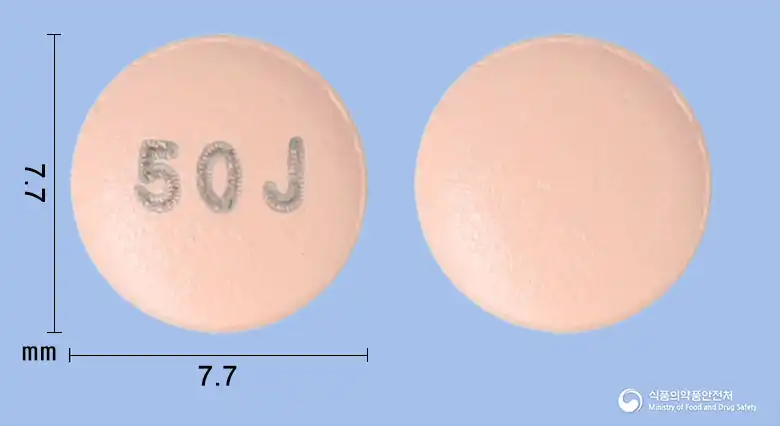
Sitagliptin Hydrochloride Hydrate 56.7mg
Tablet · Prescription medication
Daewoong Bio Co., Ltd.
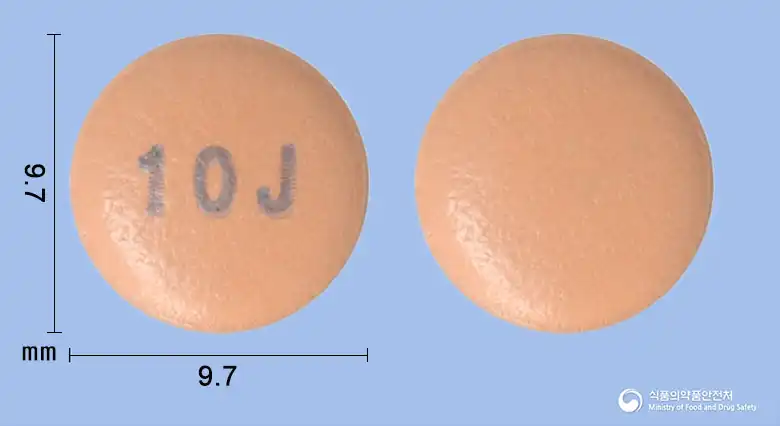
Sitagliptin Hydrochloride Hydrate 113.4mg
Tablet · Prescription medication
Daewoong Bio Co., Ltd.
Even with the same ingredient, the dose and directions can differ by strength and dosage form. Talk to a doctor or pharmacist before switching from a medication you are already taking.
No questions yet.
For anything that needs medical judgment, consult a doctor or pharmacist.
This drug information is based on data provided by the Korea Ministry of Food and Drug Safety.
Consult a doctor or pharmacist for accurate dosage, administration, and usage instructions.