
 한국어
한국어 English
 日本語
日本語 中文(简体)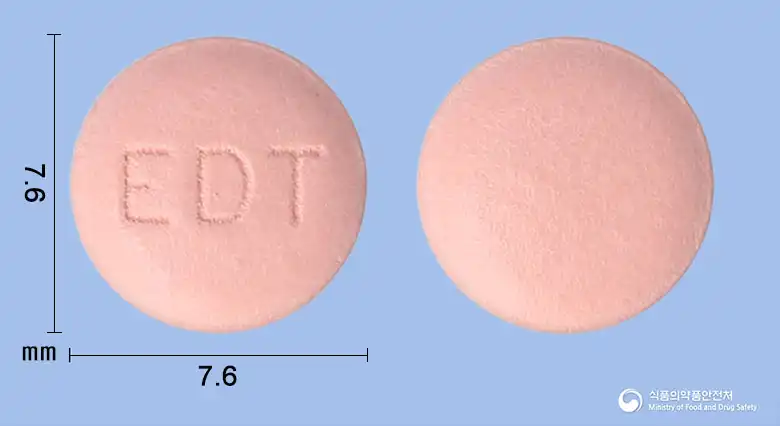
Summary
- Main use
- Improvement of blood sugar control in type 2 diabetes
- Who uses it
- Adults
- Adult dosage
- This medication can be administered to patients receiving evogliptin 5 mg and dapagliflozin 10 mg, regardless of meal timing, with a dosage of 1 tablet once daily (as 5 mg/10 mg evogliptin/dapagliflozin).
Ingredients
- Manufacturer
- 동아에스티(주)
Efficacy & effects
Improvement of blood sugar control in type 2 diabetes
View approved original textHide original text
This medicine aids in improving blood sugar control in patients with type 2 diabetes as an adjunct to dietary and exercise therapy. The combination of evogliptin and dapagliflozin helps to effectively lower blood sugar levels, facilitating smoother blood sugar management and supporting diabetes control.
Dosage and Administration
Adult dosage
This medication can be administered to patients receiving evogliptin 5 mg and dapagliflozin 10 mg, regardless of meal timing, with a dosage of 1 tablet once daily (as 5 mg/10 mg evogliptin/dapagliflozin).
Precautions
This medication should not be administered to certain patients. For example, individuals allergic to this drug's active ingredients or excipients, patients with type 1 diabetes, those with diabetic ketoacidosis, and patients undergoing dialysis should not use this medication as it may pose risks. Patients with heart failure or impaired kidney function, as well as those with reduced fluid volume, should exercise caution when taking this medication. It is particularly not recommended for patients with severe heart failure, and those with reduced kidney function may experience elevated drug concentrations, requiring close monitoring of their condition. This medication is not recommended for patients with severely impaired liver function, and if there is a history of acute pancreatitis or symptoms suggestive of pancreatitis, the medication should be discontinued immediately and a physician consulted. Various adverse reactions may occur when taking this medication, including dyspepsia, infections, arthralgia, headache, dizziness, and skin rashes. Hypoglycemic symptoms may also arise, necessitating caution. One of the active ingredients, dapagliflozin, carries risks of genital infections, urinary tract infections, fluid volume depletion, and ketoacidosis; therefore, if symptoms of infection or dehydration appear, medical staff should be informed immediately. While this medication interacts minimally with other medications, the concentration may change when taken with some antibiotics or antituberculosis drugs, so it is advisable to consult with a physician or pharmacist. Pregnant or breastfeeding women are advised against using this medication, and use should be discontinued upon confirmation of pregnancy. Elderly patients may have reduced kidney or liver function, thus their condition should be closely monitored when taking this medication. In cases of overdose, there is no specific antidote; appropriate treatment should be administered based on symptoms and the medication should be stored out of reach of children.
Side effects and when to seek care immediately
Serious side effects
Hives, severe swelling (edema), chest tightness, difficulty breathing, cold sweat, pallor, severe allergic reaction, severe rash with fever, blisters, peeling skin, pain in mucous membranes (mouth/eyes), severe skin reactions, shortness of breath or difficulty breathing, asthma attack, respiratory issues accompanying cough and fever, respiratory problems, jaundice (yellowing of skin or eyes), profound lethargy, liver abnormalities (jaundice), sudden and
Mild side effects
- Dyspepsia
- constipation
- chronic gastritis
- colon polyps
- gastric ulcer
- gastroesophageal reflux disease
- hemorrhoids
- vaginal infections
- herpes zoster
- cystitis
Show 21 moreCollapse
- arthralgia
- myalgia
- rotator cuff syndrome
- ligament sprain
- dizziness
- headache
- breast pain
- pruritus
- sensorineural hearing loss
- hypertension
- gastroenteritis
- diarrhea
- abdominal discomfort
- stomatitis
- vomiting
- increased amylase
- increased lipase
- elevated blood urea
- weight loss
- hypoglycemia
- hyperuricemia
Not everyone experiences these, and they can vary from person to person.
Storage
This medication should be stored in a tightly closed container to avoid exposure to air and moisture. The recommended storage temperature is room temperature between 1 and 30 degrees Celsius.
Appearance and packaging
Appearance
Pale pink round film-coated tablet
Package unit
PTP (Alu-Alu) - 30 tablets/box [(10 tablets/PTP x 3)]
Questions about this medicine
No questions yet.
For anything that needs medical judgment, consult a doctor or pharmacist.