
 한국어
한국어 English
 日本語
日本語 中文(简体)
 Viewing nowCombination
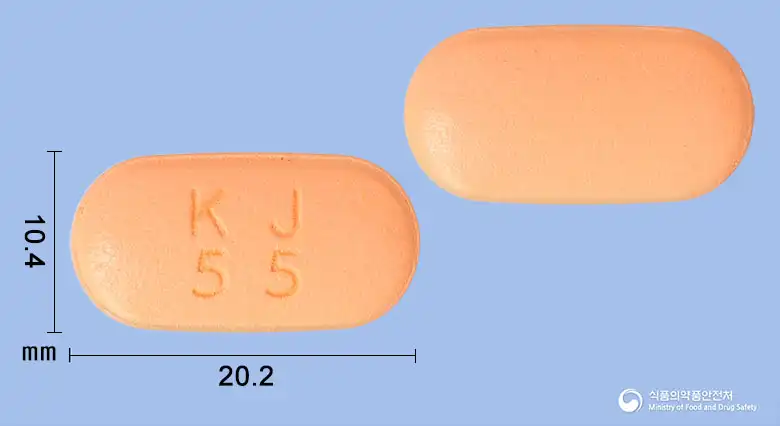
Pocidime Sustained Release Tablet 5/500 mg
Metformin Hydrochloride 500mg · Dapagliflozin Propanediol Hydrate 6.15mg
Tablet · Prescription medication · Combination
Kukje Pharm Co., Ltd.
MFDS item code 202300273 · Approved 2023.01.17 · Insurance code 643705410
Blood sugar control for type 2 diabetes and prevention of cardiovascular events
This drug helps improve blood sugar control when used in conjunction with dietary and exercise regimens for adults with poorly controlled type 2 diabetes. It can also be used for patients with cardiovascular disease or cardiovascular risk factors, and it is important to consult a specialist for information on the occurrence of cardiovascular events. Therefore, this drug assists with blood sugar control in type 2 diabetes patients and contributes to the management of cardiovascular risk.
The dosage of this drug should be individualized based on the patient's current treatment regimen, efficacy, and tolerability, without exceeding the maximum recommended doses of 10 mg dapagliflozin and 2000 mg sustained-release metformin. It is generally administered once daily with the evening meal. The maximum dose is 10 mg dapagliflozin / 2000 mg sustained-release metformin daily, administered as 2 tablets of 5 mg/1000 mg. Used as initial therapy.
This drug helps control blood sugar. However, there are several precautions to consider when taking this medication. First, this drug can rarely cause a serious condition called lactic acidosis. Lactic acidosis is a dangerous condition that occurs when there is an excessive accumulation of lactic acid in the body, which can be life-threatening, so any symptoms should prompt immediate consultation with a physician. In addition, caution is warranted when used with other diabetes medications such as insulin or sulfonylureas, as the risk of hypoglycemia may increase. Patients with poor kidney function, dehydration, serious infections, or impaired cardiac function should not take this medication. It is especially recommended that this drug not be used in cases of moderate to severe renal impairment. Additionally, this medication should not be used by pregnant or breastfeeding women, nor by patients with lactose intolerance. During treatment, symptoms of decreased fluid volume or hypotension may occur, so elderly patients or those taking diuretics should regularly monitor blood pressure and fluid status. This medication can increase the risk of infections like genital and urinary tract infections, so prompt treatment should be sought for any related symptoms. Furthermore, it may lower vitamin B12 levels, necessitating regular blood tests for prolonged use. Avoiding alcohol is advisable while taking this medication, as it may increase the risk of side effects. Before undergoing surgery or imaging procedures that use iodinated contrast agents, it is necessary to discontinue this medication for a period, so consultation with healthcare providers is essential. Finally, this medication should be used cautiously in children and the elderly, with particular monitoring of renal function in older patients. Regular assessment of renal function and blood sugar status according to a physician's instructions is important during treatment.
Hypoglycemia, decreased fluid volume (including dehydration, hypovolemia, hypotension), thirst, dizziness, constipation, dry mouth, back pain, dysuria, polyuria, nocturia, pruritus of the vulva, genital itching, increased hematocrit, dyslipidemia, increased serum creatinine, increased blood urea, weight loss, diarrhea, nausea/vomiting, decreased/deficiency of vitamin B12, abdominal pain, dyspepsia, discomfort in the abdomen, colicky pain, irritable bowel syndrome, salivary gland swelling
Not everyone experiences these, and they can vary from person to person.
This drug should be stored in a tightly sealed container to protect it from air and moisture. It is recommended to maintain a room temperature between 1 and 30 degrees Celsius.
Orange rectangular sustained-release film-coated tablet
30 tablets/box [(6 tablets/PTP) X 5]
Even with the same ingredient, strength, dosage form and how it is taken can differ.
Viewing nowCombinationMetformin Hydrochloride 500mg · Dapagliflozin Propanediol Hydrate 6.15mg
Tablet · Prescription medication · Combination
Kukje Pharm Co., Ltd.
Metformin Hydrochloride 1000mg · Dapagliflozin Propanediol Hydrate 6.15mg
Tablet · Prescription medication · Combination
AstraZeneca Korea Co., Ltd.
 Combination
Metformin Hydrochloride 1000mg · Dapagliflozin Propanediol Hydrate 12.3mg
Tablet · Prescription medication · Combination
AstraZeneca Korea Co., Ltd.
 Combination
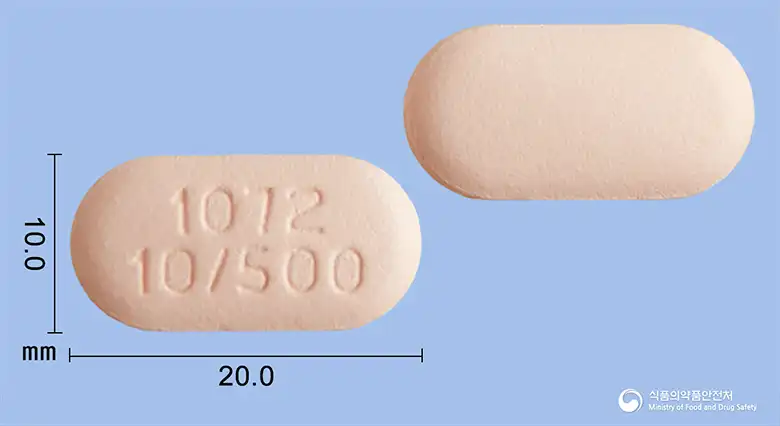
Metformin Hydrochloride 500mg · Dapagliflozin Propanediol Hydrate 12.3mg
Tablet · Prescription medication · Combination
AstraZeneca Korea Co., Ltd.
Metformin Hydrochloride 500mg · Dapagliflozin Propanediol Hydrate 6.15mg
Tablet · Prescription medication · Combination
AstraZeneca Korea Co., Ltd.
 Combination
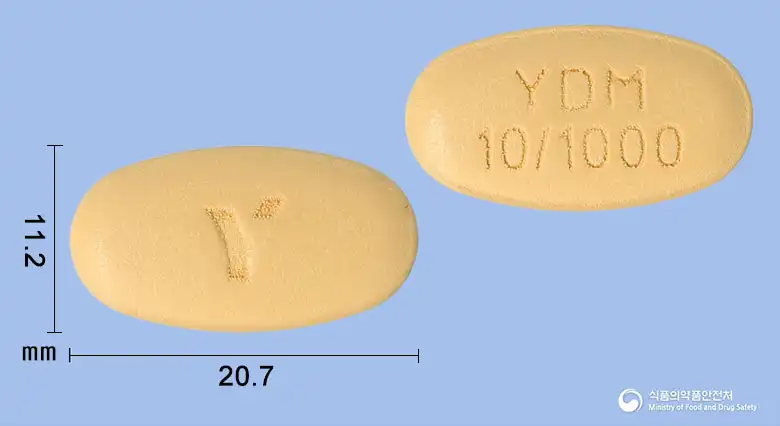
Metformin Hydrochloride 1000mg · Dapagliflozin Propanediol Hydrate 12.3mg
Tablet · Prescription medication · Combination
YouYoung Pharmaceutical Co., Ltd.
 Combination
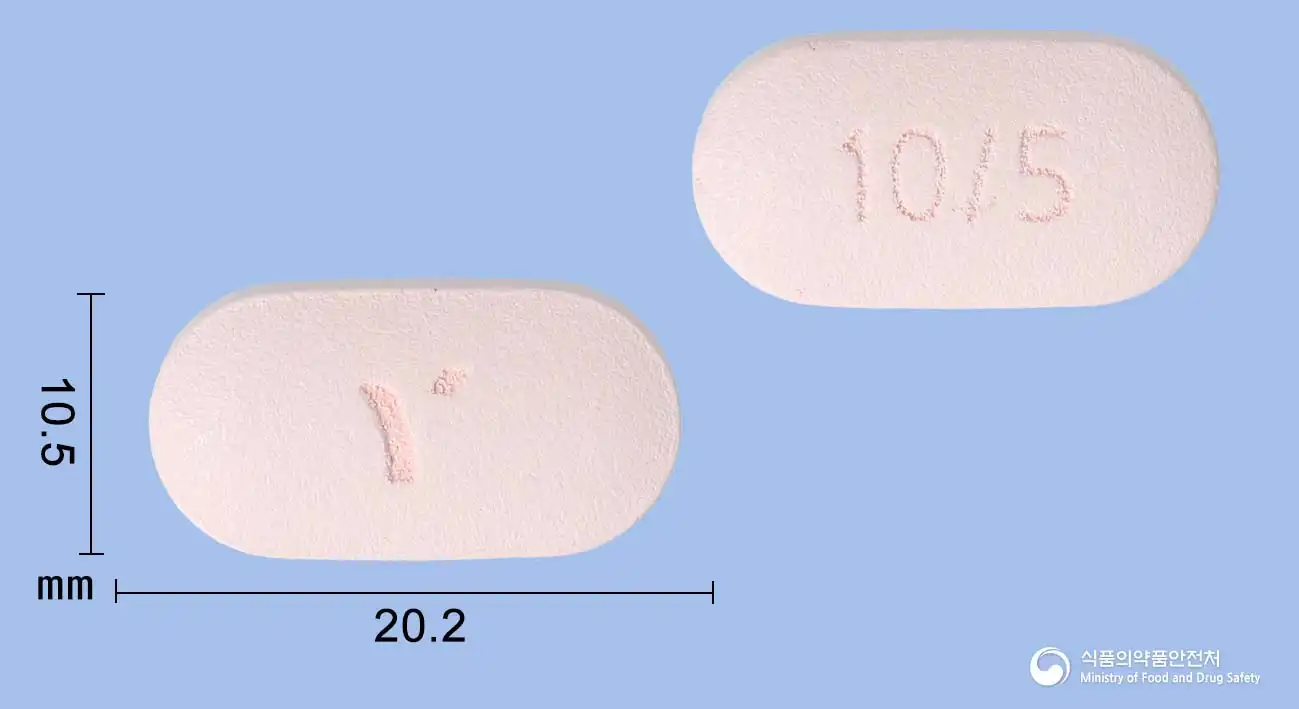
Metformin Hydrochloride 500mg · Dapagliflozin Propanediol Hydrate 12.3mg
Tablet · Prescription medication · Combination
Yuyoung Pharmaceutical Co., Ltd.
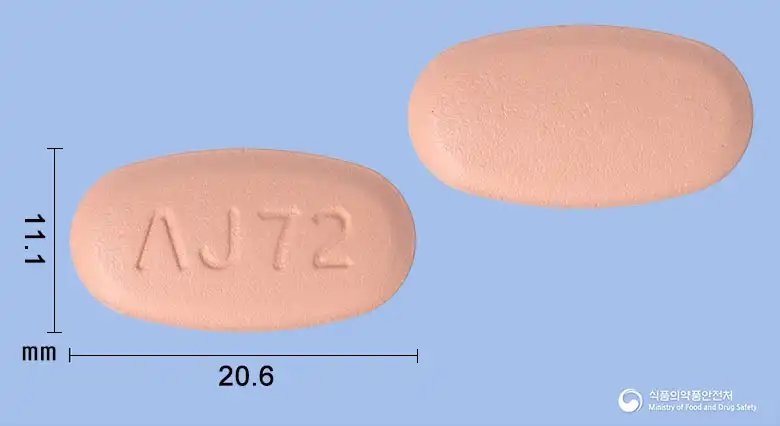 Combination
Dapagliflozin Propanediol Hydrate 12.3mg · Metformin Hydrochloride 500mg
Tablet · Prescription medication · Combination
Aju Pharmaceuticals Co., Ltd.
Even with the same ingredient, the dose and directions can differ by strength and dosage form. Talk to a doctor or pharmacist before switching from a medication you are already taking.
No questions yet.
For anything that needs medical judgment, consult a doctor or pharmacist.
This drug information is based on data provided by the Korea Ministry of Food and Drug Safety.
Consult a doctor or pharmacist for accurate dosage, administration, and usage instructions.