
 한국어
 English
 日本語
 中文(简体)
 Viewing nowCombination
Fimasoripin Tablet 60/2.5 mg
Fimasartan Potassium Trihydrate 66.01mg · S-Amlodipine Besylate 2.5 Hydrate 3.74mg
Tablet · Prescription medication · Combination
Bionex Co., Ltd.
MFDS item code 202300126 · Approved 2023.01.06 · Insurance code 643105690
Treatment of essential hypertension not adequately controlled with fimasartan monotherapy
Fimasartan potassium helps effectively control blood pressure in patients with essential hypertension who do not achieve adequate blood pressure control with monotherapy. This medication dilates blood vessels to lower blood pressure, reducing the burden on the cardiovascular system and improving blood pressure management. Therefore, fimasartan potassium is used in the treatment of essential hypertension.
Adults The recommended dose is 1 tablet once daily, taken with water, with or without food. It is recommended to take the tablet at the same time each day (e.g., in the morning), if possible. It is recommended that the dose be adjusted with fimasartan before administering this medicine. However, if blood pressure is not controlled as described below, switching directly to this medicine may be considered. ㆍ 30/2.5 milligrams: For patients whose blood pressure is not adequately controlled with fimasartan 30 milligrams monotherapy. ㆍ 60/2.5 milligrams: For patients whose blood pressure is not adequately controlled with fimasartan 60 milligrams monotherapy. ㆍ 60/5 milligrams: For patients whose blood pressure is not adequately controlled with fimasartan 60 milligrams monotherapy or this medicine 60/2.5 milligrams. Patients taking fimasartan and S-amlodipine (amlodipine) concomitantly may switch to this medicine (a combination product containing the same amounts of each active ingredient) for convenience. Elderly patients No initial dose adjustment is required for elderly patients aged 70 years or younger. Patients with renal impairment No dose adjustment is required in patients with mild to moderate renal impairment (creatinine clearance 30 ~ 80 mL/min); however, in patients with severe renal impairment (creatinine clearance < 30 mL/min), treatment should be initiated with fimasartan 30 milligrams in this medicine. Patients with hepatic impairment No dose adjustment is required in patients with mild hepatic impairment; however, this medicine should not be administered to patients with moderate to severe hepatic impairment.
The safety and efficacy of this medicine have not been established in pediatric and adolescent patients aged 18 years or younger.
This medication can cause serious harm or death to the fetus when taken during pregnancy, especially in the second and third trimesters. Therefore, it should be discontinued immediately upon confirmation of pregnancy. It should not be taken by those who are allergic to this medication, have certain liver disorders, are undergoing dialysis, have biliary obstruction, or have certain genetic lactose intolerance conditions. Particular caution is necessary in patients with low blood volume, impaired kidney function, heart valve disease, and elderly patients. Side effects such as dizziness, headache, facial swelling, urination disorders, insomnia, and flushing may occur; if symptoms are severe, consulting a physician is recommended. Patients with hypotension or electrolyte imbalances should stabilize their condition before taking this medication and should carefully observe blood pressure changes while gradually increasing the dose. This medication can increase blood potassium levels, so patients with heart failure or kidney problems should undergo regular blood tests. Interactions may occur when taken with other antihypertensive agents or specific medications, so all medications being taken should be reported to healthcare providers. Pregnant and breastfeeding women are advised to avoid taking this medication and should consult a specialist if necessary. Safety has not been established for children, and it is preferable not to use in those under 18 years of age. Overdose may result in severe hypotension and heart rhythm disturbances, so appropriate treatment should be sought immediately at a medical institution. This medication should be kept out of the reach of children, and it is safe not to transfer it to another container.
Dizziness, positional dizziness, headache, facial swelling, peripheral edema, urinary disorders, insomnia, flushing, syncope, sedation, migraine, dyspepsia, vomiting, nausea, upper abdominal pain, asthenia, foreign body sensation, elevated liver enzyme levels, decreased platelet count, increased serum creatine phosphokinase, cough, muscle contraction, musculoskeletal stiffness, pruritus, localized urticaria, facial flushing, erectile dysfunction, epilepsy, amyotrophic lateral sclerosis, neuropathy, neuronal inflammation, facial paralysis, normal pressure hydrocephalus, spinal canal stenosis, acute pancreatitis, bowel obstruction, hemorrhagic duodenal ulcer, appendicitis, hemorrhoids, abdominal pain, intracranial hemorrhage, transient ischemic attack, atherosclerosis, exacerbation of cerebral infarction, cerebral hemorrhage, liver cancer, colon cancer, neoplasm of unspecified origin, cervical cancer, prostate cancer, acute kidney failure, chronic kidney failure, nephrolithiasis, pyelonephritis, urinary incontinence, rhinitis, pulmonary fibrosis, pharyngitis, pneumonia, lung disease, death, worsening low back pain, osteoarthritis, arthrosis, hypoglycemia, hyperkalemia, pulmonary embolism, purpura, bradycardia, atrial fibrillation, coronary artery disease, aortic stenosis, heart failure, elevated blood pressure, acute hepatitis, benign pituitary neoplasm, otitis media, uterine prolapse, recurrent cancer, fracture, chest pain, weakness, fatigue, pain, weight gain, weight loss, hypotension, vasculitis, tension elevation, sensory loss, sensory abnormality, peripheral neuropathy, taste disorder, tremor, extrapyramidal disorder, gynecomastia, changes in bowel habits, dry mouth, dyspepsia, gingival hypertrophy, pancreatitis, sweating, hair loss, purpura, skin discoloration, urticaria, toxic epidermal necrolysis, tinnitus, visual disturbances, increased urinary frequency, enuresis, hepatitis, jaundice, pruritus, rash, angioedema, erythema multiforme, myocardial infarction, arrhythmia, chest pain, hypotensive effect, sinus block, atrioventricular block, abdominal discomfort, precordial pain, diarrhea, loose stools, constipation, skin flushing, maculopapular rash, dizziness, heat sensation, impaired glucose tolerance, weakness, hypotensive symptoms due to loss of blood volume and sodium, hyperkalemia, increased serum creatinine, increased blood urea, acute kidney failure, severe hypotension requiring fluid or vasopressor administration, drowsiness, pulmonary edema, blood pressure drop, increased serum lithium and toxicity, acute kidney failure, changes in kidney function, increased serum potassium levels, reduced hypotensive effect, aggravated kidney damage including acute kidney failure, blood pressure drop, shock symptoms, loss of consciousness, dyspnea, intestinal vascular edema, abdominal pain, nausea, vomiting, diarrhea
Not everyone experiences these, and they can vary from person to person.
This medication is sensitive to light and should be stored in a container that prevents exposure to light. Additionally, it is important to maintain a temperature between 1°C and 30°C during storage to preserve the medication's efficacy and safety.
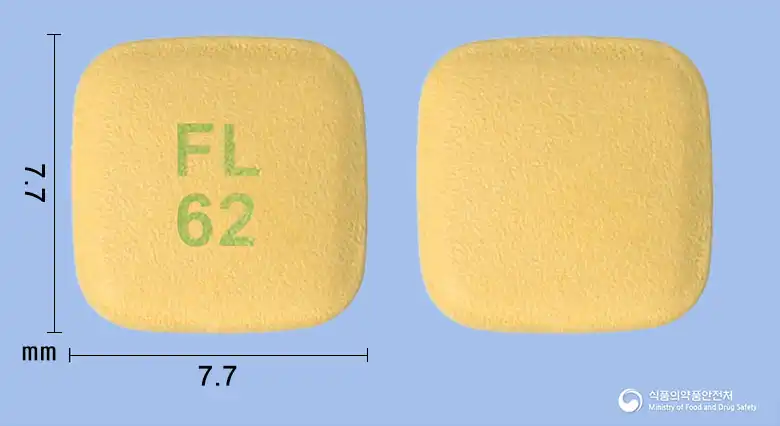
Yellow, rounded square film-coated tablet
30 tablets/bottle, 300 tablets/bottle
Even with the same ingredient, strength, dosage form and how it is taken can differ.
Viewing nowCombinationFimasartan Potassium Trihydrate 66.01mg · S-Amlodipine Besylate 2.5 Hydrate 3.74mg
Tablet · Prescription medication · Combination
Bionex Co., Ltd.
 Combination
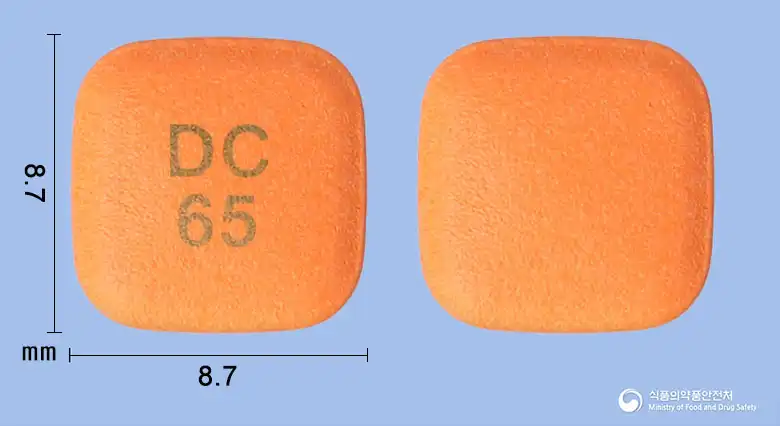
Fimasartan Potassium Trihydrate 66.01mg · S-Amlodipine Besylate 2.5 Hydrate 7.48mg
Tablet · Prescription medication · Combination
Donggu Bio Pharmaceutical Co., Ltd.
 Combination
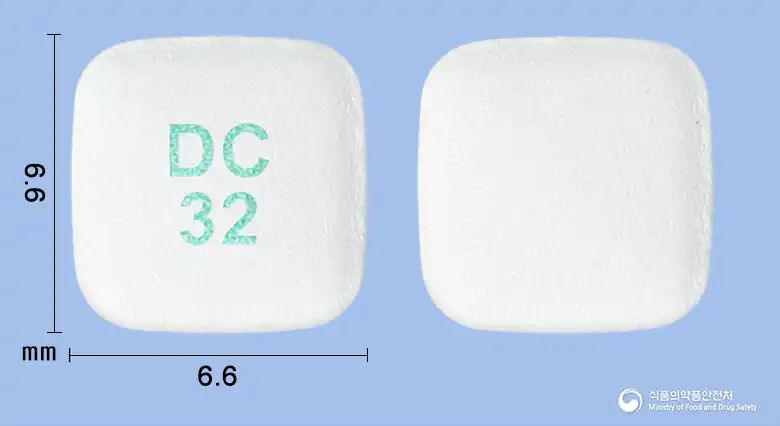
Fimasartan Potassium Trihydrate 33.005mg · S-Amlodipine Besylate 2.5 Hydrate 3.74mg
Tablet · Prescription medication · Combination
Donggu Bio Pharmaceutical Co., Ltd.
 Combination
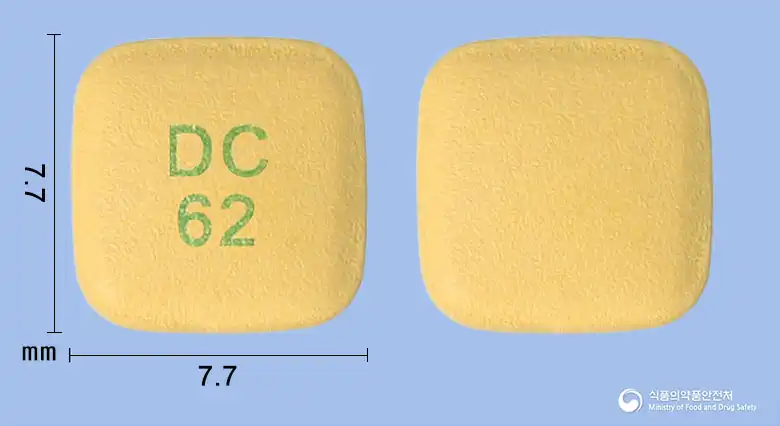
Fimasartan Potassium Trihydrate 66.01mg · S-Amlodipine Besylate 2.5 Hydrate 3.74mg
Tablet · Prescription medication · Combination
Donggu Bio Pharmaceutical Co., Ltd.
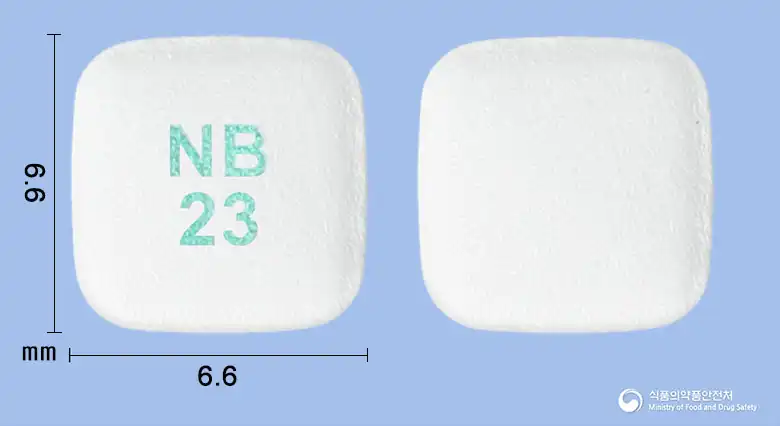 Combination
Fimasartan Potassium Trihydrate 33.005mg · S-Amlodipine Besylate 2.5 Hydrate 3.74mg
Tablet · Prescription medication · Combination
NBK Pharmaceutical Co., Ltd.
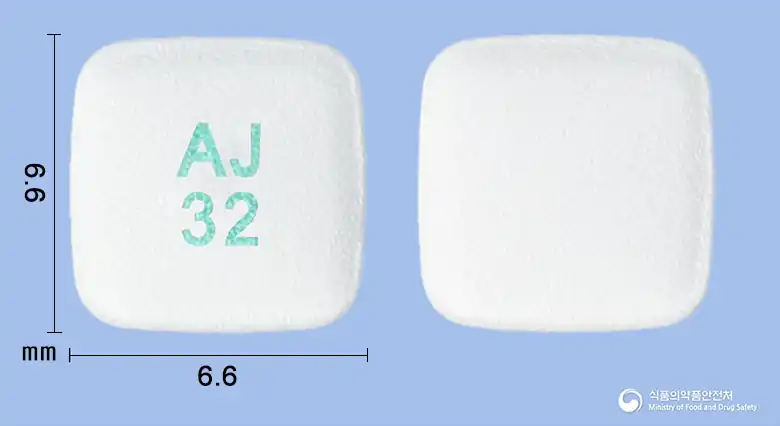 Combination
Fimasartan Potassium Trihydrate 33.005mg · S-Amlodipine Besylate 2.5 Hydrate 3.74mg
Tablet · Prescription medication · Combination
Ajou Pharmaceuticals Co., Ltd.
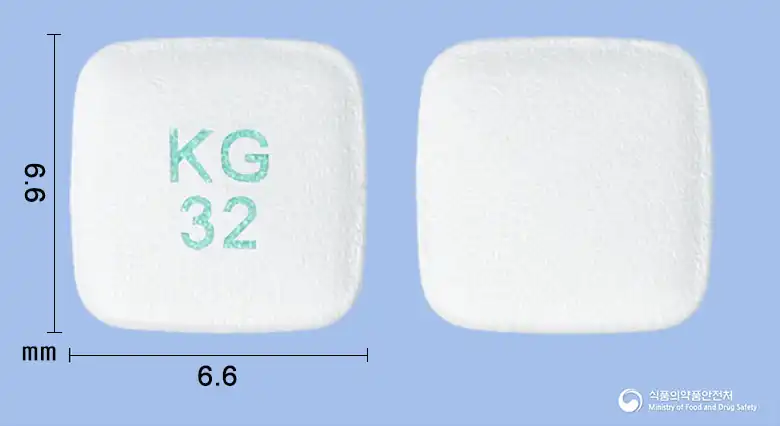 Combination
Fimasartan Potassium Trihydrate 33.005mg · S-Amlodipine Besylate 2.5 Hydrate 3.74mg
Tablet · Prescription medication · Combination
Kips Biopharma Co., Ltd.
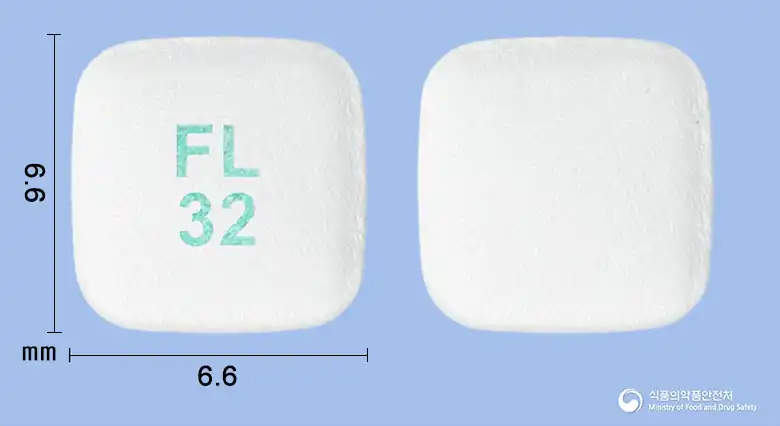 Combination
Fimasartan Potassium Trihydrate 33.005mg · S-Amlodipine Besylate 2.5 Hydrate 3.74mg
Tablet · Prescription medication · Combination
Bionex Co., Ltd.
Even with the same ingredient, the dose and directions can differ by strength and dosage form. Talk to a doctor or pharmacist before switching from a medication you are already taking.
No questions yet.
For anything that needs medical judgment, consult a doctor or pharmacist.
This drug information is based on data provided by the Korea Ministry of Food and Drug Safety.
Consult a doctor or pharmacist for accurate dosage, administration, and usage instructions.