
 한국어
 English
 日本語
 中文(简体)
 Viewing now
Ibucolben Tablets 200 Milligrams (Ibuprofen)
Ibuprofen 200mg
Tablet · OTC medication
Myeongmun Pharmaceutical Co., Ltd.
MFDS item code 202204696 · Notified 2022.12.29 · Insurance code 649808100
Relief of fever and pain associated with colds; relief of pain (headache, menstrual pain, etc.) and joint and soft tissue disorders
This medicine is mainly effective for joint diseases such as rheumatoid arthritis, juvenile rheumatoid arthritis, and osteoarthritis. It is also used to relieve fever and pain caused by a cold, back pain, dysmenorrhea, and postoperative pain. Additionally, it is effective for ankylosing spondylitis, headaches, toothaches, muscle pain, neuralgia, acute gout, psoriatic arthritis, soft tissue injuries, and non-articular rheumatic diseases. This medication alleviates various pain and inflammation conditions, thereby helping to improve the patients' daily lives. Therefore, it is widely used for the treatment of arthritis and various pains.
Rheumatoid arthritis, osteoarthritis, ankylosing spondylitis, soft tissue injury, non-articular rheumatic disorders, acute gout, psoriatic arthritis: Adults should take 200-600mg of ibuprofen per dose orally 3-4 times daily. Up to 3200mg may be administered daily. Mild to moderate pain, common cold: Adults should take 200-400mg per dose orally 3-4 times daily. The dose may be adjusted as appropriate according to age and symptoms.
Juvenile rheumatoid arthritis: Administer 30-40mg/kg of body weight daily orally in 3-4 divided doses.
This medication may cause gastrointestinal bleeding in individuals who consume more than three alcoholic beverages daily, so it should always be discussed with a doctor or pharmacist. This medication may increase the risk of serious cardiovascular problems such as heart attack or stroke in patients with cardiovascular disease or risk factors, so caution is required. During the use of this medication, gastrointestinal adverse reactions such as gastrointestinal bleeding, ulcers, or perforation may occur, so symptoms should be closely monitored, especially in elderly patients or those on long-term use. Patients with gastrointestinal ulcers or bleeding, severe liver or kidney dysfunction, heart failure, severe hypertension, etc., should not take this medication. Those with allergies to the ingredients of this medication or a history of asthma should also avoid it. It is recommended not to take this medication during late pregnancy due to potential effects on the fetus. Do not exceed the recommended dosage during treatment, and it is safer not to take it concurrently with other non-steroidal anti-inflammatory drugs. If breastfeeding, the medication may pass into breast milk and affect the baby, so nursing should be stopped or the medication should be discontinued. Drowsiness or dizziness may occur during treatment, so caution is needed when driving or operating machinery, and the symptoms may worsen if taken with alcohol. If there is any history of blood abnormalities, liver or kidney disease, heart disease, hypertension, or hypersensitivity, medication should only be taken after consulting a doctor or pharmacist. This medication may interact with certain drugs, so patients taking ACE inhibitors, lithium, diuretics, methotrexate, anticoagulants, or SSRIs should consult their healthcare professional. If severe allergic reactions, skin rashes, breathing difficulties, bleeding, severe gastrointestinal symptoms, or liver dysfunction symptoms occur, discontinue the medication immediately and consult a doctor. This medication should be taken at the minimum dose for the shortest duration possible, and those on long-term use should have regular blood tests and liver function tests. This medication may mask the symptoms of infection, so if an infection is suspected or symptoms worsen, consult a doctor immediately. This medication can cause fluid retention and edema in patients with hypertension or heart failure, so caution is warranted; patients with poor kidney function should also be careful when taking it. Overdose of this medication can cause dizziness, nausea, vomiting, liver dysfunction, kidney failure, breathing difficulties, and hypotension, requiring immediate medical attention.
Gastrointestinal bleeding, serious cardiovascular thrombotic reaction, myocardial infarction, stroke, gastrointestinal bleeding, ulcer, perforation, shock, anaphylactic reaction, chest discomfort, chills, shortness of breath, hypotension, decreased hematocrit, decreased hemoglobin, anemia, aplastic anemia, hemolytic anemia, agranulocytosis, neutropenia, leukopenia, thrombocytopenia, impaired platelet function, eosinophilia, peptic ulcer, gastrointestinal ulcer, gastrointestinal bleeding, perforation, ulcerative colitis, bloody stools, gastritis, pancreatitis, hematemesis, Crohn's disease, loss of appetite, nausea, vomiting, abdominal pain, dyspepsia, diarrhea, discomfort in the upper abdomen, epigastric pain, thirst, stomatitis, abdominal distension, oral ulcers, constipation, black stools, skin-mucosa syndrome, toxic epidermal necrolysis, photosensitivity reaction, drug rash accompanied by eosinophilia and systemic syndrome, angioedema, bullous dermatitis, erythema multiforme, papular rash, skin redness, vesicles, rash, acute generalized exanthematous pustulosis, hepatitis, jaundice, abnormal liver function, hepatic impairment, hypersensitivity or anaphylaxis reaction, asthma attack, urticaria, eczema, purpura, rash, pruritus, asthma, bronchoconstriction, shortness of breath, wheezing, scotoma, hearing loss, tinnitus, dysgeusia, dizziness, drowsiness, vertigo, depression, headache, cerebrovascular accident, irritability, aseptic meningitis, meningitis, hypotension, hypertension, palpitations, heart failure, myocardial infarction, angina pectoris, acute renal failure, oliguria, hematuria, proteinuria, hyperkalemia, interstitial nephritis, nephritis syndrome, renal papillary necrosis, decreased urine output, generalized edema, dyspnea, lethargy, Kounis syndrome, periorbital edema, facial edema, malaise, fever, epistaxis, edema, peripheral edema, dizziness, abdominal pain, nausea, vomiting, abnormal liver function, hyperkalemia, metabolic acidosis, drowsiness, headache, loss of consciousness, seizures, renal failure, shortness of breath, respiratory depression, hypotension.
Not everyone experiences these, and they can vary from person to person.
Store this medication in an airtight container, and it is advisable to keep it at a temperature between 1 degree and 30 degrees Celsius. This storage method helps maintain the effectiveness of the medication for longer.
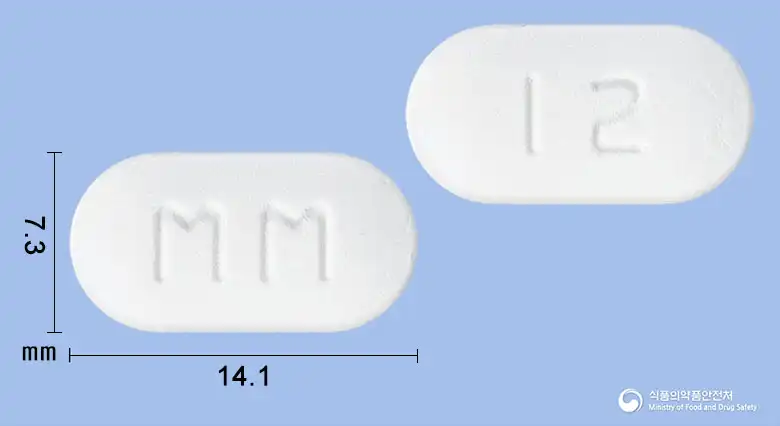
White rectangular film-coated tablet
20 tablets/box [10 tablets/blister *2]
Even with the same ingredient, strength, dosage form and how it is taken can differ.
Viewing nowIbuprofen 200mg
Tablet · OTC medication
Myeongmun Pharmaceutical Co., Ltd.

Ibuprofen 200mg
Tablet · OTC medication
Samil Pharmaceutical Co., Ltd.

Ibuprofen 400mg
Tablet · OTC medication
Samil Pharmaceutical Co., Ltd.

Ibuprofen 400mg
Tablet · OTC medication
(Company) AProgen Biologics
Ibuprofen 200mg
Tablet · OTC medication
Taeguk Pharmaceutical Co., Ltd.
Ibuprofen 400mg
OTC medication
Youngpoong Pharmaceutical Co., Ltd.
Ibuprofen 2g
Suspension · OTC medication
Samil Pharmaceutical Co., Ltd.
Ibuprofen 2g
Suspension · OTC medication
Il Dong Pharmaceutical Co., Ltd.
Even with the same ingredient, the dose and directions can differ by strength and dosage form. Talk to a doctor or pharmacist before switching from a medication you are already taking.
No questions yet.
For anything that needs medical judgment, consult a doctor or pharmacist.
This drug information is based on data provided by the Korea Ministry of Food and Drug Safety.
Consult a doctor or pharmacist for accurate dosage, administration, and usage instructions.