
 한국어
한국어 English
 日本語
日本語 中文(简体)
 Viewing now
Enblo Tablet 0.3 mg (Empagliflozin)
Enavogliflozin 0.3mg
Tablet · Prescription medication
Daewoong Pharmaceutical Co., Ltd.
MFDS item code 202204314 · Approved 2022.11.30 · Insurance code 641607780
Improvement in blood sugar control in type 2 diabetes
This medication is used to help control blood sugar levels in patients with type 2 diabetes. It can be taken alone or in combination with other medications along with diet and exercise. This helps to effectively control blood sugar levels and improve diabetes management.
For monotherapy and additional combination therapy, take 0.3 mg once daily regardless of meals.
This medication should not be used in certain patients. It should not be administered to patients with allergies to the active ingredient or any of its components or those with a history of hypersensitivity, patients with type 1 diabetes, patients with diabetic ketoacidosis, patients with severely impaired kidney function, patients with end-stage renal disease, patients on dialysis, and patients with moderate to severe liver impairment. It should be used with caution in patients with fluid volume depletion or renal function impairment. This medication can cause hypotension and rapid changes in renal function, so elderly patients or those on diuretics should have their fluid status and renal function assessed before initiation and should be closely monitored for symptoms of hypotension and changes in renal function after administration. It is only to be used with restrictions in mild heart failure patients and is not recommended for patients with severe heart failure. Caution should be exercised when using this medication in patients with slightly impaired liver function. When used in combination with insulin or insulin secretagogues, there is a risk of hypoglycemia, so caution is needed. Additionally, caution should be applied for patients who have poor nutritional status, irregular eating habits, engage in vigorous exercise, or consume excessive amounts of alcohol. There is a risk of developing ketoacidosis; if symptoms of ketoacidosis (nausea, vomiting, abdominal pain, fatigue, shortness of breath, etc.) occur during treatment with this medication, immediate consultation with healthcare professionals is advised, and dosage should be discontinued if necessary. The risk of urinary tract infections and genital infections may be increased, so any signs of infection should be promptly treated. Due to the diuretic effect of this medication, dehydration may occur; thus, especially elderly patients or those on diuretics should ensure adequate hydration and careful management of their fluid status. This medication has been reported to cause hypoglycemia, weight loss, increased risk of lower limb amputation, and rarely, serious side effects such as necrotizing fasciitis, so it is essential to closely monitor patient conditions and take preventive measures. Pregnant or breastfeeding women are advised not to use this medication, and especially if pregnancy is confirmed, treatment should be discontinued. The safety and efficacy of this medication in pediatric and adolescent populations have not yet been established. Elderly patients are at heightened risk of renal function deterioration and dehydration, so extra caution is needed during administration, and it is not recommended for patients over 80 years of age. This medication should not be used in patients with severely impaired renal function, and treatment should be stopped if renal function continues to decline. In cases of overdose, there is no specific antidote, and appropriate treatment should be administered based on symptoms. Finally, this medication should be stored out of reach of children, and it is recommended not to transfer it to another container.
Hives, severe swelling (edema), chest tightness, difficulty breathing, cold sweats, paleness, severe rash with high fever, blisters, skin peeling, mouth/eye mucous membrane pain, shortness of breath or difficulty breathing, asthma attacks, cough with fever accompanied respiratory distress, yellowing of the skin or eyes (jaundice), profound lethargy, sudden and severe headache, thunderclap headache, seizures, altered consciousness, vision abnormalities, paralysis, urination
Not everyone experiences these, and they can vary from person to person.
This medication should be stored in a tightly sealed container to prevent exposure to air and moisture. Additionally, it is best stored at room temperature between 1 degree Celsius and 30 degrees Celsius.
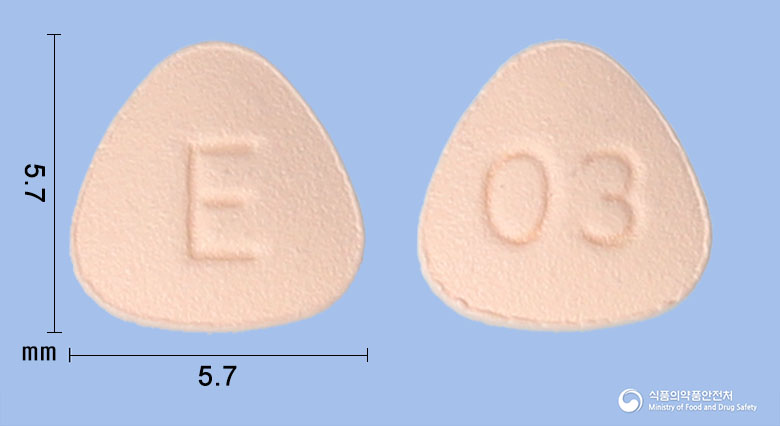
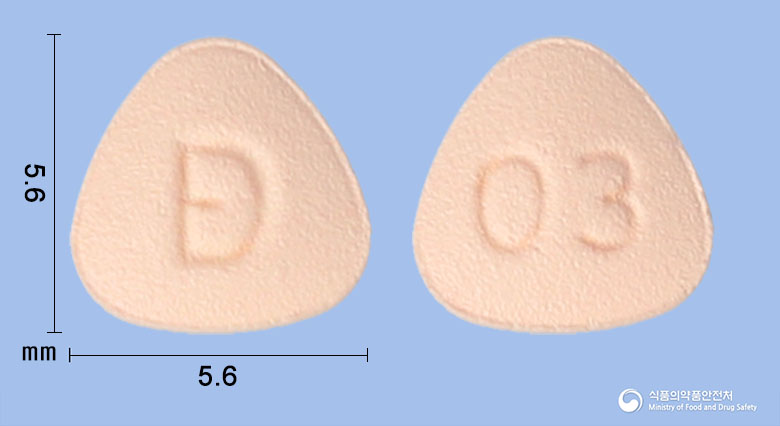
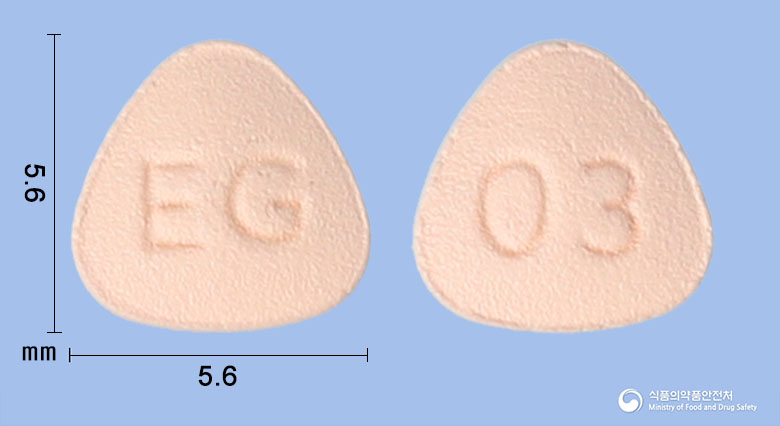
Light orange, double convex, triangular film-coated tablet
30 tablets/box [10 tablets/PTPX3], 56 tablets/box [14 tablets/PTPX4], 30 tablets/bottle, 300 tablets/bottle
Even with the same ingredient, strength, dosage form and how it is taken can differ.
Viewing nowEnavogliflozin 0.3mg
Tablet · Prescription medication
Daewoong Pharmaceutical Co., Ltd.
Enavogliflozin 0.3mg
Tablet · Prescription medication
Daewoong Bio Co., Ltd.
Enavogliflozin 0.3mg
Tablet · Prescription medication
Hanol Bio Pharma Co., Ltd.
Even with the same ingredient, the dose and directions can differ by strength and dosage form. Talk to a doctor or pharmacist before switching from a medication you are already taking.
No questions yet.
For anything that needs medical judgment, consult a doctor or pharmacist.
This drug information is based on data provided by the Korea Ministry of Food and Drug Safety.
Consult a doctor or pharmacist for accurate dosage, administration, and usage instructions.