한국어
한국어 English
 日本語
日本語 中文(简体)
 Viewing nowCombination
Viacon Tablets
Ascorbic Acid 50mg · Pyridoxine Hydrochloride 1mg +5 more
Tablet · OTC medication · Combination
Ihwa Co., Ltd.
MFDS item code 202204125 · Notified 2022.11.16
Improvement of physical fatigue and reduced stamina during pregnancy and lactation, and relief of symptoms of angular cheilitis, stomatitis, and other oral and skin inflammations.
The vitamins B1, B2, B6, and C contained in this medication help replenish and improve stamina when feeling physical fatigue or during pregnancy and lactation, as well as when stamina is reduced due to illness or post-illness. It is also effective in alleviating symptoms of oral inflammations such as angular cheilitis, cheilitis, stomatitis, and glossitis, as well as skin conditions such as eczema and dermatitis. These vitamins contribute to the recovery from various symptoms and maintenance of health, thereby improving overall condition.
Individuals aged 8 years and older take 1-3 tablets once a day.
Children aged 8 years and older take 1-3 tablets once a day.
This medication should not be taken by individuals who are allergic to any of the components contained in it. Additionally, infants under 3 months of age should not use this medication. This medication contains lactose, so people with genetic disorders that prevent lactose digestion should not take it. It is advisable not to take this medication alongside the drug levodopa. Infants under 1 year, patients currently under medical treatment, individuals with hyperoxaluria, pregnant women or women who may become pregnant, nursing mothers, and premature infants or infants should consult a doctor or pharmacist before taking this medication. Patients with gout or kidney stones should also consult a specialist before using this medication. If symptoms such as nausea, vomiting, diarrhea, or loose stools occur while taking this medication, discontinue use immediately and consult a doctor. Long-term use of high doses may lead to tolerance to the medication. Long-term use of pyridoxine in dosages ranging from 500 mg to 2 g may cause neurological symptoms, so caution is required. Patients with folate deficiency who take vitamin B12 above a certain dosage may experience blood-related abnormalities, so caution is needed. High-dose administration may exacerbate peptic ulcers, impair glucose control, elevate uric acid levels in the blood, and cause liver damage. If this medication has been taken in excessive amounts or if symptoms do not improve after about a month of usage, consult a specialist immediately. It is essential to follow the prescribed dosage and guidelines, and when administering to children, do so under the supervision of a guardian. This medication may affect blood glucose detection in urine tests, and may discolor urine to a yellow hue, influencing clinical test results. When storing, keep out of reach of children, avoid direct sunlight, and store in a cool, dry, sealed container. Furthermore, it is vital not to transfer to another container to maintain quality.
Not everyone experiences these, and they can vary from person to person.
Do not take this medication with levodopa.
This medication should be stored in an airtight container and kept at a temperature between 1 degree and 30 degrees Celsius. Storing it this way will help maintain the effectiveness of the medication for an extended period.
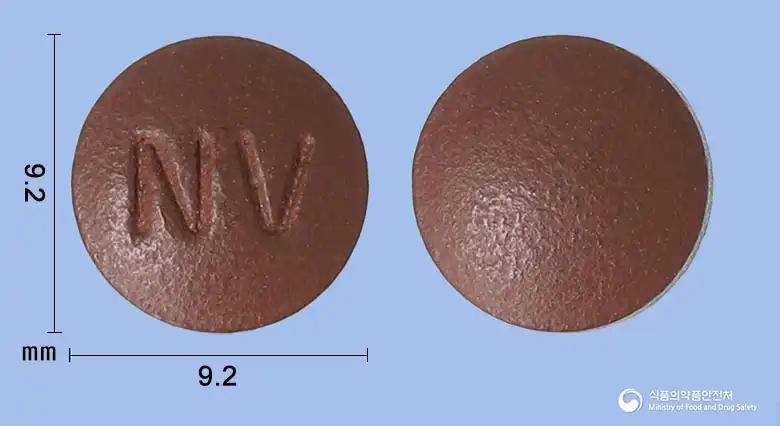
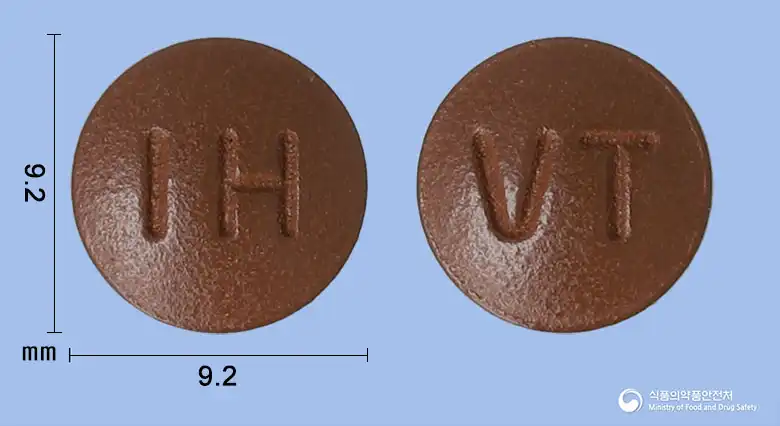
Brown round film-coated tablet
30 tablets/bottle, 60 tablets/bottle, 90 tablets/bottle, 300 tablets/bottle, 500 tablets/bottle, 1000 tablets/bottle, 2000 tablets/bottle
Even with the same ingredient, strength, dosage form and how it is taken can differ.
Even with the same ingredient, the dose and directions can differ by strength and dosage form. Talk to a doctor or pharmacist before switching from a medication you are already taking.
QMy lip corners are often chapped, so I'm considering taking this.
Answers 1 · 2026.09.14
For anything that needs medical judgment, consult a doctor or pharmacist.
This drug information is based on data provided by the Korea Ministry of Food and Drug Safety.
Consult a doctor or pharmacist for accurate dosage, administration, and usage instructions.