
 한국어
 English
 日本語
 中文(简体)
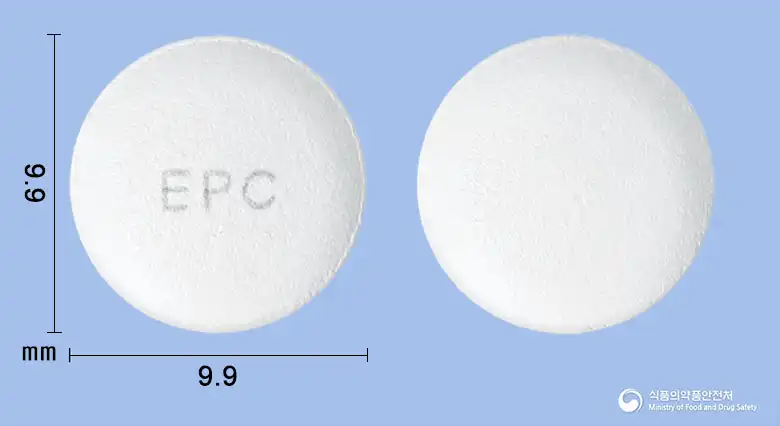 Viewing nowCombination
Epcronex Tablets
Eperisone Hydrochloride 75mg · Aceclofenac 100mg
Tablet · Prescription medication · Combination
Hankook Hyutecs Pharmaceutical Co., Ltd.
MFDS item code 202203634 · Approved 2022.09.22 · Insurance code 649105600
Relief of pain from acute low back pain with muscle spasms
This medication is used to relieve pain in patients with acute low back pain accompanied by symptoms of musculoskeletal muscle spasms.
Adults: Administer 1 tablet orally twice daily after meals. Swallow this medicine whole without crushing, splitting, or chewing it. It should be administered for the shortest duration possible to minimize adverse reactions. Patients with hepatic impairment This medicine is not recommended for initial treatment of patients with hepatic impairment who require a dose reduction (see section 5. General precautions in Precautions for use). Elderly patients This medicine is not recommended for elderly patients who require a dose reduction (see section 9. Use in elderly patients in Precautions for use).
This medication should be discussed with a doctor or pharmacist before use in individuals who regularly consume more than three alcoholic drinks a day. This is because using this medication may cause gastrointestinal bleeding. This medication may increase the risk to cardiovascular and cerebrovascular systems. In particular, it may heighten the risk of serious thrombotic events such as myocardial infarction and stroke in patients with risk factors for cardiovascular disease, thus it should be administered with caution. Additionally, the risk may increase depending on the dose and duration of use, so it should be taken at the lowest possible dose for the shortest period. This medication can cause serious adverse reactions including gastrointestinal bleeding, ulcers, and perforation. Particularly in elderly patients and those with a history of gastrointestinal disease, caution is essential, and if symptoms of gastrointestinal bleeding or discomfort occur while taking this medication, medical consultation should be sought immediately. This medication should not be administered to specific patients. For example, patients with active peptic ulcers or bleeding, those with hypersensitivity to this medication or similar drugs, patients with severe heart failure, and pregnant women in the late stages of pregnancy should not take it. Patients with kidney or liver dysfunction or elderly patients, and those with a history of hypertension or asthma should use this medication with caution, and regular monitoring and testing are required during treatment. During treatment with this medication, unusual reactions such as dizziness, drowsiness, gastrointestinal discomfort, and skin rashes may occur, and if these symptoms occur, they should be reported to a healthcare professional immediately. This medication may interact with other drugs; therefore, any current medications should be reported to the healthcare provider. Caution is especially needed when combined with anticoagulants, diuretics, ACE inhibitors, and antidiabetic drugs. Pregnant women should not take this medication, especially in the late stages, and should only take it with careful consideration of dosage and duration during the early or middle stages of pregnancy. Breastfeeding mothers are also advised to discontinue nursing or the medication when taking this drug. Safety and efficacy in children or adolescents have not been established; therefore, its use is not recommended. Elderly patients have a higher risk of side effects associated with this medication, so dosage adjustment and caution are necessary. In cases of overdose, symptoms such as gastrointestinal irritation, hypotension, respiratory depression, and convulsions may appear, necessitating immediate medical assistance. This medication should be stored out of the reach of children, and transferring it to another container is not advisable for quality maintenance and safety.
Not everyone experiences these, and they can vary from person to person.
This medication should be stored in a tightly sealed container to avoid exposure to air and moisture. It is best to maintain a storage temperature between 1 degree and 30 degrees Celsius.
White to almost white round sustained-release film-coated tablets
Bottle packaging - 30 tablets/bottle, bottle packaging - 100 tablets/bottle
Even with the same ingredient, strength, dosage form and how it is taken can differ.
Viewing nowCombinationEperisone Hydrochloride 75mg · Aceclofenac 100mg
Tablet · Prescription medication · Combination
Hankook Hyutecs Pharmaceutical Co., Ltd.
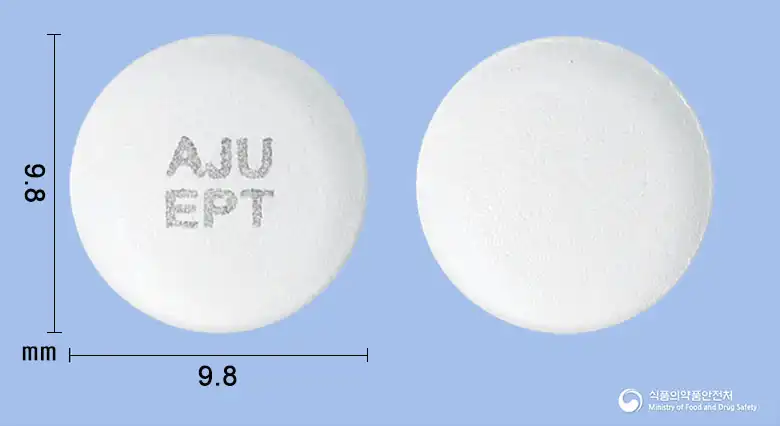 Combination
Eperisone Hydrochloride 75mg · Aceclofenac 100mg
Tablet · Prescription medication · Combination
Aju Pharmaceuticals Co., Ltd.
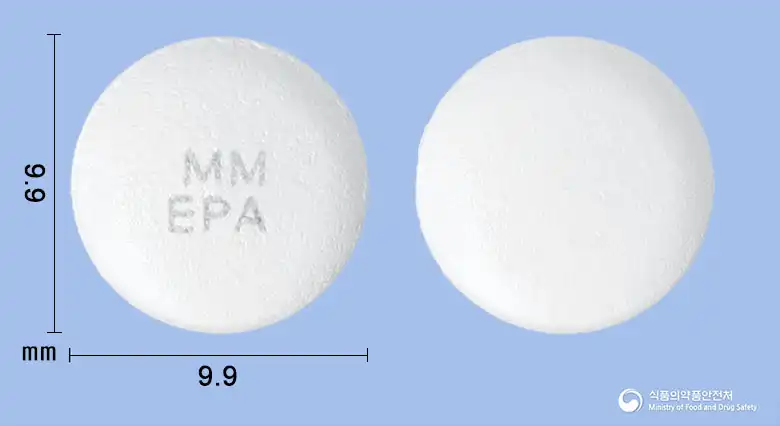 Combination
Eperisone Hydrochloride 75mg · Aceclofenac 100mg
Tablet · Prescription medication · Combination
Myeongmoon Pharm Co., Ltd.
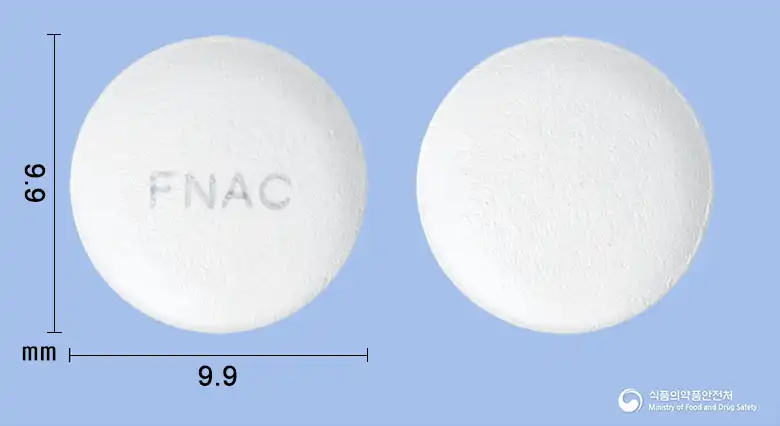 Combination
Eperisone Hydrochloride 75mg · Aceclofenac 100mg
Tablet · Prescription medication · Combination
Hanin Pharmaceutical Co., Ltd.
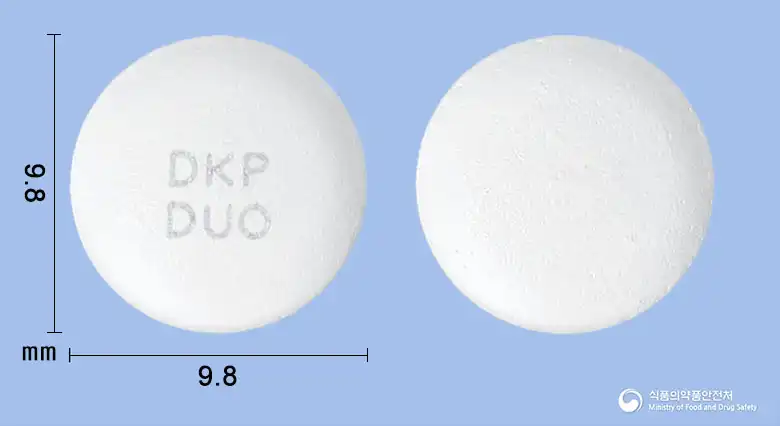 Combination
Eperisone Hydrochloride 75mg · Aceclofenac 100mg
Tablet · Prescription medication · Combination
Donggu Bio Pharmaceutical Co., Ltd.
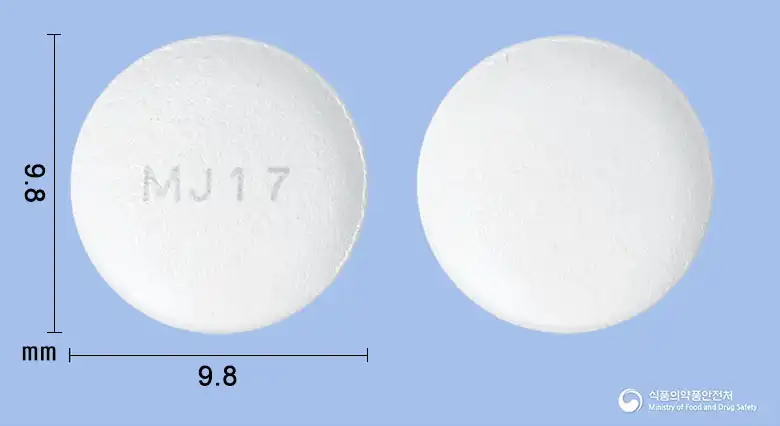 Combination
Eperisone Hydrochloride 75mg · Aceclofenac 100mg
Tablet · Prescription medication · Combination
(Mother's Pharmaceuticals Co., Ltd.)
Even with the same ingredient, the dose and directions can differ by strength and dosage form. Talk to a doctor or pharmacist before switching from a medication you are already taking.
No questions yet.
For anything that needs medical judgment, consult a doctor or pharmacist.
This drug information is based on data provided by the Korea Ministry of Food and Drug Safety.
Consult a doctor or pharmacist for accurate dosage, administration, and usage instructions.