
 한국어
한국어 English
 日本語
日本語 中文(简体)
 Viewing nowCombination
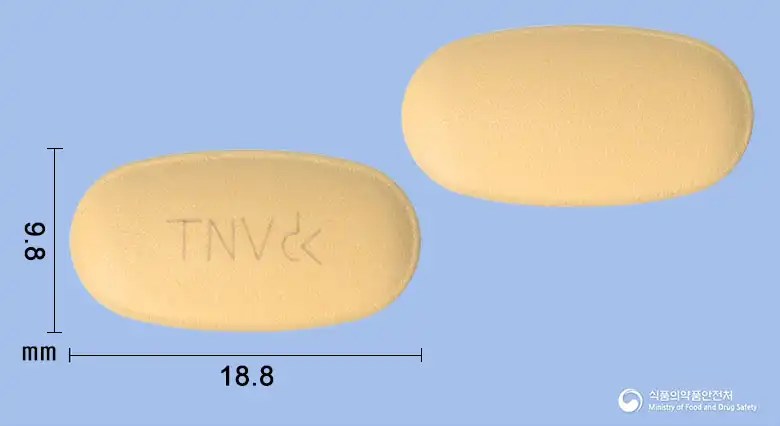
Tenarican M Extended-Release Tablets 10/750 mg
Metformin Hydrochloride 750mg · Teneligliptin Ditosylate Dihydrate 18.92mg
Tablet · Prescription medication · Combination
Dongkuk Pharmaceutical Co., Ltd.
MFDS item code 202202714 · Approved 2022.07.01 · Insurance code 653405130
Improvement of blood glucose control in type 2 diabetes
This medication is used alongside diet and exercise therapy to help patients with type 2 diabetes control their blood sugar levels when taking Teneligliptin and Metformin together. In other words, individuals who need blood glucose management can effectively improve their blood sugar levels by taking this medication.
This medication is generally administered once daily with the evening meal. The 20/1000 mg extended-release tablet is taken as 1 tablet once a day. Patients taking the 10/750 mg or 10/500 mg extended-release tablet take 2 tablets together once daily. For patients who cannot achieve sufficient blood glucose control with monotherapy of metformin, the initial dose should provide Teneligliptin 20 mg once daily alongside the existing metformin dosing.
This medication is used for the treatment of diabetes and helps to lower blood sugar. However, it can rarely cause a serious condition known as lactic acidosis, so consult a doctor immediately if symptoms occur. Patients with poor kidney function or heart disease should not use this medication. Patients scheduled for surgery or those with severe infections should temporarily discontinue use, and it should be restarted only after kidney function has been confirmed to be normal. Additionally, it is safer for women who are pregnant or may become pregnant to avoid taking this medication. This medication may cause hypoglycemic symptoms when used with other diabetes medications, so it is important to be aware of hypoglycemic symptoms and how to manage them. Regular kidney and liver function tests should be performed while taking this medication, and vitamin B12 levels should also be periodically checked. Excessive alcohol consumption or severe dehydration can increase the risk of side effects from this medication, so they should be avoided. If sudden abdominal pain, vomiting, or difficulty breathing occurs while taking this medication, notify healthcare personnel immediately. Use is restricted or requires caution for children and the elderly, so patients in these age groups should consult with a doctor. Be careful when performing dangerous tasks such as driving or operating machinery while taking this medication. There may be drug interactions when taking other medications, so be sure to inform your doctor or pharmacist of any other drugs being taken.
Hives, severe swelling (edema), chest tightness, difficulty breathing, cold sweat, paleness, severe allergic reactions, severe rash with high fever, blisters, skin peeling, pain in oral/ocular mucous membranes, severe cutaneous adverse reactions, shortness of breath or difficulty breathing, asthma attacks, abnormal breathing accompanied by cough and fever, respiratory issues, yellowing of the skin or eyes (jaundice), extreme fatigue, liver dysfunction (jaundice), sudden onset.
Not everyone experiences these, and they can vary from person to person.
This medication may be sensitive to air or moisture, so it should be stored in a tightly sealed container. It is best to maintain a storage temperature between 1 and 30 degrees Celsius. Proper storage will help maintain the effectiveness of the medication.
Yellow oval-shaped extended-release film-coated tablet
30 tablets/bottle, 300 tablets/bottle
Even with the same ingredient, strength, dosage form and how it is taken can differ.
Viewing nowCombinationMetformin Hydrochloride 750mg · Teneligliptin Ditosylate Dihydrate 18.92mg
Tablet · Prescription medication · Combination
Dongkuk Pharmaceutical Co., Ltd.
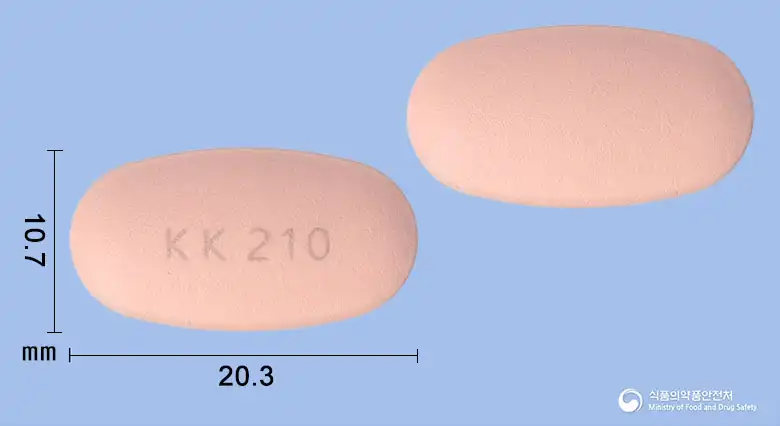 Combination
Metformin Hydrochloride 1000mg · Teneligliptin Ditosylate Dihydrate 37.84mg
Tablet · Prescription medication · Combination
Genewon Science Co., Ltd.
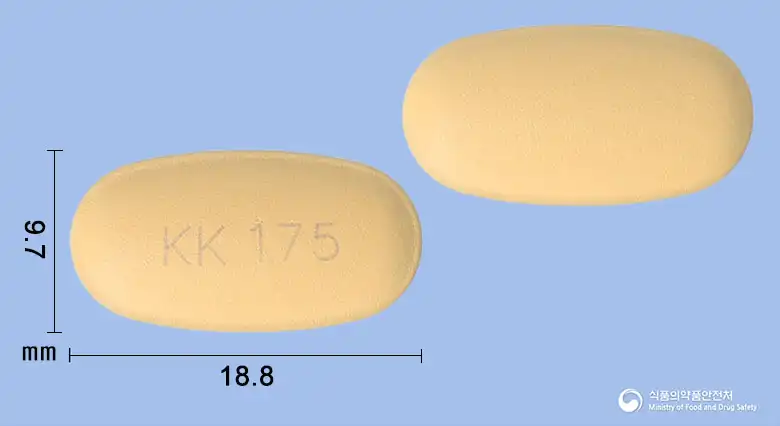 Combination
Metformin Hydrochloride 750mg · Teneligliptin Ditosylate Dihydrate 18.92mg
Tablet · Prescription medication · Combination
Genewon Science Co., Ltd.
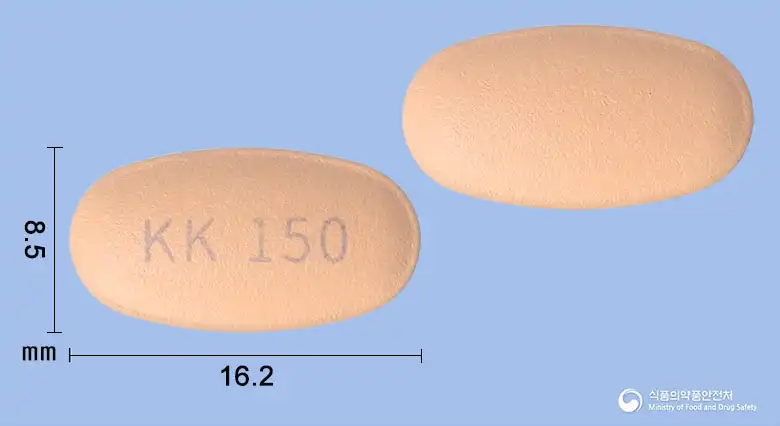 Combination
Metformin Hydrochloride 500mg · Teneligliptin Ditosylate Dihydrate 18.92mg
Tablet · Prescription medication · Combination
Genewon Science Co., Ltd.
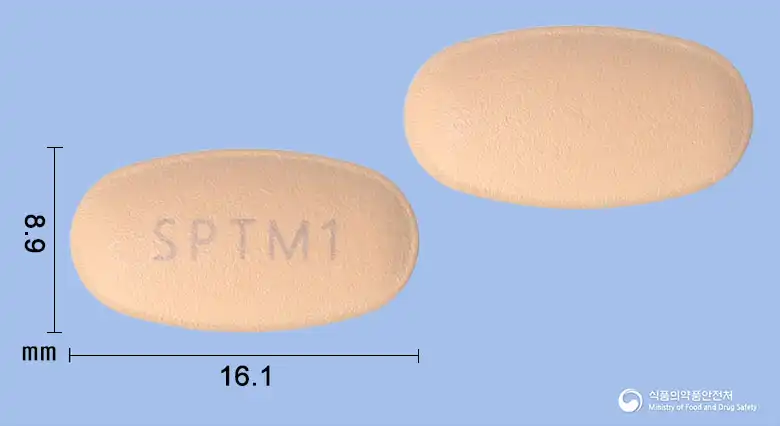 Combination
Metformin Hydrochloride 500mg · Teneligliptin Ditosylate Dihydrate 18.92mg
Tablet · Prescription medication · Combination
Shinpoong Pharmaceutical Co., Ltd.
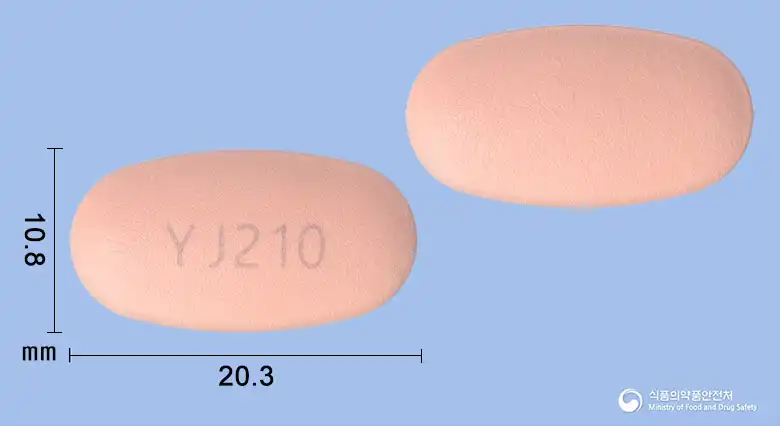 Combination
Metformin Hydrochloride 1000mg · Teneligliptin Ditosylate Dihydrate 37.84mg
Tablet · Prescription medication · Combination
Youngjin Pharmaceutical Co., Ltd.
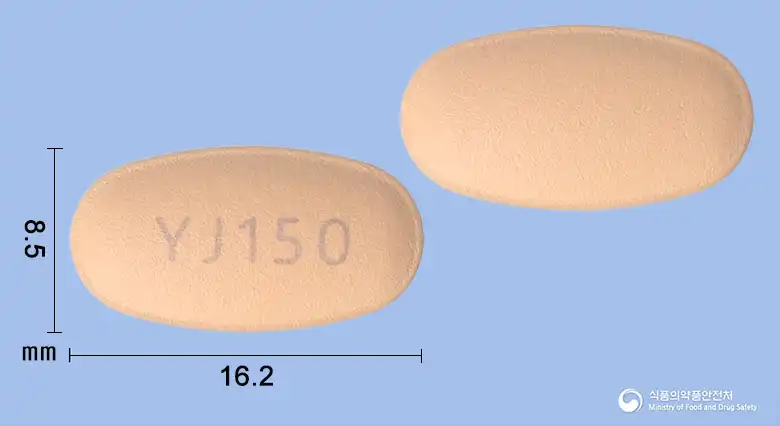 Combination
Metformin Hydrochloride 500mg · Teneligliptin Ditosylate Dihydrate 18.92mg
Tablet · Prescription medication · Combination
Youngjin Pharmaceutical Co., Ltd.
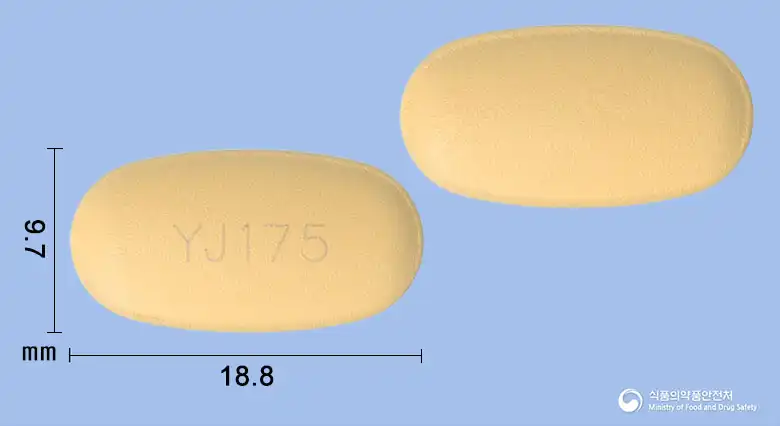 Combination
Metformin Hydrochloride 750mg · Teneligliptin Ditosylate Dihydrate 18.92mg
Tablet · Prescription medication · Combination
Youngjin Pharmaceutical Co., Ltd.
Even with the same ingredient, the dose and directions can differ by strength and dosage form. Talk to a doctor or pharmacist before switching from a medication you are already taking.
No questions yet.
For anything that needs medical judgment, consult a doctor or pharmacist.
This drug information is based on data provided by the Korea Ministry of Food and Drug Safety.
Consult a doctor or pharmacist for accurate dosage, administration, and usage instructions.