
 한국어
한국어 English
 日本語
日本語 中文(简体)
 Viewing nowCombination
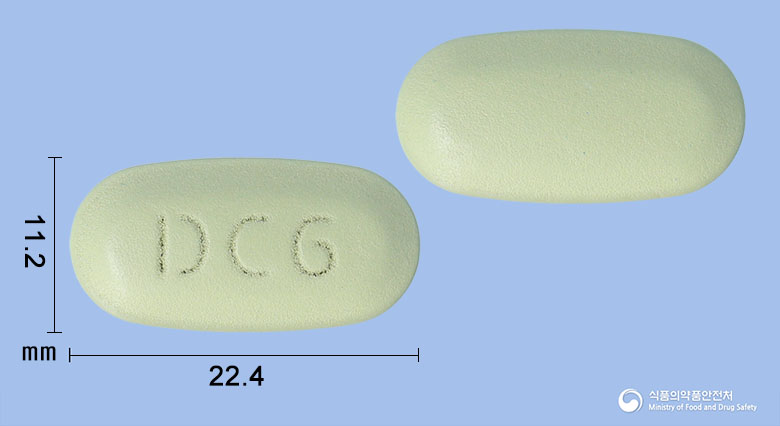
Glicetamet XR Extended-Release Tablets 50/1000 mg
Sitagliptin Hydrochloride Hydrate 56.7mg · Metformin Hydrochloride 1000mg
Tablet · Prescription medication · Combination
Donggu Bio Pharmaceutical Co., Ltd.
MFDS item code 202201953 · Approved 2022.05.11 · Insurance code 657308730
Improvement in blood sugar control for type 2 diabetes
This medication is used to assist patients with type 2 diabetes in managing their blood sugar levels through the combination of sitagliptin and metformin. When taken alongside dietary management and exercise, it helps maintain blood sugar levels effectively. Therefore, this medication is an effective treatment option for individuals experiencing difficulties with blood sugar control.
The 100/1000 mg extended-release tablet should be taken once daily, with one tablet per dose. For patients taking the 50/500 mg extended-release tablet or the 50/1000 mg extended-release tablet, the dosage is two tablets simultaneously once daily. 1. For patients currently not treated with metformin: - The initial dosage of this medication is 100 mg of sitagliptin and 1000 mg of metformin in total per day. - If the initial dosage does not provide sufficient blood sugar control, the dosage of metformin can be gradually increased up to the maximum recommended daily dose of 2000 mg to reduce gastrointestinal side effects. Patients with pre-existing renal impairment who are reducing their sitagliptin dosage should not switch to this medication. 2. For patients receiving metformin treatment: - The recommended initial dose of this medication for patients who cannot achieve sufficient blood sugar control with metformin monotherapy is a total of 100 mg of sitagliptin and the existing metformin dose. - Patients converting from the current dosing regimen of sitagliptin and metformin can start at the existing doses. - Patients who were previously taking the immediate-release metformin at a dose of 850 mg or 1000 mg twice daily can start with this 50/1000 mg extended-release tablet at a dose of two tablets once daily. 3. For patients unable to achieve sufficient blood sugar control with a combination of metformin and sulfonylurea, metformin and insulin, or metformin and thiazolidinedione: - The initial dose of this medication should total 100 mg of sitagliptin, while the starting dose of metformin should consider the patient's blood sugar levels and existing dosing. To reduce gastrointestinal side effects related to metformin, the dosage should be gradually increased. When administered with sulfonylureas or insulin, consideration may be given to reducing the doses of either agent to minimize the risk of hypoglycemia. Studies to assess the safety and efficacy of switching to this medication from previous oral antidiabetic agents have not been conducted. Changes in any part of the treatment for type 2 diabetes can affect blood sugar control, so careful monitoring is necessary. Patients with renal impairment This medication can be used if having stage 3a moderate renal impairment (creatinine clearance [CrCl] ≥ 45 and <60 mL/min or estimated glomerular filtration rate [eGFR] ≥ 45 and <60 mL/min/1.73m²) without accompanying conditions that increase the risk of lactic acidosis. The starting metformin dose is 500 mg or 850 mg taken once daily, therefore this medication should not be initiated. The maximum recommended dose of metformin is 1000 mg daily. Renal function must be monitored carefully every 3-6 months. If CrCl falls below 45 mL/min or eGFR falls below 45 mL/min/1.73m², this medication should be discontinued immediately. Patients with liver impairment This medication should not be administered to patients with liver dysfunction due to the metformin component.
This medication contains two ingredients, sitagliptin and metformin, and is used for the treatment of type 2 diabetes. First, sitagliptin can rarely cause severe allergic reactions, so if symptoms such as skin rashes, difficulty breathing, or swelling of the face or neck occur, use should be discontinued immediately. Additionally, there is a risk of acute pancreatitis, which involves inflammation of the pancreas, so if severe abdominal pain or vomiting occurs, immediate medical attention is required. Metformin can cause lactic acidosis, a rare but life-threatening metabolic disorder, and should not be used in patients with reduced kidney function or poor liver function. It should also be avoided in acute conditions that can affect kidney function, such as dehydration, severe infections, heart attack, or shock. This medication should not be used in patients with moderate to severe impairment of kidney function, those with acute heart failure, patients scheduled for tests using iodine contrast agents, individuals with type 1 diabetes, or pregnant or breastfeeding women. Caution should be taken when administering this medication to patients with irregular eating habits, insufficient food intake, or those engaging in vigorous exercise, as interactions with other medications may occur. During treatment, signs of hypoglycemia should be monitored, especially when used with insulin or sulfonylureas, as the risk of hypoglycemia may increase. Regular monitoring of kidney function and blood tests is necessary, and supplementation may be needed if vitamin B12 levels decrease. Excessive alcohol consumption can increase the risk of lactic acidosis, so it is advised to avoid drinking alcohol while taking this medication. In cases of surgery, medication should be discontinued 48 hours before the procedure, and should only be resumed once kidney function has been confirmed to be normal after surgery. Finally, this medication is not recommended for children (under 18 years old) and pregnant women due to unclear safety profiles. It is important to immediately report any unusual symptoms or discomfort to medical personnel while taking this medication.
Hives, severe swelling (edema), chest tightness, difficulty breathing, cold sweats, pallor, anaphylaxis, angioedema, Stevens-Johnson syndrome, exfoliative skin disease, severe rash accompanied by high fever, blisters, skin peeling, pain of oral/ocular mucosal surfaces, severe dermatological reactions, shortness of breath or difficulty breathing, asthma attacks, respiratory anomalies associated with cough and fever, jaundice (yellowing of skin or eyes), profound lethargy.
Diarrhea, upper respiratory infection, headache, nausea, vomiting, abdominal pain, nasopharyngitis, constipation, muscle pain, limb pain, back pain, pruritus, thrombocytopenia, rhabdomyolysis, hypoglycemia, normal vital signs and ECG findings, slight increase in white blood cell count, slight increase in serum creatinine, reduced vitamin B12 levels, severe joint pain with disability, bullous pemphigoid, elevated liver enzyme levels.
Not everyone experiences these, and they can vary from person to person.
This medication must be stored in a tightly sealed container to protect it from air and moisture, and it is important to maintain a storage temperature between 1 to 30 degrees Celsius. Storing it this way will help preserve the medication's efficacy and prevent degradation.
Light green, oval, double-convex extended-release film-coated tablet
28 tablets/bottle, 56 tablets/bottle, 200 tablets/bottle
Even with the same ingredient, strength, dosage form and how it is taken can differ.
Viewing nowCombinationSitagliptin Hydrochloride Hydrate 56.7mg · Metformin Hydrochloride 1000mg
Tablet · Prescription medication · Combination
Donggu Bio Pharmaceutical Co., Ltd.
 Combination
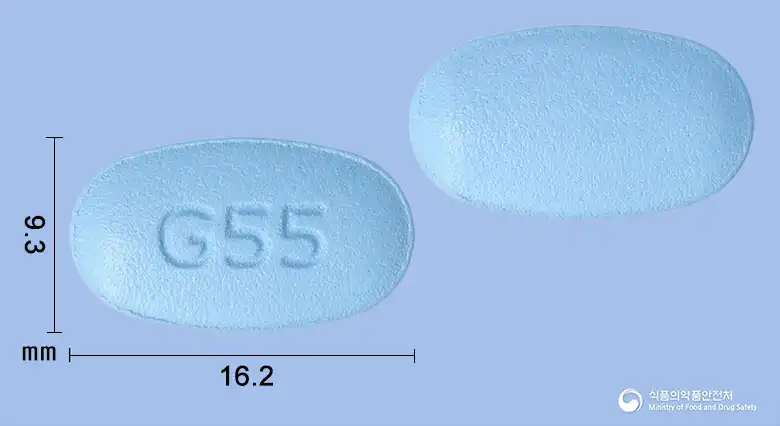
Sitagliptin Hydrochloride Hydrate 56.7mg · Metformin Hydrochloride 500mg
Tablet · Prescription medication · Combination
Shinil Pharmaceutical Co., Ltd.
 Combination
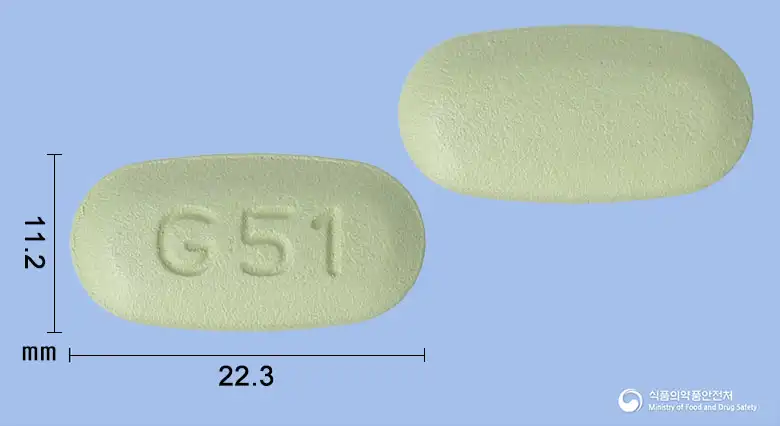
Sitagliptin Hydrochloride Hydrate 56.7mg · Metformin Hydrochloride 1000mg
Tablet · Prescription medication · Combination
Shinil Pharmaceutical Co., Ltd.
 Combination
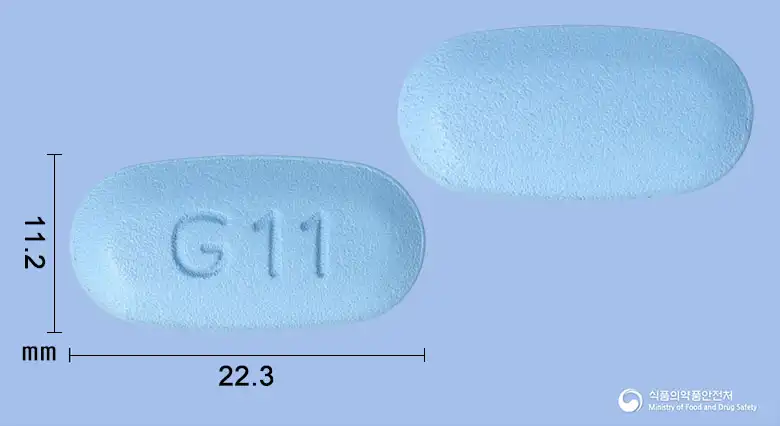
Sitagliptin Hydrochloride Hydrate 113.4mg · Metformin Hydrochloride 1000mg
Tablet · Prescription medication · Combination
Shinil Pharmaceutical Co., Ltd.
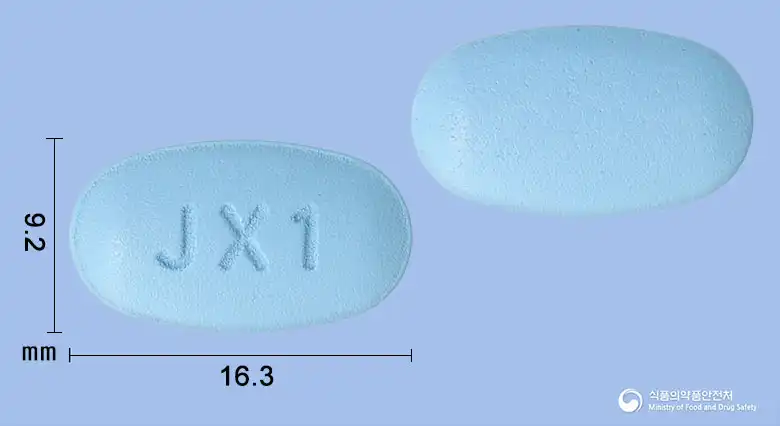 Combination
Sitagliptin Hydrochloride Hydrate 56.7mg · Metformin Hydrochloride 500mg
Tablet · Prescription medication · Combination
GL Pharma Co., Ltd.
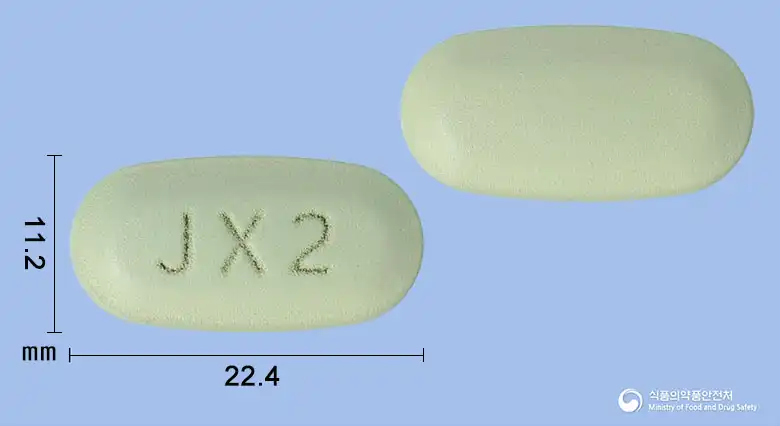 Combination
Sitagliptin Hydrochloride Hydrate 56.7mg · Metformin Hydrochloride 1000mg
Tablet · Prescription medication · Combination
GL Pharma Co., Ltd.
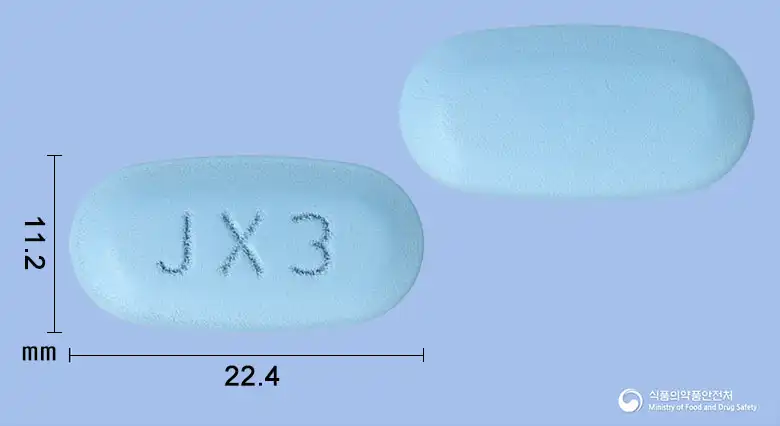 Combination
Sitagliptin Hydrochloride Hydrate 113.4mg · Metformin Hydrochloride 1000mg
Tablet · Prescription medication · Combination
GL Pharma Co., Ltd.
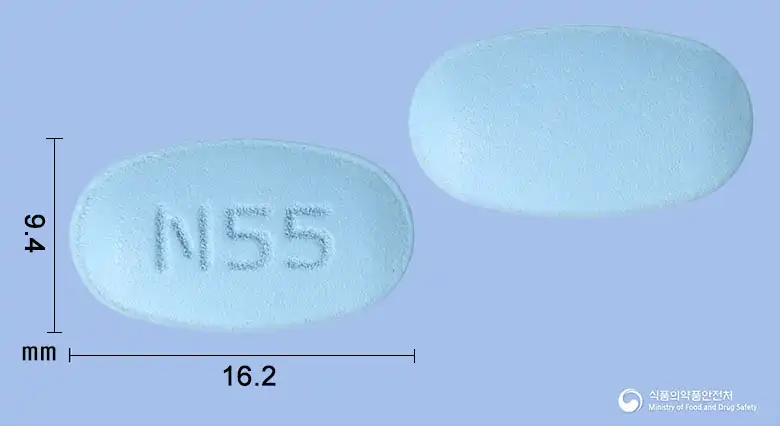 Combination
Sitagliptin Hydrochloride Hydrate 56.7mg · Metformin Hydrochloride 500mg
Tablet · Prescription medication · Combination
Korea Hutech Pharmaceutical Co., Ltd.
Even with the same ingredient, the dose and directions can differ by strength and dosage form. Talk to a doctor or pharmacist before switching from a medication you are already taking.
No questions yet.
For anything that needs medical judgment, consult a doctor or pharmacist.
This drug information is based on data provided by the Korea Ministry of Food and Drug Safety.
Consult a doctor or pharmacist for accurate dosage, administration, and usage instructions.