
 한국어
 English
 日本語
 中文(简体)
 Viewing nowCombination
Gibez Tablet
Drospirenone 3mg · Ethinyl Estradiol 0.02mg
Tablet · Prescription medication · Combination
Alvogen Korea Co., Ltd.
MFDS item code 202201788 · Approved 2022.05.03
Contraception; treatment of menstrual disorders (premenstrual dysphoric disorder and dysmenorrhea) and moderate acne
This medication demonstrates contraceptive effects in women and is also used for the treatment of symptoms of premenstrual dysphoric disorder and dysmenorrhea. Additionally, it is utilized for the treatment of moderate acne in females who have started menstruating after age 14, where contraception is not contraindicated. In summary, this medication is used for various symptoms related to women's contraception and acne improvement.
This medicine should be taken exactly as directed at intervals not exceeding 24 hours. Each cycle of this medicine consists of 24 pink active tablets and 4 white or off-white placebo tablets. During each menstrual cycle, take one pink tablet once daily for 24 days, followed by one white or off-white tablet daily for 4 days. This medicine may be started on the first day of the menstrual cycle (Day 1 start) or on the first Sunday after the start of the menstrual cycle (Sunday start). Withdrawal bleeding occurs within 3 days after the last pink tablet is taken. Your menstrual period may not have ended before you start a new pack. If you continue taking this medicine, finish the entire pack, including the placebo tablets, and start the next pack immediately without a break. If possible, take this medicine at the same time each day, such as after dinner or at bedtime. This medicine may be taken with or without food. 1. If you are taking this medicine for the first time 1) If you did not use hormonal contraception last month (1) Day 1 start: Beginning on the first day of your menstrual period, take one pink tablet daily for 24 days, then take one white or off-white tablet daily from Day 25 through Day 28. If you start taking this medicine after Day 1 of your menstrual cycle, it will not be effective as contraception until you have taken it continuously for 7 days; therefore, use an additional nonhormonal method of contraception during the first 7 days. The possibility of ovulation and pregnancy should be considered before starting this medicine. (2) Sunday start: Take pink tablets for 24 days, starting on the first Sunday after your menstrual period begins, and then take white or off-white tablets for 4 days. Contraceptive protection becomes effective after 7 consecutive days of use; therefore, use an additional nonhormonal method of contraception during the first 7 days. The possibility of ovulation and pregnancy should be considered before starting this medicine. 2) If switching from another oral contraceptive It is preferable to start taking this medicine the day after taking the last active tablet of your previous contraceptive. At the latest, start taking this medicine the day after the end of the tablet-free interval or the day after taking all the placebo tablets. 2. If you miss a dose Take the missed dose as follows, depending on the week of use. 1) If you miss 1 pink tablet Take 1 tablet as soon as you remember. This may mean taking 2 tablets in one day. No other method of contraception is needed. 2) If you miss 2 pink tablets during the first or second week Take 2 tablets as soon as you remember and take 2 tablets the following day. After that, take the next tablet at the usual time as scheduled. If you have sex within 7 days of restarting the medicine, pregnancy is possible. Use a method of contraception such as a condom or spermicide during the first 7 days after restarting. 3) If you miss 2 pink tablets during the third or fourth week ① If you started on Day 1: Discard the pack you are currently using and start a new pack that same day. ② If you started on Sunday: Take 1 tablet daily until Sunday. On Sunday, discard the pack you are currently using and start a new pack that same day. If you have sex within 7 days of restarting the medicine, pregnancy is possible. Use a method of contraception such as a condom or spermicide during the first 7 days after restarting. You may not have a menstrual period this month. However, if you miss your period for 2 consecutive months, pregnancy is possible, so consult your doctor. 4) If you miss 3 or more pink tablets ① If you started on Day 1: Discard the pack you are currently using and start a new pack that same day. ② If you started on Sunday: Take 1 tablet daily until Sunday. On Sunday, discard the pack you are currently using and start a new pack that same day. If you have sex within 7 days of restarting the medicine, pregnancy is possible. Use a method of contraception such as a condom or spermicide during the first 7 days after restarting. You may not have a menstrual period this month. However, if you miss your period for 2 consecutive months, pregnancy is possible, so consult your doctor. 5) If you miss 1 or more of the 4 white or off-white tablets during the fourth week Skip the missed tablet and continue taking the tablets. No additional method of contraception is needed. 3. If you have vomiting or gastrointestinal upset If you have severe gastrointestinal upset, absorption of this medicine may be incomplete, so you should use an additional method of contraception. If you vomit or have diarrhea within 3-4 hours after taking a pink tablet, consider it a missed dose and follow the instructions in “2. If you miss a dose.” 4. Use after delivery In non-breastfeeding women, start taking this medicine 4~6 weeks after delivery. When taking this medicine after delivery, consider that the risk of thromboembolic disease associated with delivery is increased. - Acne In women with acne, the initiation and timing of this medicine should follow the dosage and administration instructions for oral contraceptives. For treatment of facial acne, take one pink tablet once daily for 24 days, followed by one white or off-white tablet once daily for 4 days. After 28 days, start a new pack the following day.
This medication requires special caution in women who smoke. Smoking significantly increases the risk of serious cardiovascular adverse effects, such as thrombosis, when taking this medication. In particular, women over 35 years of age who smoke more than 15 cigarettes a day should not take this medication. The drospirenone component in this medication can raise serum potassium levels, so it is contraindicated in patients with renal or liver impairment or those with hyperkalemia risk. Moreover, women who are taking other medications that can elevate serum potassium levels must have their serum potassium levels tested before starting this medication. This medication should only be used for the treatment of moderate acne and for birth control purposes in females over 14 who have begun menstruating, and only when there are no contraindications for taking oral contraceptives. It should not be taken before menarche. To reduce cardiovascular risks, it is essential to discontinue use immediately if any symptoms related to thrombosis occur, and to stop taking this medication 4 weeks before and 2 weeks after any surgery. It is advisable to avoid starting this medication within 4 weeks after delivery. Oral contraceptives containing drospirenone carry a slightly higher risk of venous thromboembolism compared to other contraceptives, thus individual risk must be assessed before taking it. Those with a history of estrogen-dependent tumors or thromboembolic diseases, severe hypertension, liver or kidney dysfunction, adrenal dysfunction, liver tumors, severe metabolic disorders, pregnant women or those who may become pregnant, and lactose intolerant patients should not take this medication. For women over 40, patients with epilepsy, a family history of breast cancer, a history of depression, patients with severe heart and mind failure, gallbladder disorders, endometriosis, asthma, headaches, or certain specific conditions or symptoms, careful consideration should be taken before administering this medication. Various adverse reactions such as thrombosis, high blood pressure, liver tumors, gallbladder disease, gastrointestinal symptoms, breast changes, mental changes, skin rashes, etc. may occur when taking this medication, and immediate consultation with a physician is advised if any abnormal symptoms arise. When taken as an oral contraceptive, regular monitoring of blood pressure, breast exams, pelvic exams, etc. is essential, and it is important to evaluate risk factors based on family and personal history. It is safer to avoid taking this medication in cases of thromboembolism and cardiovascular disease risk. Moreover, there may be interactions with other medications, so it is essential to inform healthcare providers of any ongoing medications. In case of sudden bleeding, severe headaches, or vision changes, the medication should be stopped immediately and medical attention should be sought.
Thrombotic venous inflammation, arterial or venous thromboembolism, pulmonary embolism, myocardial infarction, cerebral hemorrhage, cerebral thrombosis, hypertension, gallbladder disease, liver adenoma, benign liver tumors, mesenteric thrombosis, retinal thrombosis, nausea, vomiting, gastrointestinal symptoms, persistent bleeding, petechiae, changes in menstrual cycle, amenorrhea, temporary infertility after treatment discontinuation, edema, ongoing melasma, mastalgia, breast enlargement, galactorrhea, breast tenderness, breast discharge, weight changes, changes in the uterus, decreased milk production immediately after childbirth, jaundice, migraine, rash, mental depression, decreased glucose tolerance, vaginal candidiasis, changes in corneal curvature, discomfort with contact lenses, mood changes, decreased serum folate levels, exacerbation of systemic lupus erythematosus, exacerbation of porphyria, exacerbation of chorea, exacerbation of varices, anaphylaxis, urticaria, angioedema, respiratory and circulatory symptoms, emotional instability, depression/dysphoria, decreased and lost libido, migraine, erythema multiforme, irregular uterine bleeding, unspecified genital bleeding, acne, Budd-Chiari syndrome, cataracts, changes in libido, enteritis, cystitis, drowsiness, dysmenorrhea, diverse erythema, headache, hemorrhagic urinary symptoms, hemorrhagic rash, hirsutism, renal failure, hair loss, neurological irritability, optic neuritis, pancreatitis, premenstrual syndrome, upper respiratory tract infection, vaginomycosis, white discharge, diarrhea, vaginitis, abdominal pain, cold syndrome, allergic reactions, urethritis, accidental injury, sinusitis, low back pain, emotional instability, suspicion of Pap smear, dyspepsia, rhinitis, intermenstrual bleeding, weight gain, pain, depression, increased cough, dizziness, menstrual irregularities, limb pain, pelvic pain, weakness, menorrhagia, hyperlipidemia, decreased appetite, abdominal distention, uterine bleeding, genital bleeding, lower abdominal pain, seasonal allergies, increased serum triglycerides, allergic rhinitis, post-administration bleeding, abnormal levels of coagulation-related factors, breast discomfort, fatigue, constipation, eczema, pain during administration, bronchitis, amenorrhea, abnormal urination, nasopharyngitis, nausea, uterine bleeding, genital bleeding, lower abdominal pain, seasonal allergies, increased serum triglycerides, diarrhea, allergic rhinitis, post-administration bleeding, vomiting, abnormal levels of coagulation-related factors, breast discomfort, menorrhagia, fatigue, constipation, eczema, acne, pain during administration, cystitis, dizziness, epigastric pain
Not everyone experiences these, and they can vary from person to person.
This medication must be stored in a tightly sealed container to prevent air or moisture from entering. Additionally, when storing this medication, it is best to keep it at room temperature, maintaining a temperature between 1 degree and 30 degrees Celsius.
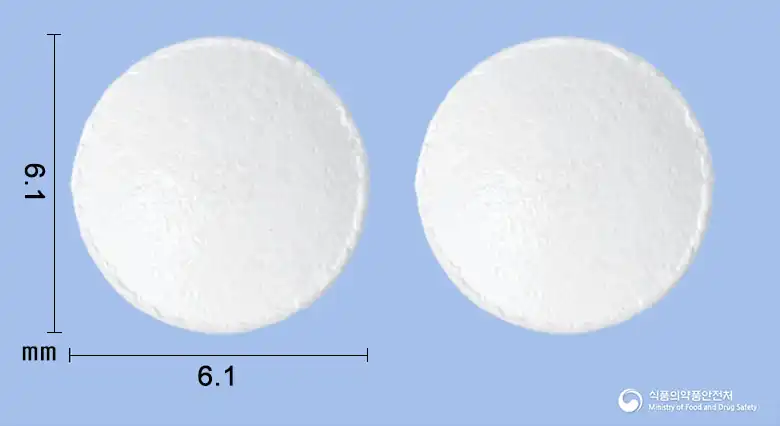
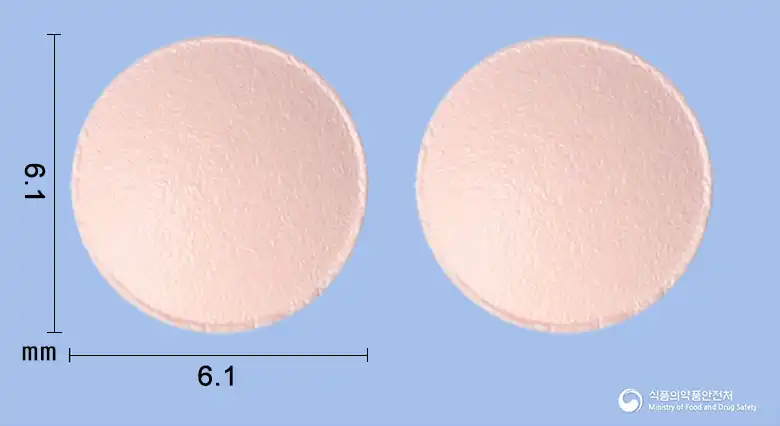
Placebo tablet - white or off-white, convex, round, film-coated tablet Active tablet - pink, convex, round, film-coated tablet
28 tablets/box [(28 tablets/PTP)]
Even with the same ingredient, strength, dosage form and how it is taken can differ.
Viewing nowCombinationDrospirenone 3mg · Ethinyl Estradiol 0.02mg
Tablet · Prescription medication · Combination
Alvogen Korea Co., Ltd.
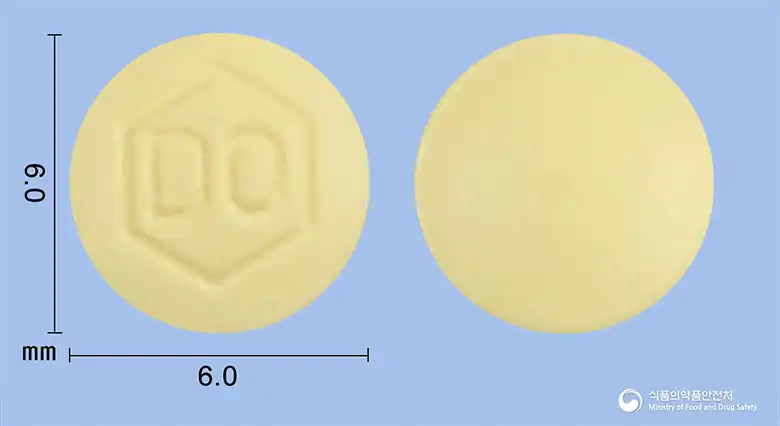 Combination
Drospirenone 3mg · Ethinyl Estradiol 0.03mg
Tablet · Prescription medication · Combination
Bayer Korea Co., Ltd.
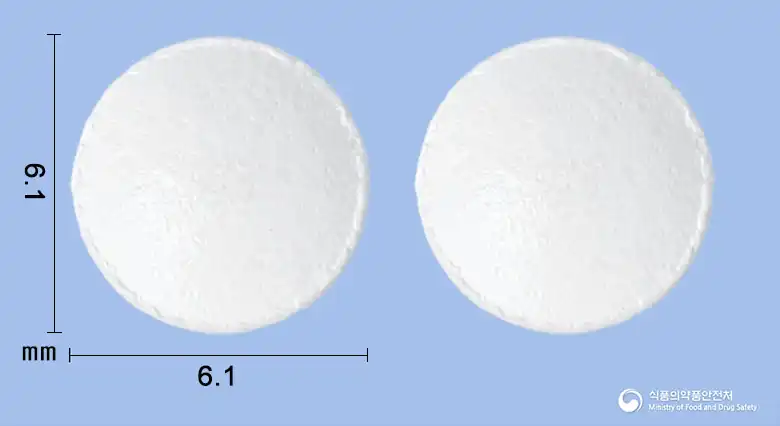 Combination
Drospirenone 3mg · Ethinyl Estradiol 0.02mg
Tablet · Prescription medication · Combination
GL Pharma Co., Ltd.
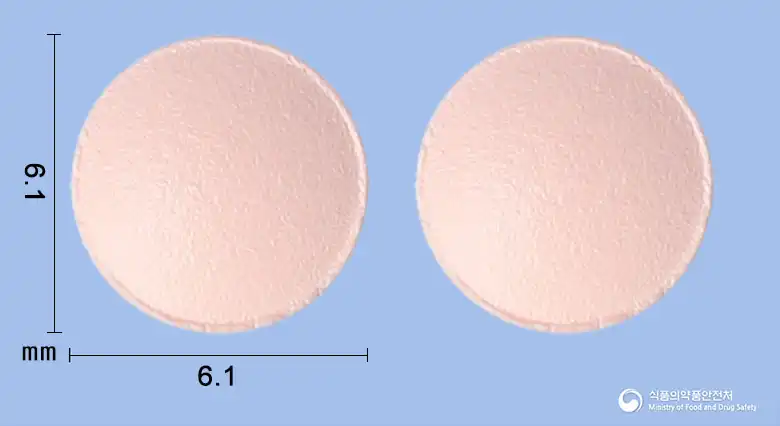 Combination
Drospirenone 3mg · Ethinyl Estradiol 0.02mg
Tablet · Prescription medication · Combination
The U Pharmaceutical Co., Ltd.
 Combination
Drospirenone 3mg · Ethinyl Estradiol 0.02mg
Tablet · Prescription medication · Combination
Kwangdong Pharmaceutical Co., Ltd.
Even with the same ingredient, the dose and directions can differ by strength and dosage form. Talk to a doctor or pharmacist before switching from a medication you are already taking.
No questions yet.
For anything that needs medical judgment, consult a doctor or pharmacist.
This drug information is based on data provided by the Korea Ministry of Food and Drug Safety.
Consult a doctor or pharmacist for accurate dosage, administration, and usage instructions.