
 한국어
 English
 日本語
 中文(简体)
 Viewing nowCombination
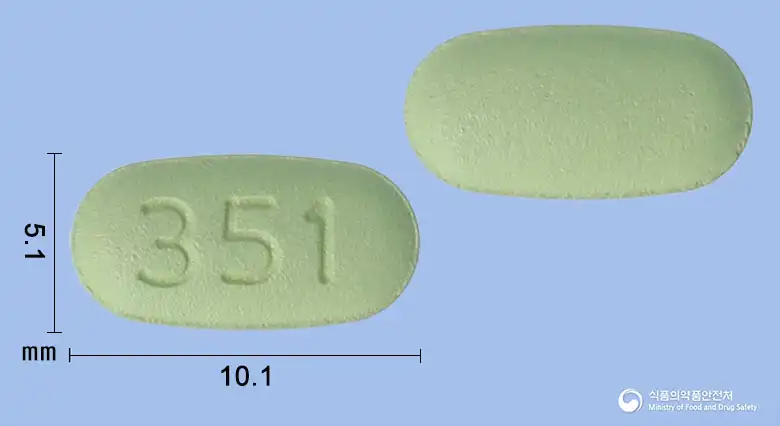
Ducarb Plus Tablet 30/5/12.5 mg
Fimasartan Potassium Trihydrate Granules 75mg · Amlodipine Besylate 6.94mg +1 more
Tablet · Prescription medication · Combination
Boryung Pharmaceutical Co., Ltd.
MFDS item code 202201265 · Approved 2022.03.31 · Insurance code 641907930
Treatment of essential hypertension not controlled with combination therapy
This medication is used to effectively control the blood pressure of patients with essential hypertension whose blood pressure is not well controlled by basic hypertension treatment, using a combination therapy of valsartan potassium and amlodipine.
Take 1 tablet of this medicine once daily with water, with or without food. If possible, it is recommended to take it at the same time each day (e.g., in the morning). Before administering this medicine, it is recommended that the dose be adjusted using the individual components (fimasartan potassium and amlodipine as monotherapy or combination therapy). For patients whose blood pressure is not controlled with fimasartan potassium/amlodipine combination therapy, administer this medicine 30/5/12.5 milligrams and adjust the dose at intervals of at least 2 weeks, taking the patient's blood pressure response into consideration. The maximum dose of this medicine is 60/10/25 milligrams. For patients taking fimasartan potassium/amlodipine combination therapy together with hydrochlorothiazide monotherapy, they may switch to this medicine (a fixed-dose combination containing the same amounts of each active ingredient) for convenience.
This medication can cause serious harm to the fetus or newborn if taken during pregnancy, especially in the second and third trimesters, so it should be discontinued immediately upon confirmation of pregnancy. Patients with allergies to this medication or its components, liver dysfunction, bile duct obstruction, severe aortic stenosis, or severe renal failure should not take this medication. Patients with low blood volume, impaired kidney function, the elderly, or those with cardiovascular diseases should take this medication with caution and their condition should be carefully monitored during treatment. Taking this medication may result in side effects such as dizziness, headache, indigestion, and low blood pressure, so if symptoms are severe, consult a doctor. Particularly, this medication can cause electrolyte imbalance, so it is important to regularly check electrolyte levels through blood tests. Interactions may occur if this medication is taken with other antihypertensives, diuretics, or potassium-sparing agents, so patients should inform their doctor or pharmacist about any other medications they are taking. Pregnant or breastfeeding women should not take this medication, and those planning to become pregnant or currently breastfeeding should avoid this medication. In case of overdose, severe hypotension and cardiac abnormalities may occur, requiring immediate medical attention for appropriate treatment. This medication should be stored out of reach of children and kept in its original container.
Dizziness, headache, bone necrosis, hypotension, palpitations, indigestion, sensory loss, confusion, rectal bleeding, cavities, duodenitis, gastritis, hemorrhoids, stomatitis, increased serum creatine phosphokinase, increased alanine aminotransferase, elevated blood glucose, chest pain, edema, peripheral edema, nasopharyngitis, cystitis, hyperuricemia, hypokalemia, hyponatremia, muscle cramps, proteinuria, orthostatic hypotension, syncope, sedation, migraine, vomiting, nausea, epigastric pain, malaise, foreign body sensation, elevated liver enzyme levels, decreased platelet count, cough, muscle contraction, musculoskeletal rigidity, itching, localized urticaria, facial flushing, erectile dysfunction, position-related dizziness, facial swelling, urinary dysfunction, insomnia, flushing, weight gain, weight loss, vasculitis, tension headaches, sensory abnormalities, peripheral neuropathy, taste disturbances, tremors, extrapyramidal disorder, gynecomastia, changes in bowel habits, dry mouth, gingival hypertrophy, pancreatitis, arthralgia, low back pain, myalgia, leukopenia, thrombocytopenia, mood changes, dyspnea, rhinitis, alopecia, hyperhidrosis, purpura, skin discoloration, urticaria, toxic epidermal necrolysis, tinnitus, visual disturbances, increased urinary frequency, nocturia, hepatitis, jaundice, elevated liver enzyme levels, hypomagnesemia, hypochloremic metabolic alkalosis, hypercalcemia, anorexia, dry mouth, abdominal discomfort, constipation, abdominal colic, diarrhea, sialadenitis, interstitial pneumonia, pulmonary edema, acute respiratory distress syndrome, arrhythmia, transient blurred vision, yellowing of the skin, acute cholecystitis, necrotizing vasculitis, dyspnea, rash, facial flushing, photosensitivity, anaphylaxis, elevated BUN, increased creatinine, acute renal failure, interstitial nephritis, fatigue, nasal congestion, erectile dysfunction, worsening of systemic lupus erythematosus, muscle spasms, sensory abnormalities, elevated blood pressure, decreased blood pressure, hypotension, sinoatrial block, atrioventricular block, abdominal discomfort, epigastric pain, diarrhea, loose stools, skin erythema, papular urticarial rash, heaviness, warmth, impaired glucose tolerance, weakness, acute myopia, acute angle-closure glaucoma, choroidal effusion, postoperative pain, pharyngitis, sputum, bronchitis, visual disturbances, retinal diseases, floaters, polyuria, exacerbation of chronic renal failure, herpes zoster, insomnia, depression, tachycardia, sensory abnormalities, tremors, spinal stenosis, gastroesophageal reflux, constipation, gastroenteritis, rash, arthralgia, arthrosis, osteoporosis, muscle weakness
Not everyone experiences these, and they can vary from person to person.
This medication may be sensitive to air or moisture, so it should be stored in a sealed container. It is important to maintain the storage temperature between 1 and 30 degrees Celsius to preserve the medication's effectiveness.
Light green rectangular film-coated tablet
30 tablets/box [(10 tablets/PTP x 3)], 30 tablets/bottle, 300 tablets/bottle
Even with the same ingredient, strength, dosage form and how it is taken can differ.
Viewing nowCombinationFimasartan Potassium Trihydrate Granules 75mg · Amlodipine Besylate 6.94mg +1 more
Tablet · Prescription medication · Combination
Boryung Pharmaceutical Co., Ltd.
 Combination
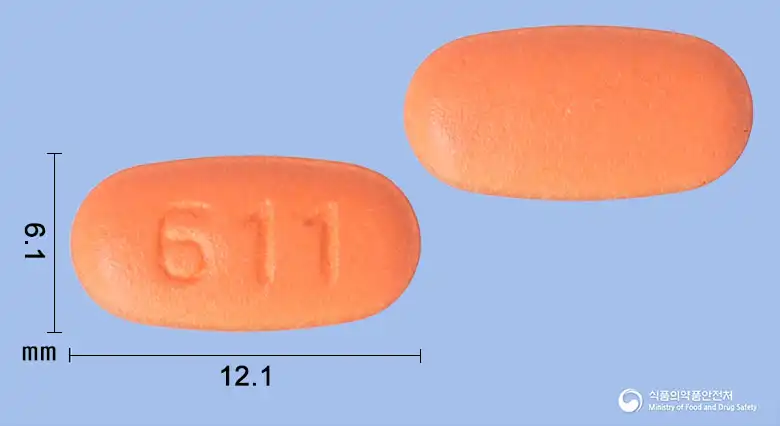
Fimasartan Potassium Trihydrate Granules 150mg · Amlodipine Besylate 13.88mg +1 more
Tablet · Prescription medication · Combination
Boryung Co., Ltd.
 Combination
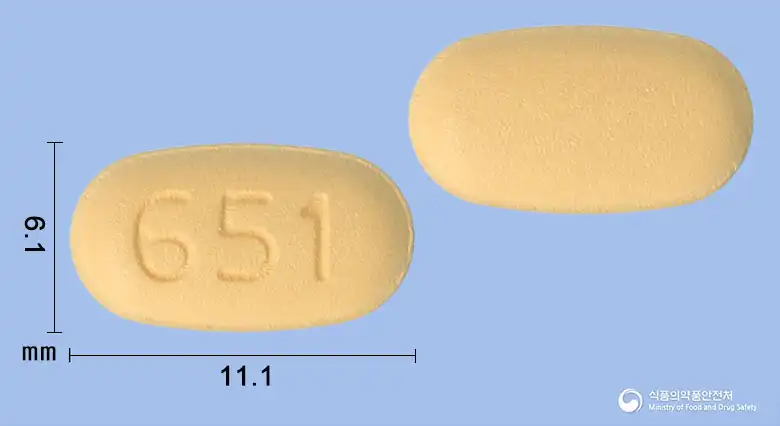
Fimasartan Potassium Trihydrate Granules 150mg · Amlodipine Besylate 6.94mg +1 more
Tablet · Prescription medication · Combination
Boryung Co., Ltd.
 Combination
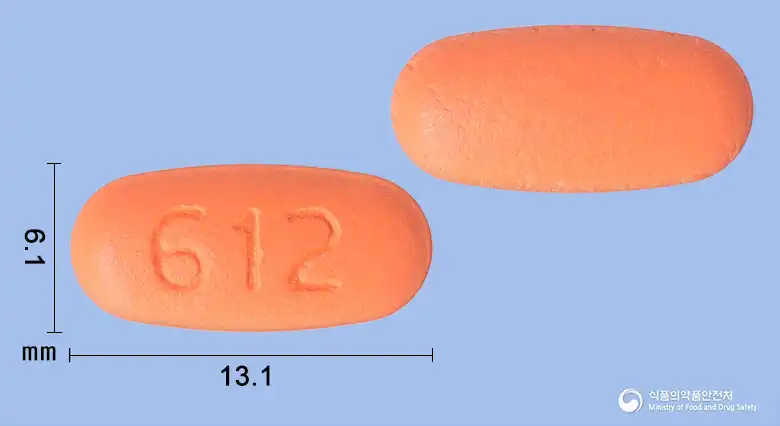
Fimasartan Potassium Trihydrate Granules 150mg · Amlodipine Besylate 13.88mg +1 more
Tablet · Prescription medication · Combination
Boryung Co., Ltd.
 Combination
Fimasartan Potassium Trihydrate Granules 150mg · Amlodipine Besylate 6.94mg +1 more
Tablet · Prescription medication · Combination
Boryung Pharmaceutical Co., Ltd.
Even with the same ingredient, the dose and directions can differ by strength and dosage form. Talk to a doctor or pharmacist before switching from a medication you are already taking.
No questions yet.
For anything that needs medical judgment, consult a doctor or pharmacist.
This drug information is based on data provided by the Korea Ministry of Food and Drug Safety.
Consult a doctor or pharmacist for accurate dosage, administration, and usage instructions.