
 한국어
 English
 日本語
 中文(简体)
 Viewing nowCombination
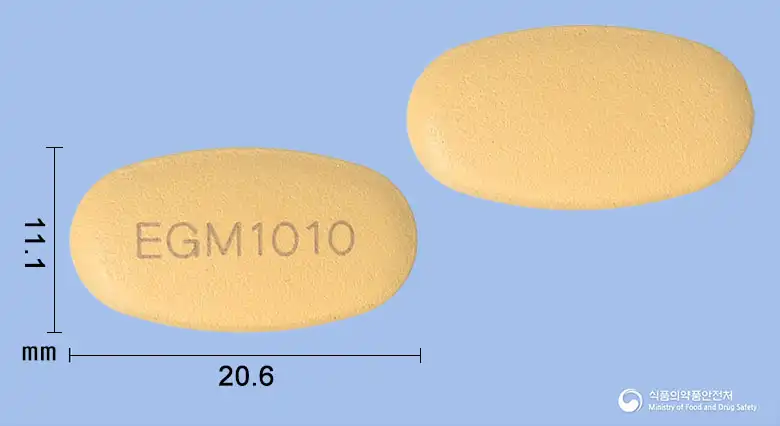
Exiglumem Sustained-release Tablet 10/1000 mg
Metformin Hydrochloride 1000mg · Dapagliflozin 10mg
Tablet · Prescription medication · Combination
Jongkundang Co., Ltd.
MFDS item code 202107475 · Approved 2021.11.15 · Insurance code 643309170
Improvement of glycemic control in adults with type 2 diabetes
This medication is used to improve blood sugar control in adult patients with type 2 diabetes when used in conjunction with diet and exercise. In particular, for patients whose blood sugar is not sufficiently controlled and who have cardiovascular diseases or cardiovascular risk factors, it is necessary to refer to professional precautions regarding its cardiovascular effects. Therefore, this medication is used to assist in the control of blood sugar and management of cardiovascular risks in patients with type 2 diabetes.
The dose of this medicine should be individualized based on the patient's current treatment, efficacy, and tolerability, without exceeding the maximum recommended doses of dapagliflozin 10mg and extended-release metformin 2000mg. This medicine is generally administered once daily with the evening meal. The maximum dose of this medicine is dapagliflozin 10mg/extended-release metformin 2000mg once daily, administered as 2 tablets of 5mg/1000mg. For patients who have not previously received antidiabetic drug therapy and whose blood glucose is not adequately controlled with monotherapy: When used as initial therapy in patients who have not previously received antidiabetic drug therapy, the recommended starting dose of this medicine is 1 tablet of 5mg/500mg or 10mg/500mg once daily. Titrate the dose gradually to reduce gastrointestinal adverse reactions associated with metformin. For patients receiving metformin, the recommended dose of dapagliflozin is 10mg once daily, and the dose of this medicine should provide the patient's current metformin dose or an appropriate dose therapeutically close to it. When switching from immediate-release to extended-release metformin, glycemic control should be closely monitored and the dose adjusted appropriately. For patients switching to this medicine from combination therapy with dapagliflozin and metformin, this medicine may be started at the doses of dapagliflozin and metformin previously administered. When switching from immediate-release to extended-release metformin, glycemic control should be closely monitored and the dose adjusted appropriately. When this medicine is used with insulin or an insulin secretagogue such as a sulfonylurea, a lower dose of insulin or the insulin secretagogue may be considered to reduce the risk of hypoglycemia. Renal impairment No dose adjustment is necessary in patients with mild renal impairment. For patients with an estimated glomerular filtration rate (eGFR) of 45 mL/min/1.73 m2 or more and less than 60 mL/min/1.73 m2 who have no other condition that may increase the risk of lactic acidosis, the starting dose of metformin hydrochloride, a component of this medicine, is 500mg once daily, and the maximum daily dose is 1000mg. Administration of this medicine is not recommended in patients with eGFR below 45 mL/min/1.73m2. If the estimated glomerular filtration rate (eGFR) falls below 45 mL/min/1.73m2, discontinue this medicine immediately. Renal function should be assessed every 3~6 months. Older adults Metformin is excreted by the kidneys, and renal function is more likely to decline in older adults; therefore, this medicine should be used with caution as age increases.
This medication is used for the treatment of diabetes and should not be used in patients with poor kidney function or certain severe conditions. This medication may very rarely cause a serious side effect known as lactic acidosis, which can be life-threatening; therefore, kidney function and overall health status should be monitored regularly. Caution is also needed as combining this medication with other diabetes treatments may increase the risk of hypoglycemia. Special care should be exercised when administering to patients with low blood pressure or fluid deficiency, elderly patients, and those with decreased kidney function, and both kidney function and blood pressure status should be closely monitored before and after administration. This medication may increase the risk of genital and urinary tract infections, and if any related symptoms occur, immediate consultation with healthcare personnel is required. Women who are pregnant or breastfeeding should not use this medication, and if planning to become pregnant, should consult with their healthcare provider. Excessive alcohol consumption should be avoided while taking this medication, as alcohol intake can increase the risk of lactic acidosis. Because there is a risk of vitamin B12 deficiency, it is advisable to monitor serum vitamin B12 levels during long-term use. This medication may need to be temporarily discontinued prior to surgery or diagnostic testing with radiopaque agents, and should be resumed only after confirming that kidney function is normal. In case of overdose, seek medical attention immediately for appropriate treatment; this medication can be removed through dialysis. The safety and efficacy of this medication in children and elderly patients have not been adequately established, hence caution is warranted. This medication does not significantly affect the ability to drive or operate machinery, but caution should be taken as symptoms such as dizziness may occur. Finally, this medicine should be stored in its original container and kept out of reach of children.
Not everyone experiences these, and they can vary from person to person.
This medication should be stored in a tightly closed container to prevent air and moisture from entering, and it is recommended to store it at room temperature between 1°C and 30°C. By storing it this way, the effectiveness of the medication is preserved for a longer duration and deterioration can be prevented.
A yellow to dark yellow, bilayered, oval sustained-release film-coated tablet that is convex on both sides.
10 tablets/box [10 tablets/PTP x 1], 30 tablets/bottle, 30 tablets/box [10 tablets/PTP x 3]
Even with the same ingredient, strength, dosage form and how it is taken can differ.
Viewing nowCombinationMetformin Hydrochloride 1000mg · Dapagliflozin 10mg
Tablet · Prescription medication · Combination
Jongkundang Co., Ltd.
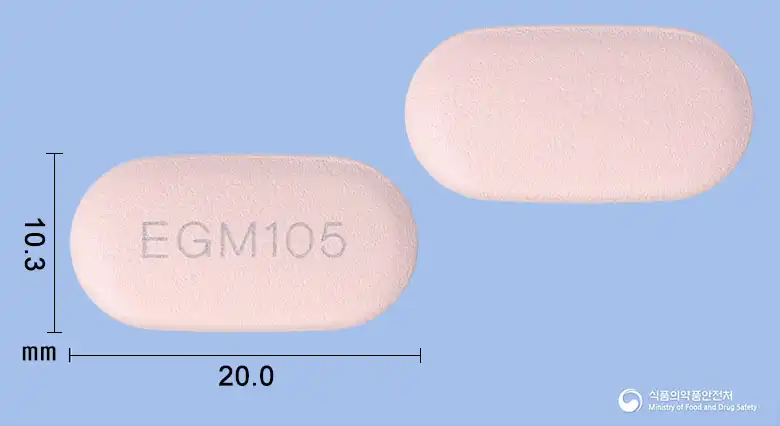 Combination
Metformin Hydrochloride 500mg · Dapagliflozin 10mg
Tablet · Prescription medication · Combination
Jongkeundang Co., Ltd.
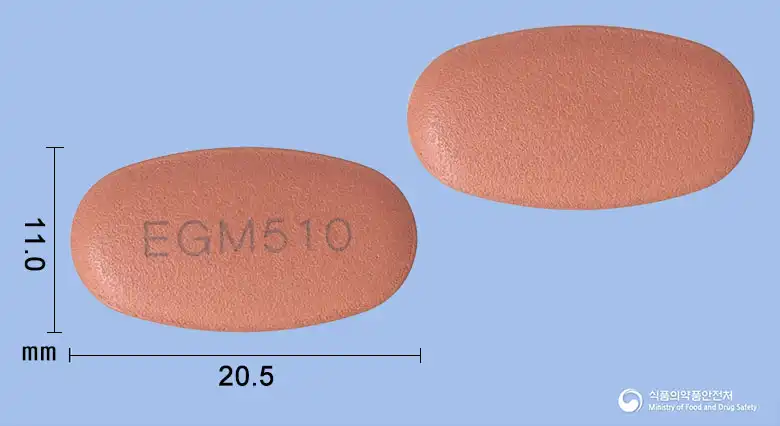 Combination
Metformin Hydrochloride 1000mg · Dapagliflozin 5mg
Tablet · Prescription medication · Combination
JongkunDang Co., Ltd.
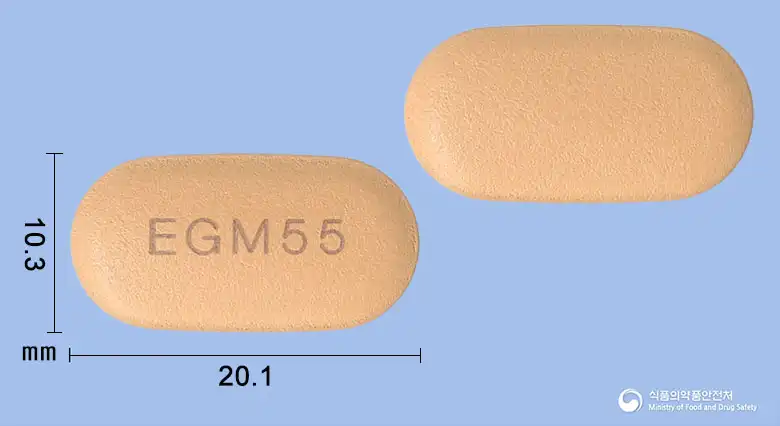 Combination
Metformin Hydrochloride 500mg · Dapagliflozin 5mg
Tablet · Prescription medication · Combination
Jongkundang Co., Ltd.
Even with the same ingredient, the dose and directions can differ by strength and dosage form. Talk to a doctor or pharmacist before switching from a medication you are already taking.
No questions yet.
For anything that needs medical judgment, consult a doctor or pharmacist.
This drug information is based on data provided by the Korea Ministry of Food and Drug Safety.
Consult a doctor or pharmacist for accurate dosage, administration, and usage instructions.