
 한국어
한국어 English
 日本語
日本語 中文(简体)
 Viewing now
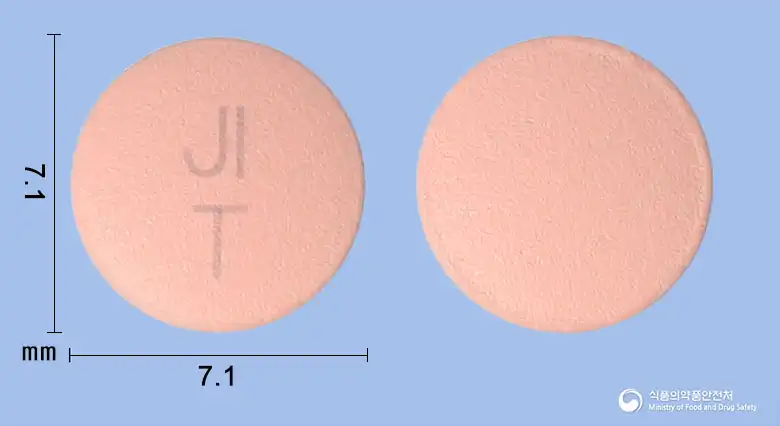
Tenepil Tablet 20 Milligrams
Teneligliptin Ditosylate Dihydrate 37.84mg
Tablet · Prescription medication
Jeil Pharmaceutical Co., Ltd.
MFDS item code 202107318 · Approved 2021.11.03 · Insurance code 645406010
Improvement of blood sugar control in type 2 diabetes
This medication is prescribed to help control blood sugar levels in patients with type 2 diabetes. It is used as an adjunct to dietary and exercise therapy, and may be taken alone or in combination with other medications. This helps to effectively manage blood sugar levels and contributes to the prevention of complications associated with diabetes. It is used to improve blood sugar control in patients.
For monotherapy or combination therapy, take 20 mg once daily. It can be taken regardless of meals. When administered in combination with sulfonylureas, consider reducing the dose of sulfonylureas. Dose adjustment is not necessary in patients with renal impairment or mild to moderate liver dysfunction.
This medication should not be administered to patients with allergies to the active ingredient or any other components. It is also not suitable for patients with severe diabetes requiring insulin treatment, severe infections, pre- and post-operative states, or those who have experienced significant trauma. It should be used with caution in patients with severely impaired liver function or heart failure, and is particularly not recommended for patients with severe heart failure. It should be carefully administered to patients at high risk of hypoglycemia, such as those with poor nutrition, irregular meals, excessive exercise, or excessive alcohol consumption. Caution is also needed for patients with a history of abdominal surgery or bowel obstruction, as well as those with cardiac arrhythmias or prolonged QT interval. If severe abdominal pain or vomiting, symptoms of acute pancreatitis, occur, immediate medical attention should be sought, and this medication should be discontinued. Patients should be well aware of the symptoms of hypoglycemia and how to respond to them, especially when combined with insulin or sulfonylureas, as this may increase the risk of hypoglycemia and require dosage adjustment. When driving or working at heights, caution should be exercised due to the risk of hypoglycemia. If severe joint pain or skin blistering occurs, immediate consultation with a physician is necessary, and discontinuation of the medication may be required. The use of this medication is not recommended for pregnant or breastfeeding women, particularly during pregnancy as it may affect the fetus. Safety in pediatric patients has not been established, thus its use is not advised. Elderly patients may have reduced bodily function, and therefore require careful monitoring during administration. In cases of overdose, it is important to remove the medication from the gastrointestinal tract and conduct clinical monitoring, including ECG, and provide supportive treatment as necessary. This medication should be kept out of reach of children and its transfer to other containers should be avoided as it may cause accidents or degradation of quality.
Not everyone experiences these, and they can vary from person to person.
This medication should be stored in a tightly closed container that is airtight, at room temperature between 1 and 30 degrees Celsius. Proper storage helps maintain the efficacy of the medication and prevents deterioration.
Pink round film-coated tablets
30 tablets/bottle
Even with the same ingredient, strength, dosage form and how it is taken can differ.
Viewing nowTeneligliptin Ditosylate Dihydrate 37.84mg
Tablet · Prescription medication
Jeil Pharmaceutical Co., Ltd.
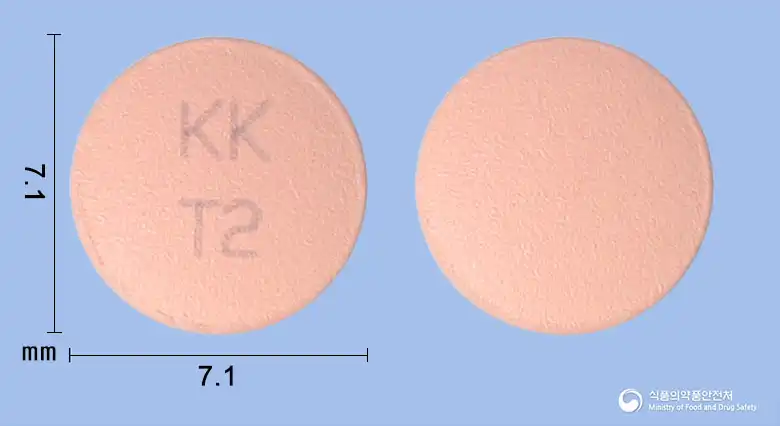
Teneligliptin Ditosylate Dihydrate 37.84mg
Tablet · Prescription medication
Genewon Science Co., Ltd.
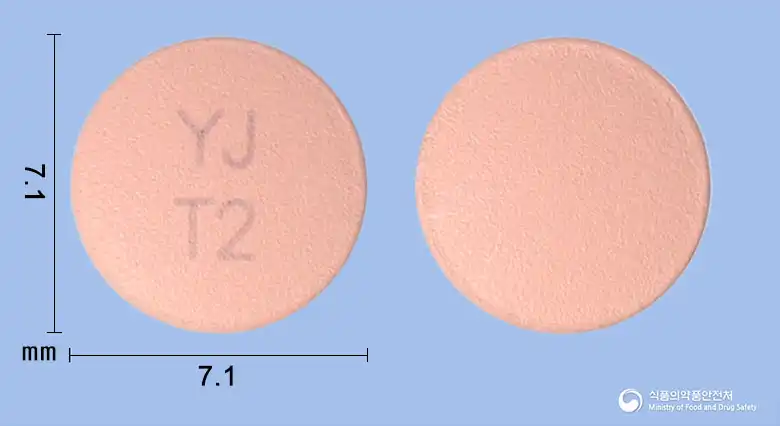
Teneligliptin Ditosylate Dihydrate 37.84mg
Tablet · Prescription medication
Youngjin Pharmaceutical Co., Ltd.
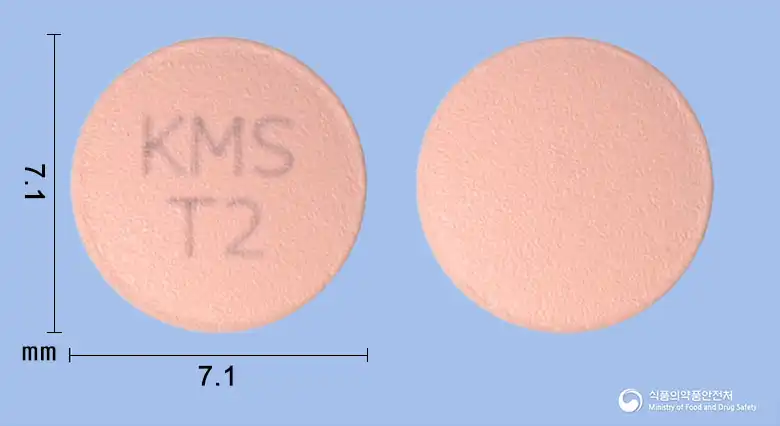
Teneligliptin Ditosylate Dihydrate 37.84mg
Tablet · Prescription medication
KMS Pharmaceuticals Co., Ltd.
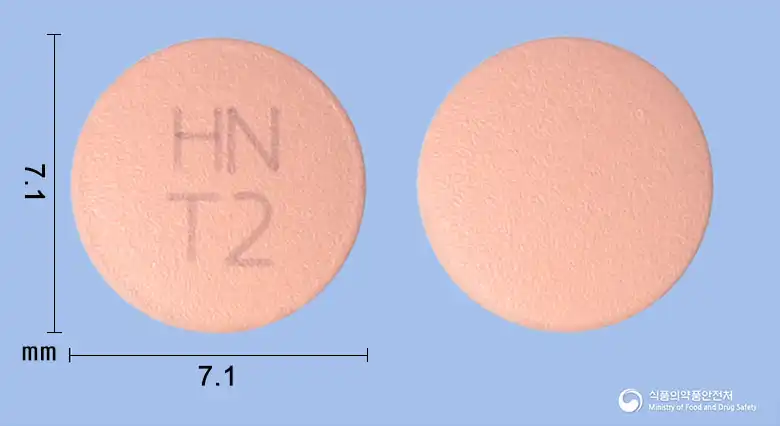
Teneligliptin Ditosylate Dihydrate 37.84mg
Tablet · Prescription medication
Hana Pharmaceutical Co., Ltd.
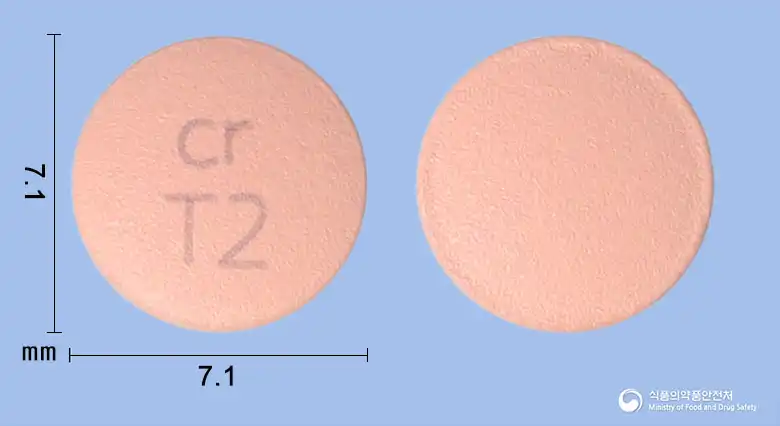
Teneligliptin Ditosylate Dihydrate 37.84mg
Tablet · Prescription medication
GL Pharma Co., Ltd.
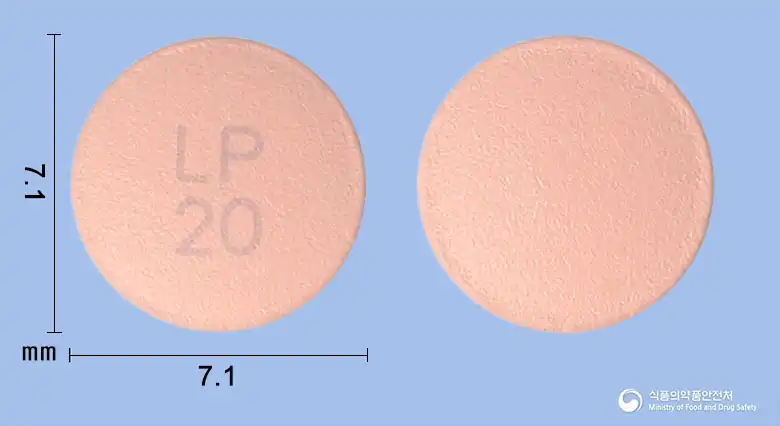
Teneligliptin Ditosylate Dihydrate 37.84mg
Tablet · Prescription medication
Light Phamtech Co., Ltd.
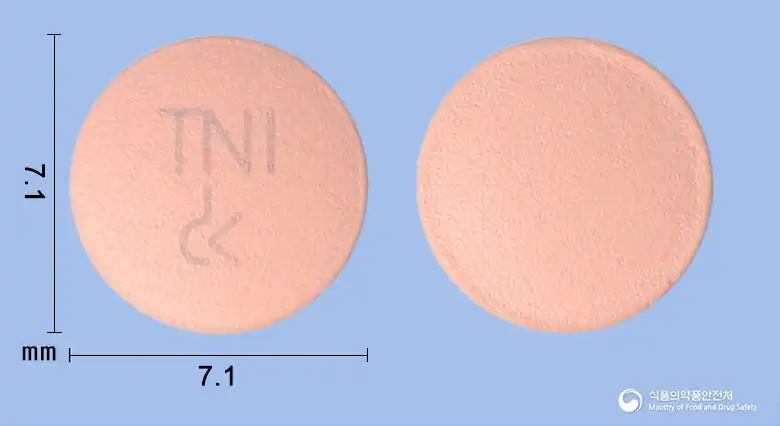
Teneligliptin Ditosylate Dihydrate 37.84mg
Tablet · Prescription medication
Dongkuk Pharmaceutical Co., Ltd.
Even with the same ingredient, the dose and directions can differ by strength and dosage form. Talk to a doctor or pharmacist before switching from a medication you are already taking.
No questions yet.
For anything that needs medical judgment, consult a doctor or pharmacist.
This drug information is based on data provided by the Korea Ministry of Food and Drug Safety.
Consult a doctor or pharmacist for accurate dosage, administration, and usage instructions.