
 한국어
 English
 日本語
 中文(简体)
Dosage form image
Viewing nowCombinationDuoRich Sustained Release Tablet 5/1000 mg
Dapagliflozin citric acid 7.35mg · Metformin Hydrochloride 1000mg
Tablet · Prescription medication · Combination
Punglim Muhak Co., Ltd.
MFDS item code 202106827 · Approved 2021.10.08
Improvement of glycemic control in adults with type 2 diabetes mellitus
This medication is used as an adjunct to diet and exercise to improve glycemic control in adults with type 2 diabetes mellitus who require additional glycemic control. Especially in patients whose blood sugar is not adequately controlled and who have cardiovascular disease or risk factors, dapagliflozin should be administered cautiously according to professional information concerning its impact on the occurrence of cardiovascular events. This medication assists in controlling blood glucose and preventing related complications.
The dose of this medicine should be individualized based on the patient's current treatment regimen, efficacy, and tolerability, without exceeding the maximum recommended doses of dapagliflozin 10mg and extended-release metformin 2000mg. This medicine is generally administered once daily with the evening meal. The maximum dose of this medicine is dapagliflozin 10mg/extended-release metformin 2000mg once daily, administered as two 5mg/1000mg tablets. Patients with no prior history of antidiabetic drug treatment whose blood glucose is not adequately controlled with monotherapy: When used as initial therapy in patients with no prior history of antidiabetic drug treatment, the recommended starting dose of this medicine is one 5mg/500mg or 10mg/500mg tablet once daily. Adjust the dose gradually to reduce gastrointestinal adverse reactions to metformin. For patients being treated with metformin, the recommended dose of dapagliflozin is 10mg once daily, and the dose of this medicine should provide the same or a therapeutically appropriate dose close to the metformin dose the patient was taking. When switching from immediate-release to extended-release metformin, blood glucose control should be closely monitored and the dose adjusted appropriately. For patients switching from combination therapy with dapagliflozin and metformin to this medicine, this medicine may be started at the doses of dapagliflozin and metformin previously administered. When switching from immediate-release to extended-release metformin, blood glucose control should be closely monitored and the dose adjusted appropriately. When this medicine is used in combination with insulin or an insulin secretagogue such as a sulfonylurea, a lower dose of insulin or the insulin secretagogue may be considered to reduce the risk of hypoglycemia. The safety and efficacy of this medicine have not been specifically evaluated in patients switching to it from another glucose-lowering drug. Because changes may result in altered blood glucose control, any change in treatment in patients with type 2 diabetes should be made under careful monitoring. This medicine must be swallowed whole and must never be crushed, cut, or chewed. Occasionally, inactive ingredients in this medicine may be excreted in the stool as a soft, hydrated mass resembling a tablet. Renal impairment No dose adjustment is necessary in patients with mild renal impairment. For patients with an estimated glomerular filtration rate (eGFR) of 45 mL/min/1.73 m2 or higher and less than 60 mL/min/1.73 m2 who do not have other conditions that may increase the risk of lactic acidosis, the starting dose of metformin hydrochloride, a component of this medicine, is 500mg once daily, and the maximum daily dose is 1000mg. Use of this medicine is not recommended in patients with an eGFR below 45 mL/min/1.73m2. If the estimated glomerular filtration rate (eGFR) falls below 45 mL/min/1.73m2, administration of this medicine should be discontinued immediately. Renal function should be assessed every 3~6 months. Elderly patients Metformin is excreted through the kidneys, and renal function is more likely to decline in elderly patients; therefore, this medicine should be used with caution as age increases (see Precautions for Use, 9. Administration to Elderly Patients).
This medication is used for the treatment of type 2 diabetes and contains two components. The first component helps lower blood sugar but may rarely cause a serious side effect known as lactic acidosis, which requires caution. The second component functions to excrete glucose through urine, which may result in genital or urinary tract infections. This medication should not be used in patients with impaired kidney function, dehydration, severe infections, acute heart problems, etc. Pregnant or breastfeeding women should also refrain from taking this medication. Symptoms of hypoglycemia may occur during treatment, so particular caution should be exercised when used concomitantly with insulin or other blood glucose-lowering agents. Additionally, patients at risk for reduced fluid volume or low blood pressure should use this medication cautiously and regularly check kidney function and fluid status. During the use of this medication, symptoms such as itching or infections in the genital area may occur, so any abnormal symptoms should be reported to healthcare professionals immediately. If there are issues with liver or kidney function or if a sudden surgery or imaging tests requiring contrast agents are planned, this medication should be temporarily discontinued. Moreover, there may be a risk of decreased vitamin B12 levels, so regular blood tests are recommended with long-term use. Excessive alcohol consumption can increase the risk of side effects from this medication, so it is safest to avoid it during treatment. Finally, this medication is not recommended for children or pregnant women, and elderly patients should carefully monitor changes in kidney function while taking this medication. Take this medication exactly as directed by your doctor, and seek medical consultation immediately if any abnormal symptoms arise.
Severe lactic acidosis, severe hypoglycemia, vulvovaginitis, balanitis and related genital infections, urinary tract infections, fungal infections, hypoglycemia, decreased fluid volume, thirst, diabetic ketoacidosis, dizziness, constipation, dry mouth, lower back pain, dysuria, polyuria, nocturia, vulvar itching, genital itching, increased hematocrit, decreased renal creatinine clearance at the beginning of treatment, dyslipidemia, increased blood creatinine at the beginning of treatment, elevated blood urea, weight loss, ketoacidosis, uroseptic shock, pyelonephritis, acute kidney injury, renal dysfunction, rash, diarrhea, nausea, vomiting, vitamin B12 decrease/deficiency, Guillain-Barré syndrome, bacterial pneumonia, sialadenitis, tendinitis, chest pain, thermal burns, wrist fractures, acute cholecystitis, upper abdominal pain, dyspepsia, abdominal discomfort, abdominal pain, gastric ulcer, irritable bowel syndrome, salivary gland mass, toothache, headache, facial paralysis, peripheral neuropathy, sensory disturbance, drowsiness, tremors, nasopharyngitis, pharyngitis, adenoviral conjunctivitis, shingles, pneumonia, rhinitis, increased alanine aminotransferase, increased blood sugar, arthralgia, myalgia, myofascial pain syndrome, osteoarthritis, osteochondrosis, limb pain, periarticular inflammation, tendinitis, trigger finger, weakness, fatigue, peripheral edema, edema, pain, vitamin D deficiency, hyperglycemia, urethral syndrome, cough, hyperventilation, pruritus, benign prostatic hyperplasia, atrial fibrillation, palpitations, insomnia, type 2a hyperlipidemia, sensorineural hearing loss, acute cholecystitis
Not everyone experiences these, and they can vary from person to person.
This medication should be stored in a tightly closed container to prevent exposure to air or moisture. Additionally, it is best kept at room temperature, between 1 to 30 degrees Celsius, and not in extremely hot or cold places.
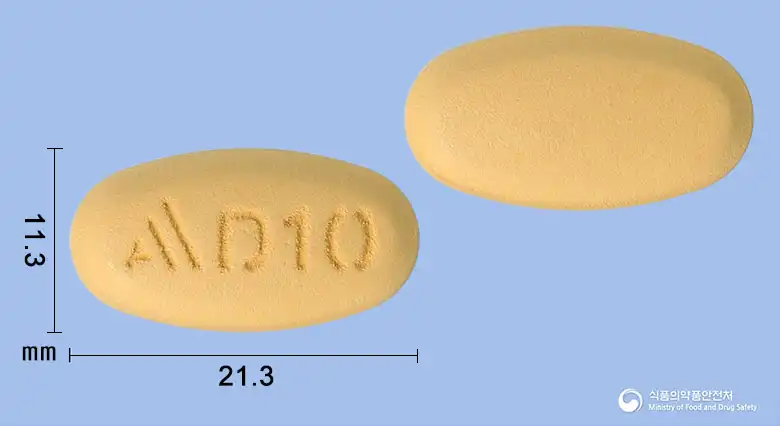
Dark pink, biconvex, egg-shaped film-coated tablet
30 tablets per bottle
Even with the same ingredient, strength, dosage form and how it is taken can differ.
Dapagliflozin citric acid 7.35mg · Metformin Hydrochloride 1000mg
Tablet · Prescription medication · Combination
Punglim Muhak Co., Ltd.
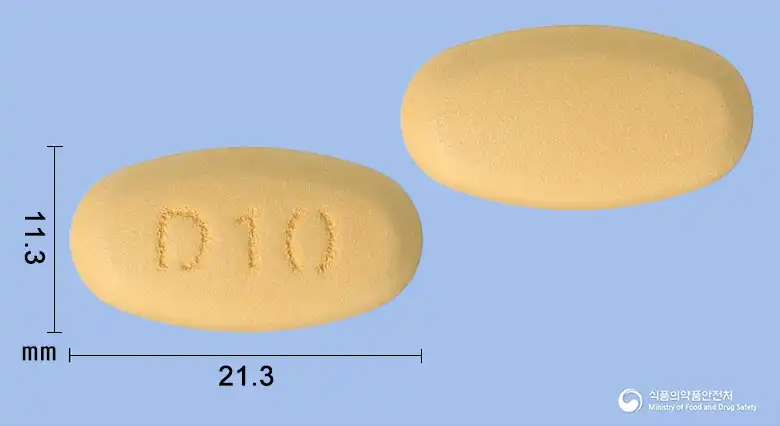 Combination
Dapagliflozin citric acid 14.7mg · Metformin Hydrochloride 1000mg
Tablet · Prescription medication · Combination
HK Inno.N Co., Ltd.
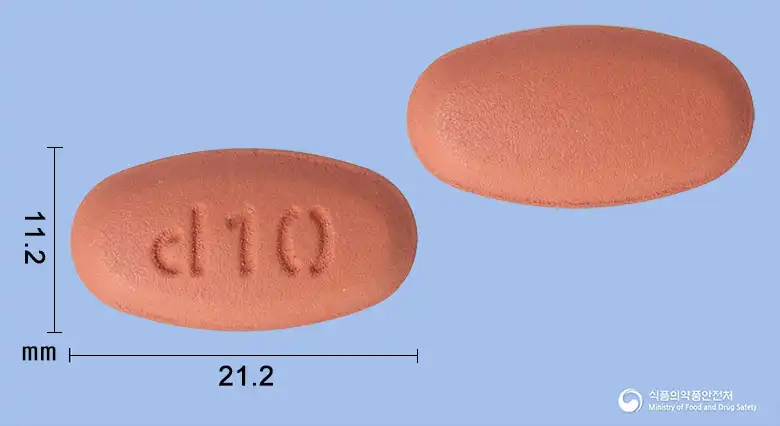 Combination
Dapagliflozin citric acid 7.35mg · Metformin Hydrochloride 1000mg
Tablet · Prescription medication · Combination
HK inno.N Co., Ltd.
Dapagliflozin citric acid 14.7mg · Metformin Hydrochloride 1000mg
Tablet · Prescription medication · Combination
Poonglim Pharmaceutical Co., Ltd.
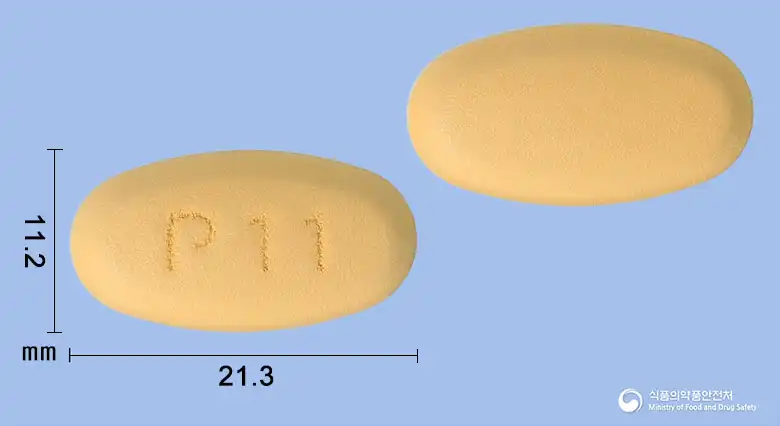 Combination
Dapagliflozin citric acid 14.7mg · Metformin Hydrochloride 1000mg
Tablet · Prescription medication · Combination
Korea Prime Pharmaceutical Co., Ltd.
Dapagliflozin citric acid 7.35mg · Metformin Hydrochloride 1000mg
Tablet · Prescription medication · Combination
Korea Prime Pharmaceutical Co., Ltd.
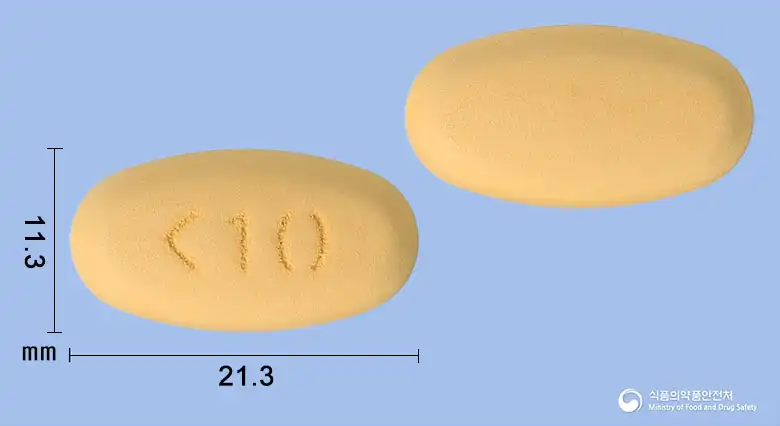 Combination
Dapagliflozin citric acid 14.7mg · Metformin Hydrochloride 1000mg
Tablet · Prescription medication · Combination
KS Pharm Co., Ltd.
 Combination
Dapagliflozin citric acid 14.7mg · Metformin Hydrochloride 1000mg
Tablet · Prescription medication · Combination
Aprogen Biosciences, Co., Ltd.
Even with the same ingredient, the dose and directions can differ by strength and dosage form. Talk to a doctor or pharmacist before switching from a medication you are already taking.
No questions yet.
For anything that needs medical judgment, consult a doctor or pharmacist.
This drug information is based on data provided by the Korea Ministry of Food and Drug Safety.
Consult a doctor or pharmacist for accurate dosage, administration, and usage instructions.