
 한국어
한국어 English
 日本語
日本語 中文(简体)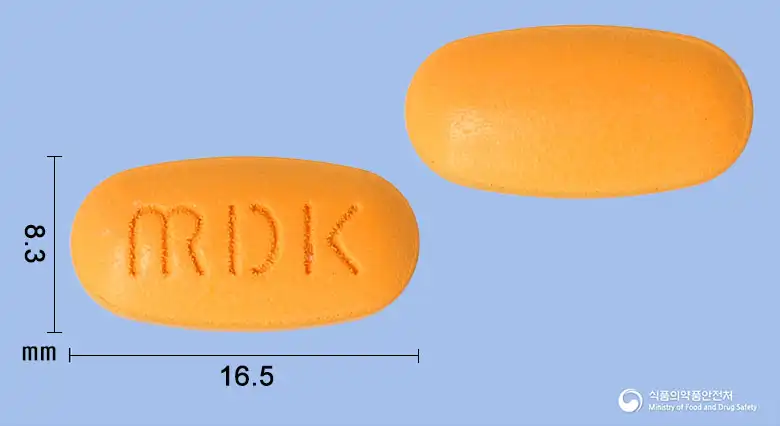
Summary
- Main use
- Prevention of bone issues (growth disorders, rickets)
- Who takes it
- Adults
- Adult dose
- Ages 8 and above: 1 tablet once every day, 2 times a day
Ingredients
- Cholecalciferol Concentrate Powder5mg / 1 tablet
- Phytonadione0.05mg / 1 tablet
- Manganese Sulfate5.5mg / 1 tablet
- Anhydrous Dibasic Calcium Phosphate339.5mg / 1 tablet
- Magnesium Oxide166mg / 1 tablet
- Ursodeoxycholic Acid10mg / 1 tablet
- Ubidecarenone5mg / 1 tablet
- Manufacturer
- 미래바이오제약(주)
Efficacy & effects
Prevention of bone issues (growth disorders, rickets)
- Bone growth disorders
- tooth growth disorders
- rickets
View approved original textHide original text
Vitamin D should be adequately provided throughout the life cycle, including during pregnancy, lactation, childhood, and old age. It is particularly effective in assisting the proper development of bones and teeth and in preventing rickets in children. Therefore, sufficient intake of Vitamin D during these periods helps maintain health and prevent bone diseases.
How to take
Adult dose
Ages 8 and above: 1 tablet once every day, 2 times a day
Precautions
This medication should not be taken by patients with hypercalcemia, patients with sarcoidosis (a systemic inflammatory disease of unknown cause), and individuals with kidney diseases. Additionally, those who have had allergic reactions to this medication or any of its ingredients should avoid taking it. It is also safer for infants under 12 months and individuals with kidney stones or severe renal failure to refrain from using this medication. This medication contains lactose, and individuals with genetic issues such as galactose intolerance, lactose enzyme deficiency, or glucose-galactose malabsorption should avoid taking it. It is advisable not to take this medication simultaneously with phosphates, calcium salts, oral tetracyclines, or antacids. Infants under 1 year old, individuals currently receiving treatment from a physician, children who are regularly sun-exposed and eating normally, pregnant women or those who could become pregnant, nursing mothers, premature babies, and infants should consult a physician or pharmacist before taking this medication. Special caution is needed because Vitamin D can cause hypercalcemia in newborns through breast milk. Those with heart or circulatory issues, kidney problems, hypoproteinemia, those taking cardiac glycosides, individuals with gallbladder or liver diseases, or those with a history of kidney stones should also consult a specialist before taking this medication. If symptoms such as nausea, vomiting, diarrhea, constipation, hypotension, facial flushing, irregular heartbeat, skin rashes, cardiac arrest, or central nervous system depression occur while taking this medication, stop taking it immediately and consult healthcare personnel. Overdosing can also present symptoms such as gastrointestinal disturbances, hypernatremia, congestive heart failure, edema, etc. Long-term use may lead to hypercalcemia and stone disease, and there is a risk of hyperkalemia when taken with certain diuretics, so caution is needed. Follow the prescribed dosage accurately, and when administering to children, the supervision of a guardian is required. It is advisable to avoid teas containing tannins like green tea or black tea during or around the time of intake. This medication should be stored out of reach of children, away from direct sunlight, in a cool, dry, and airtight place. Additionally, it is important not to transfer it to another container to prevent misuse and maintain the quality of the medication.
Side effects and when to seek care immediately
Serious side effects
Cardiac arrest
Mild side effects
- Nausea
- vomiting
- diarrhea
- constipation
- hypotension
- facial flushing
- irregular heartbeat
- skin rashes
- red spots
- cardiac arrest
Show 7 moreCollapse
- central nervous system depression
- hypernatremia
- congestive heart failure
- edema
- hypercalcemia
- stone disease
- hyperkalemia
Not everyone experiences these, and they can vary from person to person.
Interactions
Drug interactions
This medication should not be taken alongside phosphates, calcium salts, oral tetracycline preparations, or antacids. If taken with aldosterone antagonists and triamterene, consult with a physician or pharmacist.
Food interactions
This medication should be avoided alongside teas containing tannins, such as green tea or black tea, during or around the time of intake.
Storage
This medication should be stored in a sealed container to prevent air ingress and kept at room temperature between 1 and 30 degrees Celsius for optimal effectiveness.
Appearance and packaging
Appearance
Yellow oval film-coated tablet
Package unit
120 tablets/bottle, 60 tablets/bottle
Questions about this medicine
QAfter taking it, my face feels flush and my heart is racing.
Facial flushing and irregular heartbeat are listed as adverse reactions in the instructions. If these symptoms occur, it is advised to stop taking the medication immediately and consult a doctor or pharmacist.
Answers 1 · 2026.09.14
QIs it okay to give it to my grandmother for bone health?
The provision of Vitamin D and the treatment of bone and dental underdevelopment in the elderly are included in the efficacy. If your grandmother is taking medications such as anti-aldosterone agents or triamterene, please consult her doctor or pharmacist before use.
Answers 1 · 2026.09.14
QWhat should I do on days when I take antacids?
It is mentioned that antacids should not be taken with this medication. If you must take both medications, it is advisable to consult your pharmacist to determine the proper dosing method.
Answers 1 · 2026.09.14
See all questions
QI want to take Vitamin D; how many times a day should I take this?
For those aged 8 and older and adults, it is advised to take 1 tablet, twice a day. If you are taking other Vitamin D products, please check with your pharmacist to ensure there are no overlapping ingredients.
Answers 1 · 2026.09.14
For anything that needs medical judgment, consult a doctor or pharmacist.