
 한국어
한국어 English
 日本語
日本語 中文(简体)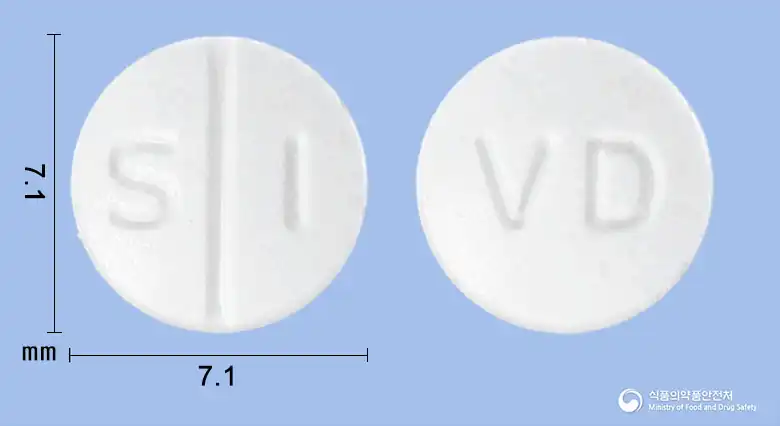
Summary
- Main use
- Prevention of bone development disorders and rickets
- Who takes it
- Adults · Children
- Adult dose
- Age 8 and older, including adults: Take 1 tablet once daily after meals.
- Child dose
- Dosing for children under 8 years of age is not specified.
Ingredients
- Manufacturer
- 신일제약(주)
Efficacy & effects
Prevention of bone development disorders and rickets
- Bone developmental disorders
- teeth developmental disorders
View approved original textHide original text
Vitamin D is an essential nutrient during pregnancy, breastfeeding, growth periods, and old age. During these times, it helps in the healthy development of bones and teeth, and is particularly important for the prevention of rickets. Therefore, by properly supplying vitamin D, it promotes bone health and prevents problems that may occur during growth and aging processes. Thus, vitamin D is used to improve bone and teeth developmental disorders and to prevent rickets.
How to take
Adult dose
Age 8 and older, including adults: Take 1 tablet once daily after meals.
Child dose
Dosing for children under 8 years of age is not specified.
Precautions
This medication should not be taken by patients with hypercalcemia, sarcoidosis, or those with kidney diseases. Additionally, individuals allergic to this medication or its ingredients should avoid its use. Patients with kidney stones should also not use this medication. This medicine contains lactose, so individuals with genetic issues such as galactose intolerance, Lapp lactase deficiency, or glucose-galactose malabsorption should not take it. Infants under 1 year of age, patients currently undergoing treatment by a physician, children who receive ample sunlight and eat normally, pregnant women or those who may become pregnant, breastfeeding women, premature infants, and infants should consult with a doctor, dentist, or pharmacist before taking this medication. In particular, caution is needed as vitamin D can cause hypercalcemia in newborns through breast milk. Individuals with a history of kidney stones should also consult with a professional before use. If symptoms such as nausea, vomiting, or diarrhea occur during the use of this medication, it should be stopped immediately, and a doctor or pharmacist should be consulted. In case of accidental overdose, consult a professional immediately. If symptoms do not improve after more than one month of use, it is advisable to discontinue use and seek counsel. It is important to adhere to the prescribed dosage and administration, and when giving to children, guardians should provide proper guidance and supervision. This medication should be kept out of reach of children and stored in a cool, dry place away from direct sunlight, preferably in a tightly sealed container to maintain quality and prevent misuse.
Side effects and when to seek care immediately
Mild side effects
- Nausea
- vomiting
- diarrhea
Not everyone experiences these, and they can vary from person to person.
Interactions
Drug interactions
Do not take this medication with phosphates, calcium salts, oral tetracycline preparations, antacids, or levodopa. Consult a doctor or pharmacist if taken with antimineralocorticoids or triamterene.
Food interactions
Do not take this medication with teas containing tannins, such as green tea or black tea, during or before/after use.
Storage
Store this medication in a tightly sealed container to prevent air or moisture from entering, preferably at room temperature between 1 to 30 degrees Celsius. Storing it this way helps maintain the efficacy and safety of the medication.
Appearance and packaging
Appearance
White round tablet
Package unit
240 tablets per bottle
Questions about this medicine
QIt's Vitamin D; can I take it before meals?
For individuals aged 8 and older and adults, it is prescribed to take one tablet once daily after meals. Take it after a meal, and if nausea or diarrhea occurs, stop taking it and consult a pharmacist.
Answers 1 · 2026.09.14
For anything that needs medical judgment, consult a doctor or pharmacist.